Imagine you’re cruising down the highway, enjoying the smooth ride your car provides. But have you ever wondered what makes your engine run efficiently?
A key component is the vacuum advance, a small yet powerful part of your vehicle’s ignition system. Understanding how it works can seem like unraveling a mystery. But here’s the catch: knowing how your vacuum advance operates can save you money, improve your car’s performance, and even extend its life.
So, if you’re curious about optimizing your vehicle and making informed maintenance decisions, you’re in the right place. Stick around, and let’s unlock the secrets of your car’s hidden hero together.
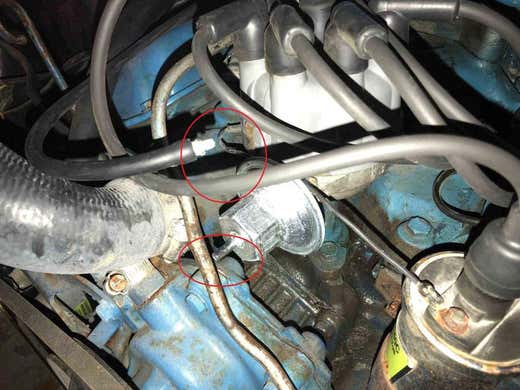
Credit: forum.ih8mud.com
Vacuum Advance Basics
Understanding vacuum advance basics helps you grasp how engines improve efficiency. It plays a key role in ignition timing. This system adjusts spark timing based on engine load. This adjustment enhances fuel economy and engine performance.
What Is Vacuum Advance
Vacuum advance is a device on older ignition systems. It uses engine vacuum to change the ignition timing. It connects to the carburetor or intake manifold. When engine vacuum changes, it moves a diaphragm. This movement advances or retards spark timing.
The vacuum advance helps the engine run smoother. It improves fuel use at part throttle or cruising speeds. It works by advancing the spark to ignite the fuel-air mix sooner.
Role In Ignition Timing
Ignition timing controls when the spark plug fires. The spark must ignite fuel-air mix at the right moment. Vacuum advance changes ignition timing based on engine load. When vacuum is high, it advances timing for better efficiency.
At low engine loads, vacuum advance moves timing earlier. This helps the engine burn fuel more completely. At heavy loads, vacuum drops, and timing retards. This prevents knocking and protects the engine.
Vacuum advance improves throttle response and reduces emissions. It plays a vital role in engine performance and fuel savings.
Credit: www.trifive.com
How Vacuum Advance Affects Engine
The vacuum advance system plays a key role in how an engine runs. It changes the timing of the spark based on engine load and speed. This adjustment helps the engine burn fuel more efficiently and run smoother. The effects of vacuum advance are clear in fuel use, power output, and emissions.
Impact On Fuel Efficiency
Vacuum advance adjusts ignition timing to match engine load. This means the spark fires earlier during light load or cruising. Early spark improves fuel burn and reduces waste. Engines with vacuum advance often use less fuel on highways. It helps keep the engine running leaner and cleaner.
Influence On Engine Power
Proper timing improves power delivery. Vacuum advance advances the spark when the engine needs less power. It retards timing at heavy loads to prevent knocking. This balance keeps the engine strong and smooth. It avoids power loss from wrong spark timing.
Effect On Emissions
Better combustion lowers harmful gases. Vacuum advance reduces carbon monoxide and unburned fuel emissions. It helps the engine meet emission rules. Cleaner burning also extends engine life and reduces pollution.
Mechanics Behind Vacuum Advance
Understanding how vacuum advance works helps explain its role in engine efficiency. The vacuum advance adjusts the timing of the spark in the engine. This adjustment improves fuel combustion under certain driving conditions.
Vacuum Source And Signals
The vacuum advance uses engine vacuum as its signal. This vacuum comes from the intake manifold or a ported vacuum source. The level of vacuum changes with engine load and throttle position. Higher vacuum means lighter engine load, like cruising or idling. Lower vacuum occurs during heavy acceleration or load.
The vacuum hose connects this source to the vacuum advance unit on the distributor. Changes in vacuum pressure send signals that control the advance mechanism. This helps the ignition timing adjust to the engine’s needs.
Advance Mechanism Operation
Inside the vacuum advance unit, a diaphragm responds to vacuum changes. When vacuum increases, the diaphragm moves. This movement shifts a linkage connected to the distributor’s breaker plate or sensor. The shift advances the spark timing, causing the spark to fire earlier.
The earlier spark improves fuel burn efficiency during light load conditions. When vacuum drops, the diaphragm returns to its normal position. The spark timing retards, matching the engine’s demand for power. This constant adjustment helps the engine run smoother and saves fuel.
Types Of Vacuum Advance Systems
Vacuum advance systems help improve engine timing and efficiency. They adjust ignition timing based on engine load and speed. Different types of vacuum advance systems exist, each with a unique way to sense engine vacuum. Understanding these types helps in diagnosing and tuning engines properly.
Ported Vacuum Advance
Ported vacuum advance takes vacuum from a port above the throttle plate. When the throttle is closed or just opening, vacuum is low at this port. This design helps delay advance until the throttle opens more. It prevents timing advance at idle, improving idle quality and reducing emissions.
As the throttle opens, vacuum rises at the ported source. The advance mechanism then adjusts timing to optimize performance. Ported vacuum advance suits many street engines for smooth driving.
Manifold Vacuum Advance
Manifold vacuum advance uses vacuum directly from the intake manifold. This vacuum is highest at idle and low throttle. It reduces ignition timing at idle to prevent knocking and rough running. As the throttle opens, manifold vacuum drops, reducing advance.
This system responds quickly to engine load changes. It is simple and effective for improving fuel economy. Manifold vacuum advance is common in older and carbureted engines.
Diagnosing Vacuum Advance Issues
Diagnosing vacuum advance issues is essential for maintaining engine performance. A faulty vacuum advance can cause poor fuel efficiency and rough idling. Identifying symptoms and testing the vacuum advance helps keep the ignition timing correct. Regular checks prevent more serious engine problems down the line.
Common Symptoms
- Engine hesitation during acceleration
- Increased fuel consumption
- Rough or uneven idle
- Engine knocking or pinging noises
- Delayed throttle response
- Difficulty starting the engine
Testing Methods
Start by inspecting the vacuum hose for cracks or leaks. A damaged hose can cause vacuum loss and timing issues.
Use a hand-held vacuum pump to apply pressure to the vacuum advance unit. The diaphragm should hold vacuum without leaking.
Check if the distributor plate moves when vacuum is applied. Any movement means the vacuum advance is working.
Test engine timing with a timing light. Timing should advance as vacuum increases at idle.
Replace any faulty parts if the vacuum advance does not respond properly during tests.
Credit: forum.ih8mud.com
Optimizing Vacuum Advance For Performance
Optimizing the vacuum advance is crucial for squeezing every bit of performance from your engine. It adjusts ignition timing based on engine load and speed, which can improve fuel efficiency and throttle response. Understanding how to fine-tune this system lets you tailor your ride for better power delivery and smoother operation.
Adjusting Advance Curves
The advance curve controls how much and when the vacuum advance adjusts ignition timing. You can modify this curve by changing the vacuum advance canister or adjusting the linkage. Small tweaks can make a big difference in how your engine reacts under different conditions.
Think about your daily driving habits. Do you mostly cruise on highways, or is your ride stop-and-go in city traffic? Adjusting the advance curve to match your style can improve throttle response and fuel economy.
Try experimenting with different advance rates. For instance, increasing advance at low vacuum levels can boost fuel efficiency during light load cruising. But be cautious—too much advance can cause knocking or rough idle.
Upgrading Components
Stock vacuum advance units aren’t always built for high-performance demands. Upgrading to a higher-quality or adjustable unit gives you more control over timing changes. This upgrade can make your ignition system more responsive and reliable.
Consider replacing old vacuum lines with silicone hoses for better vacuum signal accuracy. Worn or leaking hoses can cause erratic timing and reduce performance. Keeping these components fresh ensures your vacuum advance works as intended.
Also, pairing the vacuum advance with an upgraded distributor or ignition module can unlock greater timing precision. These components work together to provide smoother power delivery and improve engine longevity.
Vacuum Advance In Modern Engines
Vacuum advance plays a key role in the ignition system of many engines. It adjusts the timing of the spark based on engine load and speed. This helps improve fuel efficiency and reduces emissions. In modern engines, vacuum advance still has a place but works differently than in older engines.
Relevance Today
Modern engines use vacuum advance to optimize spark timing during light throttle conditions. It improves fuel economy by advancing the spark when the engine runs with low load. This reduces wasted fuel and lowers exhaust emissions.
Many newer engines combine vacuum advance with electronic controls. Sensors monitor engine speed and load. The engine control unit (ECU) adjusts timing more precisely than a simple vacuum diaphragm.
Vacuum advance still helps smooth engine operation at cruise speeds. It lowers engine temperature and prevents knocking under light loads. This supports better mileage and longer engine life.
Alternatives And Advances
Many modern engines use electronic ignition systems. These systems do not rely solely on vacuum advance. Instead, they use sensors and computers to control timing.
Variable valve timing and direct injection work with electronic ignition. Together, they improve performance and reduce emissions more than vacuum advance alone.
Some engines use camshaft position sensors and throttle sensors. The ECU uses this data to adjust ignition timing instantly. This system is more accurate and adapts to all driving conditions.
Vacuum advance remains useful in simpler or older engine designs. But new technology offers more precise and flexible ignition control.
Frequently Asked Questions
What Is The Purpose Of A Vacuum Advance In Engines?
A vacuum advance improves engine efficiency by adjusting ignition timing. It advances timing during light loads, boosting fuel economy and reducing emissions.
How Does A Vacuum Advance Affect Ignition Timing?
Vacuum advance shifts the ignition timing earlier based on engine vacuum. This optimizes combustion for better performance and smoother running at part throttle.
When Does The Vacuum Advance Operate In A Vehicle?
The vacuum advance works mainly at cruising speeds or light throttle. It responds to high manifold vacuum, adjusting timing for efficiency and power.
Can A Faulty Vacuum Advance Cause Engine Problems?
Yes, a bad vacuum advance can cause poor fuel economy, rough idle, and hesitation. It disrupts ignition timing, reducing engine performance.
Conclusion
A vacuum advance helps your engine run better and saves fuel. It changes the timing based on engine vacuum. This means your car works smoothly at different speeds. Understanding how it works can help you spot engine problems early. Keep your vacuum lines clean and check for leaks often.
A well-maintained vacuum advance keeps your engine healthy and efficient. Small parts can make a big difference in performance. Knowing this simple system helps you care for your car better.