Curious about how a vacuum furnace operates? You’re not alone.
Understanding the mechanics of this fascinating piece of equipment can unlock a world of possibilities, whether you’re in manufacturing, engineering, or simply exploring new technologies. Imagine being able to control temperatures with precision, without the interference of air or other gases.
A vacuum furnace does just that, offering you an environment where metals can be treated with unparalleled accuracy. By diving into how these furnaces work, you’ll gain insights that could enhance your projects and optimize your processes. So, are you ready to discover the secrets of the vacuum furnace and see how it can transform your work? Let’s get started!
Vacuum Furnace Basics
A vacuum furnace is a special oven used to heat materials in a controlled, low-pressure environment. It removes air and gases to stop oxidation and contamination. This process helps metals and other materials become stronger and more durable.
Vacuum furnaces are common in industries like aerospace, automotive, and tool manufacturing. They ensure precise temperature control and clean heating, which is crucial for high-quality parts.
Core Components
- Vacuum Chamber:The sealed space where materials are heated without air.
- Heating Elements:Usually made of graphite or metal, these generate heat inside the chamber.
- Vacuum Pump:Removes air and gases to create the vacuum needed for heating.
- Temperature Controller:Monitors and adjusts the heat to keep it steady and accurate.
- Cooling System:Helps cool down the materials after heating to avoid damage.
Types Of Vacuum Furnaces
- Atmosphere Vacuum Furnaces:Use a controlled gas inside the chamber along with the vacuum.
- Pressure Vacuum Furnaces:Apply pressure to speed up heat treatment and improve material properties.
- Batch Vacuum Furnaces:Process materials in groups, ideal for small to medium production.
- Continuous Vacuum Furnaces:Move materials through the furnace for large-scale, ongoing production.
Creating The Vacuum Environment
Creating the vacuum environment is a crucial step in the operation of a vacuum furnace. This environment allows the furnace to reach extremely high temperatures without the interference of air or other gases. By removing air and contaminants, the furnace ensures precise heating and prevents oxidation or other unwanted chemical reactions.
Vacuum Pumps And Pressure Control
The heart of creating a vacuum lies in the vacuum pumps. These pumps remove air and gases from the furnace chamber, lowering the pressure inside.
Different types of pumps work together for effective vacuum creation:
- Roughing pumpsstart the process by reducing the pressure from atmospheric levels.
- High-vacuum pumpstake over to achieve much lower pressures necessary for the process.
Controlling the pressure is equally important. You want to maintain a stable vacuum level throughout the heating cycle to avoid fluctuations that could impact the material’s properties.
Importance Of Contaminant Removal
Even tiny amounts of contaminants can ruin the quality of materials processed in the furnace. Contaminants like moisture, oxygen, or hydrocarbons cause oxidation or unwanted chemical changes.
Effective contaminant removal means the final product maintains its strength, appearance, and performance. Sometimes, even a small leak or residual gas can lead to defects.
Have you ever wondered why some metal parts appear flawless while others show signs of rust or discoloration? The vacuum environment plays a big role in preventing those flaws from forming in the first place.
Heating Mechanisms
Heating mechanisms in a vacuum furnace play a vital role in reaching high temperatures efficiently. These mechanisms ensure uniform heat distribution while maintaining the vacuum environment. Two common heating methods include electric resistance heating and induction heating. Each uses different principles to warm materials effectively inside the vacuum chamber.
Electric Resistance Heating
Electric resistance heating relies on passing electric current through heating elements. These elements convert electrical energy into heat due to their resistance. The heat then transfers to the furnace chamber and the material inside.
Materials like graphite or molybdenum often serve as heating elements. They can withstand very high temperatures without melting or deforming. The vacuum prevents oxidation, protecting the elements and the workpiece.
This method offers precise temperature control. Operators can adjust the current to increase or decrease heat quickly. It is ideal for processes requiring stable and consistent heating.
Induction Heating
Induction heating uses electromagnetic fields to heat conductive materials directly. An alternating current passes through a coil surrounding the workpiece. This creates a magnetic field that induces electric currents inside the material.
The induced currents generate heat internally, warming the material from within. This method heats faster than resistance heating and can target specific areas.
Induction heating requires the workpiece to be electrically conductive. It is energy-efficient and reduces heat loss to the surrounding environment. This makes it suitable for certain specialized vacuum furnace applications.

Credit: www.searshomeservices.com
Temperature Control And Monitoring
Temperature control and monitoring are at the heart of how a vacuum furnace operates efficiently. Precise temperature management ensures materials inside the furnace undergo the correct heat treatment without damage. This process relies heavily on advanced technology that constantly tracks and adjusts the temperature to meet exact specifications.
Thermocouples And Sensors
Thermocouples play a critical role in measuring the temperature inside a vacuum furnace. These small devices generate a voltage based on temperature changes, providing real-time data to the control system.
Multiple thermocouples are often placed at different points within the furnace chamber. This setup helps detect temperature variations and ensures uniform heating throughout the load.
Besides thermocouples, other sensors monitor pressure and atmosphere conditions, feeding essential information to maintain a stable environment. Have you considered how even slight temperature fluctuations could affect your material quality?
Automation And Safety Features
Modern vacuum furnaces come equipped with automated control systems that adjust heating elements based on sensor input. This automation reduces human error and maintains consistent temperature profiles.
Safety features are also integrated to prevent overheating and equipment damage. These include automatic shutdowns and alarms triggered by abnormal temperature readings.
Using automation not only improves product quality but also protects your investment by minimizing risks. How confident are you in your current temperature monitoring setup to catch potential issues before they escalate?
Material Processing Benefits
Vacuum furnaces offer several benefits during material processing. They provide a controlled environment that improves the quality and durability of metals and alloys. These benefits are essential for industries requiring precise and reliable material properties.
Oxidation Prevention
Vacuum furnaces remove oxygen and other gases from the chamber. This prevents oxidation and contamination of materials. Without oxygen, metals stay clean and free from rust or scale. It ensures better surface quality and reduces the need for extra cleaning.
Materials processed in a vacuum furnace keep their original appearance and strength. This is especially important for high-value metals like titanium and stainless steel. The absence of oxidation also extends the material’s lifespan.
Enhanced Material Properties
The vacuum environment allows precise control over temperature and atmosphere. This control improves hardness, toughness, and ductility of metals. It helps create uniform microstructures that boost performance.
Vacuum furnaces support processes like annealing, brazing, and sintering. These processes enhance wear resistance and reduce internal stresses in materials. The result is stronger, more reliable components for various applications.
Common Applications
Vacuum furnaces are essential in various industries due to their ability to provide precise temperature control and prevent oxidation during heat treatment. Their unique environment allows for high-quality results in processes that demand cleanliness and consistency. Let’s explore some common applications where vacuum furnaces make a significant impact.
Aerospace Industry
The aerospace sector relies heavily on vacuum furnaces to heat-treat critical components. These furnaces help improve the strength and durability of parts like turbine blades and engine components.
Because these parts operate under extreme conditions, any impurities or surface contamination can lead to failure. Vacuum furnaces eliminate these risks by creating a clean environment free of oxygen and moisture.
Have you ever wondered how aircraft engines achieve such high reliability? The answer often lies in the precise heat treatment processes done inside vacuum furnaces.
Tool Manufacturing
Tool manufacturers use vacuum furnaces to harden and temper cutting tools and dies. This process enhances wear resistance and extends the lifespan of tools.
Vacuum furnaces prevent scaling and oxidation, which are common issues in conventional heat treatment. As a result, tools maintain their sharpness and performance for longer periods.
If you rely on cutting tools daily, consider how vacuum furnace-treated tools could reduce downtime and improve efficiency in your work.
Electronics And Semiconductors
In the electronics industry, vacuum furnaces are crucial for processes like annealing and brazing delicate components. These processes require a contamination-free environment to maintain electrical performance.
Semiconductor wafers undergo precise heat treatments in vacuum furnaces to improve crystal quality and reliability. Even minor impurities can drastically affect device performance.
How important is it for your devices to perform flawlessly? Vacuum furnace technology ensures the tiny parts inside meet the highest standards.
Maintenance And Troubleshooting
Maintaining a vacuum furnace is essential to keep it running efficiently and to avoid costly downtime. Regular maintenance helps you spot potential problems before they escalate. Troubleshooting is part of the process, and knowing what to check can save you time and money.
Routine Checks
Start with inspecting the vacuum chamber for any signs of wear or contamination. Dirt or residue inside the chamber can affect the vacuum quality and heating process.
Check all seals and gaskets carefully. Even a small leak can disrupt the vacuum level and reduce furnace performance.
Monitor temperature sensors and controllers regularly. Malfunctioning sensors can cause inaccurate readings, leading to improper heating cycles.
Don’t forget to examine the cooling system. Proper cooling ensures the furnace components don’t overheat and fail prematurely.
Cleaning the vacuum pump oil and filters frequently keeps the system operating smoothly. Dirty oil or clogged filters reduce pump efficiency and vacuum quality.
Common Issues And Solutions
- Vacuum leaks:If you notice the furnace struggles to reach the required vacuum level, inspect seals and flanges. Tighten or replace worn seals to fix leaks.
- Temperature fluctuations:Erratic temperature readings often point to faulty sensors or wiring issues. Testing and replacing damaged sensors restores accuracy.
- Pump failure:A noisy or non-operational vacuum pump usually needs an oil change or mechanical repair. Regular oil replacement extends pump life.
- Overheating:Insufficient cooling or blocked air vents can cause overheating. Clean vents and check cooling fans to maintain proper airflow.
Have you ever experienced unexpected downtime due to a small overlooked issue? Staying proactive with these checks can prevent such frustrating situations and keep your vacuum furnace in top shape.
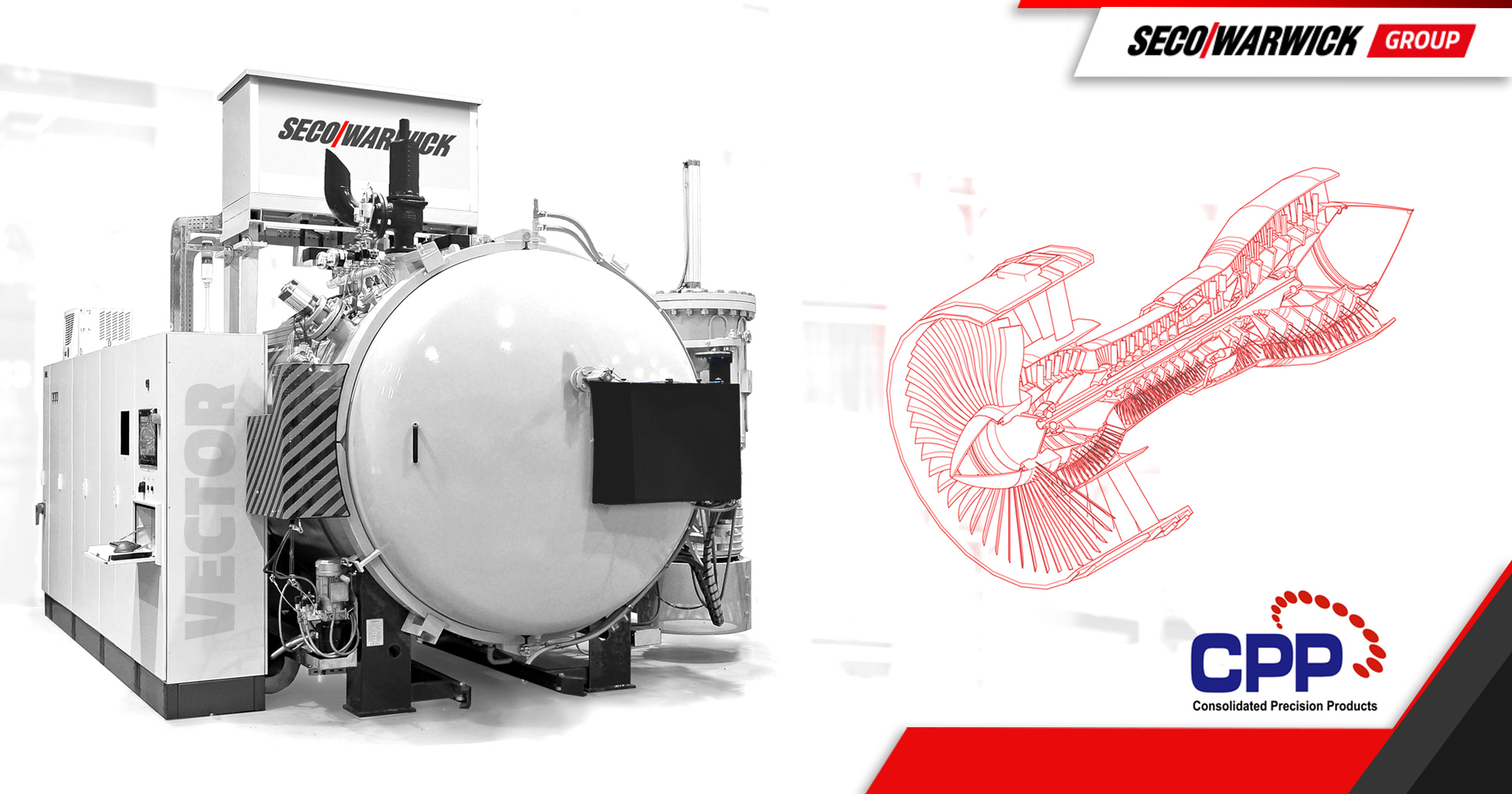
Credit: www.secowarwick.com

Credit: solarmfg.com
Frequently Asked Questions
What Is The Main Function Of A Vacuum Furnace?
A vacuum furnace heats materials in a vacuum environment to prevent oxidation. It ensures clean, contamination-free heat treatment. This process improves material properties like hardness and strength. It is widely used in aerospace, automotive, and medical industries.
How Does A Vacuum Furnace Maintain Its Vacuum?
A vacuum furnace uses pumps to remove air and gases inside the chamber. It creates a high vacuum to reduce contamination during heating. This vacuum environment prevents oxidation and unwanted chemical reactions. Modern systems use turbo-molecular or diffusion pumps for efficiency.
What Materials Can Be Treated In A Vacuum Furnace?
Vacuum furnaces treat metals like steel, titanium, and aluminum. They also process ceramics and composites. These materials benefit from oxidation-free heat treatment. This enhances mechanical properties and surface quality. It suits aerospace, electronics, and tool manufacturing.
Why Is Vacuum Important In Furnace Heat Treatment?
Vacuum prevents oxidation and contamination during heating. It maintains material purity and surface finish. This leads to superior mechanical properties and longer lifespan. Vacuum also allows precise temperature control. It is essential for high-quality heat treatment processes.
Conclusion
A vacuum furnace heats metal in a space without air. This stops rust and keeps metal pure. It uses high heat to change metal’s shape and strength. The vacuum keeps dirt and gas away from the metal. This process helps make strong and clean metal parts.
Many industries use vacuum furnaces for quality results. Understanding how it works shows why it is important. A vacuum furnace offers precise control and clean heating. It is a key tool in metalworking and manufacturing today.