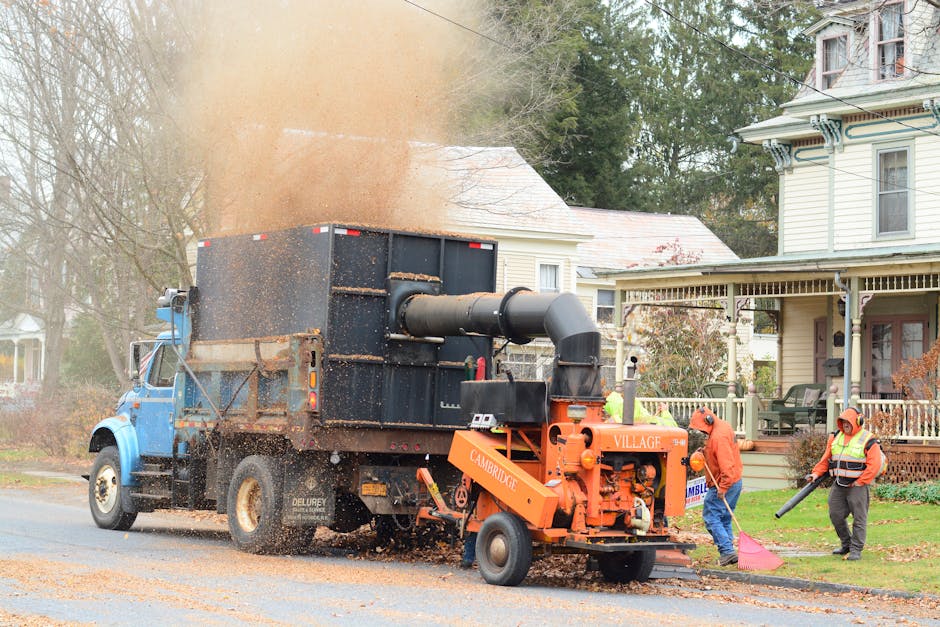
Imagine you’re standing in the middle of a bustling city street, and suddenly, you notice a massive truck that seems to be doing the impossible—cleaning up the mess that no one else can handle. That, my friend, is the magic of a vacuum truck at work.
But how does this mechanical marvel perform such feats? If you’ve ever been curious about the inner workings of a vacuum truck, you’re in the right place. We’ll uncover the secrets behind these fascinating machines. You’ll discover how they efficiently suck up waste, debris, and even hazardous materials with ease.
Whether you’re interested in technology, environmental solutions, or just love a good mystery solved, you’re about to learn something new and exciting. So, are you ready to dive into the world of vacuum trucks and see what makes them tick? Let’s get started!
Vacuum Truck Basics
A vacuum truck is a powerful machine used to clean and transport liquids, sludges, and debris. It uses suction to remove waste from various places like septic tanks, sewers, and industrial sites. Understanding how it works helps appreciate its role in many industries.
Vacuum trucks rely on several important parts and come in different types. Each type serves a specific function depending on the job. Knowing these basics gives insight into their operation and uses.
Key Components
- Vacuum Pump:Creates suction to pull waste into the tank.
- Storage Tank:Holds the collected liquids or solids safely.
- Hoses and Pipes:Transport waste from the source to the tank.
- Hydraulic System:Powers the pump and other moving parts.
- Control Panel:Allows the operator to manage suction and tank functions.
Types Of Vacuum Trucks
- Wet Waste Vacuum Trucks:Designed to collect liquids like sewage and water.
- Dry Waste Vacuum Trucks:Handle dry materials such as dust, sand, or debris.
- Combination Vacuum Trucks:Can manage both wet and dry waste efficiently.
- High-Pressure Vacuum Trucks:Use strong water jets to break up waste before suction.
- Industrial Vacuum Trucks:Built for tough jobs in factories and plants.

Credit: www.clw-autos.com
Vacuum System Mechanics
The vacuum system mechanics are the heart of a vacuum truck. This system creates the power needed to suck up liquids, sludge, and debris. It works by generating suction through a combination of air pressure changes and pumping action. Understanding these mechanics helps explain how a vacuum truck cleans and transports waste efficiently.
Creating Suction
The vacuum system begins by creating suction inside the tank. A vacuum pump removes air from the tank, lowering the air pressure inside. This pressure drop causes air and materials to flow into the tank. The stronger the vacuum, the more powerful the suction force becomes. This process allows the truck to pull in heavy liquids and solids with ease.
Airflow And Pressure
Airflow and pressure work together to move materials into the vacuum tank. The vacuum pump continuously extracts air, keeping the pressure low inside the tank. Outside air pressure remains higher, pushing materials toward the vacuum opening. This difference in pressure drives the flow of liquids and debris. Proper airflow management prevents clogs and keeps the system efficient.
Pumping Process
The pumping process uses a vacuum pump or blower to create suction. These pumps run on the truck’s engine or a separate motor. They remove air from the tank, maintaining a steady vacuum level. The pump’s design controls the speed and power of suction. This control helps handle different types of waste, from thin liquids to thick sludge.
Tank And Storage
The tank and storage system is a key part of a vacuum truck. It holds the collected liquids, sludge, and debris safely. The design and materials used affect how well the truck works and how long it lasts.
Strong tanks prevent leaks and spills. They also allow quick loading and unloading of materials. Proper storage keeps the truck balanced and stable on the road.
Tank Design
Tanks come in many shapes and sizes. Most are cylindrical or rectangular. Cylindrical tanks resist pressure well. Some tanks have compartments to separate materials.
The tank connects to pipes and hoses. These allow suction and discharge of waste. A tight seal stops leaks and odors.
Capacity And Materials
Tank size varies by truck and job. Common tanks hold between 1,000 and 4,000 gallons. Larger tanks reduce the need for frequent emptying.
Tanks are usually made from steel or aluminum. Steel is strong and durable but heavy. Aluminum is lighter and resists corrosion better.
Some tanks have coatings to prevent rust. Material choice depends on the type of waste collected.
Safety Features
Tanks include safety valves to release pressure. These prevent damage from over-pressurization. Many tanks have level indicators to avoid overfilling.
Secure lids and locks keep waste contained during transport. Some tanks have emergency vents for quick pressure relief. Proper grounding prevents static electricity build-up.
Safety features protect workers and the environment from hazards.

Credit: en.wikipedia.org
Common Applications
Vacuum trucks serve many important roles across various industries. Their ability to safely and efficiently remove liquids, sludge, and debris makes them invaluable in different settings. Understanding where and how these trucks are used can help you appreciate their versatility and think about potential uses in your own projects or business.
Industrial Cleaning
Vacuum trucks play a crucial role in industrial cleaning by removing hazardous waste, spills, and sludge from factories and plants. They handle materials that are difficult or unsafe to clean manually, such as chemical residues or heavy debris. If you manage an industrial site, using a vacuum truck can save time and reduce health risks for your team.
Sewage And Waste Removal
One of the most common uses for vacuum trucks is sewage and waste removal. These trucks efficiently suck out waste from septic tanks, sewer lines, and portable toilets. Have you ever wondered how clogged septic tanks get cleaned without messy spills? Vacuum trucks make this process quick, clean, and effective.
Environmental Cleanup
Vacuum trucks are essential in environmental cleanup efforts, especially after oil spills or chemical leaks. They help contain hazardous materials, preventing further damage to soil and water. If you’re involved in environmental protection, you know how critical it is to act fast—vacuum trucks provide that rapid response capability.
Operational Steps
Understanding the operational steps of a vacuum truck reveals how it efficiently cleans and transports waste materials. Each phase plays a crucial role in ensuring safety and effectiveness. The process begins with thorough preparation, followed by the vacuuming itself, and ends with proper disposal and cleaning. These steps keep the work smooth and the environment safe.
Preparation And Setup
Before starting, the operator inspects the truck and equipment. Safety gear is checked and worn. The work area is secured to prevent accidents. The vacuum hose is connected to the truck’s tank. Valves and controls are tested to ensure they work. The truck is positioned close to the waste site.
Vacuuming Process
The vacuum pump creates suction inside the tank. This suction pulls liquid, sludge, or debris through the hose. The material moves into the tank for storage. Operators monitor pressure gauges to avoid overfilling. The hose is guided carefully to reach all waste. The process continues until the tank is nearly full.
Disposal And Cleaning
Once full, the truck moves to the disposal site. The tank is emptied using pressure or gravity. Operators follow local regulations for safe disposal. After emptying, the tank and hoses are cleaned. This prevents contamination and keeps the truck ready. The truck is inspected again before the next job.

Credit: www.clw-autos.com
Maintenance Tips
Maintaining your vacuum truck properly can save you time, money, and unexpected headaches. Regular care keeps the truck running smoothly and extends its lifespan. Let’s look at key maintenance tips to help you avoid common issues and keep your equipment in top shape.
Routine Checks
Start each day by inspecting your vacuum truck’s major components. Check the hoses for cracks or wear, and ensure all fittings are tight. Look at the tank for any signs of rust or damage that could cause leaks.
Don’t forget to test the suction power before heading out. Weak suction often signals a problem that needs immediate attention. Also, keep an eye on fluid levels like oil and hydraulic fluid; low levels can cause serious damage.
Preventing Blockages
Blockages can halt your work and damage your vacuum system. Avoid this by cleaning the hoses and tank regularly after each job. Use water or approved cleaning agents to flush out debris and sludge.
Be mindful of what you vacuum. Large solid objects or thick sludge can clog the system quickly. If you’ve ever had to stop work because of a blockage, you know how much time it can waste—so don’t let it happen again.
Troubleshooting
If your vacuum truck isn’t performing well, start by checking the basics: power supply, hose connections, and filters. Dirty or clogged filters reduce suction and can strain the motor.
Sometimes the problem is a leak in the system. Listen for unusual sounds or look for fluid leaks around joints. If you find a problem you can’t fix, don’t hesitate to call a professional—ignoring it could lead to bigger repairs.
Safety Measures
Safety measures are vital when operating a vacuum truck. They protect operators and the environment from harm. These precautions ensure smooth, accident-free operations. Understanding safety protocols reduces risks and improves efficiency.
Operator Precautions
Operators must wear personal protective equipment (PPE) like gloves, goggles, and helmets. Regular training helps them understand the machine’s controls and hazards. They should check equipment before use to find leaks or damage. Clear communication with the team prevents accidents during operation. Operators must follow load limits to avoid spills and equipment strain.
Handling Hazardous Materials
Vacuum trucks often remove toxic or flammable substances. Proper containment prevents leaks during transport. Operators must know the material’s properties and risks. Using sealed tanks and secure fittings stops dangerous spills. Disposal follows strict rules to protect people and nature. Labeling materials clearly helps emergency responders if accidents occur.
Emergency Procedures
Quick action saves lives in case of spills or equipment failure. Operators should know emergency shutdown steps for the vacuum truck. Having spill kits nearby helps contain leaks fast. Clear evacuation routes must be planned and communicated. Reporting incidents immediately allows for fast response and cleanup. Regular drills prepare teams for real emergencies.
Technological Advances
Technological advances have transformed how vacuum trucks operate, making them smarter, faster, and more eco-friendly. These innovations not only boost performance but also reduce the workload on operators. By understanding these changes, you can appreciate how modern vacuum trucks tackle complex jobs with ease.
Automation Features
Automation has made vacuum trucks easier to operate and safer. Many trucks now come with controls that adjust suction power automatically based on the material being collected. This means you don’t need to constantly monitor and tweak settings, saving you time and effort.
Some systems include remote control options, allowing operators to manage tasks from a distance. Imagine controlling the truck’s vacuum functions without leaving your seat—this reduces physical strain and improves precision. Are you ready to handle tough jobs with less manual labor?
Improved Efficiency
Efficiency gains are clear when you look at the latest vacuum truck models. Enhanced pump designs increase suction speed while using less fuel. This means you get the job done faster without wasting resources.
Advanced sensors also help monitor tank levels and pressure in real time. This prevents overfilling and unnecessary downtime, keeping your workflow smooth. How much more productive could your team be with fewer interruptions?
Environmental Impact
Modern vacuum trucks focus heavily on reducing environmental harm. Cleaner engines and better filtration systems lower emissions and minimize pollutants released into the air. This is important not just for regulatory compliance but also for your community’s health.
Additionally, improved waste containment prevents leaks and spills during transport. You can feel confident that your vacuum truck minimizes risks to soil and water. Do you see the value in investing in technology that protects both your business and the planet?
Frequently Asked Questions
How Does A Vacuum Truck Suction System Work?
A vacuum truck uses a powerful pump to create negative pressure. This pressure sucks liquids, sludge, or debris into a storage tank efficiently and safely.
What Materials Can A Vacuum Truck Safely Handle?
Vacuum trucks can handle liquids, sludge, slurries, and dry debris. They are ideal for industrial waste, septic waste, and hazardous materials.
How Is Waste Stored In A Vacuum Truck?
Waste is stored in a sealed tank to prevent leaks and odors. The tank is designed for easy unloading and cleaning after use.
What Industries Commonly Use Vacuum Trucks?
Vacuum trucks are widely used in construction, oil and gas, municipal services, and environmental cleanup projects. They help manage waste and hazardous materials.
Conclusion
A vacuum truck uses strong suction to clean and move liquids or debris. It works by creating pressure differences to pull materials into its tank. Operators control the process with simple valves and hoses. This makes cleanup faster and safer at many sites.
Understanding how these trucks function helps appreciate their value. They keep environments clean and prevent hazards effectively. Next time you see one, you’ll know what’s happening inside. Simple machines with important jobs.