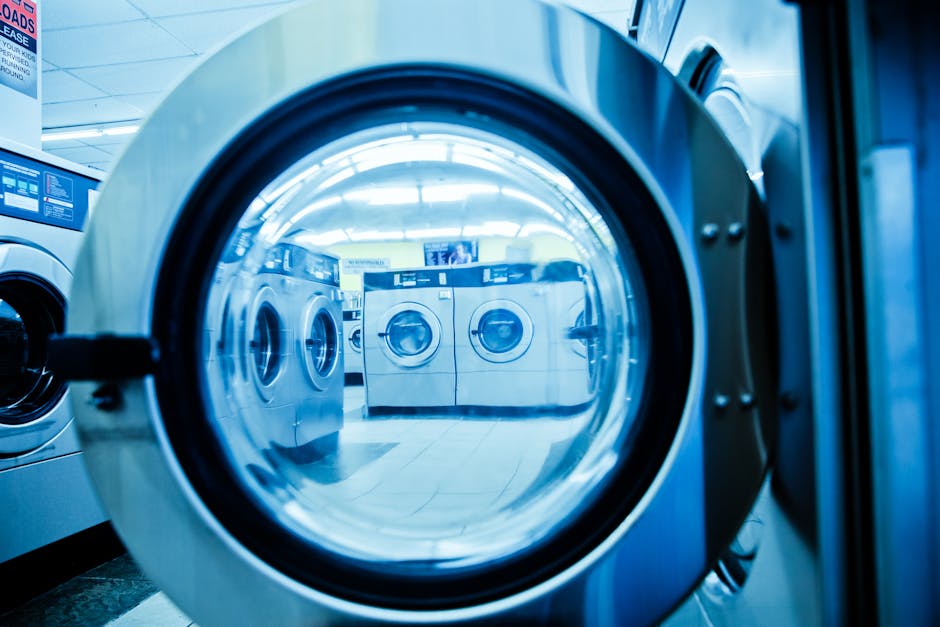
Imagine having a single machine that can wash and dry your clothes without you needing to move them from one appliance to another. Sounds convenient, right?
If you’re tired of juggling laundry loads between a washer and a dryer, a washer and dryer in one might be the perfect solution for your home. But how exactly does this all-in-one appliance work? Keep reading, and you’ll discover the clever technology behind it, how it saves you time and space, and why it could change the way you do laundry forever.
Credit: blog.bestbuy.ca
Washer-dryer Combo Basics
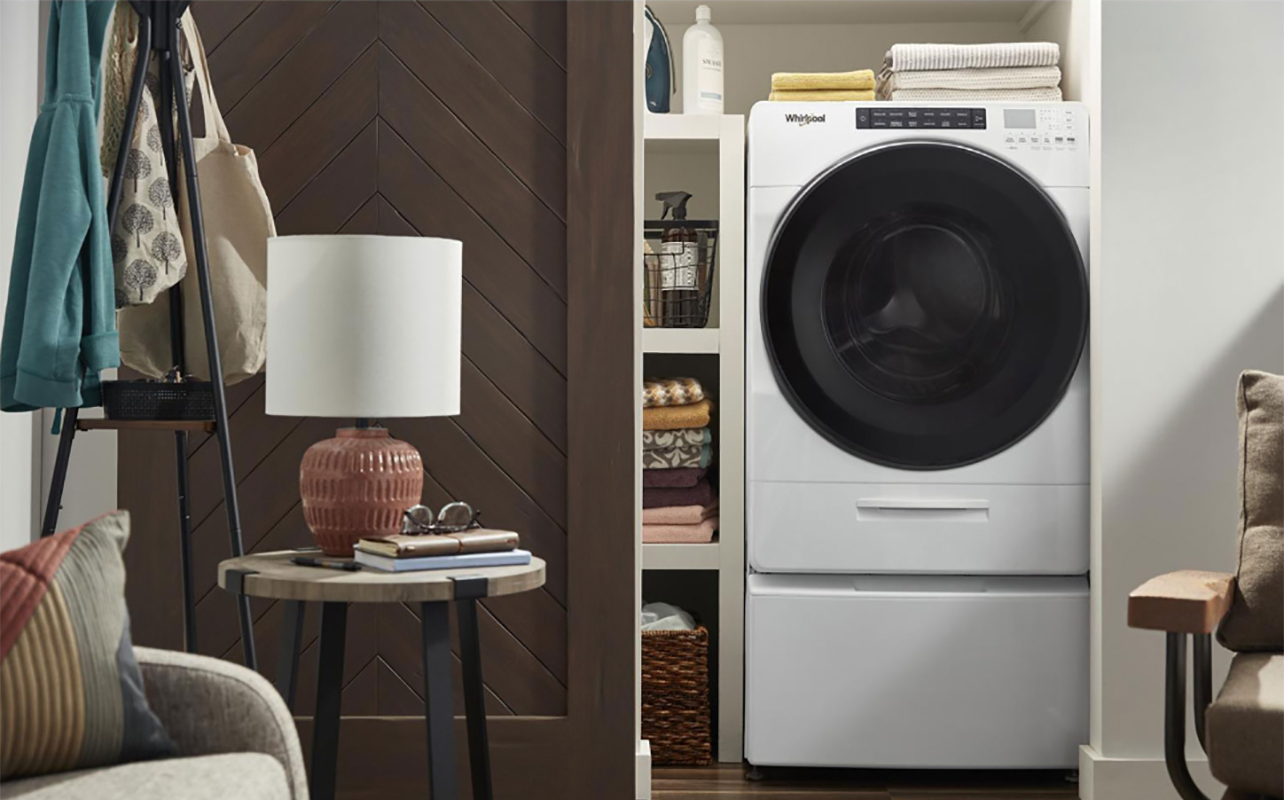
A washer and dryer in one is a single machine that washes and dries clothes. It uses one drum for both washing and drying cycles.
This combo saves time and space by combining two appliances in one. It works well for small homes or apartments.
Key Components
The main parts include a washing drum, heating element, water system, and control panel. The drum spins to clean and dry clothes.
The heating element dries clothes by blowing warm air inside the drum. Water is added and drained during washing cycles.
- Washing drum for washing and drying
- Heating element for drying clothes
- Water inlet and drain system
- Control panel to select cycles
How It Saves Space
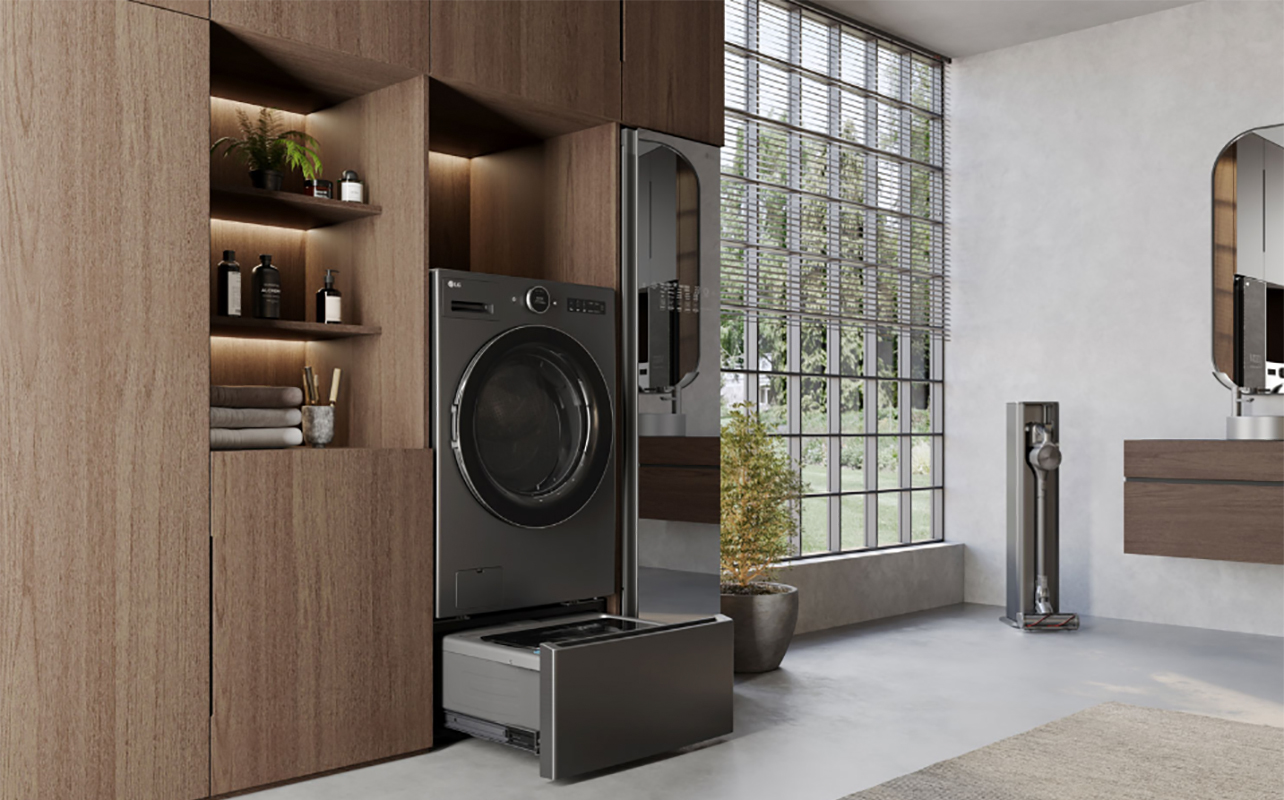
This machine combines two functions in one unit. It fits where you would usually place just a washer or dryer.
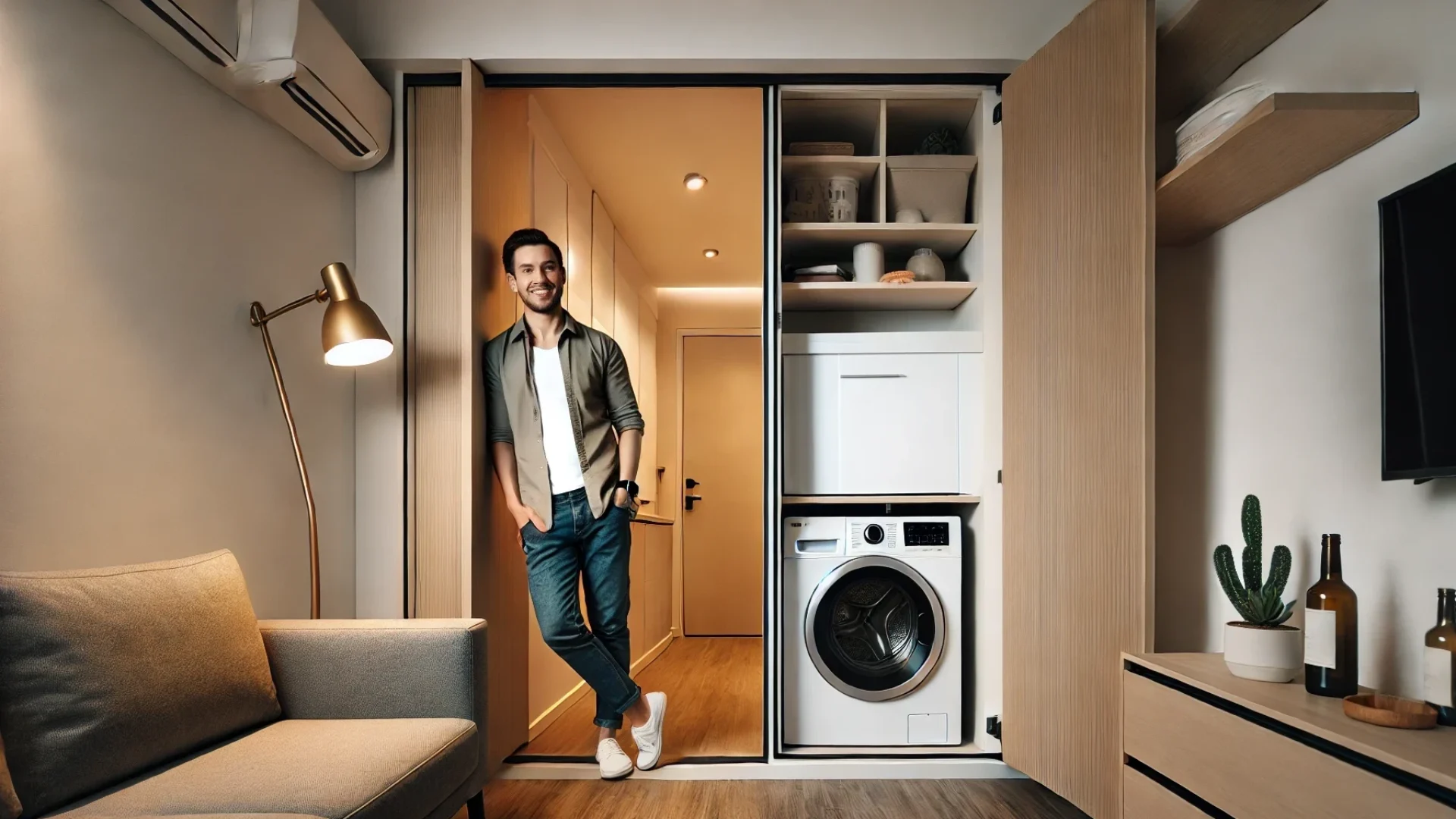
You do not need extra room for a separate dryer. This is perfect for small apartments or tight laundry spaces.
- Single appliance for washing and drying
- Reduces the need for extra space
- Fits under counters or in closets
- Eliminates the need for venting a separate dryer
Washing Cycle Process
A washer and dryer in one combines two appliances into a single unit. It saves space and handles washing and drying clothes. The washing cycle is the first part of this process.
The washing cycle cleans clothes by using water, detergent, and movement. It has several important stages to remove dirt and stains.
Water Intake And Agitation
The washing cycle starts by filling the drum with water. The machine controls how much water to use based on the load size. Water mixes with the detergent to help clean clothes.
Once the water enters, the drum moves back and forth. This movement is called agitation. It helps loosen dirt from the fabric.
- The machine fills water to the right level
- The drum moves clothes gently
- Agitation helps remove dirt
Detergent Dispersion
The machine releases detergent into the water. Detergent breaks down oils and stains on clothes. It spreads evenly through the water for the best cleaning.
Some models use special compartments to add detergent at the right time. This ensures clothes get the proper amount of soap during washing.
- Detergent mixes with water
- It breaks down stains and oils
- Special compartments control detergent release
Rinsing And Spinning
After washing, the machine drains the dirty water. It then fills with clean water to rinse clothes. Rinsing removes leftover detergent.
Next, the machine spins the drum fast. This spinning removes water from clothes. It helps them dry quicker in the next drying cycle.
- Drains dirty water after washing
- Rinses clothes with clean water
- Spins drum to remove excess water
Drying Cycle Process
A washer and dryer in one machine uses a special drying cycle to remove water from clothes. This process works differently than a regular dryer. It combines washing and drying in one unit.
The drying cycle has three main parts: heat generation, air circulation, and moisture extraction. Each part helps to dry clothes efficiently inside the same machine.
Heat Generation
The drying cycle starts by creating heat inside the machine. A heating element warms up the air. This warm air helps evaporate water from the wet clothes. The temperature is controlled to avoid damage.
Air Circulation
Warm air moves around the clothes by a built-in fan. This air picks up moisture from the fabric. The machine keeps the air flowing to speed up drying. Good air flow also prevents clothes from overheating.
- Fan pushes warm air through clothes
- Air absorbs moisture from wet fabric
- Moist air moves out of the drum
- Dry air cycles back to heat again
Moisture Extraction
The machine removes moisture by collecting water from the air. Some models use a condenser or heat pump to turn steam into water. The collected water goes to a drain or a tank. This step keeps clothes dry and ready to wear.
| Method | How It Works | Where Water Goes |
| Condenser | Air cools and water drops out | Drain or water tank |
| Heat Pump | Air is cooled and reheated efficiently | Collected in a container |
Credit: blog.bestbuy.ca
Technology Behind The Combo
A washer and dryer in one saves space by combining two machines into a single unit. This design uses smart technology to wash and dry clothes efficiently. The technology inside helps control water, heat, and time for each cycle.
These machines use advanced sensors and customizable settings. They adjust to the load size and fabric type. This helps clean clothes well while using less energy and water.
Sensor Controls
Sensors detect how wet or dry the clothes are during the cycle. They measure moisture levels and temperature inside the drum. These controls stop the machine when clothes are dry to avoid damage.
- Moisture sensors prevent over-drying
- Temperature sensors keep heat safe
- Load sensors adjust water and detergent
Energy Efficiency
The combo washer and dryer use less energy than separate machines. They recycle heat and water during the drying cycle. This reduces electricity and water use, saving money and resources.
| Feature | Benefit |
| Heat recycling | Reduces electricity use |
| Water-saving wash cycles | Uses less water per load |
| Automatic load sensing | Optimizes energy and water |
Cycle Customization
Users can choose cycles based on fabric and soil level. The machine offers settings like quick wash, delicate, and heavy duty. This flexibility ensures clothes get the right care every time.
- Quick cycles for lightly soiled clothes
- Delicate cycles for fragile fabrics
- Heavy-duty cycles for tough stains
- Custom drying times and temperatures
Benefits Of Washer-dryer Combos
A washer and dryer in one machine saves space and simplifies laundry. It washes and dries clothes in a single unit.
This combo is useful for small homes or apartments with limited laundry space. It also reduces the time spent moving clothes.
Space And Time Saving
Washer-dryer combos take up less space than two separate machines. This fits well in small rooms or closets.
The combo lets you wash and dry clothes without moving them. This saves time and effort during laundry days.
Convenience
You can set the combo to wash and dry clothes automatically. It works without needing you to switch machines.
This machine is good for busy people who want simple laundry tasks. It also reduces the risk of forgetting to dry clothes.
Cost Considerations
Buying one combo machine can cost less than two separate machines. It also uses less energy overall.
Repairs and maintenance may be easier with one machine. This can save money over time compared to two units.
Common Challenges And Solutions
A washer and dryer in one machine is convenient. It saves space and time. But, it has common challenges. Understanding these helps you use the machine better.
These machines combine washing and drying. They may have longer drying times and need regular maintenance. Here are some solutions to common issues.
Longer Drying Times
These machines often take longer to dry clothes. This is because they use condensation drying. It takes more time than traditional methods.
You can solve this by loading fewer clothes. Less clothes allow better airflow. Also, shake clothes after washing to remove excess water.
- Load fewer clothes for better airflow
- Shake clothes after washing to reduce moisture
- Use higher spin settings to remove more water
Maintenance Tips
Regular maintenance keeps your machine working well. Clean the lint filter after every cycle. Check the hoses for any leaks or blockages.
Descale the machine every few months. This removes mineral buildup. Keeping the drum clean helps prevent odors and keeps clothes fresh.
- Clean lint filter after each cycle
- Check hoses for leaks
- Descale every few months
- Keep drum clean to prevent odors
Troubleshooting
If the machine stops working, check the power supply. Ensure it is plugged in properly. Reset the machine by turning it off for a few minutes.
If clothes are still wet, check the filter and hoses. They may be blocked. Clear any blockages to improve drying efficiency.
- Check power supply if machine stops
- Reset machine by turning it off briefly
- Clear filter and hoses for better drying
Choosing The Right Model
When selecting a washer and dryer in one, consider your needs. The right model saves space and time. It also fits your lifestyle.
Think about what you need in terms of capacity, features, and budget. These factors help you make the best choice.
Capacity Needs
Capacity is important for families with more laundry. A larger drum handles more clothes. Singles or couples may need less capacity.
- Consider the number of laundry loads per week
- Think about bulky items like blankets
- Assess the space available in your home
Feature Preferences
Choose features that make washing easier. Modern models offer various settings. Look for features that suit your laundry habits.
Popular features include:
- Quick wash cycles
- Steam cleaning options
- Energy-saving modes
Budget Factors
Set a budget before shopping. Prices vary by brand and features. Decide what you can afford without overspending.
| Budget Range | Possible Features |
| Low | Basic settings, smaller capacity |
| Medium | Standard features, moderate capacity |
| High | Advanced features, large capacity |
Credit: www.searshomeservices.com
Frequently Asked Questions
How Does A Washer And Dryer In One Save Space?
A washer and dryer in one combines washing and drying in a single unit. It saves space by eliminating the need for separate machines. This is ideal for small homes, apartments, or places with limited laundry areas.
Can A Washer And Dryer In One Handle Large Loads?
Most washer-dryer combos handle moderate loads efficiently. However, very large loads may not dry evenly. Check the unit’s capacity specifications before buying to ensure it meets your laundry needs.
How Long Does A Wash And Dry Cycle Take?
A combined wash and dry cycle usually takes 2 to 3 hours. This is longer than separate machines, but it offers convenience by completing both tasks in one go.
Are Washer And Dryer Combos Energy Efficient?
Yes, modern washer-dryer combos are designed to be energy efficient. They use less water and electricity compared to running separate machines. Look for Energy Star certified models for the best savings.
Conclusion
A washer and dryer in one saves space and time. It washes and dries clothes in the same drum. This means less work and fewer machines. You can wash small loads quickly and easily. It uses water and heat to clean and dry clothes.
Many models have simple controls for easy use. This appliance fits well in small homes or apartments. Choosing the right one depends on your needs and budget. It offers convenience without needing separate machines. Overall, it helps make laundry simpler and faster.