Have you ever wondered how a washer dryer combo can wash and dry your clothes in one simple step? If you’re tired of juggling laundry loads and waiting forever for your clothes to dry, this handy machine could change the way you do laundry.
Understanding how a washer dryer combo works can help you decide if it’s the right fit for your home and lifestyle. Keep reading, and you’ll discover the smart technology behind this time-saving appliance and how it can make your laundry routine easier than ever.
Washer Dryer Combo Basics
A washer dryer combo is a single machine that washes and dries clothes. It saves space by combining two appliances in one.
This appliance is helpful for small homes or apartments with limited room. It works by using different cycles for washing and drying.
Key Components
The main parts of a washer dryer combo include a drum, motor, water inlet, and heating element. The drum holds clothes during washing and drying.
The motor spins the drum, the water inlet fills it, and the heating element dries the clothes after washing.
- Drum: Holds and moves clothes
- Motor: Spins the drum
- Water inlet: Adds water for washing
- Heating element: Dries clothes using heat
- Control panel: Lets you choose cycles
How Washing Works
The washer fills the drum with water and detergent. The motor spins the drum to clean clothes by rubbing them together.
Dirty water drains out after the wash cycle. The washer then rinses clothes with clean water. Finally, it spins the drum fast to remove excess water.
- Fill drum with water and detergent
- Spin drum to clean clothes
- Drain dirty water
- Rinse with clean water
- Spin to remove water
How Drying Works
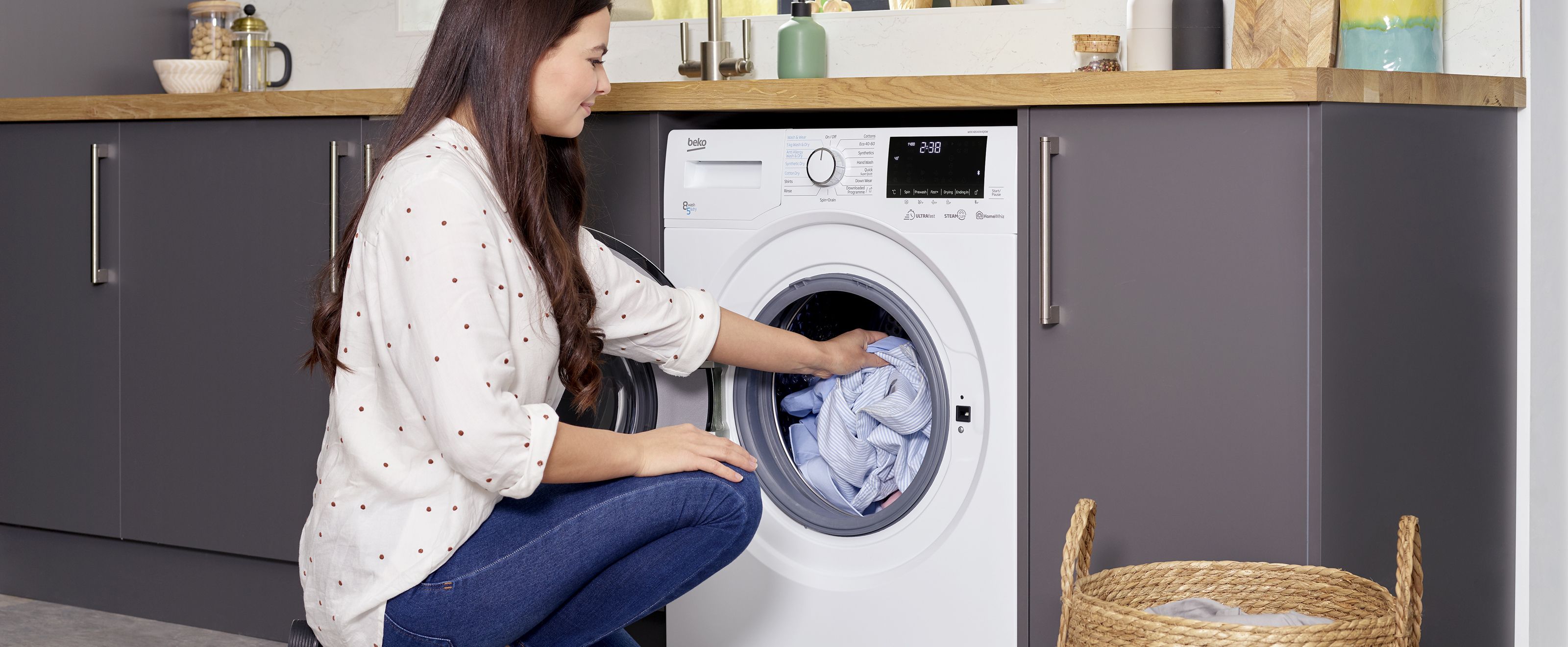
After washing, the machine switches to drying mode. It uses a heating element to warm air inside the drum.
The warm air dries the clothes by evaporating water. A fan moves air through the drum to speed up drying. Water collects in a tank or drains away.
- Heat air inside the drum
- Blow warm air through clothes
- Evaporate water from clothes
- Collect or drain water
- Stop when clothes are dry
Credit: www.beko.co.uk
Types Of Washer Dryer Combos
Washer dryer combos combine washing and drying in one machine. They save space and offer convenience. Different types work in unique ways to dry clothes.
Understanding the types helps you pick the right model for your home and laundry needs.
Vented Models
Vented models dry clothes by blowing hot, moist air outside through a vent. They need a window or wall opening. This type is usually less expensive.
These machines use a heating element to warm air. The air passes through the clothes, absorbing moisture. Then, the humid air exits through the vent.
Condenser Models
Condenser models do not need an external vent. They use a heat exchanger to cool the hot, moist air. Water condenses and collects in a tank or drains away.
- No need for wall or window vents
- Can be placed anywhere with power access
- Usually cost more than vented models
- More flexible installation options
Heat Pump Models
Heat pump models are the most energy-efficient. They recycle heat from the drying air. This reduces power use and protects clothes from heat damage.
| Feature | Heat Pump Models |
| Energy Use | Low |
| Drying Time | Longer than other types |
| Cost | Highest |
| Installation | No vent needed |
Cycle Options And Settings
A washer dryer combo offers many cycle options. These cycles help clean and dry clothes in one machine.
Understanding the cycles helps you choose the right setting for your laundry needs.
Wash Cycles
Wash cycles control how the machine cleans your clothes. Each cycle uses different water levels and speeds.
Common wash cycles include settings for delicate, normal, and heavy fabrics.
- Delicate cycle uses gentle agitation and low spin speed
- Normal cycle offers moderate wash time and spin speed
- Heavy cycle uses longer wash time and stronger agitation
- Quick wash cleans clothes faster with less water
Drying Cycles
Drying cycles control how your clothes dry after washing. The machine uses heat and air flow to remove moisture.
You can select different drying times and temperatures based on fabric type and load size.
- Low heat is safe for delicate fabrics
- Medium heat works for most clothes
- High heat is for heavy fabrics like towels
- Air dry cycle uses no heat and just air flow
Combined Cycles
Combined cycles wash and dry clothes in one continuous process. You don’t need to move clothes between machines.
These cycles save time and effort but may take longer than separate wash or dry cycles.
- Wash and dry normal cycle cleans and dries everyday clothes
- Quick wash and dry cycle is faster for small loads
- Delicate combined cycle uses gentle wash and low heat dry
- Heavy combined cycle uses longer wash and high heat dry
Energy Efficiency Features
Washer dryer combos are popular for their space-saving design. They also focus on energy efficiency. Understanding their features can help save energy.
This guide looks at how these machines use water and power. It also covers eco-friendly technologies that help conserve resources.
Water Usage
Washer dryer combos use less water than traditional machines. They adjust the water level to the size of the load.
- Automatic sensors for water level adjustment
- Recycling system for water reuse
- Optimized wash cycles to reduce water usage
Power Consumption
These machines are designed to use less electricity. They have features that manage power efficiently.
| Feature | Benefit |
| Inverter Motor | Reduces energy use |
| Eco Mode | Less power for small loads |
| Auto Shut-off | Prevents energy waste |
Eco-friendly Technologies
Eco-friendly technologies are key to energy efficiency. They help reduce the environmental impact of laundry.
Some washer dryer combos include heat pump technology. This innovation uses warm air to dry clothes, saving energy.
Installation And Space Saving
Washer dryer combos combine washing and drying in one machine. They save space and fit well in small homes. Proper installation is key for good performance.
Knowing how to place and ventilate your combo will keep it working well. This guide covers key tips for placement, ventilation, and space benefits.
Placement Tips
Place the washer dryer combo on a flat, sturdy surface. Avoid areas with direct sunlight or extreme temperatures. Keep it near water and electrical outlets for easy connection.
- Check the floor is level to prevent vibration
- Allow at least 2 inches of space on sides for air flow
- Keep the machine away from walls to avoid damage
- Use water-resistant flooring if possible
Ventilation Needs
Proper ventilation prevents overheating and moisture build-up. Washer dryer combos need enough air around them to work safely. Some models have ventless drying, but airflow is still important.
| Ventilation Aspect | Recommendation |
| Air space around unit | Leave 2-4 inches clear on all sides |
| Room ventilation | Ensure room has good air flow or an exhaust fan |
| Drainage | Connect to proper drain to remove water safely |
| Electric outlet | Use grounded outlet near the machine |
Space Benefits
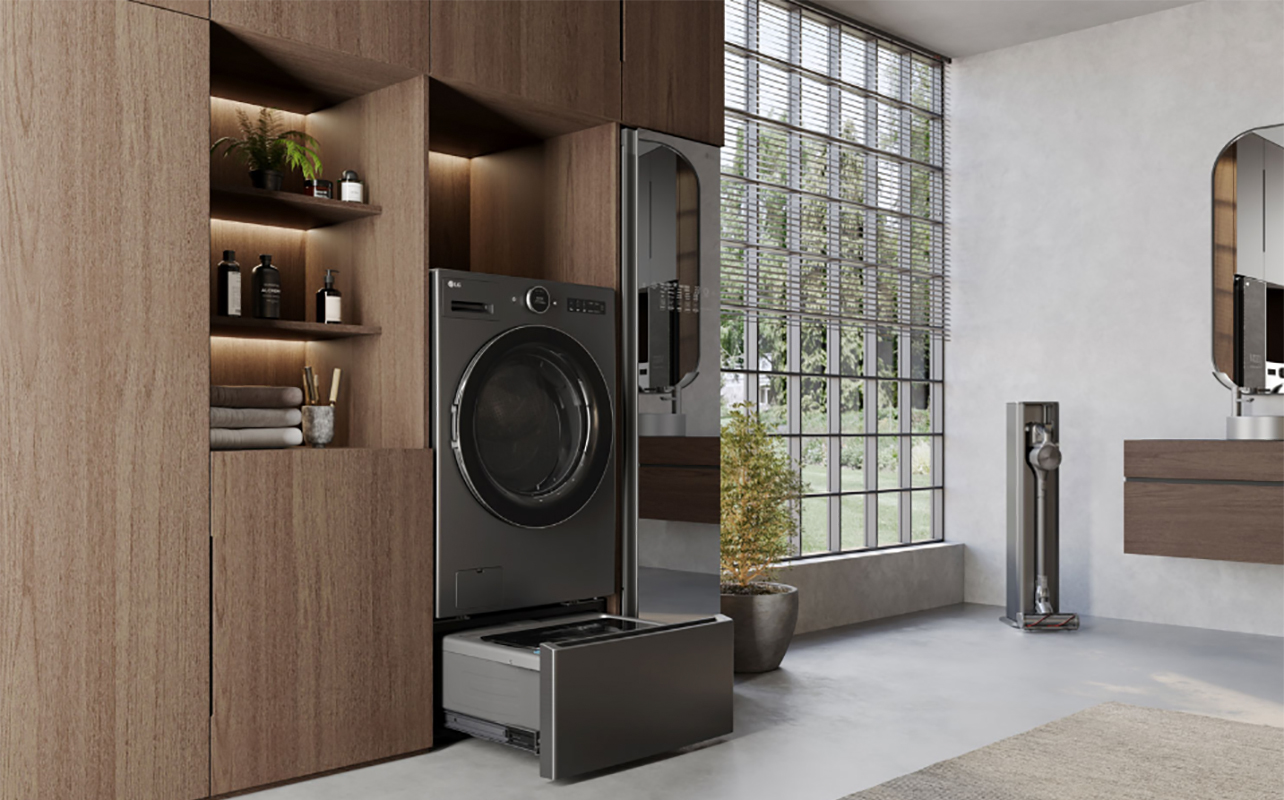
Washer dryer combos save space by combining two functions in one unit. They fit into tight spots like small laundry rooms, apartments, or closets. This reduces clutter and frees up room for other uses.
- Use one machine instead of two
- Fits in small areas such as kitchens or bathrooms
- Eliminates need for a separate dryer vent in many models
- Easy to move or install in different rooms
Credit: blog.bestbuy.ca
Maintenance And Care
Taking good care of your washer dryer combo helps it last longer. Regular maintenance keeps it working well.
Simple cleaning and checks prevent problems and save you time and money.
Cleaning Filters
Filters catch lint and dirt during washing and drying. Dirty filters reduce machine efficiency.
Clean the filters every few weeks to avoid blockages and poor drying results.
- Remove the lint filter and clear out any lint.
- Rinse the filter under running water to remove residue.
- Check the pump filter and clean it if needed.
- Dry the filters fully before placing them back.
Preventing Odors
Odors can build up if moisture stays inside the machine. Keep the washer dryer dry after use.
Leave the door open for a few hours after each cycle to air it out. Use a gentle cleaner to wipe the drum regularly.
- Open the door and detergent drawer after use.
- Wipe the rubber seals and drum with a dry cloth.
- Run a cleaning cycle monthly with machine cleaner or vinegar.
- Remove wet clothes promptly to prevent smells.
Troubleshooting Common Issues
Problems like slow spinning or no drying happen sometimes. Check simple causes before calling a technician.
Regular checks help find small issues early and keep your machine running smoothly.
- Make sure the filters are clean and not blocked.
- Check that the water supply is connected and turned on.
- Don’t overload the machine; follow capacity limits.
- If it won’t drain, check the drain hose for clogs.
- Reset the machine by unplugging it for a few minutes.
Advantages Over Separate Units
A washer dryer combo combines washing and drying in one machine. It offers several benefits over separate units.
These advantages include convenience, cost savings, and space efficiency. Let’s explore each one.
Convenience
A washer dryer combo simplifies laundry chores. You only need to load clothes once.
Set the machine to wash and dry automatically. No need to transfer clothes between units.
- Reduces manual steps
- Saves time and effort
- Ideal for busy lifestyles
Cost Savings
A single unit costs less than buying two machines. It reduces upfront costs for homeowners.
Operating one machine also saves on energy bills. It’s more economical in the long run.
- Lower initial investment
- Reduced energy consumption
- Less maintenance needed
Space Efficiency
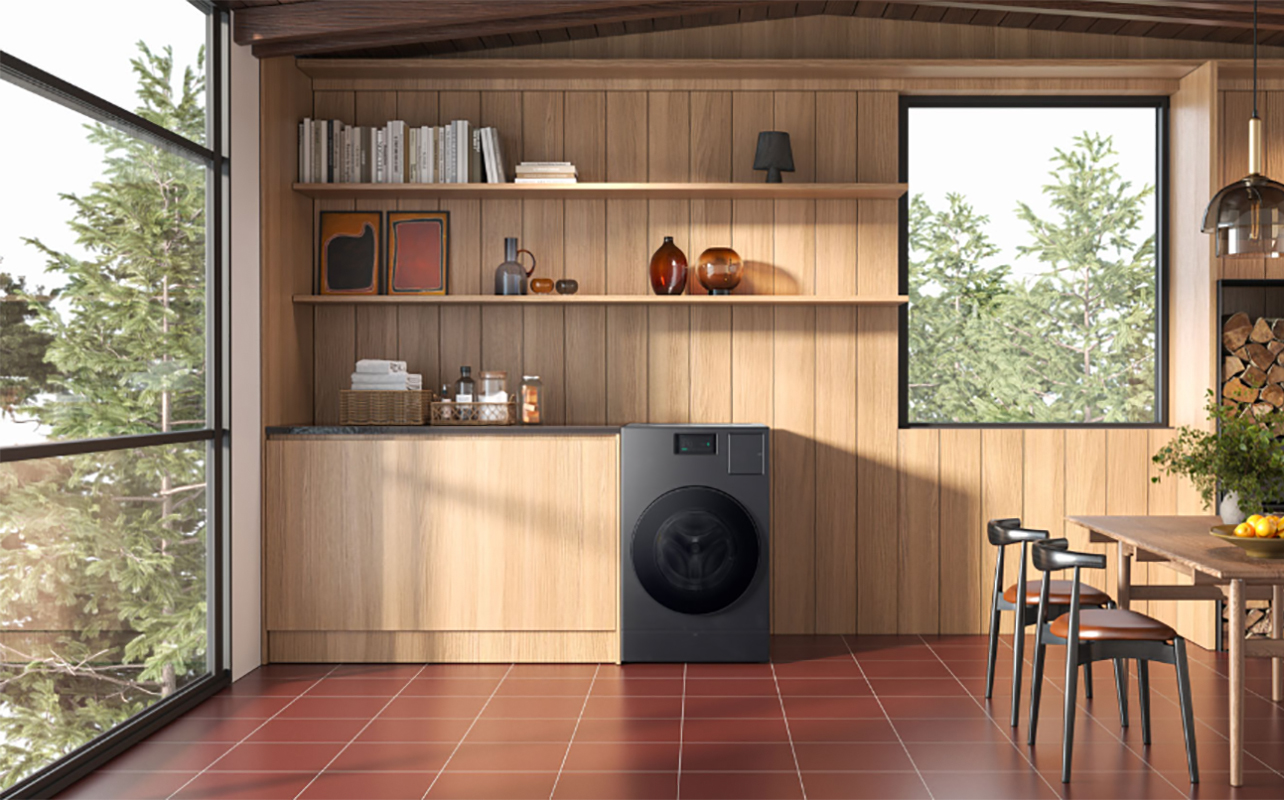
A washer dryer combo is perfect for small spaces. It takes up less room than two separate units.
Small apartments and homes benefit from its compact design. It fits easily into tight laundry areas.
- Maximizes available space
- Ideal for tiny homes
- Integrates well in closets
Credit: blog.bestbuy.ca
Frequently Asked Questions
How Does A Washer Dryer Combo Save Space?
A washer dryer combo combines washing and drying in one unit. It fits small spaces perfectly, ideal for apartments or tight laundry rooms. This saves room without needing separate machines, making laundry more convenient and efficient.
Can Washer Dryer Combos Handle Large Laundry Loads?
Most washer dryer combos have smaller capacities than separate units. They work well for small to medium loads but may struggle with very large or bulky items. Check the model’s capacity to ensure it meets your laundry needs.
How Long Does A Washer Dryer Combo Take To Dry Clothes?
Drying times vary by model and load size but usually range from 60 to 120 minutes. These combos use condenser or ventless drying, which can be slower than traditional dryers but saves space and installation hassle.
Are Washer Dryer Combos Energy Efficient?
Washer dryer combos are generally less energy efficient than separate machines. However, newer models feature improved technology that reduces water and electricity use. Look for Energy Star ratings to find more efficient options.
Conclusion
A washer dryer combo saves space and time in laundry tasks. It washes and dries clothes in one machine. You do not need to move clothes between machines. The combo uses water, heat, and spinning to clean and dry. It suits small homes or apartments well.
Understanding how it works helps you use it better. Regular care keeps the machine running smoothly. Choosing the right settings ensures clean, dry clothes every time. A washer dryer combo offers convenience without much hassle. Simple, efficient, and practical for everyday laundry needs.