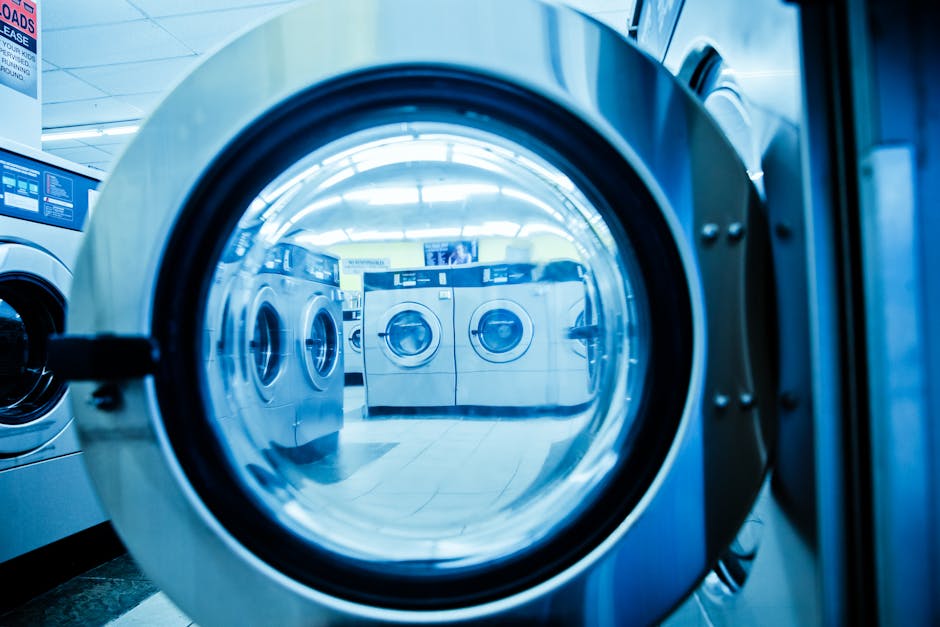
Are you tired of juggling between a washer and a dryer, taking up space and wasting time? Imagine having one machine that can handle both washing and drying your clothes seamlessly.
Sounds convenient, right? But how exactly does an all-in-one washer dryer work to make your laundry day simpler? You’ll discover the smart technology behind these machines and why they might be the perfect fit for your home. Keep reading to unlock the secrets of this space-saving appliance and transform the way you do laundry.
All In One Washer Dryer Basics
An all in one washer dryer combines washing and drying clothes in one machine. It saves space and time.
This machine works by washing clothes first and then drying them without moving the load.
Design And Components
The design of an all in one washer dryer includes parts for both washing and drying. It looks like a regular washing machine.
Key components are the drum, motor, water inlet, heating element, and control panel.
- Drum: holds clothes and spins during wash and dry
- Motor: powers the drum to turn
- Water Inlet: lets water enter for washing
- Heating Element: heats air to dry clothes
- Control Panel: allows users to choose settings
Key Features
All in one washer dryers have features that make laundry easier. They include different wash and dry cycles.
- Multiple wash programs for different fabrics
- Automatic drying with temperature control
- Compact size to fit small spaces
- Energy-saving modes to reduce electricity use
- Delay start to run at convenient times
Washing Process Explained
All in one washer dryers combine washing and drying in a single machine. The washing process has clear stages. Each stage plays a key role in cleaning clothes well.
This guide explains how water intake, detergent use, agitation, and drainage work inside the washer dryer.
Water Intake And Detergent Use
The washer dryer first fills the drum with water. The amount of water depends on the load size and the selected program. Detergent is added automatically or manually before the water enters.
- Water enters through valves controlled by sensors
- Detergent mixes with water to create cleaning solution
- Temperature of water adjusts based on fabric and cycle
- Softener or bleach may be added in special compartments
Agitation And Cleaning Mechanism
The drum rotates to move clothes through the water and detergent mix. This motion removes dirt and stains by rubbing fabrics gently.
| Action | Purpose |
|---|---|
| Drum spins forward and backward | Creates friction to loosen dirt |
| Water sprays inside drum | Keeps clothes wet and detergent active |
| Time and speed vary | Match fabric type and soil level |
Drainage And Spin Cycle
After washing, the machine drains dirty water through a pump. Then, it spins the drum at high speed to remove excess water from clothes.
- Drain pump removes used water
- High-speed spin extracts water from fabrics
- Spinning reduces drying time after wash
- Machine prepares for next drying phase
Drying Mechanism Details
All in one washer dryer machines combine washing and drying in one device. The drying part uses heat and airflow to remove water from clothes. Understanding how drying works helps you use the machine better.
The drying process depends on how heat is made and how moisture leaves the clothes. Different machines use different ways to do this.
Heat Generation Methods
Heat helps remove water from clothes by turning it into steam. Washer dryers use several ways to create this heat. Most use electric heating elements inside the drum.
Some machines use a heat pump system. This system is energy efficient. It warms the air gently before blowing it into the drum. Other models rely on traditional electric coils to heat the air quickly.
- Electric heating elements heat the air fast
- Heat pump systems use less energy and work gently
- Hot air dries clothes by evaporating water
Moisture Removal Techniques
Once water turns to steam, the machine must remove it from the drum. There are two main ways to do this: venting the steam outside or condensing it inside the machine.
In vented drying, hot moist air leaves the machine through a vent pipe. In condenser drying, steam cools down on a cold surface and turns back into water. This water collects in a tank or drains away.
- Vented drying pushes moisture outside through a pipe
- Condenser drying collects water inside the machine
- Both methods remove moisture to dry clothes
Ventless Vs Vented Drying
Ventless dryers do not need an external vent. They use condensation to remove moisture. These machines are easy to install in small spaces.
Vented dryers require a vent pipe to release hot air outside. They often dry clothes faster but need a proper vent setup. This setup can be tricky in some homes.
- Ventless dryers save space and are easy to install
- Vented dryers dry clothes faster with outside air flow
- Choose ventless for apartments, vented for faster drying
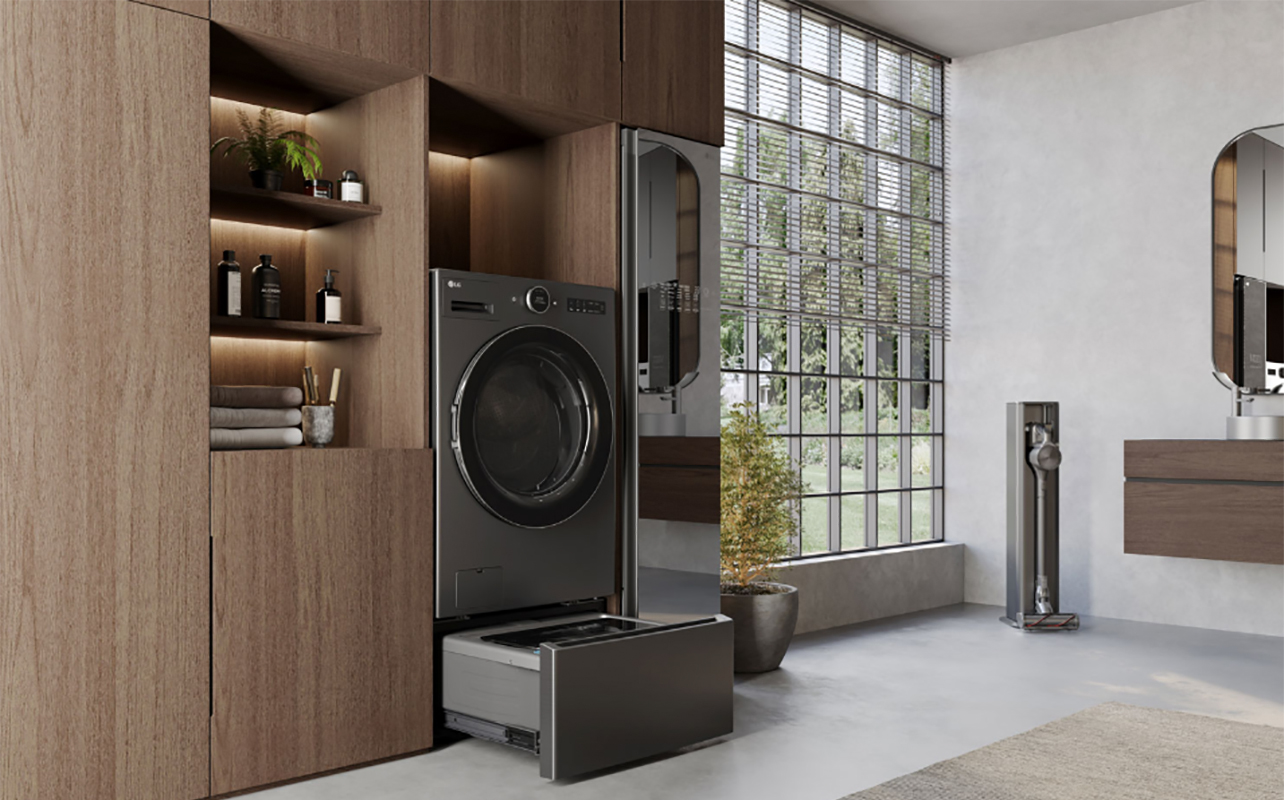
Credit: blog.bestbuy.ca
Control Systems And Settings
All in one washer dryer machines are convenient appliances. They combine washing and drying in one unit. Understanding their control systems is important for efficient use.
These machines come with various settings. Users can customize programs based on their needs. Let’s explore how these settings work.
Program Selection
Program selection is a key feature of washer dryers. It allows users to choose the right cycle for their laundry. This ensures clothes are cleaned and dried properly.
Users can select different programs. Each program is designed for specific fabric types and levels of soil. This helps in protecting clothes from damage.
- Cotton program for heavy fabrics
- Delicate program for fragile items
- Quick wash for lightly soiled clothes
Sensors And Automation
Modern washer dryers use sensors to enhance performance. Sensors detect moisture levels and adjust settings automatically. This ensures clothes are not over-dried.
Automation makes the process easier for users. Machines decide the best settings based on sensor data. This saves time and energy.
| Sensor Type | Function |
| Moisture Sensor | Detects dampness |
| Temperature Sensor | Monitors heat levels |
Energy Efficiency Modes
Energy efficiency is important in modern appliances. Washer dryers have modes to reduce energy use. These modes help in saving electricity and water.
Using energy-efficient settings can lower utility bills. It also helps in reducing environmental impact. Users can enjoy clean clothes without wasting resources.
- Eco mode for low energy consumption
- Cold wash to save on heating
- Short cycles to reduce water usage
Installation And Space Saving
All in one washer dryer machines combine washing and drying in a single unit. This saves space in small homes and apartments.
Installing these machines requires careful planning to fit them well and connect all necessary utilities.
Placement Tips
Choose a flat, strong surface for the machine. It should be close to water and power sources.
Leave enough space around the unit for ventilation and easy access. Avoid tight corners to prevent overheating.
- Place on a stable floor to reduce vibration
- Keep a few inches of space on all sides
- Ensure the area is dry and well-ventilated
- Avoid placing near heat sources or direct sunlight
Plumbing And Electrical Needs
The machine needs a water supply and drainage connection. Use strong hoses to avoid leaks.
It requires a grounded electrical outlet with the right voltage. Check the machine’s manual for exact power needs.
- Connect to cold water supply with a hose
- Use a drain pipe or standpipe for water outflow
- Plug into a grounded outlet only
- Avoid using extension cords or adapters
- Check local codes for installation rules
Maintenance And Troubleshooting
All in one washer dryers are convenient machines. They wash and dry clothes in one cycle. Like any appliance, they need care to work well.
Regular maintenance can prevent problems. Troubleshooting helps fix issues quickly. Let’s explore how to keep your machine in top shape.
Routine Care
Routine care keeps your washer dryer running smoothly. Clean the lint filter after every use. This prevents clogs and improves drying performance.
Check the water hoses for leaks. Replace them if they are worn out. This avoids water damage and ensures efficient washing.
- Run an empty hot wash with vinegar monthly
- Keep the door slightly open to prevent mold
- Inspect the drum for foreign objects
Common Issues And Fixes
Sometimes, washer dryers may not work properly. Common issues include the machine not starting or clothes not drying completely.
If the machine does not start, check if it is plugged in. Ensure the door is closed tightly. These simple checks solve most problems.
- Check circuit breaker if machine has no power
- Clean the drain pump filter if water does not drain
- Ensure the load is balanced for effective spinning
Advantages And Limitations
All in one washer dryer machines combine washing and drying in a single device. They save space and add convenience for small homes or apartments.
Understanding their benefits and drawbacks can help you decide if they fit your laundry needs.
Benefits Over Separate Units
These machines provide several advantages compared to using separate washer and dryer units.
- Saves space by combining two appliances into one.
- Allows laundry in tight areas without room for two machines.
- Reduces plumbing and electrical hookups needed.
- Convenient for small loads or quick washing and drying cycles.
- Can be more energy efficient for small households.
Potential Drawbacks
All in one washer dryer units also come with some limitations to consider.
| Limitation | Explanation |
| Longer drying time | Drying cycles usually take more time than standalone dryers. |
| Smaller drying capacity | The drying space is often less than the washing drum size. |
| Higher cost | Initial price can be higher than separate basic units. |
| Maintenance complexity | Repairs may be more difficult due to combined functions. |
| Energy use | Some models use more energy for drying compared to modern dryers. |
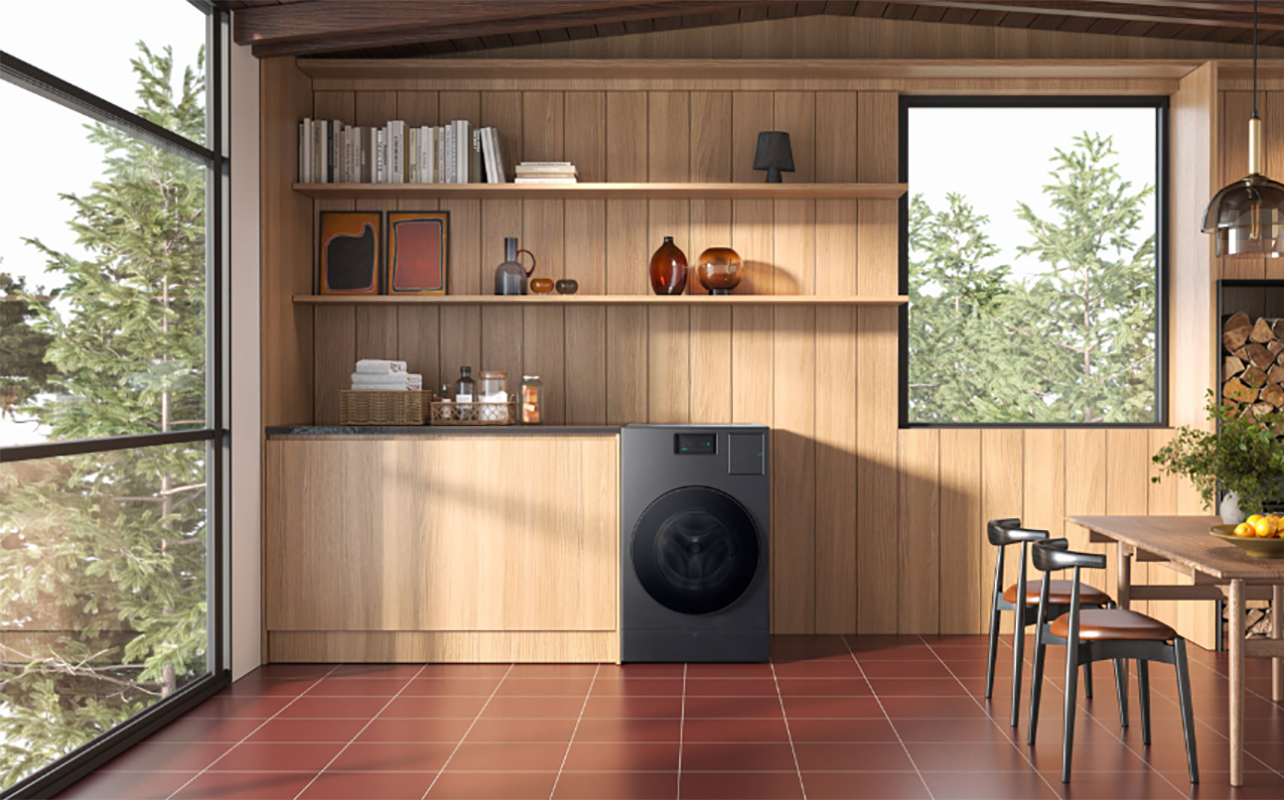
Credit: blog.bestbuy.ca
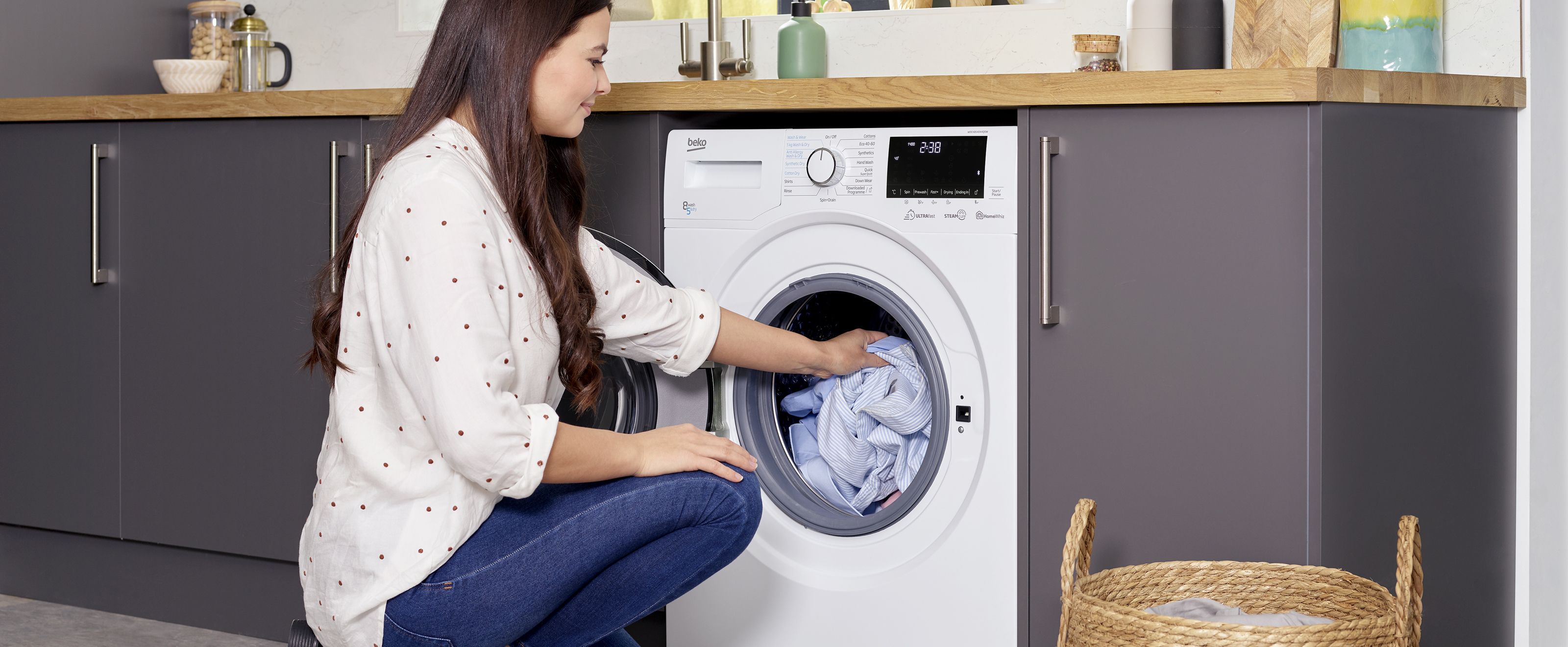
Credit: www.beko.ie
Frequently Asked Questions
How Does An All In One Washer Dryer Function?
An all in one washer dryer combines washing and drying in one machine. It washes clothes with water and detergent, then spins to remove excess water. Next, it heats air to dry clothes inside the same drum, saving space and time.
Can All In One Washer Dryers Save Space?
Yes, all in one washer dryers save space by combining two appliances into one. This is ideal for small homes or apartments where space is limited. It eliminates the need for separate washing and drying machines, maximizing floor area.
Are All In One Washer Dryers Energy Efficient?
All in one washer dryers can be energy efficient but vary by model. Many use advanced technology to optimize water and power use. Choosing an Energy Star-rated model ensures lower electricity and water consumption, reducing utility bills.
How Long Does A Wash And Dry Cycle Take?
A full wash and dry cycle typically takes between 2 to 4 hours. Wash time is similar to regular machines, but drying adds extra time. Cycle length depends on fabric type, load size, and drying settings.
Conclusion
An all-in-one washer dryer saves space and time. It cleans and dries clothes in one machine. You just load your laundry once. The machine uses different cycles for washing and drying. It’s easy to use and fits small homes well.
Maintenance is simple if you follow the guide. This appliance suits people with limited space. It helps keep your clothes fresh and dry fast. Choosing the right model matters for best results. Overall, it offers a practical laundry solution at home.