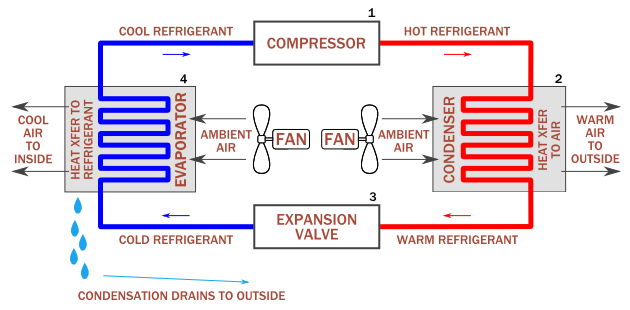
Have you ever wondered what makes your air conditioner cool the air so effectively? The secret lies in a crucial part called the condenser.
Understanding how an air conditioner condenser works can help you appreciate how your cooling system keeps your home comfortable, especially during hot days. You’ll discover the simple yet fascinating process behind this component. By the end, you’ll know exactly how your AC’s condenser plays a key role in turning warm air into refreshing coolness—making your home a perfect escape from the heat.
Keep reading to unlock the mystery behind your air conditioner’s cooling power!
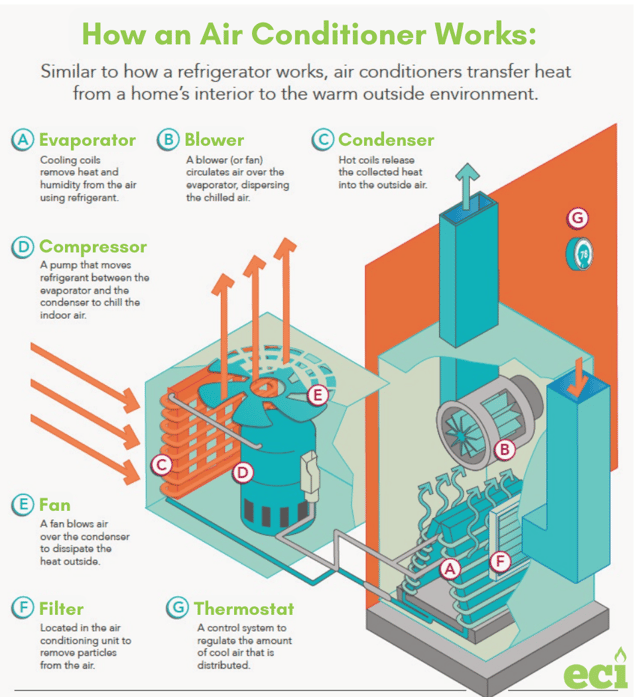
Credit: www.ecicomfort.com
Air Conditioner Condenser Basics
The core functionof the condenser is to release heatfrom the refrigerant. It changes hot gas from the compressor into a cooler liquid. This helps the air conditioner cool the air inside your home.
Key components of the condenser include:
- Coils:Carry the refrigerant and help cool it down.
- Fan:Blows air over the coils to remove heat.
- Compressor:Sends hot gas into the condenser.
The condenser plays a big rolein the cooling cycle. It takes hot gas and cools it so it can absorb heat from inside your home again. This cycle keeps repeating to maintain cool air.

Credit: www.aljazeera.com
Heat Exchange Process
The refrigerantflows through the condenser as a hot gas. It releases heat and turns into a cooler liquid.
This change happens because the condenser cools the gas by air passing over its coils. The heat moves from the refrigerant to the outside air.
The heat release happens through metal coils. These coils help the refrigerant lose heat fast.
Good airflow is key. It carries heat away and keeps the condenser cool. Fans often blow air across the coils to help.
Better airflow means higher cooling efficiency. It helps the air conditioner work well and saves energy.
Types Of Condensers
Air-cooled condensersuse air to cool refrigerant. A fan blows air over metal fins. This helps heat move from refrigerant to air. They are common in homes and small buildings. Easy to install and maintain.
Water-cooled condensersuse water to cool refrigerant. Water flows through tubes inside the condenser. Heat moves from refrigerant to water. These need a water supply and a cooling tower. Often found in large buildings and factories.
Evaporative condenserscombine air and water cooling. Water sprays over coils while a fan blows air. Water evaporates, removing heat from refrigerant. They use less water than water-cooled types. Good for places with limited water.
Common Issues And Maintenance
Signs of condenser problemsinclude less cooling power, strange noises, and warm air blowing out. The unit may also run longer than usual or trip the circuit breaker. Watch for leaks or visible damageon the condenser coil. These signs show the condenser needs attention.
- Keep the condenser clean.Remove leaves and dirt around it.
- Clear debris from coils.Use a soft brush or hose gently.
- Check fins for damage.Straighten bent fins carefully.
- Make sure the area is dry.Moisture can cause rust.
- Schedule regular professional checks.They can spot issues early.
Replace the condenserif cooling drops greatly or repairs cost more than a new unit. Also, replace if the compressor fails or refrigerant leaks badly. Old condensers over 10-15 years often work poorly and waste energy.
Energy Efficiency And Performance
Improving condenser efficiencyhelps reduce energy use. Cleaning the condenser coils regularly keeps them free from dirt. This allows better heat transfer and improves performance. Using a fan with proper speedhelps move air efficiently over the coils. Installing the condenser in a shaded arealowers the temperature around it, helping it work better. Proper maintenance, like checking refrigerant levels, also keeps the condenser working well.
Impact on overall AC performanceis significant. A well-functioning condenser means the AC cools faster and uses less power. It prevents the system from overworking, which extends its life. Poor condenser efficiency causes the AC to run longer and wear out faster.
Energy-saving technologiesinclude variable-speed fans and smart thermostats. These adjust the cooling based on need, saving electricity. Some condensers use better materials that cool more effectively. Energy-efficient models reduce bills and help the environment.
Innovations In Condenser Design
Advanced materialsin condensers improve heat transfer and durability. Metals like aluminum and copper are common for better cooling. New coatings protect parts from rust and dirt. These materials help condensers last longer and work faster.
Smart cooling systemsuse sensors to control temperature and fan speed. They save energy by running only when needed. Some systems connect to smartphones for easy control. This technology makes air conditioners more efficient and user-friendly.
Future trendsinclude eco-friendly refrigerants and better designs. Scientists work on smaller, quieter, and more powerful condensers. These changes aim to reduce energy use and help the environment.

Credit: www.searshomeservices.com
Frequently Asked Questions
What Is The Function Of An Ac Condenser?
An AC condenser releases heat absorbed from your home to the outside air. It plays a crucial role in the cooling cycle. By condensing refrigerant vapor into liquid, it ensures efficient heat exchange and cooling.
How Does A Condenser Cool Air?
The condenser cools air by transforming refrigerant vapor into liquid. This phase change releases heat from your home to the outside. The cooled liquid refrigerant then circulates back, continuing the cooling cycle.
Why Is My Ac Condenser Not Working?
Your AC condenser might not work due to electrical issues, blockages, or refrigerant leaks. Regular maintenance checks can help identify and resolve these problems. It’s best to consult a professional for accurate diagnosis and repair.
How Often Should You Clean The Ac Condenser?
Clean the AC condenser at least once a year for optimal performance. Regular cleaning prevents debris buildup, ensuring efficient cooling. It also helps prolong the unit’s lifespan and maintains energy efficiency.
Conclusion
The air conditioner condenser plays a key role in cooling your home. It moves heat from inside to outside. This process keeps the air inside fresh and cool. Knowing how it works helps you care for your AC better. Clean and maintain the condenser regularly for best results.
A well-kept condenser saves energy and money. Simple steps can extend your system’s life. Understanding this part makes using your AC easier and smarter.