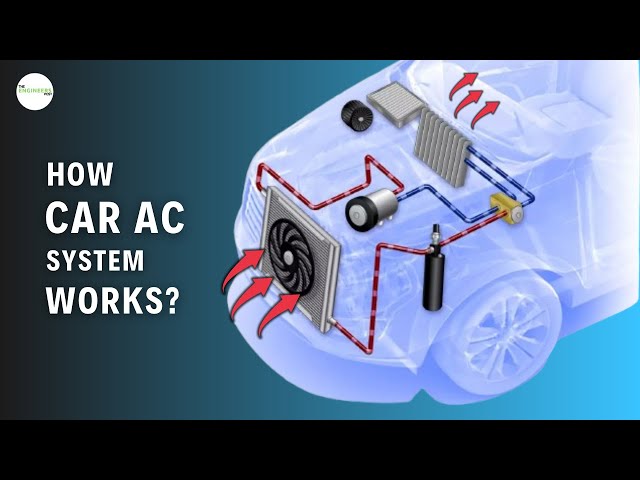
Have you ever wondered what makes your car’s air conditioner cool the air on a hot day? Understanding how an automobile air conditioner works can help you appreciate this amazing system that keeps you comfortable behind the wheel.
Whether you want to know why your AC sometimes blows warm air or how to keep it running smoothly, this article will guide you step-by-step. By the end, you’ll see your car’s cooling system in a whole new light—and maybe even save yourself from a sweaty drive this summer.
Let’s dive in and uncover the secrets of your car’s air conditioner!
Credit: carwood.com
Basic Components
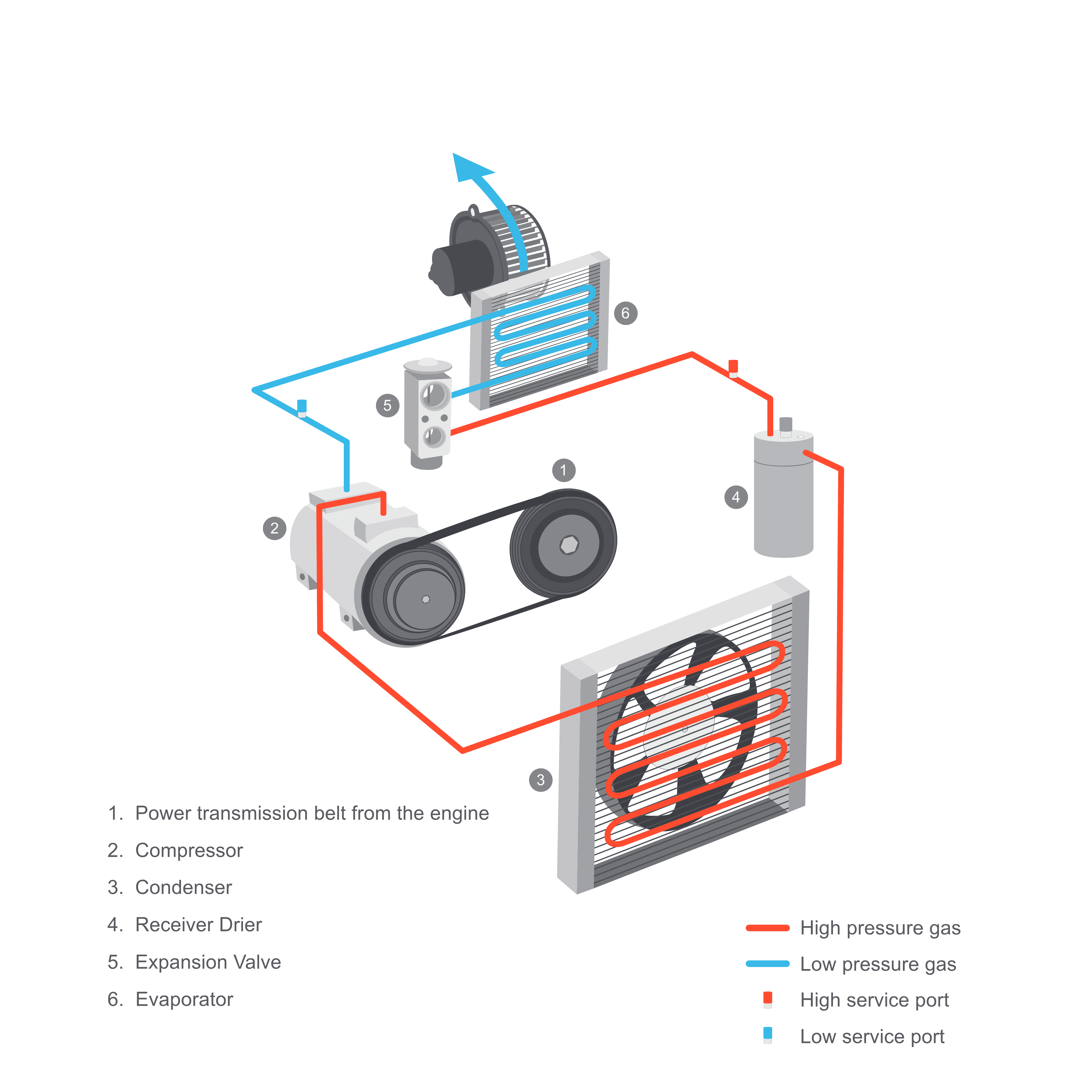
The compressorpushes the refrigerant gas into the system. It raises the pressure and temperature of the gas. This step is key to moving the refrigerant through the air conditioner.
The condensercools the hot gas from the compressor. It changes the gas into a liquid by removing heat. This helps the refrigerant get ready to cool the air inside the car.
The expansion valvecontrols the flow of liquid refrigerant. It lowers the pressure, turning the liquid into a cold mist. This cold mist moves into the evaporator.
The evaporatorabsorbs heat from the car’s air. The cold refrigerant inside it turns back into gas. This cools the air, which is then blown into the car cabin.
Cooling Cycle
The refrigerantmoves through a closed loop in the air conditioner. It starts as a low-pressure gas and flows to the compressor. The compressor squeezes the gas, making it hot and high-pressure. Then, it goes to the condenser, where it cools down and changes to a liquid.
Inside the evaporator, the liquid refrigerant absorbs heat from the air inside the car. This heat makes the refrigerant evaporate, turning it back into gas. As the heat leaves the air, the air becomes cool and is blown inside the car cabin.
The hot gas then moves back to the compressor to start again. Meanwhile, the condenser releases heat to the outside air. This process keeps repeating to keep the car cool and comfortable.
Refrigerant Types
Automobile air conditioners use different types of refrigerants. These fluids absorb and release heat to cool the air inside the car. The most common refrigerants are:
- R-134a: Used in many cars for years. It is effective but has a high global warming potential.
- R-1234yf: Newer and more eco-friendly. It breaks down faster in the atmosphere.
- R-12: Older type, now mostly banned due to harming the ozone layer.
Refrigerants have a big environmental impact. Some can cause ozone layer damageor contribute to global warming. Newer refrigerants aim to reduce these effects. Choosing the right refrigerant helps protect the planet.
System Controls
The thermostatsenses the car’s inside temperature. It tells the air conditioner when to start or stop cooling. This keeps the car at a set, comfortable temperature.
Pressure switchesprotect the system from damage. They check the pressure of the refrigerant. If pressure is too high or low, these switches turn off the compressor to avoid problems.
The blower fanmoves cool air into the car. It works at different speeds. The fan pushes air through the evaporator and into the cabin. This spreads the cold air evenly.
Common Issues
Leaksin the air conditioning system reduce cooling power. Tiny holes in hoses or connections cause refrigerant loss. This makes the air conditioner less effective and can damage parts.
Compressor failuresstop the system from working. The compressor pumps refrigerant through the system. If it breaks, the air won’t cool properly. Signs include strange noises and weak airflow.
Clogged condensersblock heat transfer. Dirt, bugs, and debris gather on the condenser’s fins. This causes poor cooling and higher pressure in the system. Cleaning the condenser helps keep air cool and fresh.

Credit: www.youtube.com
Maintenance Tips
Regular inspections help keep the air conditioner working well. Check for leaks or damage in the system. Look at hoses and belts for wear and tear. Clean dirt and debris from the condenser coil to improve cooling. Keep an eye on the compressor for any strange noises or issues.
Refrigerant recharge is important when cooling gets weak. Low refrigerant means the system cannot cool properly. Use the right type and amount of refrigerant. Too much or too little causes problems and can harm the system.
Filter replacement keeps air clean and airflow strong. Dirty filters block air and reduce cooling power. Change the cabin air filter every 12,000 to 15,000 miles or as needed. This helps the air conditioner work better and keeps the air fresh inside the car.

Credit: www.youtube.com
Frequently Asked Questions
How Does An Automobile Ac System Work?
An automobile AC works by removing heat and moisture from the air inside the car. It uses a refrigerant that cycles through the compressor, condenser, and evaporator. This process cools the air, which is then circulated into the cabin, providing a comfortable environment for passengers.
What Is The Role Of The Compressor In Ac?
The compressor compresses the refrigerant, turning it into a high-pressure gas. This gas then moves to the condenser, where it cools down and turns into a liquid. The compressor is essential for the cooling cycle, as it initiates the refrigeration process.
Why Is Refrigerant Important In Car Ac?
Refrigerant is crucial because it absorbs and releases heat, enabling the cooling process. It changes states from liquid to gas and back, facilitating heat exchange. Without refrigerant, the AC system cannot remove heat from the car’s interior, making it ineffective.
How Does The Condenser Cool The Refrigerant?
The condenser cools the refrigerant by dissipating heat into the outside air. It converts the high-pressure gas into a liquid. As air passes over the condenser coils, it draws away heat, allowing the refrigerant to cool down effectively before entering the evaporator.
Conclusion
An automobile air conditioner cools the car by moving heat outside. It uses a refrigerant that changes from gas to liquid. The compressor pushes the refrigerant through coils, absorbing heat inside the car. Fans then blow cool air through the vents.
This system helps keep passengers comfortable during hot weather. Understanding how it works can help you maintain it better. Regular care ensures the air conditioner runs smoothly and lasts longer. Stay cool and enjoy every ride with a well-functioning AC system.
Simple, effective, and essential for comfort.