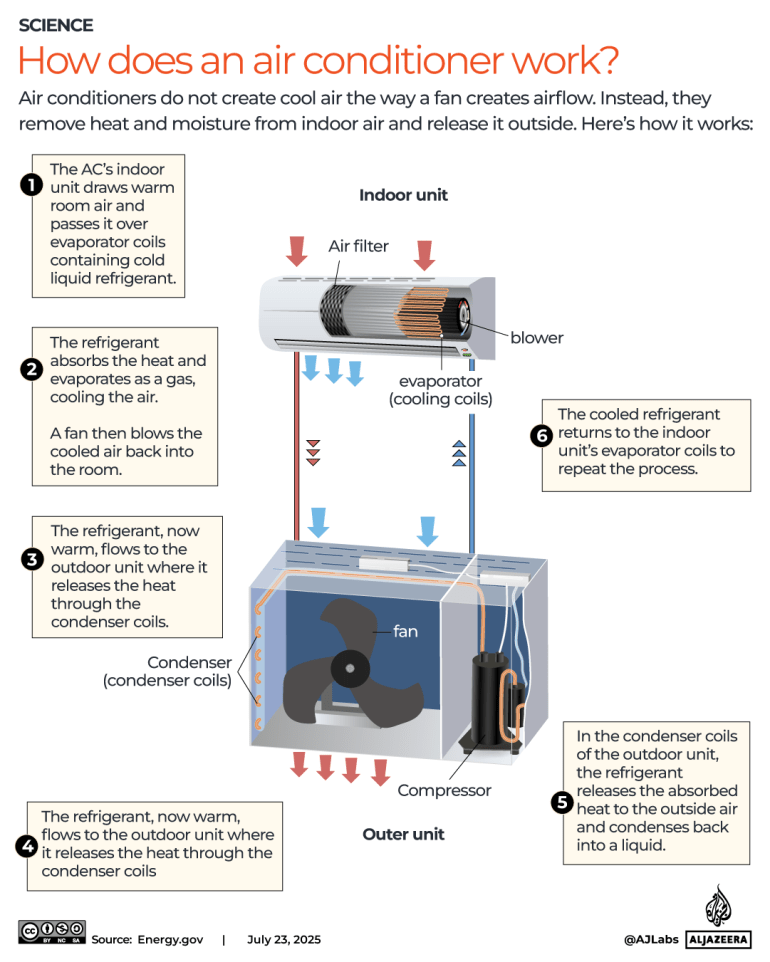
Have you ever wondered why some air conditioners cool your room quickly but leave your electricity bill high, while others seem to save energy without sacrificing comfort? The secret often lies in the technology inside—specifically, inverter air conditioners.
Understanding how an inverter air conditioner works can change the way you think about cooling your home or office. You’ll discover the simple yet powerful mechanism that helps these units save energy and keep your space just right. Keep reading, and you’ll learn how this smart technology can benefit you every time the temperature rises.
Inverter Ac Basics
An inverter air conditioner controls the motor speed to save energy.
It adjusts cooling power smoothly instead of switching on and off.
What Sets Inverter Ac Apart
Inverter ACs use a variable speed compressor. This keeps the temperature steady.
- Consumes less electricity than regular ACs
- Reduces wear and tear on the compressor
- Maintains a constant room temperature
- Operates with less noise
Core Components
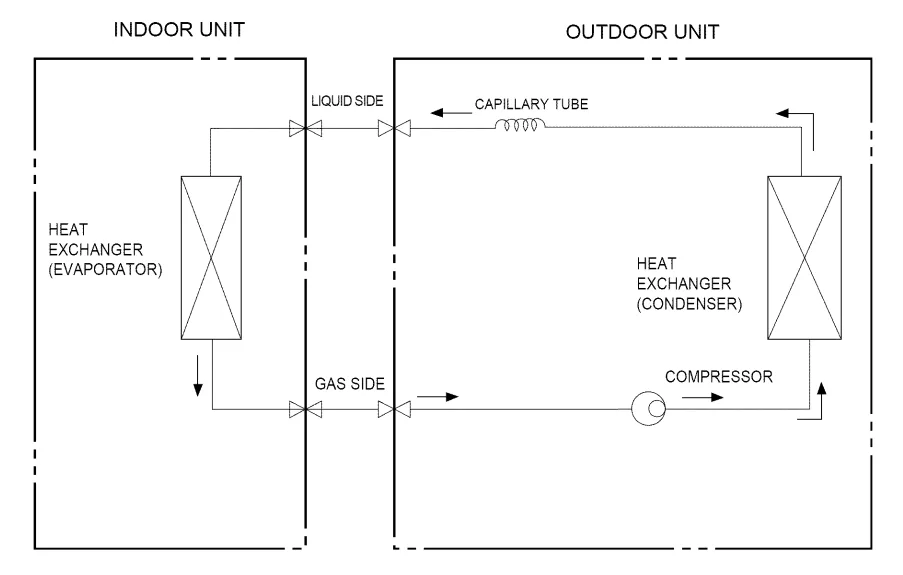
The main parts include the compressor, inverter, sensors, and control panel.
| Component | Function |
| Compressor | Adjusts speed to control cooling |
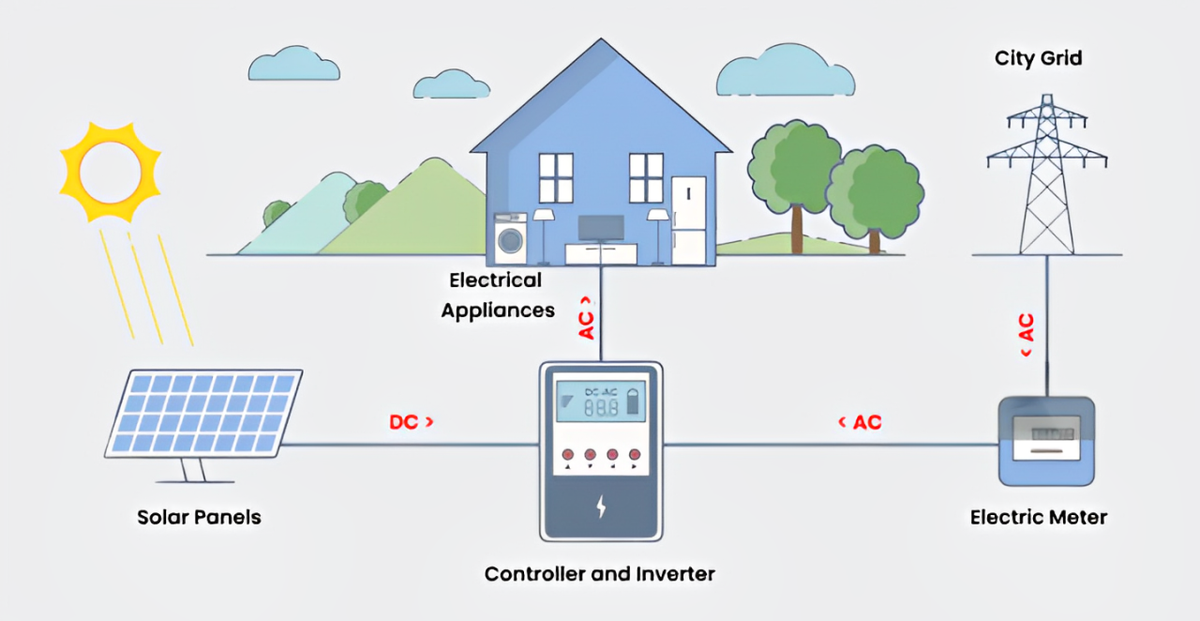
| Inverter | Regulates power supply to the compressor |
| Sensors | Detect room temperature changes |
| Control Panel | Allows user to set desired temperature |
How Inverter Technology Functions
An inverter air conditioner uses advanced technology to control its compressor speed. This helps the unit use less energy and keep your room comfortable.
Unlike traditional air conditioners, inverter models adjust power output smoothly. This means the system runs more efficiently and with less noise.
Variable Speed Compressor
The compressor in an inverter air conditioner changes its speed based on cooling needs. It does not simply turn on or off like regular units.
- The compressor runs faster to cool the room quickly.
- It slows down when the desired temperature is near.
- Slower speeds save electricity and reduce wear on parts.
- This system avoids sudden starts and stops.
Continuous Temperature Control
Inverter air conditioners keep the room temperature steady. They adjust power output continuously to avoid big temperature changes.
| Feature | Traditional AC | Inverter AC |
|---|---|---|
| Temperature Control | On/off cycles cause swings | Continuous adjustment |
| Energy Use | High when starting | Consistent and lower |
| Noise Level | Louder during start | Quieter operation |
Energy Efficiency Benefits
An inverter air conditioner uses a special compressor to save energy. It changes its speed to keep the room cool.
This technology helps use less power than regular air conditioners. It keeps the temperature steady without turning on and off a lot.
Reduced Power Consumption
Inverter air conditioners adjust their compressor speed based on cooling needs. This means they use only the power needed at any time.
Because the compressor does not start and stop often, it uses less energy. This reduces overall power consumption.
- Smooth compressor operation saves energy
- No frequent power spikes when starting
- Maintains temperature without waste
Lower Electricity Bills
Using less power means inverter air conditioners lower your electricity costs. They consume energy more efficiently than traditional units.
Over time, this leads to noticeable savings on monthly electric bills. The steady cooling also avoids sudden high charges.
- Consumes less electricity every hour
- Reduces demand charges from power surges
- Helps manage energy use better at home
Comparison With Conventional Acs
An inverter air conditioner works differently from a conventional AC. It changes its compressor speed to save energy. Conventional ACs turn their compressor on or off at full power.
This difference affects power use and temperature control. Inverter ACs often use less power and keep rooms more stable in temperature.
Startup And Running Power
Conventional ACs use a lot of power when starting. The compressor runs at full speed and then stops when the room cools. This on-off cycle repeats often.
Inverter ACs start with lower power. They adjust the compressor speed to match cooling needs. This reduces energy use during startup and running.
- Conventional ACs use high power at startup.
- Inverter ACs use less power and run smoothly.
- Inverter technology lowers overall electricity bills.
Temperature Stability
Conventional ACs cause temperature swings. The compressor turns on and off to cool the room. This makes the temperature rise and fall repeatedly.
Inverter ACs keep a steady temperature. They change compressor speed to keep the room at the set temperature. This creates more comfort.
- Conventional ACs have uneven room temperatures.
- Inverter ACs maintain stable and consistent cooling.
- Stable temperature helps save energy and improve comfort.
Cost Factors
Inverter air conditioners have unique cost factors compared to traditional models.
Understanding these costs helps you make a better choice for your home.
Initial Investment
The upfront cost of an inverter air conditioner is usually higher.
- More advanced technology increases the price.
- Installation may require a professional technician.
- Higher quality parts add to the initial cost.
- Some models offer extra features that raise the price.
Long-term Savings
Inverter air conditioners use less electricity over time.
| Cost Aspect | Traditional AC | Inverter AC |
| Electricity Usage | High | Low |
| Maintenance | Moderate | Low |
| Lifespan | 10-15 years | 15-20 years |
| Energy Bills | Higher | Lower |

Credit: www.meltonheating.com
Maintenance Tips
Keeping an inverter air conditioner clean helps it run smoothly. Regular care improves air quality and saves energy.
Simple maintenance tasks can extend the life of your air conditioner. Two main areas to focus on are filter cleaning and professional servicing.
Filter Cleaning
Filters catch dust and dirt to keep the air clean. Dirty filters reduce cooling power and increase energy use.
- Turn off the unit before cleaning the filter.
- Remove the filter gently from the indoor unit.
- Use a vacuum cleaner to remove dust.
- Wash the filter with lukewarm water and mild soap if very dirty.
- Let the filter dry completely before reinstalling.
- Clean the filter every two weeks or as needed.
Professional Servicing
Experts check the whole system for problems you might miss. They keep the air conditioner working well and safely.
| Service Task | Purpose | Recommended Frequency |
| Check refrigerant levels | Ensure efficient cooling | Yearly |
| Clean evaporator and condenser coils | Prevent dirt buildup | Yearly |
| Inspect electrical connections | Avoid failures and hazards | Yearly |
| Test thermostat operation | Maintain correct temperature | Yearly |
Choosing The Right Inverter Ac
Inverter air conditioners save energy by adjusting their cooling power. Picking the right inverter AC can make your home comfortable and save money.
It is important to think about the size of your space and the energy use of the unit. These factors help you choose the best AC for your needs.
Capacity Considerations
The capacity of an inverter AC shows how much space it can cool. You need a unit with the right size for your room to get good results.
Too small a capacity will not cool well. Too large will waste energy and cost more. Measure your room before buying.
- Small rooms need 0.75 to 1 ton capacity
- Medium rooms need 1 to 1.5 ton capacity
- Large rooms need 1.5 tons or more
Energy Ratings
Energy ratings show how efficient an inverter AC is. A higher rating means lower electricity use and less cost.
Look for ACs with good star ratings or Energy Efficiency Ratios (EER). These units save money and protect the environment.
- Check the star rating label on the AC
- Compare EER values before buying
- Choose models with inverter technology for best savings
Credit: www.searshomeservices.com
Credit: www.renogy.com
Frequently Asked Questions
How Does An Inverter Air Conditioner Save Energy?
An inverter AC adjusts compressor speed to maintain temperature. It avoids frequent on/off cycles, reducing power use. This leads to significant energy savings compared to traditional ACs.
What Makes Inverter Ac Different From Regular Ac?
Inverter ACs have variable speed compressors, unlike fixed speed in regular ACs. This allows precise temperature control and better energy efficiency.
Can Inverter Air Conditioners Cool Rooms Faster?
Yes, inverter ACs reach desired temperatures faster by running compressors at higher speeds initially. This results in quicker and more consistent cooling.
Are Inverter Air Conditioners Quieter Than Traditional Ones?
Inverter ACs operate at variable speeds, often running slower and quieter than traditional ACs. This reduces noise, providing a more peaceful environment.
Conclusion
Understanding how an inverter air conditioner works helps you make informed choices. This technology adjusts power usage, saving energy and reducing bills. It maintains a consistent temperature, providing comfort year-round. Noise levels are lower, enhancing your peace at home. Investing in an inverter model can be cost-effective in the long run.
It’s a smart choice for both the environment and your wallet. Making the switch could enhance your living experience. Consider this advanced option for your cooling needs. Stay cool and comfortable with efficient air conditioning.