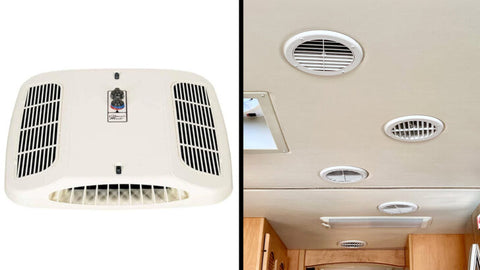
Have you ever wondered how your RV stays cool even on the hottest days? Understanding how an RV air conditioner works can help you keep your space comfortable no matter where you travel.
Whether you’re new to RVing or just curious about the technology behind it, this guide will break down the process in simple terms. By the end, you’ll know exactly what makes your RV air conditioner tick—and how to get the most out of it.
Keep reading to discover the cool secrets behind your RV’s comfort.
Basics Of Rv Air Conditioners
RV air conditioners come in different typesto fit various needs. The most common types are roof-mounted unitsand portable air conditioners. Roof-mounted units are fixed on top of the RV. They cool the entire space efficiently. Portable units can be moved around inside the RV. They are easier to install but may cool less space.
Key components of an RV air conditioner include:
- Compressor:Pumps refrigerant to cool the air.
- Condenser:Releases heat outside the RV.
- Evaporator:Absorbs heat from inside the RV.
- Fan:Circulates cool air inside the RV.
- Thermostat:Controls the temperature.
Cooling Process Explained
The refrigerantis a special fluid that moves inside the RV air conditioner. It absorbs heatfrom the inside air and carries it outside. This fluid changes from liquid to gas and back during the process, helping to cool the air.
The heat exchange mechanismworks by moving warm air from inside the RV over cold coils filled with refrigerant. The warm air loses heat to the refrigerant and becomes cool. Then, the cool air is blown back inside, making the space comfortable.
The compressoris like the heart of the system. It pumps the refrigerant through the coils and changes it from gas back to liquid. This step helps release the heatoutside, keeping the cycle going smoothly and efficiently.
Power Sources And Energy Use
An RV air conditioner needs a lot of electricityto run. Most use 120 voltsfrom shore power, just like home outlets. This power source is the easiest and most common for running the AC unit.
A batterycan also power the air conditioner, but only for a short time. Batteries drain fast because air conditioners use a lot of energy. They are better for small fans or lights, not the AC itself.
| Power Source | Pros | Cons |
|---|---|---|
| Shore Power (Electric Hookup) | Reliable, continuous power | Needs campground or external power |
| Battery | Portable, no noise | Short runtime, drains quickly |
| Generator | Can run anywhere, good power | Noisy, uses fuel |

Credit: fogattiliving.com
Installation And Placement
Roof-mounted unitssit on top of the RV roof. They save space inside the vehicle. These units need a strong roof to hold their weight. Proper sealing is important to stop leaks. They connect to the RV’s power and cooling system. Installation may require professional help. The unit pulls warm air from inside, cools it, and sends it back. This keeps the RV comfortable in hot weather.
Portable ACs for RVsare small and easy to move. They do not need roof installation. These units plug into the RV’s power outlet. They cool a small area well but use more space inside. Portable ACs require venting through a window or wall. They are good for renters or short trips. Easy to store when not in use.
Maintenance Tips
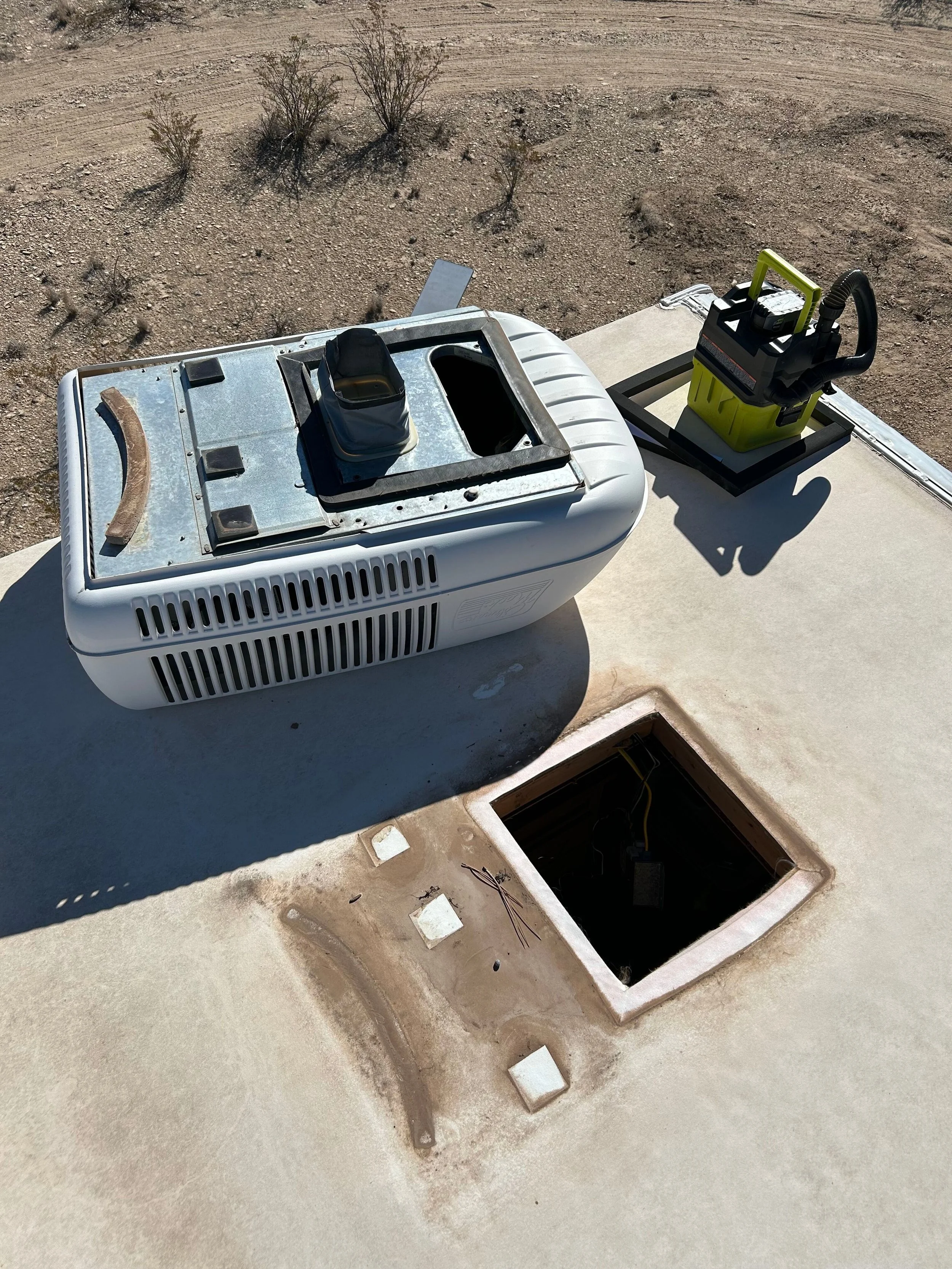
Cleaning the filtersregularly helps your RV air conditioner work well. Dust and dirt block airflow. This makes the unit less cool and uses more power.
The coilsinside the unit also need cleaning. Dirt on coils lowers cooling efficiency. Use a soft brush or vacuum to clean them carefully.
- Remove and wash filters with mild soap and water.
- Let filters dry completely before putting them back.
- Check coils for dust and debris every few weeks.
- Clean coils gently to avoid damage.
Seasonal care means checking the air conditioner before and after summer. Cover it during winter to stop dust and moisture.
Inspect for rustor damage after cold months. Clean and dry the unit well before storing or using again.
Credit: www.odysseyrvservice.com
Troubleshooting Common Issues
Unit Not Coolingcan happen due to dirty filters or blocked vents. Clean or replace the air filter regularly. Check if the thermostat is set to the right temperature. Make sure the unit has power and the fuse is not blown. Sometimes, the refrigerant level might be low, needing professional help.
Unusual Noisesoften mean something is loose or broken inside. Listen for rattling, buzzing, or grinding sounds. Tighten any loose screws or parts. Check the fan blades for damage or debris. If the noise continues, the motor or compressor may need inspection.
Drainage Problemsoccur when the drain line is clogged or blocked. Water can build up inside the unit. Clear the drain line with a small brush or a pipe cleaner. Ensure the unit is tilted properly so water flows out. Regularly check the drain pan for cracks or leaks.
Energy Efficiency And Upgrades
Improving cooling efficiencyin RV air conditioners can save energy and costs. Use clean filters for better airflow. Keep vents and coils free from dust and debris. Park the RV in shaded areas to reduce heat load. Use reflective window covers to block sunlight. Close doors and windows while the AC runs to keep cool air inside.
Smart thermostats and controlshelp maintain a steady temperature. They adjust cooling based on room temperature and time of day. This prevents overcooling and reduces power use. Many smart systems allow remote control via phone apps. Some models learn your schedule to cool only when needed. This makes your RV air conditioner more energy efficientand convenient.

Credit: www.microair.net
Frequently Asked Questions
How Does An Rv Air Conditioner Function?
An RV air conditioner functions by using a refrigerant to absorb heat inside the RV. The system compresses the refrigerant, releasing heat outside. It then cools and recirculates air back into the RV. This process maintains a comfortable indoor temperature.
Regular maintenance ensures optimal performance.
Why Is My Rv Ac Not Cooling Properly?
If your RV AC isn’t cooling, check the filters and clean them. Dirty filters restrict airflow, reducing efficiency. Also, inspect the refrigerant levels; low levels might cause inadequate cooling. Ensure there are no obstructions in the vents. If problems persist, consult a professional for a thorough inspection.
Can I Run My Rv Ac On Battery Power?
Running an RV AC on battery power is challenging due to high energy demands. Standard RV batteries don’t provide enough power for extended use. Consider using a generator or shore power for longer operation. Alternatively, invest in a robust inverter system with sufficient battery capacity for short-term use.
How Often Should I Service My Rv Air Conditioner?
Service your RV air conditioner at least once a year for optimal performance. Regular maintenance includes cleaning filters, checking refrigerant levels, and inspecting electrical connections. Frequent use or harsh conditions may require more frequent servicing. Regular upkeep prevents breakdowns and extends the unit’s lifespan.
Conclusion
An RV air conditioner cools air by moving heat outside. It uses a compressor, condenser, and evaporator to do this. The fan helps spread cool air inside the RV. Knowing how it works helps you use it better. It keeps your RV comfortable on hot days.
Regular care can keep it running well. Now, you understand the basic process behind RV cooling. Simple and effective. Stay cool and enjoy your travels!