Have you ever wondered how your car seems to know exactly when your tire pressure is low? It’s like your vehicle has a secret way of watching over your safety without you even realizing it.
But how does this smart system really work? Understanding how your car detects tire pressure not only keeps you safer on the road but also helps you avoid costly repairs. Keep reading, and you’ll discover the simple technology behind this lifesaving feature—and why paying attention to it can save you time, money, and stress.
Tire Pressure Monitoring Systems
Tire Pressure Monitoring Systems, or TPMS, help drivers keep track of their tire pressure. This system alerts the driver if the pressure in any tire is too low.
Keeping the right tire pressure improves safety and fuel efficiency. There are two main types of TPMS: direct and indirect systems.
Direct Vs Indirect Systems
Direct TPMS uses sensors inside each tire to measure pressure. Indirect TPMS does not measure pressure directly. Instead, it uses the wheel speed sensors to detect pressure changes.
- Direct System:Measures actual tire pressure with sensors.
- Indirect System:Detects pressure by comparing wheel speeds.
- Direct System:Provides exact pressure readings for each tire.
- Indirect System:Works by analyzing the car’s ABS system data.
Key Components
| Component | Function | System Type |
| Pressure Sensor | Measures air pressure inside the tire | Direct |
| Wheel Speed Sensor | Detects wheel rotation speed differences | Indirect |
| TPMS Control Module | Processes data and alerts the driver | Both |
| Valve Stem | Houses the pressure sensor in direct systems | Direct |

Credit: www.youtube.com
How Sensors Detect Pressure
Cars use special sensors to check tire pressure. These sensors help keep driving safe and smooth.
The sensors measure how much air is inside the tires. They send this information to the car’s computer.
Pressure Measurement Techniques
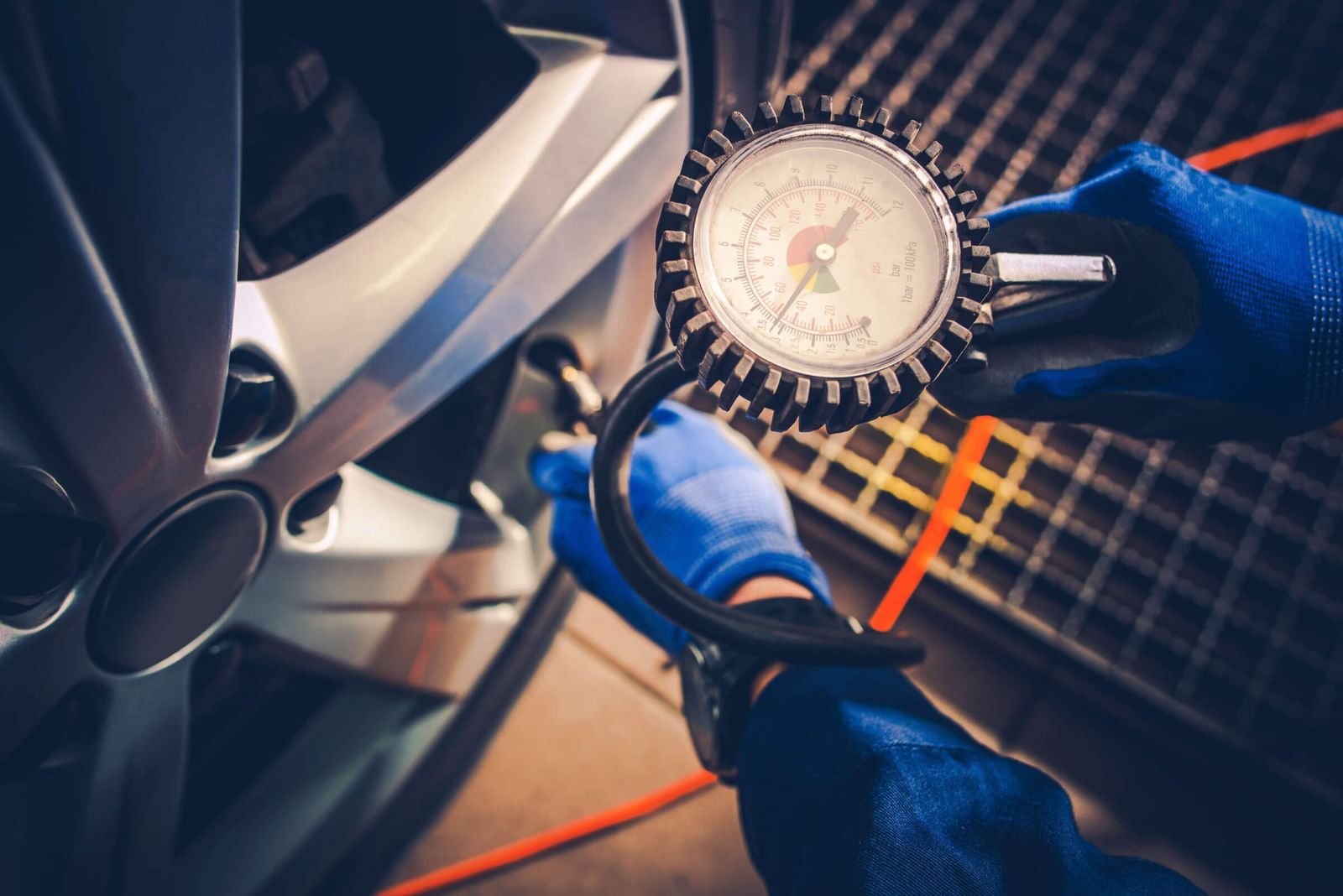
Sensors use different ways to measure tire pressure. The most common way is with a small device inside the tire.
One type is the direct sensor. It measures the air pressure inside the tire. It uses a small gauge or electronic chip.
- Direct sensors measure air pressure inside tires
- They use electronic chips or gauges
- They send real-time data to the car’s system
- Some sensors also check tire temperature
Sensor Placement On Wheels
Sensors can be inside or outside the tire. Most cars have sensors mounted inside the tire on the wheel rim.
The sensor is attached to the valve stem or inside the tire’s inner surface. This position helps it get accurate pressure readings.
- Inside tire, attached to the valve stem
- Mounted on the wheel rim for protection
- Placed to avoid damage from road conditions
- Position helps sensors measure pressure well
Data Transmission To The Car
Cars use sensors inside tires to check air pressure. These sensors send data to the car’s computer. This data helps keep the tires safe and working well.
The way this data moves from the tire to the car is very important. It must be fast and accurate. There are different ways cars send this information wirelessly.
Wireless Communication Methods
Tire pressure sensors use wireless signals to send data. They usually use radio waves to reach the car’s receiver. These signals must pass through the tire and wheel.
- Low Frequency (LF): Works at short range and low speed.
- Ultra High Frequency (UHF): Covers longer distances.
- Bluetooth Low Energy (BLE): Uses less power and connects easily.
- Radio Frequency Identification (RFID): Common in some tire pressure systems.
Signal Processing
The car’s computer receives signals from the tire sensors. It must clean and decode the data. This process is called signal processing.
| Step | Description |
| 1. Signal Reception | The car catches the wireless signal from the sensor. |
| 2. Noise Filtering | Unwanted sounds or interference are removed. |
| 3. Data Decoding | The signal is changed into tire pressure numbers. |
| 4. Warning Trigger | If pressure is low, the car alerts the driver. |

Credit: www.ogracing.com
Interpreting Sensor Data
Cars use sensors inside tires to check air pressure. These sensors send data to the car’s computer.
The car reads this data to know if tire pressure is too low or too high. This helps keep driving safe.
Thresholds And Alerts
The car’s system has set limits for tire pressure. If pressure goes beyond these limits, alerts appear.
These alerts warn the driver to check or fix the tires quickly. This stops damage or accidents.
- Low pressure threshold triggers a warning light
- High pressure may also cause alerts
- Alerts help maintain proper tire safety
Integration With Vehicle Systems
Tire pressure sensors connect with other car systems like the dashboard display. This shows real-time pressure.
The system can also link to stability control and braking systems. This helps the car adjust if tire pressure is wrong.
- Data appears on the driver’s display
- Systems adjust for safety if pressure is low
- Alerts stay until the problem is fixed
Benefits Of Smart Tire Sensors
Smart tire sensors help cars know tire pressure. They offer many benefits to drivers.
These sensors improve safety, save fuel, and make tires last longer. Let’s explore how they work.
Safety Enhancements
Smart tire sensors alert drivers to low tire pressure. This helps prevent accidents caused by under-inflated tires.
- Reduces risk of tire blowouts
- Improves car handling
- Decreases stopping distances
Fuel Efficiency
Proper tire pressure reduces fuel consumption. Smart sensors keep tires at the right pressure for better mileage.
| Tire Pressure | Fuel Efficiency |
| Optimal | High |
| Low | Low |
| High | Medium |
Tire Longevity
Smart sensors help tires wear evenly. This makes them last longer and saves money on replacements.
Credit: www.blackcircles.ca
Common Sensor Issues
Cars use sensors to check tire pressure and keep you safe. Sometimes, these sensors face problems. Knowing these issues helps you fix them quickly.
Two main sensor issues are calibration challenges and battery life problems. These can cause wrong pressure readings or sensor failure.
Calibration Challenges
Calibration means setting sensors to the right pressure levels. If calibration is off, the car shows wrong tire pressure. This can happen after tire changes or rotations.
- Sensors need reset after tire repair or replacement.
- Temperature changes can affect sensor accuracy.
- Incorrect calibration leads to false warnings.
- Some cars require special tools to recalibrate sensors.
Battery Life And Maintenance
| Issue | Effect | Solution |
| Low Battery | Sensor stops sending data | Replace sensor battery |
| Battery Drain | Short sensor life | Regular maintenance checks |
| Battery Corrosion | Sensor failure | Clean contacts or replace sensor |
Future Trends In Tire Pressure Monitoring
Tire pressure monitoring is changing with new technology. Cars will get smarter about checking tire health.
Future systems will improve safety and save fuel by giving more accurate and timely alerts.
Advanced Sensor Technologies
New sensors will be smaller and use less power. They will measure pressure and temperature more precisely.
Some sensors will use wireless signals to send data faster. This helps drivers get updates in real time.
- Improved battery life for longer sensor use
- Higher accuracy in pressure and temperature readings
- Wireless communication for instant alerts
- Durable sensors that resist damage
Integration With Autonomous Vehicles
Self-driving cars need constant tire data to stay safe. Tire pressure systems will connect directly to the car’s computer.
These systems will help autonomous vehicles adjust speed and driving style based on tire condition.
- Real-time tire data for safer driving decisions
- Automatic alerts to maintenance systems
- Better control during emergency situations
- Increased overall vehicle safety
Frequently Asked Questions
How Does A Car Detect Tire Pressure?
A car uses a Tire Pressure Monitoring System (TPMS) with sensors inside each tire. These sensors measure air pressure and send data to the car’s computer. If pressure drops below the recommended level, the system alerts the driver through the dashboard.
What Types Of Tire Pressure Sensors Exist?
There are two main types: direct and indirect TPMS. Direct TPMS uses pressure sensors inside the tires for accurate readings. Indirect TPMS estimates pressure by analyzing wheel speed via ABS sensors, offering a cost-effective but less precise option.
Why Is Tire Pressure Monitoring Important?
Proper tire pressure improves safety, fuel efficiency, and tire lifespan. Monitoring prevents blowouts and uneven wear. A TPMS alerts drivers early, helping maintain optimal pressure for better vehicle performance and reduced risk of accidents caused by under-inflated tires.
How Often Should Tpms Sensors Be Checked?
TPMS sensors should be checked during regular tire maintenance or every 2-3 years. Battery life and sensor accuracy can degrade over time. Routine inspections ensure the system works correctly and prevents false warnings or missed alerts.
Conclusion
Cars use sensors to check tire pressure all the time. These sensors send signals to your dashboard. This helps you know if a tire loses air. Keeping the right pressure is safe and saves fuel. It also helps tires last longer.
Now you understand how your car knows tire pressure. Next time you drive, trust your car’s warning system. It works quietly but keeps you safe on the road. Simple technology, big benefits.