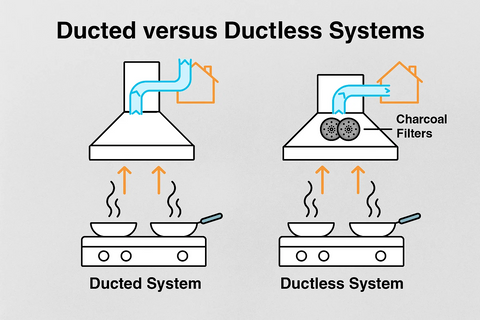
Ever wondered how to keep your kitchen air fresh without the hassle of ductwork? A ductless range hood might just be the perfect solution for you.
Imagine cooking your favorite meals without the lingering odors and smoke. Sounds like a dream, right? But how does this magical device actually work? Understanding the mechanics of a ductless range hood can empower you to make smarter kitchen choices.
This sleek appliance doesn’t just blend into your kitchen decor; it actively purifies the air you breathe while cooking. By the end of this article, you’ll know exactly how it operates, and why it might be the game-changer your kitchen needs. Ready to uncover the secrets behind its efficiency? Let’s dive in!

Credit: www.searshomeservices.com
Basics Of Ductless Range Hoods
Ductless range hoods clean kitchen air without outside vents. They recycle air back into the room after filtering it. These hoods are perfect for kitchens without external ductwork. They remove smoke, odors, and grease using filters.
These systems are easy to install and offer flexibility in kitchen design. Understanding their key parts helps you choose the right model.
Key Components
- Fan:Pulls air through the hood and filters.
- Filters:Trap grease, smoke, and odors.
- Light:Illuminates the cooking area.
- Control Panel:Allows you to adjust fan speed and lights.
- Recirculation system:Pushes filtered air back into the kitchen.
Types Of Filters Used
Ductless range hoods rely on different filters to clean the air. The most common types are:
- Charcoal Filters:Absorb odors and smoke particles. They need regular replacement.
- Grease Filters:Capture grease from cooking fumes. Often made of metal mesh or baffles and are washable.
Both filters work together to improve air quality. Proper maintenance keeps the hood effective and your kitchen fresh.
Air Filtration Process
The air filtration process in a ductless range hood is key to keeping your kitchen air clean without venting outside. It captures smoke, odors, and grease right at the source and recirculates fresh air back into your kitchen. Understanding how this process works helps you maintain your hood efficiently and ensures your cooking space stays comfortable.
How Air Is Drawn In
Your ductless range hood pulls in the air directly from your cooking area using a powerful fan. This fan creates suction that captures steam, smoke, and airborne particles. The closer you place your pots and pans to the hood, the better it captures the cooking fumes.
Think about the last time you cooked bacon—did you notice how quickly the smell spread? A strong fan in the hood pulls that smell in before it fills the entire kitchen.
Role Of Grease Filters
Once the air is drawn in, it passes through grease filters. These filters trap grease droplets and larger particles that come off your food during cooking. Removing grease prevents buildup inside the hood, which can cause unpleasant odors and even fire hazards.
Grease filters are usually made of metal mesh or baffles, which are easy to clean. Regular cleaning keeps your hood working efficiently and prevents clogging. Have you checked your grease filter lately? A dirty filter can reduce airflow and make your hood noisy.
Function Of Carbon Filters
After grease is removed, the air moves through carbon filters to eliminate odors and harmful gases. Carbon filters absorb smoke smells and volatile organic compounds, leaving the air fresher. These filters need replacing every few months depending on your cooking frequency.
Without carbon filters, the ductless hood would just circulate smoky, smelly air back into your kitchen. If you cook a lot of spicy or fish dishes, investing in high-quality carbon filters can make a noticeable difference in air quality.
Installation And Placement
Installing a ductless range hood might seem straightforward, but placement plays a crucial role in how well it performs. Getting the right spot ensures your kitchen stays fresh and smoke-free. Let’s look at where these hoods work best and what space you need to make them effective.
Ideal Locations
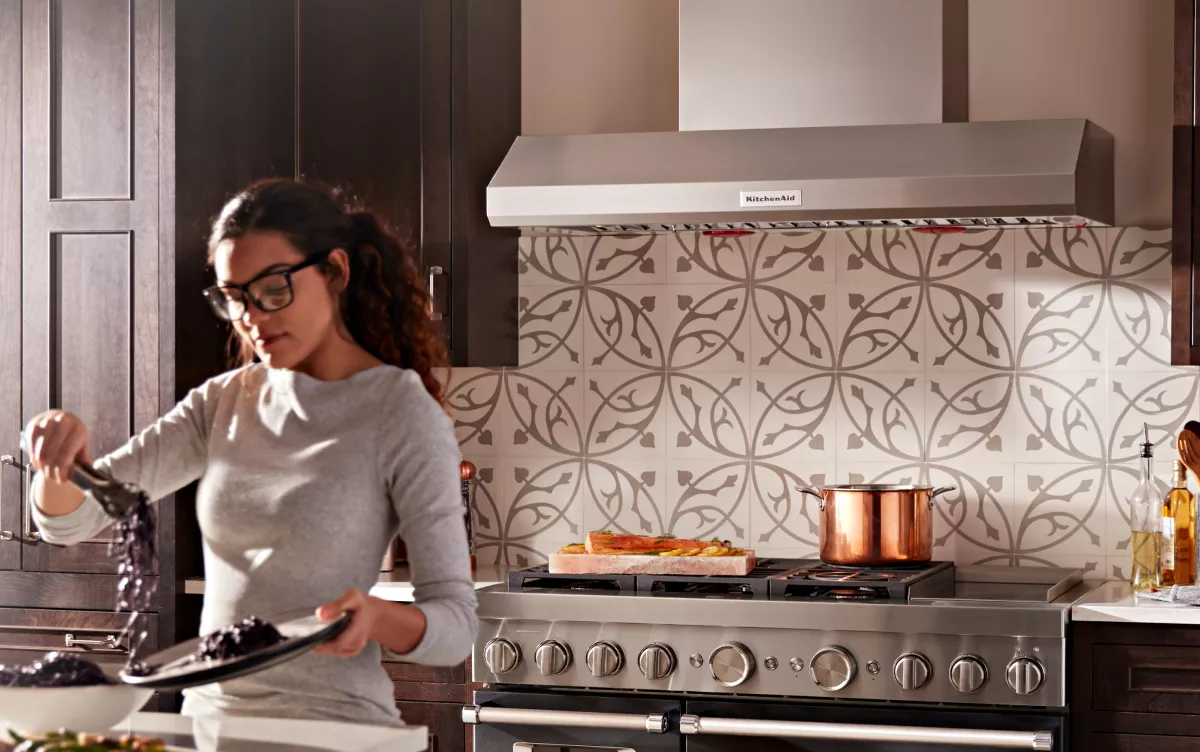
The best place for a ductless range hood is directly above your cooking surface. This positioning allows it to capture smoke, steam, and odors right at the source. If you place it too far, it won’t remove pollutants efficiently.
Many kitchens have an overhead cabinet or wall space above the stove that fits the hood perfectly. If your cooking area is on an island, you can install a ceiling-mounted hood designed for open spaces. Think about how your kitchen layout affects airflow—placing the hood near windows or vents may interfere with its performance.
Have you noticed how some smells linger longer in your kitchen? That often happens when the hood isn’t placed correctly. Positioning it properly can solve this issue instantly.
Space Requirements
Ductless range hoods need enough clearance to work well without crowding your kitchen. Typically, there should be at least 24 to 30 inches between the cooktop and the bottom of the hood. This distance balances capturing fumes and allowing you room to cook comfortably.
Width is another important factor. Your hood should be at least as wide as your cooking area to cover it completely. For example, if your stove is 30 inches wide, the hood should be the same or wider.
Consider your kitchen’s ceiling height and available wall space as well. Installing a hood that’s too big can overwhelm the space, while one too small won’t do the job. Have you measured your cooking area carefully before choosing a hood size?
Credit: www.kitchenaid.com
Maintenance Tips
Maintaining a ductless range hood keeps it running smoothly and extends its life. Regular care prevents buildup of grease and dust. It also ensures the air stays clean and fresh in your kitchen.
Cleaning Filters
Filters catch grease and particles from cooking. Clean them every month for best results. Remove the filters gently from the hood. Soak them in warm, soapy water for 10 to 15 minutes. Use a soft brush to scrub off grease. Rinse well and let them dry fully before reinstalling.
Replacing Filters
Filters wear out over time and lose efficiency. Replace them every 6 to 12 months, depending on use. Check the manufacturer’s guide for exact timing. Buy filters that fit your model perfectly. Installing new filters helps maintain strong airflow and odor removal.
Troubleshooting Common Issues
Sometimes, the hood may not work properly. The fan might be noisy or weak. Lights could flicker or stop working. Check for clogged filters first and clean or replace them. Make sure the power connection is secure. Clean the fan blades carefully to remove grease. If problems persist, consult a professional technician.
Benefits Of Using Ductless Hoods
Ductless range hoods offer several key benefits for modern kitchens. They provide a practical solution for homes without external vents. These hoods help keep the kitchen clean and fresh without complex installation. Their design suits many kitchen layouts and lifestyles. Below are the main advantages of using ductless hoods.
Energy Efficiency
Ductless hoods use less energy than traditional vented hoods. They recycle air through filters instead of exhausting it outside. This process reduces heat loss, saving on heating and cooling costs. The fans in ductless hoods are often smaller and use less power. Overall, they help lower your household energy consumption.
Flexibility In Kitchen Design
Ductless hoods do not need an external vent pipe. This allows more freedom in kitchen layout and design. They can be installed almost anywhere, even in apartments or condos. Their sleek design fits well with various kitchen styles. Homeowners can place them above islands or against walls without structural changes.
Improved Indoor Air Quality
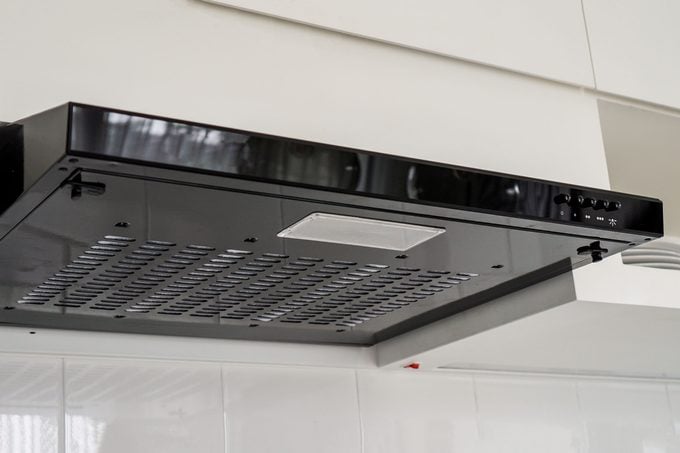
Ductless hoods trap smoke, grease, and odors using special filters. These filters clean the air and reduce harmful particles. Many models include charcoal filters that absorb smells effectively. Regular filter changes keep the kitchen air fresh. This system helps maintain a healthier cooking environment indoors.
Credit: www.familyhandyman.com
Comparing Ductless And Ducted Hoods
Choosing between ductless and ducted range hoods can significantly affect your kitchen’s air quality and overall cooking experience. Understanding the key differences helps you pick the right hood that fits your space, lifestyle, and budget. Let’s break down how these two types compare in performance, installation, and cost.
Performance Differences
Ducted hoods vent air outside, removing smoke, heat, and odors effectively. This means your kitchen stays fresher and cooler, especially during heavy cooking sessions.
Ductless hoods filter air through charcoal or carbon filters before recirculating it back. They work well for light to moderate cooking but may struggle with strong odors or grease buildup over time.
Ask yourself: How often do you cook meals that create a lot of smoke or strong smells? Your answer will guide which hood suits your kitchen better.
Installation Challenges
Ducted hoods require a venting system that leads outside, which can be tricky in apartments or homes without easy access to exterior walls. Installation might involve cutting ducts through walls or ceilings, which demands professional help.
Ductless hoods are simpler to install since they don’t need external venting. You can mount them almost anywhere, making them a favorite for renters or kitchens with limited renovation options.
Think about your kitchen layout and whether you’re ready to tackle the installation process or prefer a plug-and-play option.
Cost Considerations
Ducted hoods typically cost more upfront due to complex installation and the need for ductwork. Over time, they may save money by improving air quality and reducing wear on filters.
Ductless hoods usually have a lower initial price and installation cost. However, you’ll spend more replacing filters regularly to maintain performance.
Would you rather invest more now for long-term efficiency or save upfront and handle ongoing maintenance? Your budget and patience for upkeep will influence this choice.
Choosing The Right Model
Choosing the right ductless range hood model can make a significant difference in your kitchen’s comfort and air quality. It’s not just about picking the most stylish option; the size, noise, and features all impact how well the hood performs daily. Think about your kitchen’s layout and cooking habits before making a decision to ensure you get the best fit for your space.
Sizing For Your Kitchen
The size of your ductless range hood should match the size of your cooking area. A hood that’s too small won’t capture all the smoke and odors, while one that’s too large can look out of place and waste energy. Measure the width of your stove and choose a hood that is at least as wide, if not wider, to maximize effectiveness.
Also, consider the height at which the hood will be installed. If it’s too high, it won’t pull air efficiently; too low, and it could interfere with your cooking space. Ask yourself: How much cooking do I do that creates steam or smoke? This will guide you in choosing a hood with the right extraction power.
Noise Levels
Noise can quickly turn a great kitchen experience into a frustrating one. Ductless range hoods vary widely in how loud they operate. Look for models that specify their noise level in sones or decibels, especially if your kitchen is open to living or dining areas.
Quiet doesn’t always mean less powerful. Some advanced designs keep noise low while maintaining strong airflow. Imagine preparing a meal while having a conversation or listening to music—does the hood’s noise level support that? If not, it’s time to consider quieter options.
Additional Features
Extra features can enhance how your ductless range hood works and fits into your daily routine. Some models offer adjustable fan speeds, LED lighting, or easy-to-clean filters that make maintenance simple and quick. These small perks can save you time and improve your cooking environment.
Other features to watch for include smart controls or automatic sensors that adjust fan speed based on the amount of smoke detected. Would having these conveniences change how often you use the hood or how effective it feels? Think about what features match your lifestyle and cooking style before choosing your model.
Frequently Asked Questions
What Is A Ductless Range Hood?
A ductless range hood filters cooking fumes using charcoal or carbon filters. It recirculates clean air back into the kitchen. This type is ideal for kitchens without external venting options.
How Does A Ductless Range Hood Filter Air?
It uses a multi-layer filter system to trap grease and odors. The charcoal filter absorbs smoke and smells. The fan then pushes clean air back into the room efficiently.
Are Ductless Range Hoods Effective At Removing Odors?
Yes, ductless hoods effectively reduce cooking odors using activated charcoal filters. However, they may not remove heat or moisture like ducted systems.
Can Ductless Range Hoods Be Installed Anywhere?
Ductless hoods offer flexible installation since they don’t require external vents. They fit well in apartments or kitchens where venting is difficult or impossible.
Conclusion
Ductless range hoods clean air by filtering smoke and odors. They use charcoal or carbon filters to trap grease and smells. Installation is simple since no ductwork is needed. These hoods help keep kitchens fresh and reduce cooking smells. Regular filter changes keep them working well.
Choosing the right size matters for better air cleaning. They offer a quiet, energy-saving way to improve kitchen air. Understanding how they work helps you make smart choices. A ductless range hood can fit many kitchens easily.