Have you ever noticed your car’s engine feeling sluggish or your fuel efficiency dropping? That’s when a fuel system cleaner can make a real difference.
But how does it actually work to keep your engine running smoothly? Understanding this can help you decide if your vehicle needs a little extra care. You’ll discover exactly what happens inside your fuel system when you use a cleaner—and why it might be the simple fix your car has been waiting for.
Keep reading to learn how to boost your engine’s performance and save money on fuel.
Fuel System Basics
The fuel system delivers fuel to the engine so it can run. It controls how much fuel mixes with air. This mix burns to create power.
A clean fuel system helps the engine work well. Dirt and deposits can block parts and slow performance.
Key Components
The fuel system has several main parts that work together. Each part has a job to get fuel to the engine correctly.
- Fuel Tank:Stores the fuel safely until it is needed.
- Fuel Pump:Moves fuel from the tank to the engine.
- Fuel Filter:Removes dirt and debris from the fuel.
- Fuel Injectors:Spray fuel into the engine in a fine mist.
- Carburetor (older cars):Mixes fuel and air before the engine uses it.
Common Issues
Fuel systems can get dirty or clogged over time. This causes problems with fuel flow and engine performance.
Some common problems include poor fuel economy, rough idling, and engine misfires.
- Clogged fuel injectors reduce fuel spray quality.
- Dirty fuel filters block fuel flow.
- Deposits on valves affect air and fuel mix.
- Fuel pump wear lowers fuel pressure.
- Contaminated fuel damages engine parts.
Causes Of Fuel System Deposits
Fuel system deposits build up inside the engine parts. These deposits reduce engine power and efficiency.
Understanding what causes these deposits helps keep the fuel system clean and working well.
Fuel Impurities
Fuel often contains tiny impurities like dirt and water. These impurities enter the fuel system during storage or delivery.
Impurities mix with fuel and stick to engine parts, causing clogging and poor fuel flow.
- Dirt particles from storage tanks
- Water from condensation
- Rust from fuel lines
- Unfiltered debris in fuel
Combustion Residue
When fuel burns in the engine, it leaves behind small particles called combustion residue. These particles build up over time.
This residue forms sticky deposits on fuel injectors, valves, and intake valves. It affects fuel spray and engine performance.
- Carbon deposits from incomplete burning
- Oil deposits from engine blow-by
- Residue from fuel additives
Role Of Fuel System Cleaner
Fuel system cleaner helps keep your engine running smoothly. It removes dirt and buildup inside the fuel system.
This cleaner improves fuel flow and engine performance. It also reduces emissions and saves fuel.
Chemical Action
Fuel system cleaners contain special chemicals. These chemicals break down sticky deposits inside the fuel system.
They dissolve the grime on fuel injectors, valves, and intake valves. This helps the engine use fuel better.
Deposit Removal
Deposits block fuel flow and reduce engine power. The cleaner removes these deposits from key parts.
- Clears fuel injectors for better spray
- Removes carbon buildup on intake valves
- Prevents gum and varnish in fuel lines
- Helps engine run cleaner and smoother
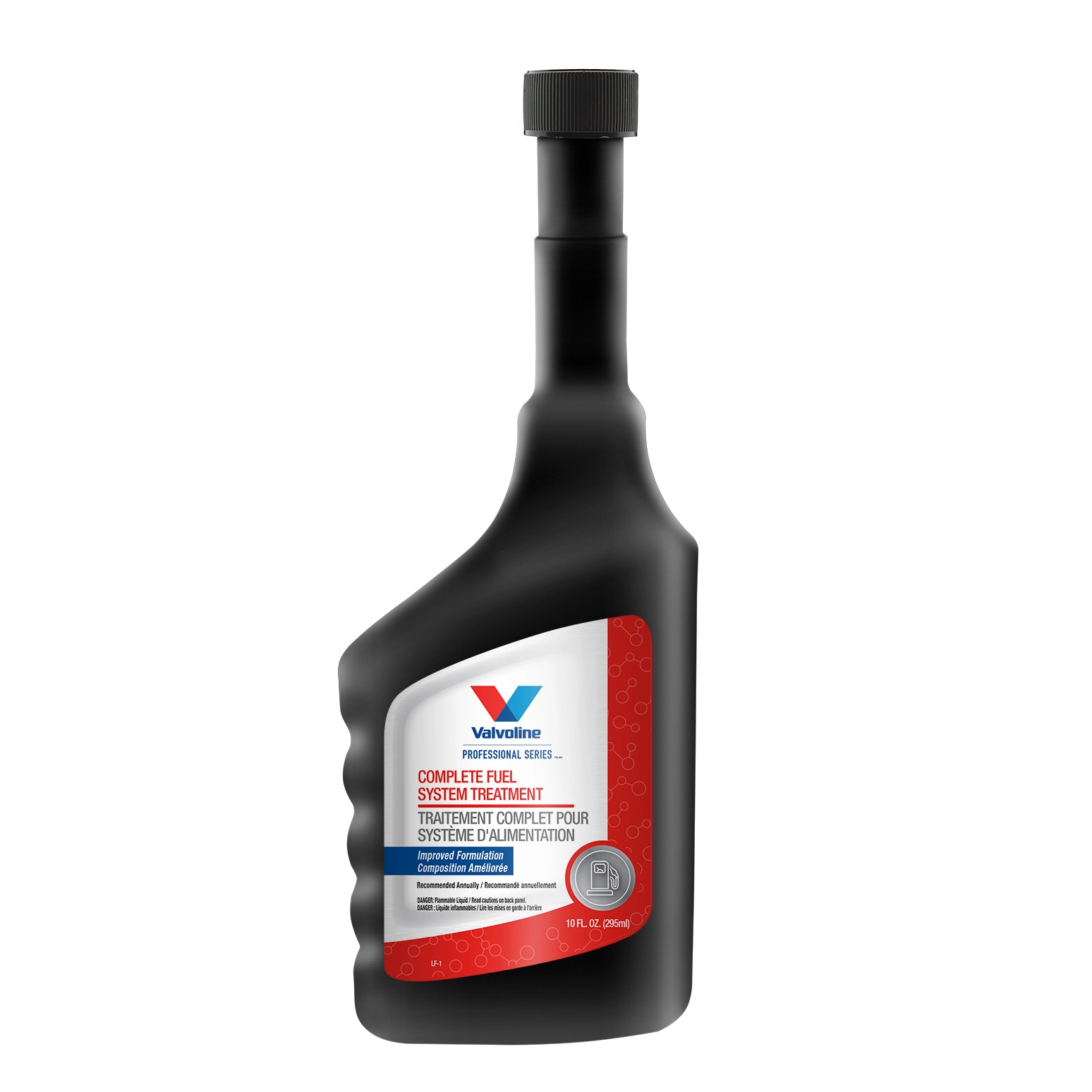
Credit: www.valvolineglobal.com
Types Of Fuel System Cleaners
Fuel system cleaners help remove dirt and deposits from your engine. They improve fuel flow and engine performance.
There are different types of fuel system cleaners you can use. Each type works in a unique way to clean the fuel system.
Additives
Additives are liquids that you add to your fuel tank. They mix with the fuel and clean the fuel system as the engine runs.
These cleaners dissolve deposits on fuel injectors, intake valves, and combustion chambers. They help restore engine power and reduce emissions.
- Easy to use
- Works during normal driving
- Prevents new deposits from forming
- Best for regular maintenance
Professional Treatments
Professional treatments are done by mechanics using special machines. These machines clean the fuel system deeply and quickly.
The process involves running strong cleaning chemicals through the fuel system. This removes tough deposits that additives might not reach.
- Performed at service centers
- More powerful than additives
- Restores engine performance fast
- Good for heavy build-up or old engines
Benefits For Engine Efficiency
Fuel system cleaners help keep your engine clean. They remove dirt and buildup inside fuel parts.
A clean fuel system lets your engine work better and last longer. It uses fuel more wisely.
Improved Fuel Economy
Fuel system cleaners clear deposits that block fuel flow. This helps the engine burn fuel fully.
With less fuel waste, your vehicle uses less gas. This saves money and trips to the pump.
- Removes fuel injector clogs
- Improves fuel spray quality
- Ensures smooth fuel flow
Enhanced Performance
Cleaning the fuel system helps your engine run smoothly. It reduces rough idling and stalling.
Better fuel delivery boosts engine power. You will notice quicker acceleration and steadier speeds.
- Clears clogged fuel injectors
- Prevents engine misfires
- Supports steady engine idle
Reduced Emissions
A clean fuel system burns fuel cleaner. This lowers harmful gases released from the exhaust.
Less pollution helps the environment. It also helps your vehicle pass emissions tests easier.
- Reduces carbon buildup
- Decreases harmful exhaust gases
- Supports cleaner air quality
Using Fuel System Cleaners Safely
Fuel system cleaners help remove deposits from your engine. Using them safely keeps your vehicle running well.
Follow instructions carefully to avoid damage. This guide explains safe use tips and how often to apply cleaners.
Application Tips
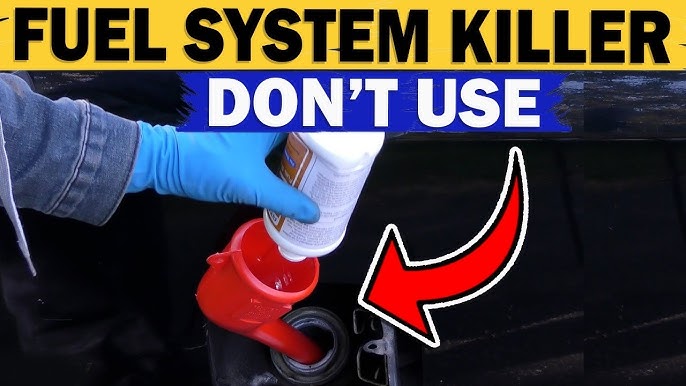
Always add fuel system cleaner to a nearly empty tank. This helps mix the cleaner with fresh fuel better.
Use the right amount of cleaner. Too much can harm your engine or emissions system.
- Read the product label before use
- Pour cleaner into the fuel tank slowly
- Do not mix different fuel additives
- Use in a well-ventilated area
Frequency Recommendations
Use fuel system cleaners only as often as the instructions say. Overuse can cause problems.
Most cleaners work well when used every 3,000 to 5,000 miles. This keeps your fuel system clean without risk.
- Check your car manual for advice
- Adjust frequency based on driving conditions
- Avoid using cleaner before every fill-up
- Stop use if you notice engine issues
Signs You Need A Fuel System Cleaner
A fuel system cleaner helps keep your engine running smoothly. Over time, fuel deposits build up and cause problems.
Knowing the signs can help you decide when to use a fuel system cleaner. Watch for changes in your car’s performance.
Engine Hesitation
Engine hesitation happens when your car pauses or stumbles during acceleration. This can be a sign of clogged fuel injectors or dirty fuel lines.
These issues reduce the amount of fuel reaching the engine. Using a fuel system cleaner can remove deposits and restore smooth engine response.
Poor Acceleration
If your car takes longer to speed up or feels weak, poor acceleration might be the cause. Dirt and grime in the fuel system block fuel flow.
- Sluggish engine response
- Delays when pressing the gas pedal
- Difficulty reaching highway speeds
Cleaning the fuel system removes buildup and helps restore normal power and acceleration.
Increased Fuel Consumption
When your car uses more fuel than usual, this is a warning sign. Dirty fuel injectors cause inefficient fuel spray and waste gas.
| Symptom | Effect on Fuel System |
| Higher fuel bills | More fuel needed to maintain speed |
| Frequent refueling | Fuel not burned efficiently |
| Reduced miles per gallon | Clogged injectors lower engine efficiency |
Using a fuel system cleaner can improve fuel economy by clearing blockages and improving combustion.

Credit: www.fuellogic.net

Credit: www.motorbiscuit.com
Frequently Asked Questions
What Is A Fuel System Cleaner?
A fuel system cleaner is an additive that removes deposits in your engine’s fuel system. It improves fuel efficiency and performance by cleaning fuel injectors, intake valves, and combustion chambers.
How Often Should I Use Fuel System Cleaner?
Use a fuel system cleaner every 3,000 to 5,000 miles. Regular use helps maintain engine cleanliness and prevents buildup that reduces efficiency.
Can Fuel System Cleaner Improve Gas Mileage?
Yes, fuel system cleaner can improve gas mileage. It removes buildup that restricts fuel flow, ensuring better combustion and increased fuel efficiency.
Is Fuel System Cleaner Safe For All Engines?
Most fuel system cleaners are safe for gasoline engines. However, always check the product label to ensure compatibility with your specific engine type.
Conclusion
Fuel system cleaners help remove dirt and buildup inside engines. They keep fuel injectors and valves clean for better performance. Regular use can improve engine efficiency and reduce emissions. Clean fuel systems help cars run smoother and save fuel. Choosing the right cleaner depends on your vehicle’s needs.
Always follow product instructions for best results. Maintaining your fuel system supports longer engine life. Simple steps can make a big difference in car care. Fuel system cleaners work quietly but effectively. A clean fuel system means a healthier engine overall.