When it comes to handling refrigerants, you might have heard terms like reclaimed, recovered, and recycled—but do you really know what sets them apart? Understanding these differences is crucial for your safety, compliance, and the environment.
This article will clear up the confusion and help you make smarter choices when dealing with refrigerants. Keep reading, and you’ll discover exactly how each type affects your equipment and your responsibilities. Don’t miss out on this essential information that could save you time and money.
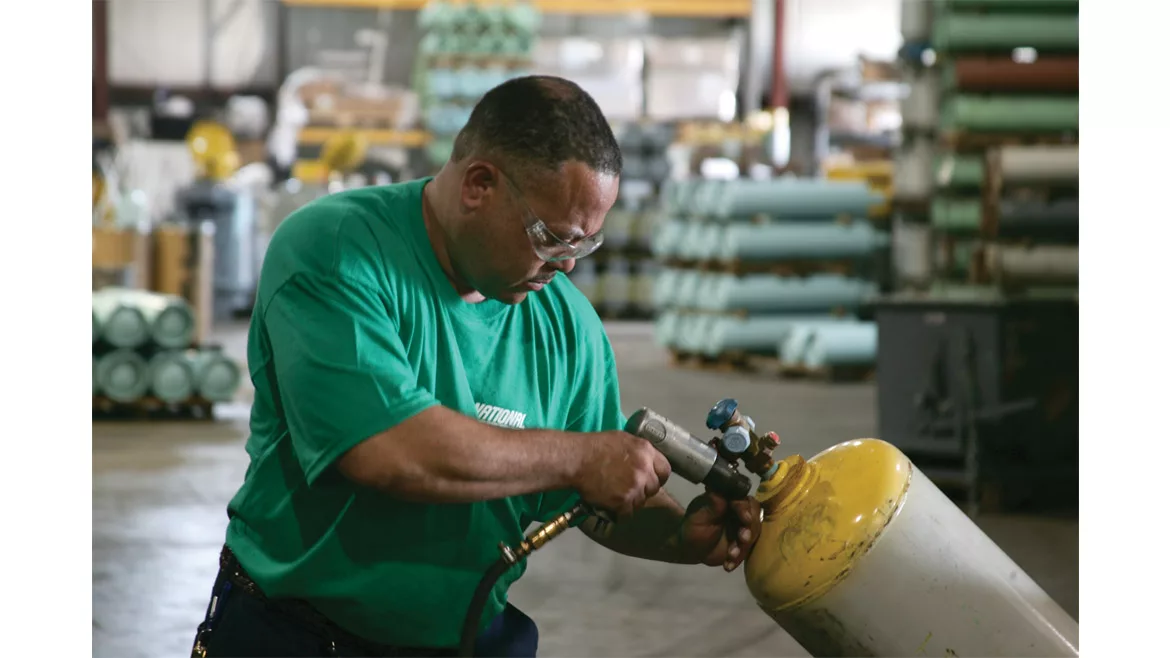
Credit: www.achrnews.com
Refrigerant Basics
Understanding refrigerants is key to grasping how cooling systems work. Refrigerants are special fluids that absorb and release heat. They move heat from one place to another, making spaces cooler. These fluids come in different types, each with unique properties. Knowing these types helps clarify the difference between reclaimed, recovered, and recycled refrigerants.
Types Of Refrigerants
- Chlorofluorocarbons (CFCs): Older types, harmful to the ozone layer.
- Hydrochlorofluorocarbons (HCFCs): Less harmful but still being phased out.
- Hydrofluorocarbons (HFCs): Common now, with lower ozone impact.
- Natural Refrigerants: Includes ammonia, carbon dioxide, and hydrocarbons.
Each type plays a role in different cooling systems. Newer refrigerants aim for less environmental damage.
Role In Cooling Systems
Refrigerants circulate in cooling systems under pressure. They change from liquid to gas and back. This change helps absorb heat from inside spaces. The heat moves outside, cooling the area inside.
Systems need the right refrigerant to work well and avoid damage. Using the correct type keeps the system efficient and safe.

Credit: phys.org
Recovered Refrigerants
Recovered refrigerants play a crucial role in managing HVAC and refrigeration systems. These refrigerants are taken from equipment that is no longer in use or needs maintenance. The goal is to keep harmful chemicals out of the air. Recovery helps protect the environment and conserve resources.
Definition And Process
Recovered refrigerants are gases removed from cooling systems without being processed. The process involves safely extracting the refrigerant using special recovery machines. This ensures no leaks or emissions during removal.
After recovery, the refrigerant is stored in approved containers. It can then be sent for recycling or reclamation. Recovery is the first step in handling used refrigerants properly.
Common Uses And Limitations
Recovered refrigerants are often reused temporarily in the same system or similar units. They provide a cost-effective way to manage refrigerant needs. Small amounts can be used without further treatment.
Limitations include the presence of impurities. These contaminants reduce the refrigerant’s efficiency and lifespan. Recovered refrigerants should not be used long-term without cleaning.
Strict regulations control the use of recovered refrigerants to avoid environmental harm. Proper handling and documentation are required by law.
Recycled Refrigerants
Recycled refrigerants play a vital role in maintaining environmental balance. They undergo a cleaning process to be reused safely. Unlike reclaimed refrigerants, recycling involves basic purification. This makes them suitable for immediate reuse in certain systems. Understanding the recycling process is crucial for effective refrigerant management.
Recycling Procedures
Recycling involves extracting refrigerants from systems. Technicians then remove impurities using filtration and oil separation. This process does not return the refrigerant to its original purity. Yet, it makes it safe for reuse in similar equipment. Proper equipment and trained personnel ensure efficiency.
Quality Standards And Challenges
Recycled refrigerants must meet specific quality standards. Standards ensure the refrigerant is free from harmful impurities. Maintaining these standards can be challenging. Equipment must be well-maintained to ensure effective recycling. Contaminants present a significant challenge in achieving desired quality.
Meeting quality standards ensures safety and efficiency. The process requires ongoing monitoring and adjustments. Challenges arise in maintaining consistent quality across different batches. Despite challenges, recycling remains a cost-effective option.
Reclaimed Refrigerants
Reclaimed refrigerants offer a higher quality and purity level than recovered or recycled refrigerants. These refrigerants undergo extensive processes to meet industry standards. Reclaimed refrigerants are treated as new products, ensuring safety and efficiency in HVAC systems.
Refinement And Testing
Reclaimed refrigerants go through detailed refinement to remove impurities. This process includes filtering, drying, and distillation. The goal is to restore refrigerants to their original chemical state. After refinement, strict testing checks for purity and performance.
Tests measure moisture levels, acidity, and non-condensable gases. Only refrigerants meeting exact specifications pass these tests. This ensures reclaimed refrigerants work like new, protecting system components.
Certification Requirements
Reclaimed refrigerants must meet certification from recognized bodies. These certifications confirm the refrigerant’s quality and safety. Facilities reclaiming refrigerants need proper licenses and follow strict guidelines.
Certification includes:
- Compliance with EPA standards
- Use of approved equipment and processes
- Regular inspections and record-keeping
Certified reclaimed refrigerants offer trust and reliability for technicians and consumers alike.
Comparing The Three Types
Reclaimed, recovered, and recycled refrigerants serve different roles in HVAC systems. Knowing their differences helps make better environmental and economic choices. Each type varies in purity, impact on the environment, and cost.
Purity Levels
Recovered refrigerant is taken directly from equipment without treatment. It contains impurities and may need cleaning before reuse. Recycled refrigerant undergoes basic cleaning but may still have some contaminants. Reclaimed refrigerant is processed to meet new product standards. It has the highest purity and can be used like new refrigerant.
Environmental Impact
Recovered refrigerant prevents harmful gases from escaping into the air. Recycling reduces waste by cleaning and reusing refrigerant. Reclaiming offers the best environmental protection by restoring refrigerant fully. It reduces the need to produce new refrigerant, lowering emissions and resource use.
Cost Differences
- Recovered refrigerant is usually the cheapest option.
- Recycled refrigerant costs more due to cleaning processes.
- Reclaimed refrigerant is the most expensive because of strict standards.
Choosing between them depends on budget and application needs.

Credit: www.achrnews.com
Regulations And Compliance
Regulations and compliance play a crucial role in managing reclaimed, recovered, and recycled refrigerants. These rules ensure safety, environmental protection, and proper handling of refrigerants. Understanding these regulations helps businesses and technicians follow the right procedures and avoid legal issues.
Global Standards
Global standards set clear guidelines for handling refrigerants worldwide. Many countries follow protocols from international bodies like the United Nations and the Environmental Protection Agency (EPA). These standards define how refrigerants should be collected, processed, and reused.
Reclaimed refrigerants must meet strict purity levels before reuse. Recovered and recycled refrigerants have fewer quality requirements but still need proper handling. These rules help reduce harmful emissions and protect the ozone layer.
Industry Best Practices
Industry best practices support compliance with laws and improve refrigerant handling. Certified technicians use approved equipment and methods for reclaiming refrigerants. They test and purify the refrigerants to meet safety and quality standards.
Companies often follow guidelines from industry groups to maintain high standards. Proper record-keeping, labeling, and storage are essential parts of these practices. These steps ensure refrigerants remain safe and effective for future use.
Choosing The Right Refrigerant
Choosing the right refrigerant is a decision that affects your system’s efficiency, environmental impact, and long-term costs. Understanding the differences between reclaimed, recovered, and recycled refrigerants can help you make an informed choice. Each type has unique qualities that fit various needs and regulations.
Factors To Consider
Start by evaluating the source and quality of the refrigerant. Reclaimed refrigerants are processed to meet the same standards as new refrigerants, ensuring high purity. Recovered refrigerants, on the other hand, are simply removed from a system without guaranteed cleaning, while recycled refrigerants undergo basic cleaning but may not reach the purity of reclaimed ones.
Think about the environmental regulations in your area. Some jurisdictions require the use of reclaimed refrigerants to minimize environmental harm. Also, consider the cost differences—reclaimed refrigerants may cost more upfront but can save money by extending equipment life.
Ask yourself: Are you prioritizing performance, compliance, or budget? Your answer will guide your choice effectively.
Benefits Of Reclaimed Refrigerants
- High Quality:Reclaimed refrigerants meet the same specifications as new products, so your system runs smoothly without unexpected breakdowns.
- Environmental Safety:Using reclaimed refrigerants reduces the need for new production, lowering greenhouse gas emissions.
- Cost-Effective Over Time:Though initially pricier, reclaimed refrigerants can reduce maintenance costs and improve system reliability.
- Regulatory Compliance:They often meet strict legal standards, helping you avoid fines or legal issues.
From personal experience, switching to reclaimed refrigerants improved my HVAC system’s performance noticeably. You might find that the upfront investment pays off faster than expected.
Frequently Asked Questions
What Is Reclaimed Refrigerant?
Reclaimed refrigerant is used refrigerant restored to new product standards. It undergoes strict processing and testing to meet industry purity levels. It is safe for reuse in HVAC systems without performance loss.
How Does Recovered Refrigerant Differ?
Recovered refrigerant is simply removed from a system. It is not cleaned or processed. It requires further recycling or reclamation before reuse or disposal.
What Defines Recycled Refrigerant?
Recycled refrigerant is cleaned and filtered onsite. It removes contaminants but may not meet new product standards. It is usually reused within the same system or facility.
Why Choose Reclaimed Over Recycled Refrigerants?
Reclaimed refrigerants meet strict purity standards, ensuring optimal system performance. Recycled refrigerants may have impurities affecting efficiency. Reclaiming guarantees consistent quality and environmental compliance.
Conclusion
Reclaimed refrigerant meets strict industry standards for reuse. Recovered refrigerant is simply collected from systems without processing. Recycled refrigerant gets cleaned but may not meet all reuse criteria. Knowing these differences helps you choose the right option. Using proper refrigerants protects the environment and saves costs.
Always follow regulations to handle refrigerants safely and responsibly. Understanding these terms makes your HVAC work clearer and easier.