Are you wondering how your RV air conditioner keeps you cool and comfortable, no matter where the road takes you? Understanding how this essential system works can help you use it more efficiently and even troubleshoot common problems.
You’ll discover the simple science behind your RV’s air conditioner and learn practical tips to make sure it runs smoothly during your adventures. Keep reading to unlock the secrets of staying cool on the go!
Rv Air Conditioner Basics
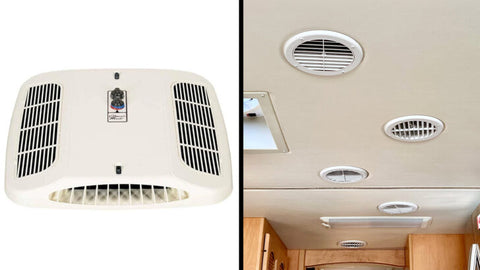
RV air conditioners keep the inside cool during hot days. They work by moving heat from inside to outside.
Understanding how these systems work helps you use them better and keep them running well.
Types Of Rv Air Conditioners
There are a few types of air conditioners made for RVs. Each type fits different needs and spaces.
- Roof-Mounted Units: Installed on top of the RV roof. They save space inside.
- Portable Units: Small and movable. Good for smaller RVs or extra cooling.
- Window Units: Fit into RV windows. Easy to install but less common.
Key Components
An RV air conditioner has several main parts. Each part plays a role in cooling the air inside.
- Compressor: Pressurizes the refrigerant to move heat.
- Condenser Coil: Releases heat outside the RV.
- Evaporator Coil: Absorbs heat from inside the RV.
- Fan: Moves air across coils and inside the RV.
- Thermostat: Controls the temperature setting.
Cooling Cycle Overview
The cooling cycle moves heat from inside the RV to outside. This keeps the inside air cool.
The compressor pumps refrigerant through the system. The refrigerant absorbs heat inside and releases it outside.
- Warm air from inside passes over the evaporator coil.
- The refrigerant inside the coil absorbs heat and cools the air.
- The cooled air blows back into the RV.
- The heated refrigerant moves to the condenser coil outside.
- The outside fan blows air over the condenser to release heat.
- The refrigerant cools down and cycles back inside to repeat.
How Cooling Happens
An RV air conditioner keeps the inside cool by removing heat from the air. It uses a special system to move heat outside.
The cooling process involves several key parts working together. Each part plays a role to make the air cold and comfortable.
Role Of Refrigerant
Refrigerant is a liquid that absorbs heat from inside the RV. It changes from liquid to gas as it picks up heat.
This change helps move heat from inside to outside. The refrigerant keeps cycling to keep the air cool.
Compressor Function
The compressor squeezes the refrigerant gas. This raises its temperature and pressure.
After compressing, the hot gas moves to the condenser outside the RV. The compressor keeps the refrigerant moving.
Evaporator And Condenser Process
The evaporator is inside the RV. The cool refrigerant absorbs heat from the air here, turning back into gas.
The condenser is outside. It releases the heat from the refrigerant to the outside air. The refrigerant cools down and becomes liquid again.
- Evaporator absorbs heat inside the RV
- Condenser releases heat outside
- Refrigerant cycles between evaporator and condenser
Power Sources And Efficiency
An RV air conditioner needs power to keep the inside cool. It uses electricity from different sources. Efficiency matters to save energy and reduce costs.
This guide explains how electrical needs, energy use, and smart tips improve RV air conditioner performance.
Electrical Requirements
RV air conditioners usually run on 120-volt AC power. You can get this power from shore power, a generator, or an inverter.
- Shore Power:Connects your RV to campground electricity.
- Generator:Provides power when no shore power is available.
- Inverter:Converts battery DC power to AC for the air conditioner.
Energy Consumption
Energy use depends on the air conditioner’s size and settings. Larger units use more power. Running the AC all day uses a lot of energy.
| Power Source | Typical Use (Watts) | Notes |
| Shore Power | 1,000 – 1,500 | Stable and continuous power |
| Generator | 1,200 – 2,000 | Depends on generator size and fuel |
| Inverter (Battery) | 800 – 1,500 | Limited by battery capacity |
Efficiency Tips
Saving energy helps your RV’s power last longer. Use these tips to keep the AC efficient.
- Close windows and doors while running the AC.
- Use shades or curtains to block sunlight.
- Keep filters clean for better airflow.
- Turn off the AC when not needed.
- Use a programmable thermostat to control temperature.
Credit: www.odysseyrvservice.com
Common Issues And Fixes
RV air conditioners keep your vehicle cool during hot days. Sometimes, they stop working properly. Knowing common problems helps you fix them fast.
This guide shows common issues and easy fixes. It also explains how to maintain your AC and when to call a professional.
Troubleshooting Tips
If your RV air conditioner is not cooling well, check the air filter. A dirty filter blocks airflow and lowers cooling.
Another issue is the AC not turning on. This can happen if the power supply is weak or a fuse is blown.
- Clean or replace dirty air filters regularly
- Check circuit breakers and fuses
- Ensure thermostat is set correctly
- Clear debris from outside AC unit
- Listen for unusual noises indicating mechanical problems
Maintenance Practices
Good maintenance keeps your RV air conditioner working longer. Regular cleaning and inspections prevent many problems.
Check and clean the air filter every month during heavy use. Also, clean the coils and vents to improve airflow.
- Clean or replace air filters monthly
- Remove dirt from condenser coils
- Clear leaves and debris around the AC unit
- Inspect wiring for damage or wear
- Test thermostat for proper function
When To Call A Professional
Some AC problems need expert help. If the unit leaks water or refrigerant, call a professional. These issues can damage the system.
If the AC makes loud noises or the compressor fails to start, it is best to get a technician. They have the tools and knowledge to fix serious issues.
- Persistent leaks inside or outside the RV
- Compressor does not run or frequently stops
- Strong burning or electrical smells
- Unusual loud noises during operation
- Thermostat or control panel malfunctions
Upgrading Your Rv Ac
Upgrading your RV air conditioner can improve comfort during trips. Choosing the right unit and installing it properly are key steps.
Modern units also offer smart features that make cooling easier and more efficient. Let’s explore how to pick and install the best AC for your RV.
Choosing The Right Unit
Select an AC unit based on the size of your RV and your cooling needs. Consider power use and noise levels before buying.
- Measure your RV space to find the right cooling capacity.
- Look for energy-efficient models to save power.
- Choose a unit with a quiet operation for better comfort.
- Check if the unit fits your RV’s roof or wall mount options.
Installation Basics
Proper installation ensures your AC works well and lasts longer. Follow safety rules and use the right tools for the job.
| Step | Description |
| 1 | Turn off power to avoid shocks. |
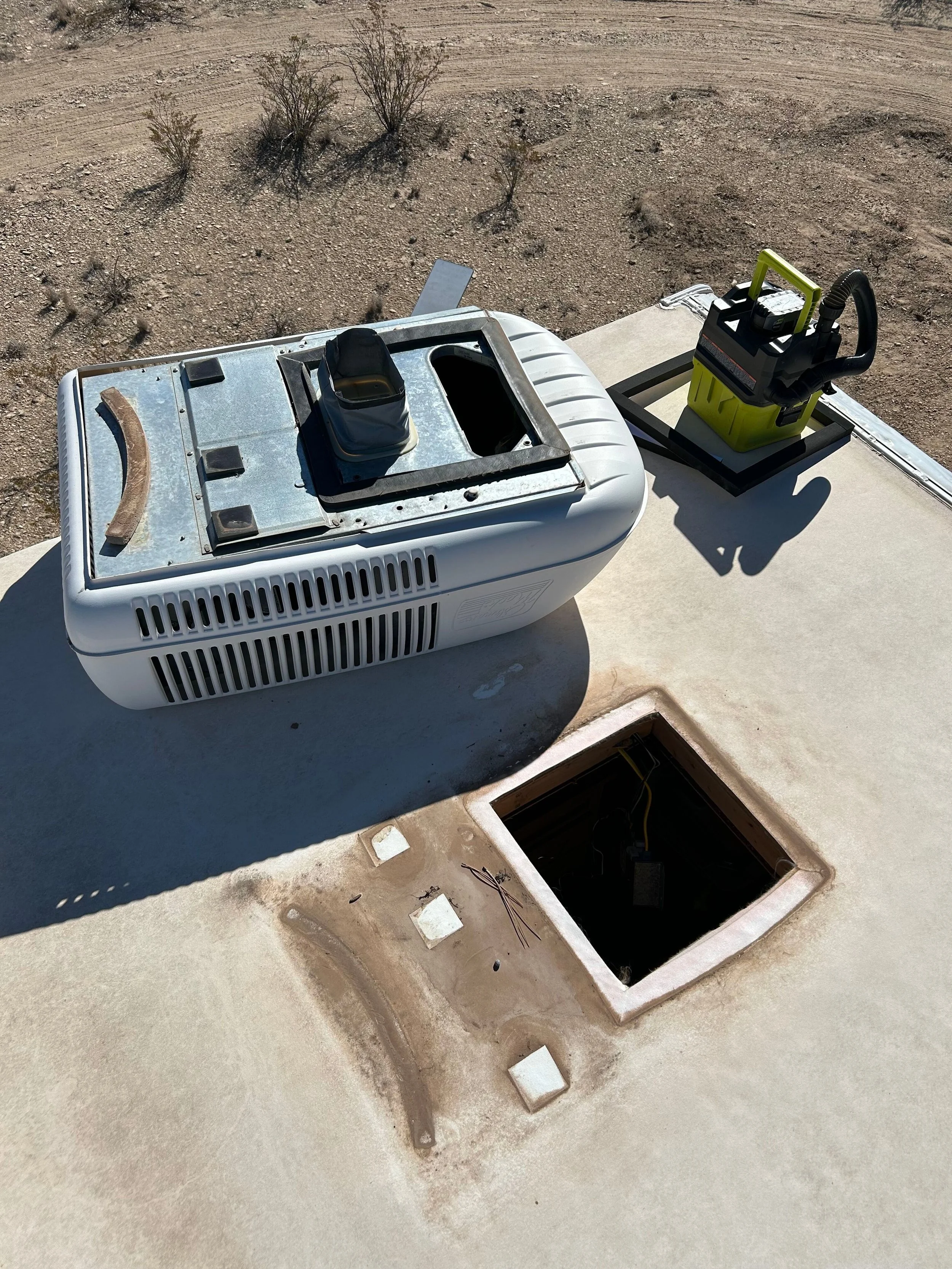
| 2 | Remove the old unit carefully. |
| 3 | Check the roof opening for damage. |
| 4 | Place the new AC unit securely on the roof. |
| 5 | Seal edges to prevent leaks. |
| 6 | Connect electrical wiring properly. |
| 7 | Test the unit to ensure it cools correctly. |
Smart Features
New RV ACs come with smart features to improve control and efficiency. These features make it easy to manage temperature and save energy.
- Wi-Fi control to adjust settings remotely.
- Programmable timers to turn AC on and off automatically.
- Energy-saving modes that reduce power use.
- Temperature sensors for precise cooling.

Credit: www.microair.net

Credit: furrion.com
Frequently Asked Questions
How Does An Rv Air Conditioner Cool The Interior?
An RV air conditioner cools by circulating refrigerant through coils. It absorbs heat from inside and releases it outside, lowering indoor temperature efficiently.
What Power Source Runs An Rv Air Conditioner?
Most RV air conditioners run on 120V AC power, often supplied by shore power or a generator, ensuring consistent cooling on the road or at campsites.
How Often Should Rv Air Conditioner Filters Be Cleaned?
Filters should be cleaned every one to three months. Regular cleaning improves airflow, boosts efficiency, and extends the air conditioner’s lifespan.
Can An Rv Air Conditioner Work Without Shore Power?
Yes, if your RV has a generator or inverter, the air conditioner can operate off-grid, providing cooling even without external electric hookups.
Conclusion
An RV air conditioner keeps your space cool and comfortable. It moves heat from inside to outside using a simple process. Fans and refrigerants work together to lower the temperature. Knowing how it works helps you use it better. Regular care keeps the system running smoothly.
This way, your travels stay pleasant and cool. Understanding your RV’s AC can save time and money. Stay comfortable on every trip with a working air conditioner. Easy to use, important to maintain. That’s how RV air conditioners help you.