
Are you worried about termites quietly damaging your home? You might have heard about termite tenting but aren’t sure how it actually works or if it’s right for you.
Understanding termite tenting can save you time, money, and stress by stopping these pests for good. You’ll discover exactly what termite tenting involves, why it’s so effective, and what to expect during the process. Keep reading to protect your home and gain peace of mind before those tiny invaders cause serious harm.
What Is Termite Tenting
Termite tenting is a method to remove termites from a building. It covers the entire structure with a large tent. Professionals use this to apply a special gas that kills termites.
This process helps protect homes from termite damage. It is often done when termite infestations are severe and other treatments are not enough.
How Termite Tenting Works
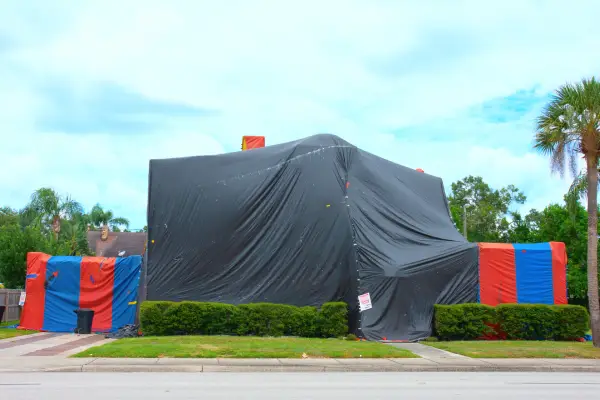
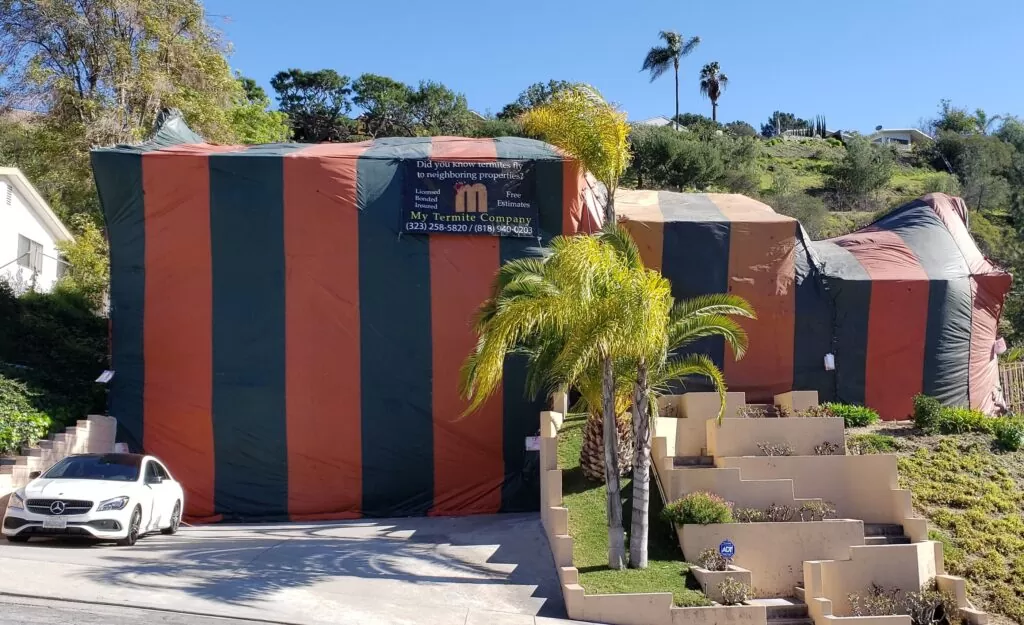
During termite tenting, experts cover the building with a strong plastic sheet. This traps the gas inside the tent. The gas reaches all areas where termites live.
- The gas is poisonous to termites and kills them quickly.
- The tent keeps the gas from escaping into the air.
- People and pets must leave the building during treatment.
- The gas penetrates wood, walls, and hidden spaces.
Materials Used In Termite Tenting
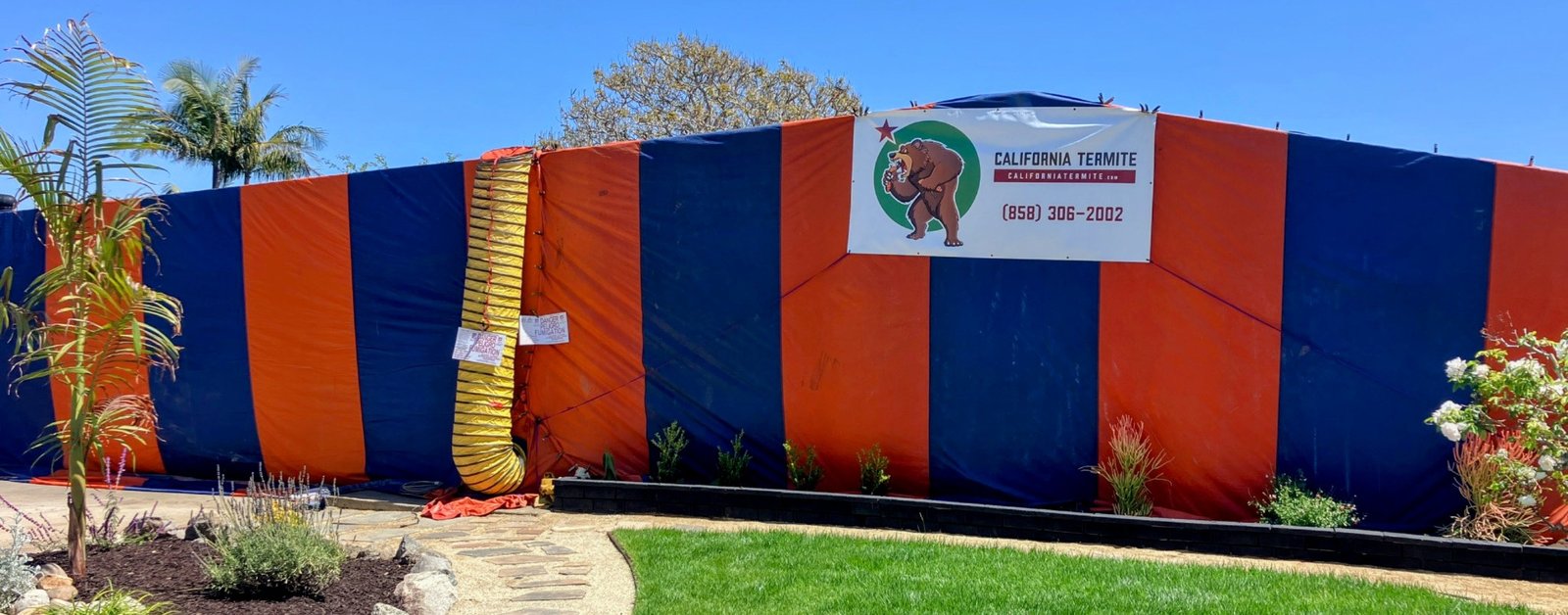
The tent is made from strong plastic sheets. These sheets cover the whole house from the roof to the ground. The gas used is usually sulfuryl fluoride.
| Material | Purpose |
| Plastic Sheeting | Seal the building tightly |
| Gas (Sulfuryl Fluoride) | Kill termites inside walls and wood |
| Fans and Monitors | Distribute gas and check levels |
| Warning Signs | Alert people to avoid the area |
Safety Measures In Termite Tenting
Safety is very important during termite tenting. The gas can be harmful to people and pets. The house must be empty for hours or days.
- Remove all people, pets, and plants before tenting.
- Seal food in special containers or remove it.
- Wear protective gear for workers handling the gas.
- Ventilate the building fully after treatment ends.
When Is Tenting Needed
Termite tenting is a strong treatment method used to eliminate termites from a building. It involves covering the entire structure with a tent and filling it with a gas that kills termites.
This process is usually necessary only in certain situations. Knowing when tenting is needed helps protect your home effectively.
Severe Termite Infestation
Tenting is needed when termites have deeply invaded a home. In these cases, other treatments may not reach all termite colonies.
Wide Area Coverage
If termites spread throughout the entire house, tenting covers the whole structure. This full coverage ensures the gas reaches all hidden areas.
Previous Treatment Failures
Tenting may be required when past treatments did not fully remove termites. It acts as a final solution to clear stubborn infestations.
Protecting Wooden Structures
Homes with many wooden parts often need tenting to protect the wood from termite damage. The gas penetrates wood and kills hidden termites.
When Other Treatments Are Not Enough
- Surface sprays only treat visible areas
- Bait systems take longer to work
- Tenting kills termites quickly and deeply
Safety And Preparation Considerations
| Preparation Step | Reason |
| Remove pets and plants | Gas is harmful to living things |
| Seal food and water | Prevents contamination |
| Vacate home during treatment | Ensures safety from gas exposure |
Preparation Before Tenting
Termite tenting is a process to kill termites using special chemicals. Proper preparation is important for safety and effectiveness.
Getting ready helps protect your home and belongings during the treatment. It also keeps everyone safe.
Clearing The Property
Remove plants, furniture, and items from around your home. This gives workers space to set up the tent.
Clear patios, decks, and porches so the tent fits tightly over your house.
- Take away outdoor furniture
- Move potted plants and garden tools
- Clear walkways and driveways near the house
Protecting Belongings
Cover or remove valuables inside your home. Chemicals used can be strong and may damage items.
Seal food, medicines, and pet supplies in airtight containers. This stops contamination from the chemicals.
- Wrap furniture with plastic sheets
- Store food and drinks in sealed boxes
- Take out medicines and pet food
- Protect electronics from chemical exposure
Informing Occupants
Tell everyone who lives in the home about the tenting schedule. They need to plan to leave during treatment.
Notify neighbors too, as the chemicals can spread. Safety rules require people to stay away for hours.
- Share the date and time of tenting
- Explain how long to stay out
- Advise on safety measures after tenting
- Inform neighbors about possible smell or fumes
Credit: gorocketpest.com
The Tenting Process
Termite tenting is a method to eliminate termites in your home. It involves covering the house with a tent and using gas to kill pests.
This process is thorough and ensures termites are removed from all areas. Let’s explore each step in detail.
Setting Up The Tent
The first step is setting up the tent around the house. This creates a sealed environment for the fumigant.
- Professional team inspects the house
- Securely covers the house with a large tent
- Seals all openings to prevent gas leakage
Fumigant Application
After the tent is in place, the fumigant is applied. This gas penetrates all areas of the house.
| Fumigant Type | Effectiveness |
| Sulfuryl fluoride | Highly effective |
| Methyl bromide | Restricted use |
Exposure Time
The house remains sealed for a specific time. This ensures all termites are exposed to the fumigant.
Safety Measures During Tenting
Termite tenting uses strong chemicals to kill pests inside a building. It is important to follow safety rules to protect people and pets.
Proper safety steps reduce risks during the fumigation process. Everyone must be careful before, during, and after tenting.
Vacating The Premises
Before tenting starts, all people and pets must leave the building. This keeps them safe from harmful gases.
Remove food, medicines, and plants. Cover items that cannot be moved to protect them from chemicals.
- Leave the house for the time set by the experts
- Turn off all ignition sources like pilot lights
- Seal food in airtight containers or remove them
- Keep pets and plants outside the treatment area
Handling Fumigants
Fumigants are toxic chemicals used to kill termites. Only trained professionals should handle these chemicals.
They wear protective gear and follow strict rules to apply fumigants safely. This lowers the chance of accidents.
- Use of protective clothing and breathing equipment
- Careful measurement and release of fumigants
- Monitoring gas levels during the process
- Clear marking of the fumigation area
Air Quality Testing
After tenting, experts test the air to check for harmful gas. Testing confirms the building is safe to enter.
They use special tools to measure gas levels. Only when the air is clean can people return inside.
- Use gas detection devices at entry points
- Repeat tests until gas levels drop below safety limits
- Ventilate the building thoroughly after fumigation
- Inform residents when it is safe to re-enter
Post-tenting Procedures
After termite tenting, certain steps ensure your home is safe and free of pests. These steps help check the treatment’s success and protect your family.
Following these procedures carefully reduces risks and keeps your property in good condition.
Tent Removal
The tent stays on your home for about 24 to 72 hours during treatment. After this, professionals remove it carefully.
They check that the fumigant has fully worked and ventilate the area to remove any gas left inside.
- Special equipment is used to take down the tent.
- Ventilation fans clear the gas quickly.
- Experts wear safety gear during removal.
Property Inspection
After the tent is removed, a thorough inspection finds any signs of live termites. This check confirms if the treatment worked.
Inspectors look for damage and termite activity in wood, walls, and other areas.
- They inspect wooden structures closely.
- Look for new termite tunnels or mud tubes.
- Check areas that were hardest to reach before.
Re-entry Guidelines
People cannot enter the house right after tent removal. The fumigant needs time to clear out fully for safety.
Experts set a safe waiting period before you can go back inside the home.
- Wait time usually lasts a few hours after tent removal.
- Follow all instructions given by the pest control team.
- Open windows and doors when you enter to air out the home.
Effectiveness Of Termite Tenting
Termite tenting is a common method to eliminate termite infestations. It involves covering a building with a tent and filling it with gas to kill termites inside.
This method can be very effective but depends on several factors like the extent of infestation and the care taken during the process.
Success Rates
Termite tenting has a high success rate when done correctly. The gas penetrates wood and hidden areas where termites live.
- It kills termites at all life stages, including eggs.
- The process usually takes 24 to 72 hours.
- Most homes are free of termites after one treatment.
Limitations
Termite tenting does have limits and may not solve all problems alone.
| Limitation | Description |
| Cost | Can be expensive compared to other treatments. |
| Preparation | Requires removing food, pets, and plants from the home. |
| Reinfestation | Does not prevent new termites from entering later. |
| Structural Damage | Does not repair damage already done by termites. |
Follow-up Treatments
After tenting, follow-up treatments help keep termites away for longer.
- Regular inspections check for new termite activity.
- Applying termite baits or liquid barriers adds protection.
- Fixing leaks and wood contact with soil reduces termite risks.
Credit: mytermitecompany.com
Alternatives To Tenting
Termite tenting is a common way to treat homes. It uses gas to kill termites inside the house. Some people want other options that are less disruptive. Here are some alternatives to tenting.
These methods can protect your home without covering it in a tent. They vary in how they work and how long they take.
Liquid Treatments
Liquid treatments use chemicals sprayed around or under your home. These chemicals create a barrier that kills or repels termites. They stop termites from entering your house.
Technicians inject the liquid into the soil and wood. This method does not require you to leave the house for a long time.
- Effective at stopping termites in the soil
- Needs careful application for best results
- May require retreatment every few years
Bait Systems
Bait systems use small stations placed around your home. These stations contain food that attracts termites. The termites eat the bait and bring poison back to their colony.
This method slowly reduces the termite population. It is less invasive and does not use harsh chemicals inside your home.
- Works by killing termites at the source
- Requires regular monitoring of bait stations
- Safe for people and pets
Heat Treatments
Heat treatments raise the temperature inside your home to kill termites. The house is heated to a level that termites cannot survive. This method does not use chemicals.
Heat can reach areas where chemicals might not reach. The treatment usually takes a few hours and does not leave residue.
- Kills termites quickly with high heat
- No chemicals or poisons involved
- May not prevent future infestations
Cost Factors And Considerations
Termite tenting is a treatment to remove termites from a home. It uses a tent and special chemicals to kill bugs inside.
The cost of termite tenting depends on many things. It is important to know what affects the price.
Price Range
Termite tenting usually costs between $1,000 and $3,000. The size of your home is a big factor.
Other factors include how bad the termite problem is and where you live. Some homes need extra work.
- Smaller homes cost less
- Heavily infested homes cost more
- Urban areas may have higher prices
- Season and availability affect cost
Insurance Coverage
Most home insurance policies do not cover termite damage. You usually must pay for tenting yourself.
Some insurance plans offer termite protection as an add-on. Check your policy to see if it helps pay.
- Standard policies exclude termite damage
- Termite coverage can be added separately
- Check with your insurance agent for details
Long-term Savings
Tenting can save money over time by stopping termite damage early. Repairs after damage can be very costly.
Regular inspections and early treatment help protect your home and reduce repair costs in the future.
- Prevents expensive wood damage
- Protects home value
- Reduces need for major repairs
- Helps keep your home safe
Credit: californiatermiteandpestcontrol.com
Frequently Asked Questions
What Is Termite Tenting And How Does It Work?
Termite tenting is a fumigation method that kills termites inside a structure. The building is covered with a tent, and gas is released. The gas penetrates wood and reaches all termite colonies, eliminating them effectively.
How Long Does Termite Tenting Treatment Take?
Termite tenting usually takes 24 to 72 hours. This includes setup, gas exposure, and aeration time. The duration depends on the building size and infestation level. After treatment, the home is safe to enter once gas clears.
Is Termite Tenting Safe For People And Pets?
During termite tenting, all people and pets must leave the premises. The fumigant gas is toxic. After aeration, the home is ventilated thoroughly before re-entry, ensuring safety. Professional fumigators follow strict safety protocols to protect everyone.
Can Termite Tenting Prevent Future Infestations?
Termite tenting kills existing colonies but doesn’t prevent future infestations. Regular inspections and preventive measures are necessary. Treatments like soil barriers and wood treatments can help protect your home long-term.
Conclusion
Termite tenting uses a special tent and gas to kill termites inside a home. The process protects wood and prevents damage. Experts handle the tenting to keep everyone safe. After treatment, homes usually stay termite-free for years. Regular checks help catch problems early.
Understanding how termite tenting works helps you protect your home better. It’s a reliable way to stop termites fast and thoroughly. Safe, effective, and important for every homeowner.