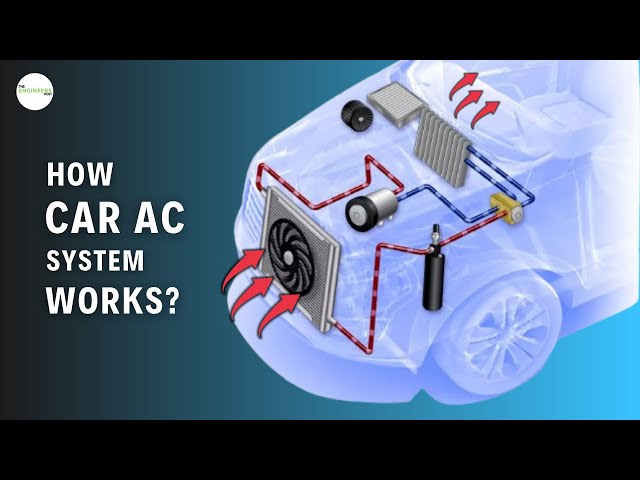
Have you ever wondered how your car warms up on a chilly morning? That cozy heat inside your vehicle doesn’t just appear out of nowhere.
Understanding how the heating system in your car works can give you a new appreciation for those cold drives. You’ll discover the simple yet clever way your car turns engine heat into comfort for you and your passengers. Keep reading, and you’ll see how this system keeps you warm when you need it most.
Car Heating Basics
Car heaters keep the inside warm during cold weather. They use heat from the engine to warm the air.
This system works by moving heat from the engine to the car’s cabin through a series of parts.
Heat Source In Vehicles
The main heat source in a car is the engine. When the engine runs, it produces heat as a byproduct.
- The engine burns fuel to create power.
- This process makes the engine hot.
- Heat moves from the engine to the heater core.
- The heater core warms the air that enters the cabin.
Role Of The Engine Coolant
Engine coolant carries heat from the engine to the heater core. It helps control engine temperature and warms the car’s interior.
| Coolant Function | Effect on Heating |
| Absorbs heat from engine | Prevents overheating |
| Flows through heater core | Transfers heat to cabin air |
| Returns cooled to engine | Maintains engine temperature |

Credit: ev-lectron.com
Components Of The Heating System
A car’s heating system warms the inside of the vehicle. It uses several parts that work together. These parts move heat from the engine to the cabin.
Understanding these components helps you know how heat flows inside your car. Each part has a special job to keep you warm.
Heater Core Function
The heater core looks like a small radiator. It carries hot coolant from the engine. Air passes over the heater core, warming up before it enters the cabin.
This heat transfer helps change cold air into warm air. The heater core is inside the dashboard, hidden from view.
Blower Motor And Fan
The blower motor powers a fan that pushes air into the car. It blows air over the heater core to warm it up. The fan speed can be adjusted by the driver.
This part controls how much warm air enters the cabin. Without the blower motor, no air moves through the heater core.
- Blower motor creates airflow
- Fan speed controls heat output
- Air moves from heater core to cabin
Thermostat And Temperature Control
The thermostat controls engine temperature. It opens and closes to let coolant flow. When the engine is cold, the thermostat stays closed.
Temperature controls inside the car let the driver choose how warm the air is. These controls adjust the blend of hot and cold air. This keeps the cabin comfortable.
Heat Distribution Process
The heating system in a car warms the cabin by moving heat from the engine. It uses hot coolant and air to spread warmth inside.
This process keeps the car comfortable during cold weather. Understanding how heat moves helps explain how the system works.
Coolant Circulation Path
Coolant is a liquid that flows through the engine to absorb heat. It carries this heat to the heater core inside the car.
The heater core acts like a small radiator. Hot coolant passes through it and transfers heat to the air that blows into the cabin.
- Coolant heats up in the engine
- Flows through hoses to the heater core
- Releases heat to the air in the heater core
- Returns to the engine to warm again
Airflow Through The Cabin
Air enters the car’s ventilation system and passes over the heater core. It picks up heat from the hot coolant inside.
Warm air then moves through vents into the cabin. Fans control how much air flows and how fast it moves.
- Outside or recirculated air enters the system
- Air passes over the warm heater core
- Heated air moves through vents into the cabin
- Fans adjust airflow speed and direction
Temperature Regulation Mechanisms
The system uses controls to set the cabin temperature. A thermostat helps keep the heat steady and safe.
Mixing doors inside the ventilation system adjust how much hot or cold air enters the cabin. This changes the air temperature.
- Thermostat monitors coolant temperature
- Mixing doors blend hot and cool air
- Temperature dial lets driver choose warmth level
- Fans and vents direct heated air as needed
Common Heating System Issues
The heating system in a car keeps the cabin warm and comfortable. It uses heat from the engine’s coolant. Sometimes, problems can stop the heater from working well.
Knowing common issues helps you find and fix problems quickly. This keeps your car warm during cold days.
Coolant Leaks
Coolant leaks reduce the amount of heat in the system. Leaks happen in hoses, radiator, or heater core. Low coolant causes the heater to blow cold air.
- Look for puddles under the car
- Check coolant level in the reservoir
- Inspect hoses for cracks or damage
- Notice if the engine overheats
Heater Core Blockage
The heater core moves hot coolant through small tubes. Dirt or rust can block these tubes. A blocked heater core stops heat from reaching the cabin.
| Symptom | Cause | Effect |
| Weak or no heat | Clogged tubes | Cold air inside car |
| Foggy windows | Coolant leak inside cabin | Moisture buildup |
| Sweet smell | Coolant leak | Possible damage to heater core |
Thermostat Failures
The thermostat controls engine temperature by opening and closing. If it sticks open, the engine stays cold. If it sticks closed, the engine overheats.
Thermostat issues can cause:
- Slow or no heat from the heater
- Engine temperature warning light
- Poor fuel economy
- Engine damage if overheated
Maintenance Tips
The heating system in a car keeps the cabin warm during cold weather. It uses heat from the engine’s coolant to warm the air inside.
Regular maintenance helps the system work well and prevents costly repairs. Check these simple tips to keep your car heater running smoothly.
Regular Coolant Checks
Coolant moves heat from the engine to the heater core. If coolant is low or dirty, the heater won’t work well.
Check coolant levels often. Use the right type of coolant for your car. Look for leaks or discoloration in the fluid.
- Check coolant level in the reservoir tank
- Top up with recommended coolant if low
- Inspect for leaks under the car
- Replace coolant as per the car manual
System Flushing Procedures
Flushing removes old coolant and dirt from the heating system. It helps prevent blockages and rust buildup.
Flush the system every few years or as your car manual suggests. This keeps the heater core clean and working well.
- Drain old coolant completely
- Use a flushing solution to clean the system
- Refill with fresh coolant mixture
- Run the engine to circulate new coolant
Identifying Early Warning Signs
Spot problems early to avoid big repairs. Watch for signs that the heating system needs attention.
Check if the heater blows cold air or if the temperature gauge rises quickly. Strange smells or leaks are also warning signs.
- Heater not warming the air
- Engine temperature too high or too low
- Coolant leaks inside or under the car
- Sweet smell inside the cabin

Credit: ev-lectron.com
Advancements In Car Heating
Car heating systems have improved a lot over the years. New technology helps heat cars faster and use less energy.
These advancements make rides more comfortable, even in very cold weather.
Electric Heaters
Electric heaters warm the car using electricity instead of burning fuel. They are fast and clean.
These heaters work well in electric vehicles and hybrids. They help save battery power and reduce emissions.
Heat Pumps
Heat pumps move heat from outside air to the car’s cabin. They use less energy than regular heaters.
Heat pumps can both heat and cool the car. This makes the system useful all year round.
- Efficient energy use
- Works well in mild cold
- Can replace traditional heaters
Smart Climate Controls
Smart climate controls adjust the temperature automatically. They use sensors to keep the car comfortable.
These systems can learn your preferences. They save energy by heating only when needed.
- Automatic temperature adjustment
- Energy-saving features
- Improves passenger comfort
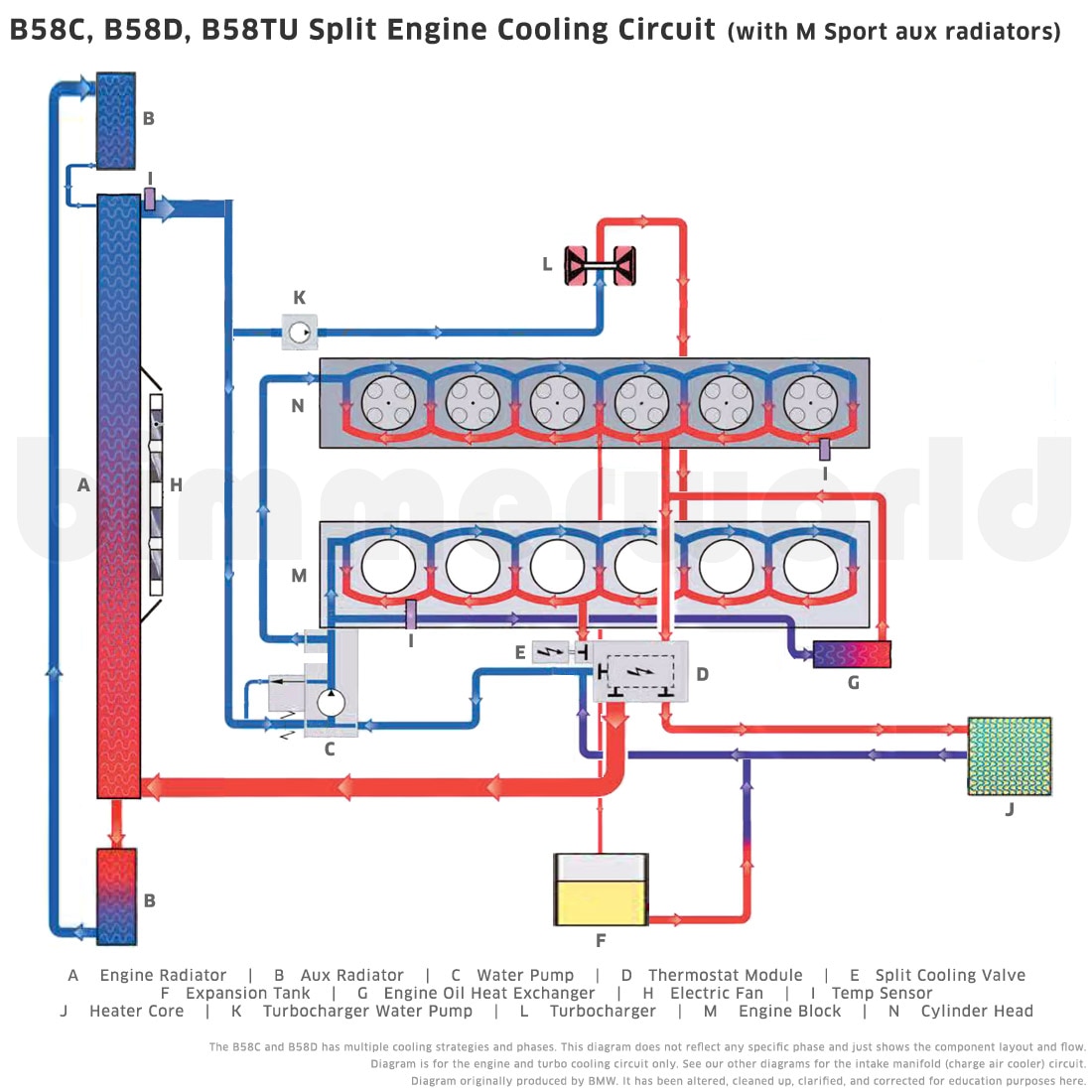
Credit: www.bimmerworld.com
Frequently Asked Questions
How Does A Car Heating System Work?
A car heating system uses engine heat to warm the cabin. Coolant absorbs engine heat and flows through the heater core. A fan blows air over the heater core, sending warm air into the car. This process efficiently heats the interior during cold weather.
What Components Are In A Car Heating System?
Key components include the heater core, thermostat, coolant, blower fan, and control valve. The heater core acts like a small radiator. Coolant circulates engine heat to the core. The fan pushes warm air inside. Controls regulate temperature and airflow for comfort.
Why Is The Car Heater Slow To Warm Up?
The heater depends on engine temperature. It takes time for the engine and coolant to heat up. If the thermostat or coolant level is faulty, warming slows. Proper maintenance ensures quick and efficient heating inside the car.
Can A Faulty Thermostat Affect Car Heating?
Yes, a faulty thermostat can prevent the engine from reaching optimal temperature. This reduces heat available to the heater core. As a result, the cabin may stay cold. Replacing a malfunctioning thermostat restores proper heating performance.
Conclusion
Understanding your car’s heating system is essential. It keeps you warm. It clears foggy windows too. The process involves coolant, heaters, and fans. Each part plays a vital role. Regular maintenance ensures everything works smoothly. Check hoses and coolant levels often.
This prevents unexpected problems. A well-functioning heater offers comfort in cold weather. Enjoy a cozy ride every time. Keep your car’s heating system in top shape. It’s worth the effort.