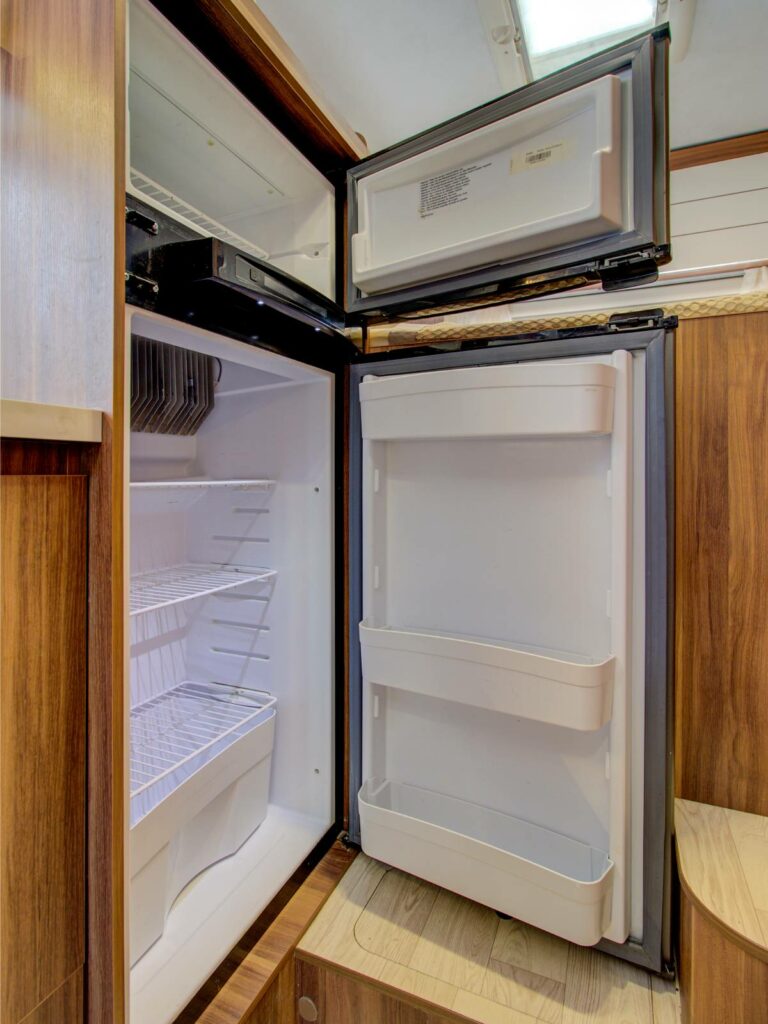
Have you ever wondered how your RV refrigerator keeps your food fresh while you’re on the road? Understanding how this small but powerful appliance works can save you from unexpected food spoilage and help you use your RV more efficiently.
Whether you’re a seasoned traveler or just starting out, knowing the basics of your RV fridge will give you confidence and peace of mind every time you hit the road. Let’s dive into the simple science behind your RV refrigerator and discover how it keeps your meals cool no matter where you are.

Credit: www.youtube.com
Types Of Rv Refrigerators
Understanding the different types of refrigerators available for your RV can help you choose the right one that fits your travel needs and power availability. Each type operates differently and has its own advantages and drawbacks. Knowing these can save you from unexpected issues on the road and help maintain your food fresh throughout your journey.
Absorption Refrigerators
Absorption refrigerators are popular in RVs because they can run on propane, electricity, or battery power. They work by heating a special solution to create cooling through a chemical process, not by a compressor. This means they have no moving parts, making them very quiet and reliable on long trips.
However, they cool slower than compressor models and are sensitive to being level. Ever noticed your fridge not cooling well on a steep hill? That’s often due to the absorption system’s need to stay flat. If you camp on uneven ground often, this is something to keep in mind.
Compressor Refrigerators
Compressor refrigerators work like the ones in your home, using a motor and compressor to circulate refrigerant and cool the interior. They run on electricity, typically 12V DC from your RV battery or 120V AC when hooked to shore power. This type cools faster and handles heat better than absorption models.
One downside is noise—compressor refrigerators can hum or buzz, which might bother light sleepers. But if you want efficient cooling with less concern about leveling, this could be the fridge for your RV adventures.
Thermoelectric Refrigerators
Thermoelectric refrigerators use a solid-state cooling device called a Peltier cooler. They are lightweight and have no moving parts, making them very quiet and low maintenance. These fridges work best for small spaces or as coolers rather than full-sized refrigerators.
The catch? Thermoelectric models aren’t as cold as absorption or compressor types and can struggle in hot climates. If you carry mostly drinks and snacks and camp in mild weather, this fridge type might be enough for your needs.
Key Components Inside
Inside an RV refrigerator, a cooling unit removes heat to keep food fresh. Key parts include a compressor, condenser, and evaporator that work together to cool efficiently. These components use electricity or propane to maintain low temperatures.
Understanding how a refrigerator works in an RV can enhance your travel experience. Knowing the key components inside will help you maintain the appliance and ensure it runs efficiently. Let’s dive into these essential parts that make your RV refrigerator tick.Cooling Unit
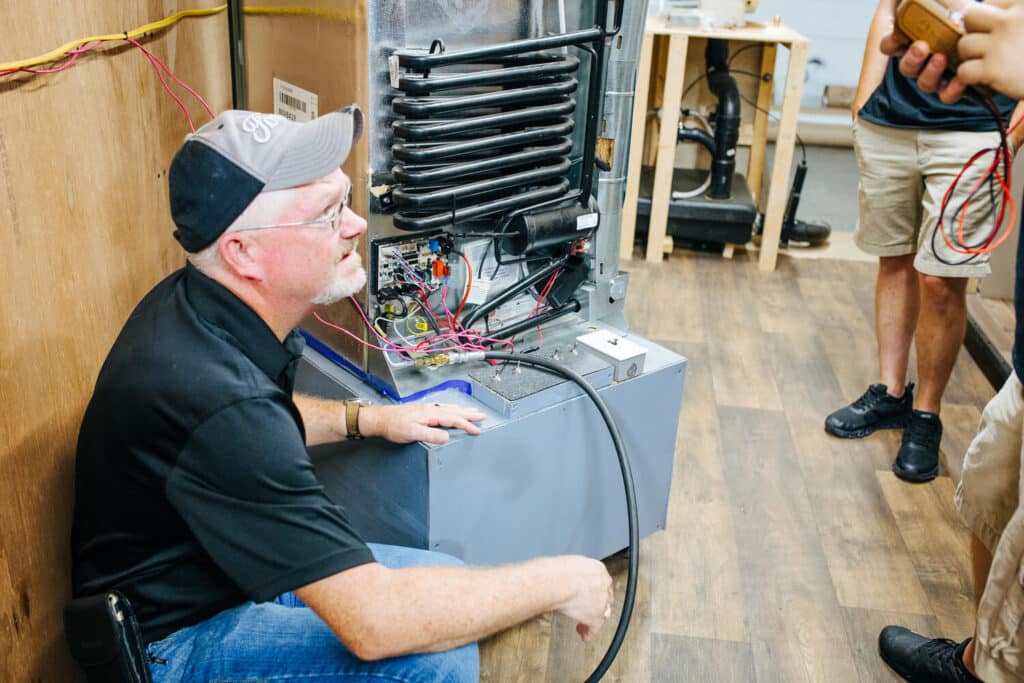
The cooling unit is the heart of your RV refrigerator. It uses a unique absorption process to cool the interior, unlike the compressor-based systems in home refrigerators. This unit relies on a combination of ammonia, hydrogen gas, and water, which circulate within a closed system to create a cooling effect. The beauty of this system is its ability to run on multiple power sources such as propane, AC, or DC power. This flexibility is a game-changer for off-grid adventures. Imagine having the freedom to camp anywhere without worrying about food spoilage.Heat Exchange System
The heat exchange system plays a vital role in removing heat from inside the refrigerator. It consists of a series of tubes and fins that dissipate heat to the outside environment. When heat is effectively expelled, the interior of your fridge stays cold. You might not think about it often, but proper ventilation is crucial for this system to function well. Blocked vents can lead to overheating and poor cooling performance. So, next time you’re on the road, make sure those vents are clear and unobstructed.Control Panel
The control panel is your interface with the refrigerator, allowing you to adjust temperature settings and switch between power sources. Modern RV refrigerators often come with digital displays, making it easier for you to monitor the appliance’s status. A common feature you might appreciate is the automatic energy selector, which chooses the best power source available. This feature not only simplifies operation but also ensures you’re conserving energy effectively. Have you ever thought about how much convenience this little panel brings to your mobile lifestyle? By understanding these components, you’ll be better equipped to troubleshoot issues and keep your refrigerator running smoothly.How Cooling Happens
Cooling in an RV refrigerator happens through a clever process using the principles of heat transfer and pressure changes. This process removes heat from the inside of the fridge and pushes it outside, keeping your food cold. Understanding how cooling happens helps you appreciate the technology behind RV refrigerators.
The Refrigeration Cycle
The refrigeration cycle is a loop that repeats continuously inside the fridge system. It moves heat out of the fridge by changing the refrigerant’s state between liquid and gas. This cycle includes compression, condensation, expansion, and evaporation stages.
- Compression: The refrigerant gas is compressed, raising its temperature.
- Condensation: The hot gas cools down and turns into liquid outside the fridge.
- Expansion: The liquid refrigerant passes through an expansion valve, lowering pressure and temperature.
- Evaporation: The cold refrigerant absorbs heat inside the fridge, turning back into gas.
Heat Removal Process
Heat inside the fridge moves to the refrigerant during evaporation. The refrigerant absorbs this heat and changes into a gas. The compressor then pushes the gas outside where the heat releases through coils. This process keeps the fridge interior cool and fresh.
Role Of Refrigerant
The refrigerant is a special fluid that changes easily between liquid and gas. It carries heat from inside the fridge to the outside. Its ability to evaporate at low temperatures makes it perfect for cooling. The choice of refrigerant affects how well the fridge works and its energy use.
Credit: blog.campingworld.com
Power Sources And Efficiency
Understanding the power sources of an RV refrigerator helps improve its efficiency. These refrigerators can run on multiple energy types. Each power source has pros and cons that affect performance and energy use. Choosing the right power source can save fuel and electricity. It also keeps food cold longer during trips.
Electricity Usage
RV refrigerators often use 120-volt electricity when plugged into shore power. This power source runs the fridge quietly and efficiently. It draws less fuel compared to propane. However, it requires a stable power connection. Using electricity also avoids open flames inside the RV.
Some models can run on 12-volt battery power. This allows cooling when not connected to shore power. But 12-volt mode uses more battery energy. It can drain batteries quickly if used for long periods. Managing battery charge is important for efficiency.
Propane Operation
Propane is a common fuel for RV refrigerators. It works by burning gas to create heat. This heat drives the cooling process inside the fridge. Propane does not need electricity to run. It is ideal for remote camping without power hookups.
Propane can keep the fridge cold for hours during travel. It is cost-effective and reliable. However, it requires proper ventilation and safety checks. Running on propane can be less efficient in very hot weather.
Energy Saving Tips
- Keep the fridge door closed as much as possible.
- Set the temperature to the recommended level, not colder.
- Park the RV in the shade to reduce heat inside.
- Turn off the fridge when the RV is not in use for long times.
- Use energy-efficient LED lights inside the fridge.
- Check door seals regularly to prevent cold air leaks.
Common Issues And Fixes
RV refrigerators face common issues that affect their performance. These problems often cause frustration but are usually easy to fix. Understanding these issues helps keep your fridge running smoothly on the road.
Temperature Fluctuations
Temperature changes inside the fridge can spoil food quickly. Often, this happens due to poor ventilation around the unit. Blocked vents prevent proper air circulation, causing uneven cooling. Another cause is a faulty thermostat that gives wrong signals. Check the thermostat settings and adjust if needed. Clean the vents regularly to allow airflow. Keep the fridge level to ensure the coolant flows properly.
Power Supply Problems
RV refrigerators rely on stable power sources like propane, 12V battery, or shore power. Power interruptions lead to fridge shutdowns or poor cooling. Inspect all power connections for loose wires or corrosion. Ensure propane tanks have enough fuel and valves are open. Use a multimeter to check battery voltage and charging system. Replace blown fuses and reset circuit breakers as needed.
Maintenance Tips
- Clean the condenser coils twice a year to improve efficiency.
- Defrost the freezer compartment regularly to avoid ice buildup.
- Check door seals for cracks or gaps; replace if damaged.
- Keep the fridge level to maintain proper coolant flow.
- Inspect propane lines and connections to prevent leaks.
- Run the fridge on all power modes to test functionality.

Credit: blog.campingworld.com
Optimizing Rv Refrigerator Performance
Optimizing your RV refrigerator’s performance can make a big difference in keeping your food fresh and your energy use low. Small adjustments in how you set up and maintain your fridge can boost its efficiency and lifespan. Let’s look at key areas you can control to get the most out of your RV refrigerator.
Proper Ventilation
Your RV refrigerator needs good airflow to work well. Without proper ventilation, heat can build up around the cooling unit, making it harder for the fridge to stay cold.
Check that the vents on the outside of your RV aren’t blocked by dirt, leaves, or other debris. Inside, make sure there’s enough space behind and around the refrigerator for air to circulate freely.
I once had a fridge that wouldn’t cool properly until I cleaned the vents and cleared some storage away from its back. The difference was immediate and noticeable.
Leveling The Refrigerator
Is your RV parked on an uneven surface? That can affect how your refrigerator cools. Many RV fridges rely on gravity for proper cooling, so being level is crucial.
Use a small bubble level to check the fridge’s position. Adjust your RV’s leveling jacks until the fridge sits evenly side to side and front to back.
Even a slight tilt can cause the cooling system to underperform or stop working. Have you ever noticed your fridge running constantly or not cooling enough? It might be time to check your leveling.
Loading And Organization
How you pack your fridge matters more than you might think. Overloading reduces air circulation inside, while empty spaces can cause the fridge to work harder to maintain temperature.
Keep your items organized with similar products grouped together. Use clear bins or containers to avoid overcrowding and allow cold air to flow around your food.
Placing a bottle of water inside can help maintain steady temperatures because it absorbs and releases cold slowly. Have you tried this trick before? It’s a simple way to keep your fridge running smoothly.
Frequently Asked Questions
How Does An Rv Refrigerator Keep Food Cold?
An RV refrigerator uses absorption cooling technology. It runs on propane, 12V DC, or 120V AC power. Heat moves through a special fluid to cool the interior. This process keeps food fresh even when the RV is off-grid or moving.
What Power Sources Can Rv Refrigerators Use?
RV refrigerators typically use three power sources: propane gas, 12V DC battery power, and 120V AC electricity. This flexibility allows them to operate in various camping environments, whether connected to shore power, running on battery, or using propane for off-grid cooling.
Why Is Ventilation Important For Rv Refrigerators?
Proper ventilation prevents overheating and ensures efficient cooling. RV refrigerators need external vents to release heat generated during the cooling process. Without good airflow, the fridge can overheat, leading to poor performance or damage.
Can Rv Refrigerators Run While Driving?
Yes, most RV refrigerators can run while driving using propane or 12V DC power. This continuous operation keeps your food cold and safe. However, 120V AC power usually isn’t available when driving unless connected to a generator.
Conclusion
Understanding how an RV refrigerator works helps you keep food fresh on the road. It uses different power sources like propane, electricity, or batteries to stay cool. Knowing its functions lets you use it safely and efficiently. Regular care and cleaning improve its performance and lifespan.
This knowledge makes your travels easier and more enjoyable. Keep your fridge running well and enjoy fresh meals wherever you go. Simple steps lead to better cooling and less worry on your journey.