Have you ever wondered how high-quality metal parts are made for the aerospace or medical industries? The secret often lies in a fascinating process called Vacuum Arc Remelting (VAR).
This technique is crucial for creating metals with superior strength and purity. But what exactly happens during VAR, and why is it so important for critical applications? Imagine being able to understand this complex process with ease, gaining insights that could elevate your knowledge in materials science or even help you in your industry.
In this blog post, you’ll discover the intriguing details of how Vacuum Arc Remelting works, unraveling its mysteries with clear and concise explanations. Get ready to dive into the core of a process that shapes the future of technology and innovation.
Credit: www.mdpi.com
Vacuum Arc Remelting Basics
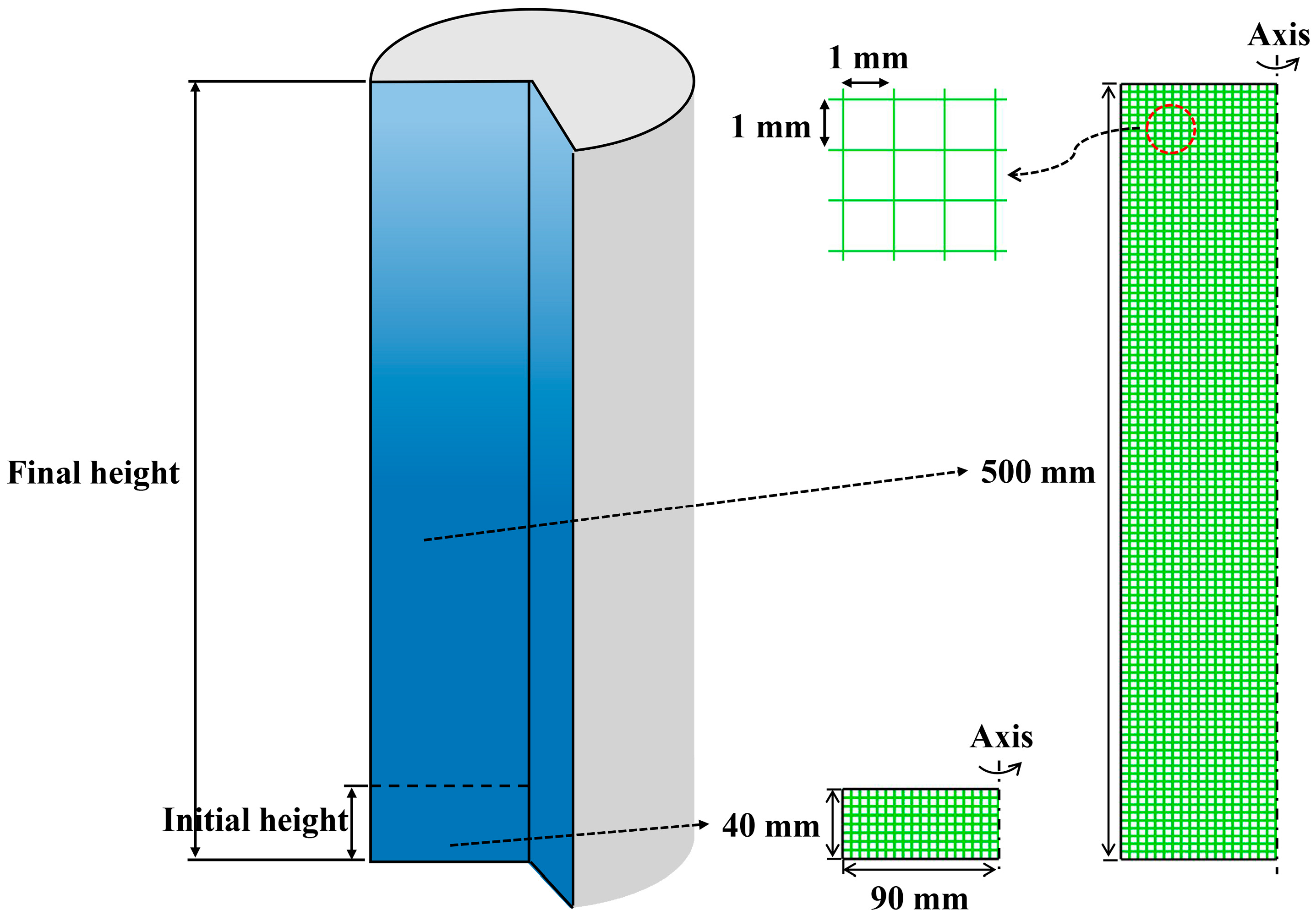
Vacuum Arc Remelting (VAR) is a refining process for metals. It improves the purity and quality of alloys. This process uses an electric arc under a vacuum. The vacuum helps remove unwanted gases and impurities. VAR is essential in aerospace, medical, and nuclear industries. It ensures metals have consistent properties and high strength.
Key Principles
- An electrode made from the metal is melted by an electric arc.
- The arc forms between the electrode and a water-cooled copper mold.
- The metal melts and drips into the mold, solidifying into an ingot.
- The vacuum environment prevents oxidation and contamination.
- Controlled cooling produces uniform metal structure and fewer defects.
Materials Used
VAR works best with high-performance alloys. Common metals include:
- Titanium and its alloys
- Nickel-based superalloys
- Stainless steel
- Specialty steels
These materials benefit from VAR’s purity and refined grain structure. The process removes gases like oxygen and nitrogen. This creates stronger and more reliable metal products.

Credit: www.sciencedirect.com
Equipment And Setup
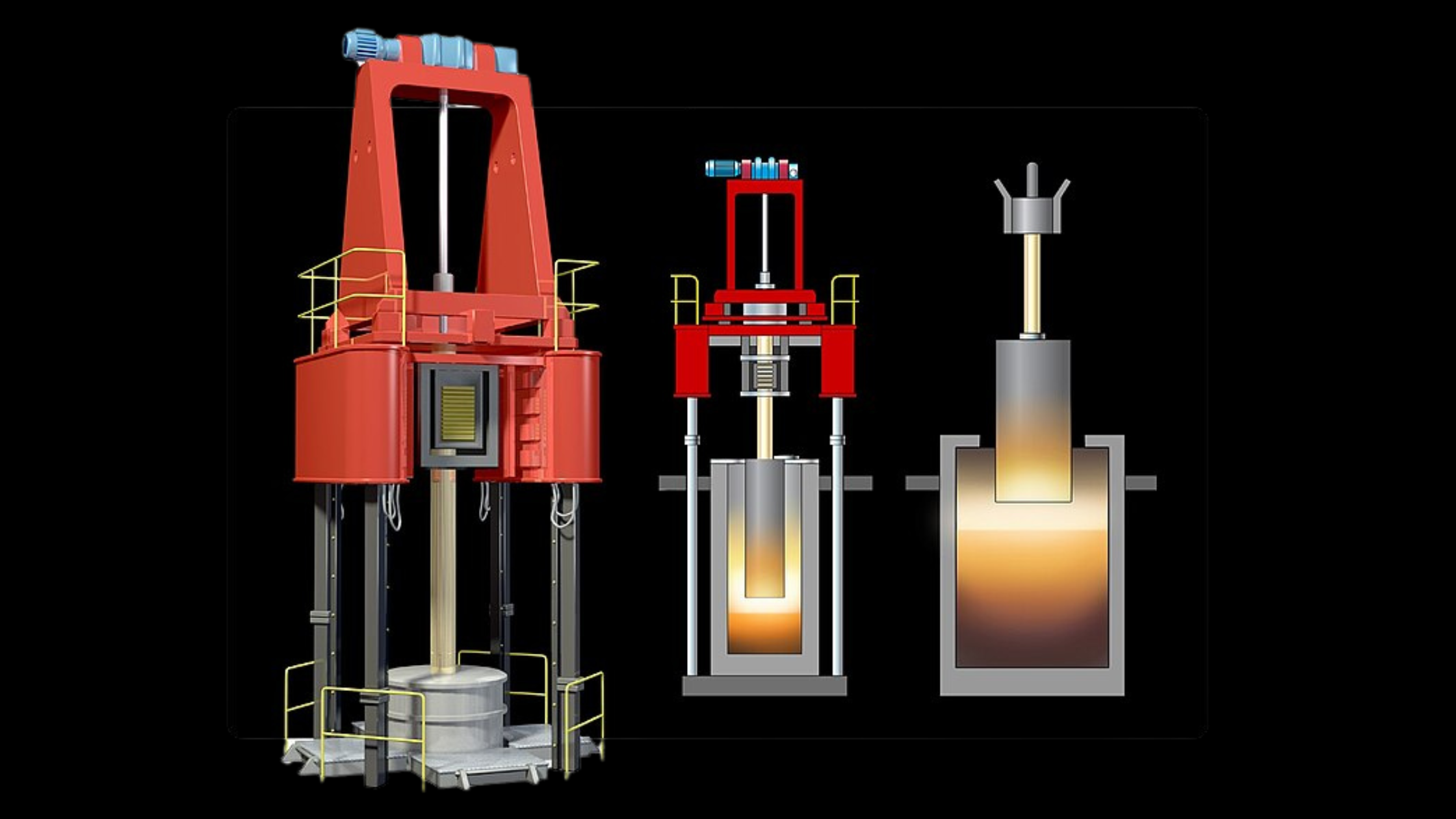
The equipment and setup of vacuum arc remelting (VAR) are crucial to producing high-quality metal alloys. This process uses specialized machinery designed to control temperature, atmosphere, and electrical conditions precisely. The main goal is to melt the metal while removing impurities and gases.
The setup includes an arc furnace inside a sealed vacuum chamber. Both parts work together to ensure the metal melts evenly and stays pure. Let’s explore the key components of the arc furnace and the role of the vacuum chamber.
Arc Furnace Components
The arc furnace contains several important parts:
- Electrode:A large metal rod that carries electric current to create the arc.
- Crucible:The container where the metal is melted. It must withstand high temperatures.
- Power Supply:Provides a steady electric current to maintain the arc.
- Cooling System:Keeps the furnace and surrounding parts from overheating.
The electrode produces a strong electric arc that melts the metal in the crucible. This arc is very hot and melts the alloy slowly and evenly. The power supply controls the arc’s intensity and stability. Cooling prevents damage to the furnace during long melting cycles.
Vacuum Chamber Role
The vacuum chamber surrounds the arc furnace and removes air and gases. This action prevents oxidation and contamination of the metal. It creates a clean environment for melting.
Inside the vacuum chamber:
- Pressure is lowered to remove unwanted gases.
- The metal melts under controlled conditions.
- Impurities rise to the surface and are removed.
The vacuum also helps control the metal’s solidification, improving its quality. It reduces defects and produces a uniform structure in the alloy. This setup is essential for making strong and reliable metal parts used in aerospace, medical, and other industries.
Step-by-step Process
Understanding the step-by-step process of Vacuum Arc Remelting (VAR) reveals how precision and control come together to create high-quality metal alloys. Each phase plays a crucial role in ensuring the final product meets strict standards for purity and strength. Let’s break down how this fascinating process unfolds.
Electrode Preparation
The process starts with preparing the electrode, which is a solid metal bar made from the alloy to be refined. This electrode must be clean and free from contaminants to avoid impurities in the final ingot.
During preparation, any surface oxidation or dirt is removed carefully. Have you ever considered how even tiny impurities could affect the strength of a critical component, like a jet engine blade?
Arc Generation
Once the electrode is ready, it’s placed in a vacuum chamber filled with low pressure gas. An electric arc is struck between the electrode and a water-cooled copper mold below.
This arc generates intense heat, melting the tip of the electrode without exposing it to air. The vacuum environment prevents oxidation and contamination, which are common problems in conventional melting methods.
Melting And Solidification
The molten metal drips into the copper mold, where it cools and solidifies slowly. Controlled cooling is essential because it refines the metal’s microstructure, eliminating defects and improving uniformity.
As the electrode melts downward, the ingot grows from the bottom up. This slow, precise solidification ensures your final product has enhanced mechanical properties and fewer impurities than metals processed by other methods.
Credit: www.sullivansteel.com
Controlling Quality
Controlling quality in vacuum arc remelting (VAR) is essential to produce metals that meet strict standards. This process fine-tunes the metal’s properties by carefully managing impurities and the internal structure. By doing so, you ensure stronger, more reliable materials for critical applications.
Impurity Removal
Vacuum arc remelting operates in a vacuum, which helps remove gases like oxygen, nitrogen, and hydrogen from the metal. These impurities can cause weaknesses such as cracks or corrosion if left unchecked.
During VAR, the metal melts slowly, allowing impurities to escape as gases or form slag that stays separate from the molten metal. This step improves purity significantly compared to traditional melting methods.
Have you ever wondered why aerospace parts require such high purity? This process explains it: removing tiny impurities can prevent catastrophic failures in extreme conditions.
Microstructure Refinement
The slow cooling in vacuum arc remelting encourages a uniform microstructure in the metal. This means the grains inside the metal grow evenly, which enhances strength and toughness.
Refining the microstructure reduces defects like porosity and segregation that often weaken the material. The result is a more consistent and predictable performance under stress.
Imagine using a metal that’s prone to cracking because of uneven grain sizes. VAR helps you avoid this by creating a fine, stable microstructure that lasts longer in demanding environments.
Applications And Benefits
Vacuum Arc Remelting (VAR) offers unique applications and benefits in metal production. This process improves metal purity and structural integrity. It is vital in industries requiring high-quality alloys and superalloys. VAR controls impurities and reduces defects in metals. These advantages make VAR essential for demanding manufacturing needs.
Industries Using Var
- Aerospace: Produces critical engine components and airframe parts.
- Medical: Creates surgical tools and implants with high purity.
- Energy: Manufactures turbine blades and nuclear reactor parts.
- Automotive: Develops strong, wear-resistant parts for performance vehicles.
- Tooling: Produces high-strength tools for industrial applications.
Advantages Over Other Methods
- Improves metal cleanliness by removing gases and inclusions.
- Enhances alloy homogeneity for consistent mechanical properties.
- Reduces segregation and porosity in metal ingots.
- Offers precise control over solidification rates and structures.
- Produces metals with superior fatigue resistance and durability.
Challenges And Innovations
Vacuum Arc Remelting (VAR) is a precise metal refining process. It improves metal purity and consistency. Despite its benefits, the process faces several challenges. Innovations continue to address these obstacles. These advancements make VAR more efficient and reliable.
Process Limitations
VAR requires a high vacuum environment, which is costly. Maintaining stable arc conditions is difficult. Fluctuations can cause defects in the metal. The process is also slow, limiting production speed. Some alloys are hard to remelt evenly. Controlling temperature gradients remains a challenge. These factors affect the final metal quality.
Recent Technological Advances
New sensor technologies monitor the arc more precisely. Automation improves process control and reduces errors. Advanced vacuum systems lower operating costs. Computer models simulate melting behavior for better control. Improved electrode designs enhance melting uniformity. These innovations reduce defects and increase output. They also expand VAR’s use for complex alloys.
Frequently Asked Questions
What Is Vacuum Arc Remelting (var) Process?
Vacuum Arc Remelting (VAR) is a metal refining technique. It melts an electrode under vacuum using an electric arc. This removes impurities and improves alloy quality and consistency. VAR enhances metal cleanliness, homogeneity, and mechanical properties for critical applications.
Why Is Vacuum Used In Vacuum Arc Remelting?
Vacuum prevents contamination from air and gases during melting. It reduces oxidation and gas absorption in the molten metal. This leads to higher purity and better control over chemical composition. Vacuum also improves the quality and reliability of the final ingot.
How Does The Electric Arc Melt The Metal?
An electric arc forms between the electrode and the base plate. The arc’s intense heat melts the electrode tip gradually. Molten metal droplets fall into the crucible below, solidifying into an ingot. This controlled melting ensures uniform structure and fewer defects.
What Metals Benefit Most From Vacuum Arc Remelting?
VAR is ideal for high-performance alloys like titanium, nickel, and superalloys. These metals require strict purity and structural integrity. VAR removes inclusions and refines grain structure, enhancing strength and fatigue resistance. It’s widely used in aerospace, medical, and nuclear industries.
Conclusion
Vacuum arc remelting creates cleaner, stronger metal alloys. It uses heat and vacuum to remove impurities. This process improves metal quality for many industries. Metals made this way last longer and perform better. The method controls metal properties with high precision.
Understanding this helps appreciate advanced metal production. It plays a key role in making durable tools and parts. Vacuum arc remelting ensures metal meets strict standards. This technology supports innovation in aerospace, medical, and more. It is a vital step in modern metalwork.