
Have you ever wondered how professionals safely dig around underground pipes and cables without causing damage? That’s where vacuum excavation comes in.
This smart and precise method uses powerful suction to remove soil quickly and carefully. If you want to understand how vacuum excavation works and why it’s becoming a go-to choice for construction and utility projects, keep reading. By the end, you’ll see how this technique can save time, reduce risks, and protect your important underground assets.
Basics Of Vacuum Excavation
Vacuum excavation is a precise and safe digging method that uses powerful suction to remove soil or debris. This technique reduces the risk of damaging underground utilities and speeds up the excavation process. Understanding the basics can help you decide if this method suits your project needs.
Key Components
The vacuum excavation system mainly consists of three parts:
- Vacuum Unit:This is the heart of the system, creating the suction needed to lift soil and debris.
- Excavation Tool:Often a high-pressure air or water lance that loosens the soil without harming underground utilities.
- Debris Tank:A container where the loosened soil and debris are collected for easy removal.
Each component plays a crucial role in making the excavation efficient and safe. Have you ever considered how much damage traditional digging methods can cause compared to this?
Types Of Vacuum Excavation
There are two main types of vacuum excavation, each with its own strengths:
- Hydro Excavation:Uses high-pressure water to break up soil. It’s gentle on underground utilities and works well in clay or compacted soil.
- Pneumatic Excavation:Uses high-pressure air to loosen soil. This method is better for sandy or loose soil and avoids water-related issues.
Choosing the right type depends on your soil conditions and project requirements. Which type do you think would suit your site best?
Step-by-step Process
Understanding how vacuum excavation works can help you appreciate its precision and safety on any job site. The process involves several clear stages, each crucial for effective and clean excavation. Let’s break down what happens from start to finish.
Site Preparation
Before any digging begins, the site must be carefully prepared. You’ll need to mark the exact area where excavation will take place to avoid damaging underground utilities. Clearing debris and ensuring the ground is accessible for the vacuum equipment is essential.
Have you ever seen a project stalled because of unclear site boundaries? Proper preparation saves time and prevents costly mistakes.
Soil Loosening Techniques
The soil needs to be loosened so the vacuum can efficiently remove it. This is usually done using high-pressure air or water jets, which break up the soil without harming nearby structures or cables. You can choose the method based on soil type and sensitivity of the surrounding area.
Imagine trying to vacuum packed dirt without loosening it first—it just doesn’t work well. Loosening the soil first makes the whole process smoother and faster.
Material Removal
Once the soil is loosened, the vacuum system sucks up the debris through a powerful hose. The operator controls the suction carefully to avoid disturbing underground utilities. The process is precise enough to expose cables, pipes, or roots without causing damage.
Have you considered how much safer this is compared to traditional digging? It significantly reduces the risk of accidents and costly repairs.
Waste Collection And Disposal
After removal, the soil and debris are collected in a storage tank attached to the vacuum unit. This waste is then transported to an appropriate disposal site or recycling facility. Proper disposal ensures the work site stays clean and environmentally compliant.
Handling waste properly is often overlooked but crucial for maintaining site safety and meeting regulations. What’s your plan for dealing with excavation waste?
Equipment And Technology
Vacuum excavation relies on specialized equipment designed to safely and efficiently remove soil and debris. The technology behind this process allows you to expose underground utilities without causing damage. Understanding the main tools involved can help you appreciate how precise and careful this method truly is.
Vacuum Trucks
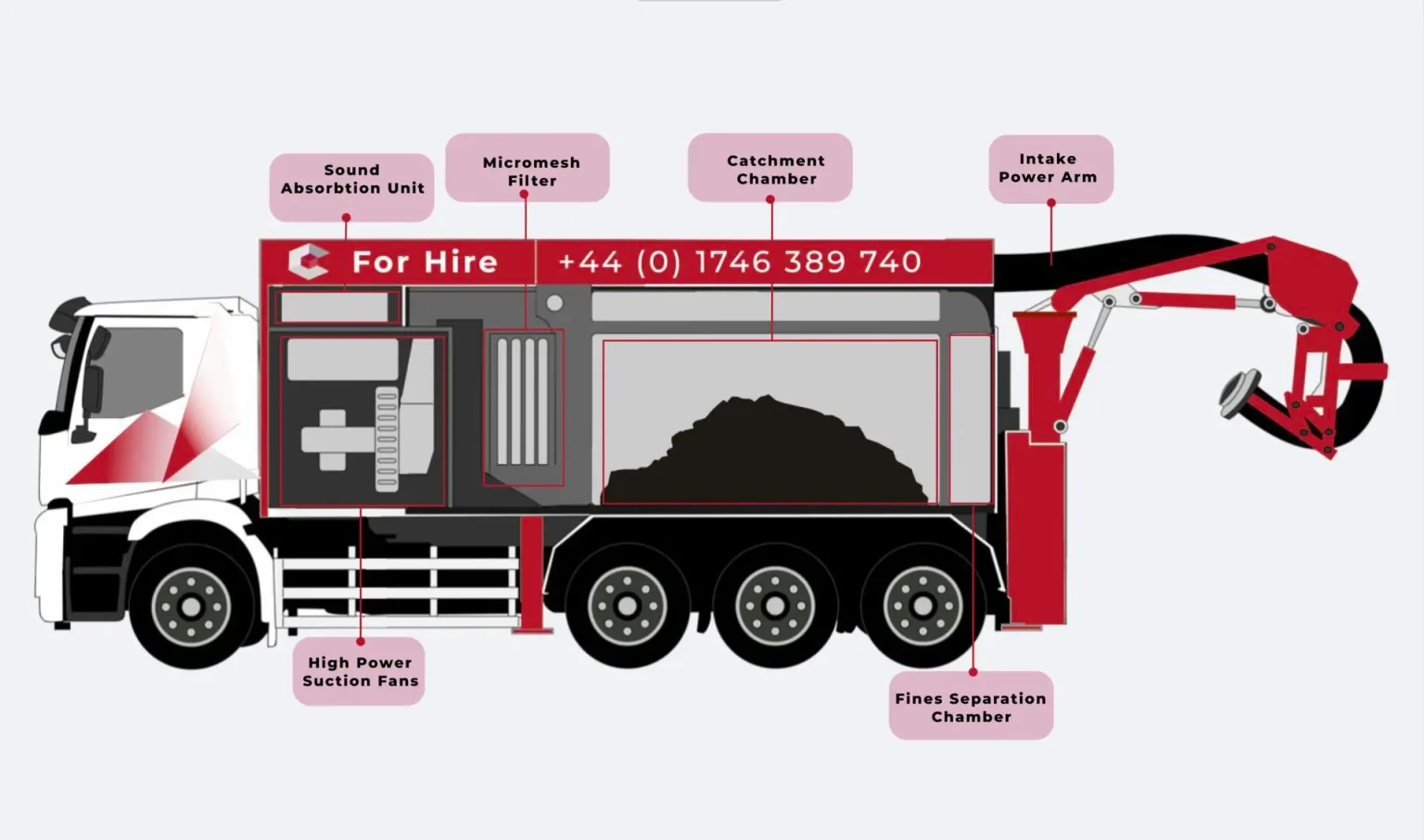
At the heart of vacuum excavation is the vacuum truck. These trucks are equipped with powerful suction systems that remove soil and debris through a large hose. The tank on the truck stores the excavated material, keeping the site clean and organized.
You’ll find that vacuum trucks come in different sizes, tailored to the scale of the job. Smaller trucks offer better maneuverability in tight spaces, while larger models handle bigger volumes of debris for extensive projects.
Air And Water Excavation Tools
Air and water are the two main tools used to loosen soil before it is vacuumed up. Air excavation uses high-pressure air to break up soil gently, reducing the risk of damaging underground utilities. This method works well in dry conditions and for softer soils.
Water excavation, on the other hand, uses a pressurized water jet to break up tougher or compacted ground. It’s highly effective but requires careful control to avoid creating mud or flooding. Choosing between air and water depends on the soil type and site conditions.
Safety Features
Safety is built into every part of vacuum excavation equipment. Most vacuum trucks include automatic shut-off systems that stop suction if a blockage or hazard is detected. This protects both the operator and underground utilities from damage.
Additionally, many tools have ergonomic designs to reduce operator fatigue and enhance control. Reflective markings and audible alarms on the trucks increase visibility and awareness on busy job sites, helping keep everyone safe.

Credit: get-directed.com.au
Applications In Various Industries
Vacuum excavation stands out as a precise and efficient technique that finds valuable use across many industries. Its ability to safely expose underground utilities and materials without causing damage makes it a preferred choice. Understanding where and how you can apply this technology might change how you approach your next project.
Construction And Utility Work
In construction, vacuum excavation helps you avoid damaging underground pipes and cables. It’s especially useful in urban areas where digging blindly can lead to costly repairs and dangerous accidents.
Utility companies rely on this method to locate and expose existing infrastructure before repair or installation. It reduces downtime and improves safety for workers and nearby residents.
Have you ever considered how much time and money you might save by using vacuum excavation instead of traditional digging?
Environmental Cleanup
Vacuum excavation is ideal for environmental cleanup projects because it minimizes soil disruption. You can remove contaminated soil, debris, or waste with precision, reducing environmental impact.
This technique is often used at spill sites or areas with hazardous materials, allowing for targeted cleanup without spreading pollutants.
Thinking about environmental safety, how might this method improve your cleanup efforts while protecting surrounding ecosystems?
Archaeological Excavations
Archaeologists benefit from vacuum excavation when uncovering delicate artifacts buried underground. The gentle suction avoids damaging fragile items that traditional tools might harm.
It allows you to carefully remove layers of soil and debris, preserving the context and integrity of the site.
If you’re involved in archaeological digs, could vacuum excavation offer you a safer way to uncover history without risking loss or damage?
Benefits Over Traditional Excavation
Vacuum excavation offers several benefits over traditional digging methods. It uses high-pressure air or water and a vacuum system to remove soil safely. This approach reduces many risks and improves work speed. It also helps protect the environment better than conventional excavation.
Reduced Risk Of Damage
Vacuum excavation lowers the chance of hitting underground utilities. It uses gentle air or water to loosen soil, avoiding sharp tools. This careful process prevents damage to cables, pipes, and other infrastructure. Fewer accidents mean less costly repairs and safer work sites.
Improved Efficiency
This method speeds up digging tasks by removing soil quickly and cleanly. It requires less manual labor and reduces downtime. Operators can see underground objects clearly, making precise digs easier. Faster work means projects finish on time and with fewer delays.
Environmental Advantages
Vacuum excavation minimizes soil disruption and erosion. It uses less water and creates less waste compared to traditional digging. The process avoids heavy machinery that can compact soil and harm plants. This makes it a greener choice for construction and repair jobs.

Credit: melbourne.rapidvactrucks.com.au
Challenges And Limitations
Vacuum excavation offers many benefits, but it also faces some challenges and limitations. These issues affect its effectiveness and cost. Understanding these helps in choosing the right method for each project.
Soil Type Restrictions
Vacuum excavation works best in loose, sandy, or granular soils. Hard, rocky, or clay soils can reduce its efficiency. Compact soils may require more power and time to break up. Frozen ground is also difficult to penetrate with vacuum excavation. These soil types limit the method’s ability to remove materials cleanly.
Equipment Costs
Vacuum excavation machines are expensive to buy and maintain. The technology involves powerful pumps, heavy-duty hoses, and special tanks. Repairing or replacing parts adds to the cost. Small projects may find the investment too high. Renting equipment is an option but still costly for long-term use.
Operational Constraints
Vacuum excavation needs trained operators to run safely and effectively. Operators must monitor pressure and soil removal constantly. The process can be slower than traditional digging in some cases. Weather conditions like rain or snow affect operations negatively. Space limitations also restrict where the equipment can work.
Future Trends In Vacuum Excavation
Vacuum excavation is evolving rapidly, and its future looks promising with advancements that promise greater efficiency, safety, and environmental care. Staying ahead means understanding where the industry is heading and how new developments could impact your projects. Let’s look at the key trends shaping vacuum excavation’s next chapter.
Technological Innovations
Technology is transforming vacuum excavation equipment. New machines come with smarter sensors that detect underground utilities more precisely, reducing accidental strikes. Imagine a vacuum excavator that alerts you instantly to the presence of cables or pipes before you dig—this is becoming a reality.
Automation is also making its way into the field. Remote-controlled or semi-autonomous vacuum excavators can operate in hazardous or hard-to-reach areas, improving worker safety. Have you considered how automation could speed up your site work while lowering risks?
Sustainability Focus
Eco-friendly practices are taking center stage in vacuum excavation. Manufacturers are designing machines that use less fuel and produce fewer emissions, which helps meet stricter environmental regulations. You might notice equipment powered by electric or hybrid engines becoming more common on job sites.
Additionally, vacuum excavation reduces soil disturbance compared to traditional digging, preserving the natural environment. This method supports your commitment to sustainability by minimizing damage to ecosystems and reducing cleanup costs.
Integration With Other Methods
Vacuum excavation is increasingly used alongside other digging techniques to optimize results. For example, combining it with hydro excavation or mechanical digging allows you to tailor the approach based on soil conditions and project requirements. This flexibility can save time and money on complex sites.
Digital tools also play a role here. Integrating vacuum excavation data with geographic information systems (GIS) and project management software helps you plan and track progress more effectively. How much easier would your project be with real-time data guiding your excavation decisions?
Credit: www.capital-group.uk
Frequently Asked Questions
What Is Vacuum Excavation And How Does It Work?
Vacuum excavation uses high-pressure air or water to loosen soil. A powerful vacuum then removes the debris safely. This method minimizes damage and improves precision in digging around underground utilities.
Why Is Vacuum Excavation Safer Than Traditional Digging?
Vacuum excavation reduces risk by avoiding direct contact with underground utilities. It uses non-destructive suction instead of heavy machinery. This lowers accidents, utility strikes, and costly repairs during excavation projects.
What Industries Benefit Most From Vacuum Excavation?
Construction, utility maintenance, and environmental sectors benefit greatly. It helps in locating pipelines, cables, and delicate infrastructure safely. This method is ideal for urban areas requiring precise, non-invasive digging.
How Does Vacuum Excavation Protect Underground Utilities?
The process gently removes soil without using mechanical digging tools. This prevents accidental cuts or damage to pipes and cables. It ensures the safety and integrity of underground networks during excavation.
Conclusion
Vacuum excavation uses air or water to dig safely. It removes soil without harming underground pipes or cables. This method is faster and cleaner than traditional digging. Workers can see the area clearly as they dig. It helps prevent costly damage and delays.
Many industries trust vacuum excavation for precise digging. It suits both small and large projects well. Understanding how it works shows why it’s a smart choice. Safe digging matters. Vacuum excavation delivers that safety with ease.