Imagine a world where cleaning is effortless, where dust and debris vanish with the push of a button. Sounds like a dream, right?
Well, vacuum filters are the unsung heroes making this dream a reality. But have you ever wondered how these little devices work their magic? Understanding the mechanics behind vacuum filters can transform the way you clean your home. You’ll discover the fascinating process that allows vacuum filters to trap dirt, allergens, and more, ensuring a cleaner, healthier living space for you and your loved ones.
Stick around, and you’ll never look at your vacuum cleaner the same way again!

Credit: www.dreametech.com
Principles Of Vacuum Filtration
Understanding the principles behind vacuum filtration helps you see why it’s a preferred method for separating solids from liquids quickly and efficiently. This process relies on creating a pressure difference, using a filter medium, and effectively separating solid particles from the liquid. Let’s break down how each of these elements plays a vital role in making vacuum filtration work.
Role Of Pressure Difference
The core of vacuum filtration is the pressure difference between the inside of the filtration system and the surrounding environment. This difference pulls the liquid through the filter medium faster than gravity alone could.
Imagine trying to drink through a straw with and without suction. The vacuum creates a stronger force, speeding up the liquid flow. Without this pressure difference, filtration would be much slower and less efficient.
Filter Medium Function
The filter medium acts like a gatekeeper, allowing liquid to pass while trapping solid particles. It can be made of paper, cloth, or other porous materials depending on what you’re filtering.
Choosing the right filter medium is crucial. If the pores are too large, solids slip through; too small, and the process slows dramatically. Your choice impacts both the speed and quality of filtration.
Separation Of Solids And Liquids
As the liquid is pulled through the filter, solid particles get caught on the surface or within the filter medium. This separation is what cleans the liquid, leaving behind the solid residue.
Think about filtering coffee grounds from your brew. The grounds stay in the filter, while the coffee liquid passes through. In vacuum filtration, this separation is intensified by the pressure difference, making it faster and more thorough.
Key Components Of Vacuum Filters
Vacuum filters rely on several key parts to separate solids from liquids effectively. Each component plays a specific role in the filtration process. Understanding these parts helps to grasp how the entire system functions smoothly.
Vacuum Pump
The vacuum pump creates suction inside the filter. It pulls air out to reduce pressure. This low pressure forces liquid through the filter media. The pump’s strength impacts the filter’s efficiency and speed.
Filter Chamber
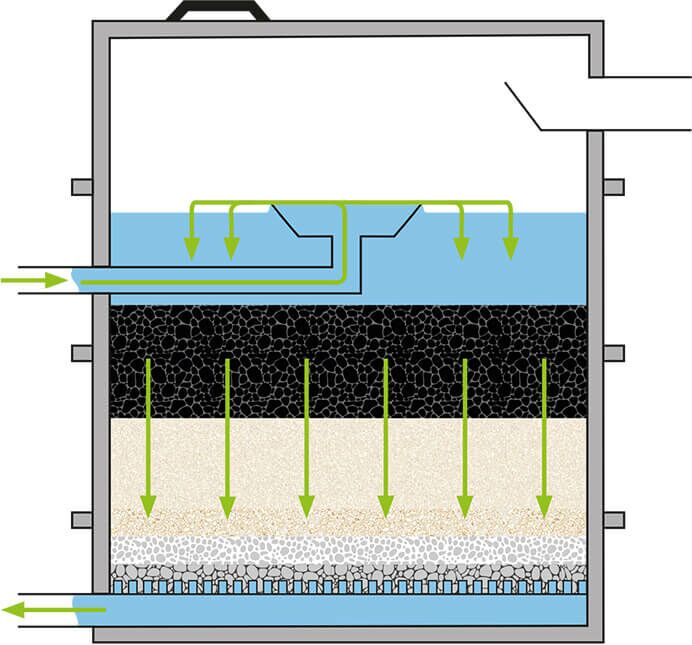
The filter chamber holds the mixture to be filtered. It keeps the slurry contained during the process. The chamber is built to withstand pressure changes. It directs flow toward the filter media for separation.
Filter Cloth And Media
Filter cloth acts as a barrier for solids. It lets the liquid pass through while trapping particles. Different materials suit various types of slurry. The choice of filter media affects clarity and filtration rate.
Discharge Mechanism
The discharge mechanism removes filtered solids from the cloth. It can be a scraper, shaker, or hydraulic system. This step clears the filter for the next cycle. Proper discharge prevents clogging and maintains flow.
Types Of Vacuum Filters
Vacuum filters come in different types, each designed for specific tasks. They help separate solids from liquids efficiently. Understanding these types helps choose the right filter for your needs. Each type uses vacuum pressure to speed up filtration and improve clarity.
Belt Vacuum Filters
Belt vacuum filters use a moving belt to filter liquids. The belt is porous and captures solid particles. A vacuum underneath pulls the liquid through the belt. This type works well for continuous filtration in large operations.
Rotary Drum Vacuum Filters
Rotary drum vacuum filters have a rotating drum covered with filter cloth. The drum dips into a slurry tank. Vacuum pulls liquid through the cloth, leaving solids on the surface. The drum rotates to dry and remove solids continuously.
Plate And Frame Vacuum Filters
Plate and frame filters use a stack of plates with filter cloths. Slurry enters each chamber, and vacuum pulls liquid through the cloth. Solids stay inside the frame. These filters work well for batch operations and thick slurries.
Disk Vacuum Filters
Disk vacuum filters have several flat disks arranged in a circle. Disks rotate slowly through the slurry. Vacuum pulls liquid through the disk surface. Solids form a cake, which is then removed as the disk turns. This type suits medium-scale filtration tasks.
Step-by-step Filtration Process
Understanding how a vacuum filter works becomes much clearer when you break down the process into clear, manageable steps. Each phase plays a crucial role in separating solids from liquids efficiently. Let’s walk through the step-by-step filtration process to see how your slurry transforms into a clean filtrate and a solid cake.
Slurry Feeding
The process begins with slurry feeding, where the mixture of solid particles suspended in liquid enters the vacuum filter. The slurry is evenly spread over the filter medium, usually a cloth or mesh, which supports the solids while allowing liquid to pass through.
Have you noticed how the even distribution of slurry impacts the filter’s efficiency? Uneven feeding can cause blockages or reduce the filtration rate, so controlling this step is key.
Cake Formation
As the vacuum pulls liquid through the filter medium, solid particles start to accumulate and form a layer called the filter cake. This cake gradually thickens as more solids collect.
The thickness and quality of the cake influence how well the filter performs. If the cake becomes too thick or uneven, it might slow down filtration or trap unwanted impurities.
Washing And Drying
Once the cake forms, washing helps remove any remaining impurities trapped within it. Clean liquid, usually water or a solvent, is sprayed over the cake to flush out contaminants.
Drying follows washing, where the vacuum continues to remove residual moisture from the cake. This step ensures the cake is as dry as possible before discharge, improving handling and disposal.
Cake Discharge
After drying, the solid cake is removed from the filter medium. Depending on the design, this can happen by shaking, scraping, or other mechanical means.
Efficient cake discharge prevents downtime and prepares the filter for the next cycle. How smoothly this step works often determines overall productivity.
Factors Affecting Filtration Efficiency
Filtration efficiency in vacuum filters depends on several key factors. These factors influence how well the filter separates solids from liquids. Understanding them helps improve the filtration process and achieve better results.
Each factor plays a role in controlling the speed, clarity, and dryness of the filtered material. Optimizing these can reduce costs and increase productivity in industrial filtration.
Vacuum Pressure Levels
Vacuum pressure affects the force pulling the liquid through the filter. Higher pressure speeds up filtration but can damage the filter cake. Low pressure may slow the process and reduce cake dryness. Finding the right vacuum level balances speed and quality.
Filter Media Selection
The filter media acts as a barrier that traps solids while letting liquid pass. Different materials suit different slurry types and particle sizes. A fine mesh captures small particles but clogs faster. Coarse media allows faster flow but may lose fine solids. Media durability also impacts efficiency.
Slurry Properties
Slurry consistency, particle size, and concentration influence filtration. Thick slurries take longer to filter and can block the media. Fine particles may pass through or form a dense cake. Slurry chemistry, like pH and viscosity, also affects performance. Adjusting slurry properties can improve results.
Operating Temperature
Temperature changes the viscosity of the liquid in the slurry. Higher temperatures lower viscosity, improving flow rate. Cold conditions make liquids thicker and slow filtration. Temperature also affects filter media strength and cake formation. Maintaining optimal temperature enhances efficiency.

Credit: www.dreametech.com
Common Applications Of Vacuum Filters
Vacuum filters play a crucial role in many industries by efficiently separating solids from liquids. Their ability to handle various materials and conditions makes them versatile tools you might encounter in different settings. Understanding where vacuum filters are commonly used can help you appreciate their impact on product quality and operational efficiency.
Chemical Industry
In the chemical industry, vacuum filters help separate chemical solids from liquid solutions during manufacturing. They improve the purity of chemicals by removing unwanted particles quickly and reliably. If you’ve ever wondered how companies maintain consistency in chemical products, vacuum filtration is often a key step.
Pharmaceutical Production
Pharmaceutical companies rely on vacuum filters to purify drugs and active ingredients. The process ensures that the final product is free from contaminants, meeting strict safety standards. When you take medication, the role of vacuum filtration behind the scenes guarantees its safety and effectiveness.
Food And Beverage Processing
Vacuum filters are widely used to clarify juices, remove solids from syrups, and even process dairy products. This helps maintain flavor and texture while extending shelf life. Ever noticed how clear and smooth your favorite juice is? Vacuum filtration often makes that possible.
Wastewater Treatment
In wastewater treatment plants, vacuum filters remove suspended solids from industrial and municipal water. This step protects the environment by ensuring cleaner water is released back into nature. If you care about water quality, understanding this application highlights how filtration supports sustainability.
Maintenance Tips For Vacuum Filters
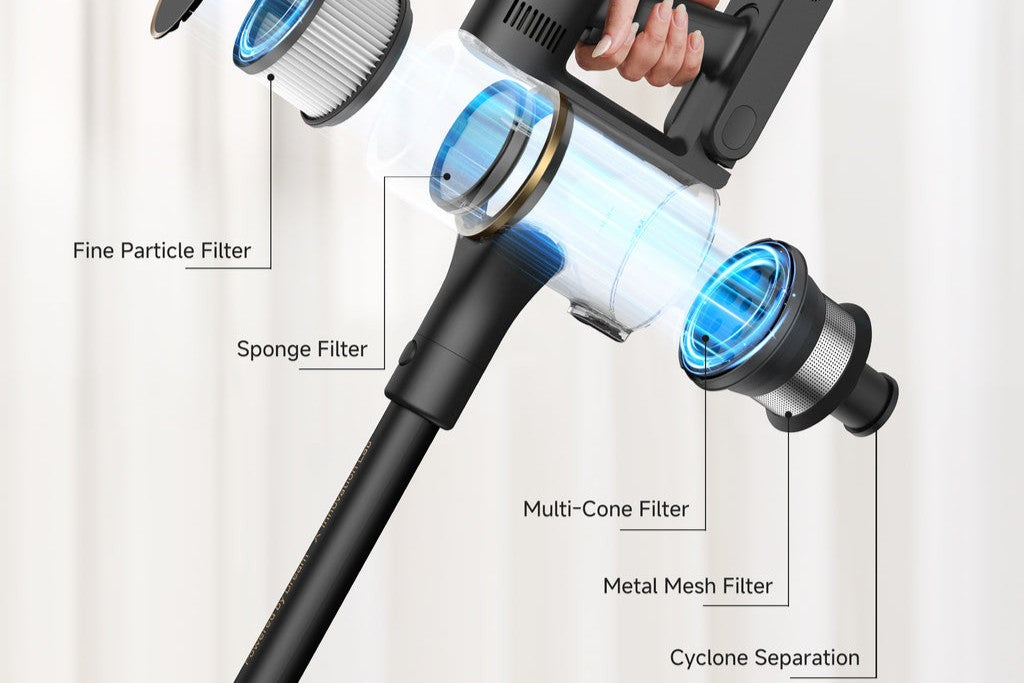
Keeping your vacuum filter in top shape is key to ensuring your vacuum cleaner performs well and lasts longer. Regular maintenance prevents clogging, boosts suction power, and keeps dust from escaping back into your space. Let’s dive into some practical tips that you can easily apply to maintain your vacuum filters effectively.
Regular Inspection
Make it a habit to check your vacuum filter every few weeks, especially if you use the vacuum often. Look for visible dirt buildup, tears, or any signs of wear and tear. Catching these early helps you avoid bigger problems like motor strain or reduced efficiency.
Ask yourself: Is the filter still capturing dust well, or does it seem clogged? If you notice dust bypassing the filter, it’s time to act.
Filter Media Replacement
Filters have a lifespan, and replacing them at the right time is crucial. Follow the manufacturer’s guidelines, but if you notice a drop in suction or persistent odors, consider swapping out the filter sooner. Using a worn filter is like trying to breathe through a thick scarf — it just doesn’t work well.
Keep spare filters on hand to avoid downtime. This simple step saved me from frustration during a big cleaning day when my filter suddenly gave out.
Vacuum System Checks
Don’t just focus on the filter; inspect the entire vacuum system regularly. Check hoses and seals for cracks or blockages that can affect performance. Even a small leak can reduce suction and cause dust to escape, defeating the purpose of your filter.
Have you noticed your vacuum losing power despite a clean filter? This might be the reason.
Cleaning Procedures
Cleaning your vacuum filter properly extends its life and maintains efficiency. Gently tap the filter outdoors to remove loose dust or use a soft brush to clean it. Avoid using water unless the filter is washable—always check the instructions first.
Remember, harsh cleaning can damage the filter media. Treat your filter with care, and it will serve you well.
Credit: www.ospa-schwimmbadtechnik.com
Troubleshooting Common Issues
Troubleshooting common issues in vacuum filters helps maintain efficiency and prolong equipment life. Identifying problems early reduces downtime and repair costs. This section covers frequent issues and simple ways to resolve them.
Low Vacuum Pressure
Low vacuum pressure reduces filtration speed and quality. Check for blockages in the vacuum line or pump. Inspect vacuum pump oil levels and replace if dirty. Ensure all valves are open and functioning properly. Tighten any loose connections that may cause air leaks.
Clogged Filter Media
Clogged filter media slows down filtration and causes uneven cake formation. Regularly clean or replace filter cloths and screens. Avoid overloading the filter with solids. Use pre-treatment steps to reduce large particles. Inspect the filter for tears or damage that trap debris.
Inconsistent Cake Quality
Uneven cake quality can result from incorrect feed rate or vacuum pressure. Maintain steady feed flow and adjust vacuum settings as needed. Check the cake thickness regularly and remove excess solids. Ensure filter media is uniform and free of holes or tears. Monitor cake washing to avoid contamination.
Leaks And Seal Failures
Leaks and seal failures cause loss of vacuum and contamination. Inspect seals and gaskets for wear or cracks. Replace damaged seals immediately to maintain airtight conditions. Clean sealing surfaces before installation to ensure a tight fit. Use proper seal materials suitable for your process fluids.
Advancements In Vacuum Filtration Technology
Vacuum filtration technology has seen significant improvements over recent years. These advancements enhance performance, reduce costs, and lower environmental impact. Modern systems work faster and more efficiently than older models.
New innovations focus on better control, energy savings, and stronger filter materials. These changes make vacuum filters more reliable and easier to maintain. The technology now meets stricter environmental standards while delivering superior results.
Automation And Control Systems
Automation improves vacuum filter operation by reducing human error. Sensors monitor pressure, flow, and filter condition in real time. Controllers adjust settings automatically for optimal performance. This leads to consistent product quality and less downtime. Operators can focus on other tasks, increasing overall productivity.
Energy-efficient Designs
Energy use is a major concern in vacuum filtration. New designs use less power by optimizing pump and motor efficiency. Variable speed drives adjust energy consumption based on demand. Improved sealing reduces leaks and energy loss. These upgrades lower operating costs and carbon footprint.
Improved Filter Materials
Filter materials have advanced to handle tougher conditions. New fabrics and membranes resist chemicals and high temperatures better. They also trap smaller particles, improving filtration quality. Longer filter life means fewer replacements and less waste. Some materials are reusable after cleaning, adding to cost savings.
Environmental Considerations
Modern vacuum filters reduce water and chemical use in processes. Designs minimize sludge production and improve waste handling. Some systems recycle filtered materials, reducing landfill waste. Manufacturers focus on eco-friendly materials and energy sources. These steps help industries meet environmental regulations and protect natural resources.
Frequently Asked Questions
How Does A Vacuum Filter Separate Solids From Liquids?
A vacuum filter uses suction to draw liquid through a filter medium. Solids are trapped on the filter surface, separating them from the liquid efficiently and quickly.
What Industries Commonly Use Vacuum Filters?
Vacuum filters are widely used in chemical, pharmaceutical, food, and wastewater industries. They effectively separate solids from liquids in these industrial processes.
What Are The Main Components Of A Vacuum Filter?
A vacuum filter typically includes a filter medium, vacuum pump, drum or plate, and a discharge system. These parts work together to achieve filtration.
How Is Vacuum Pressure Maintained In A Vacuum Filter?
Vacuum pressure is maintained by a vacuum pump or ejector. This creates suction, pulling liquid through the filter and leaving solids behind.
Conclusion
Vacuum filters remove particles by creating suction. This pulls liquid through a filter medium. Solid particles stay trapped, while clean liquid passes. They work fast and use less energy. Many industries rely on vacuum filters daily. Understanding their function helps in choosing the right type.
Simple design meets effective filtration needs. This technology keeps processes clean and efficient. It plays a key role in production and safety. Knowing how vacuum filters work benefits both users and operators.