Ever wondered how scientists and engineers separate solids from liquids so efficiently? Vacuum filtration might just be the answer you’re looking for.
Imagine being able to cleanly and swiftly filter substances in your own experiments or projects with ease. Curious? You should be! Understanding how vacuum filtration works isn’t just for the lab-coated experts; it’s a simple yet fascinating process you can grasp in no time.
Dive into this article, and you’ll discover the secrets behind this powerful technique, potentially unlocking new possibilities for your work or hobbies. Ready to unveil the magic? Let’s get started!
Credit: sustainability.weill.cornell.edu
Principles Of Vacuum Filtration
Understanding the principles of vacuum filtration is key to grasping how this technique separates solids from liquids effectively. Vacuum filtration uses a pressure difference to speed up the filtration process, making it faster than simple gravity filtration. It relies on specific components working together to create a controlled environment for efficient separation.
Role Of Pressure Difference
Vacuum filtration depends on a pressure difference between two areas. The pressure above the liquid is higher than the pressure below it. This difference pushes the liquid through the filter faster.
The vacuum creates lower pressure below the filter. The higher atmospheric pressure above pushes the liquid through the filter paper. This speeds up filtration and helps remove more liquid from solids.
Components Of The Setup
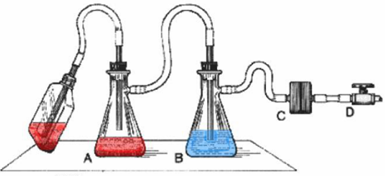
A typical vacuum filtration setup includes these main parts:
- Buchner funnel:Holds the filter paper and the mixture to be filtered.
- Filter paper:Captures solid particles while letting liquid pass through.
- Side-arm flask (filter flask):Collects the filtered liquid and connects to the vacuum source.
- Vacuum source:Creates the low-pressure environment needed for faster filtration.
- Rubber tubing:Connects the flask to the vacuum source.
These components work as a system. The vacuum source lowers pressure inside the flask. This forces liquid through the filter paper in the funnel. Solids stay behind, separated from the liquid.
Essential Equipment
Vacuum filtration requires specific tools to work correctly. These tools help separate solids from liquids quickly and efficiently. Using the right equipment ensures a clean and smooth filtration process. Below are the essential items needed for vacuum filtration.
Vacuum Flask And Filter Funnel
The vacuum flask collects the filtered liquid. It is thick and strong to handle pressure changes. The filter funnel sits on top of the flask. It holds the filter paper and solid mixture. Both parts must fit tightly to prevent air leaks. This tight seal helps maintain suction during filtration.
Filter Paper Selection
Choosing the right filter paper is key. It acts as a barrier for solids but allows liquid to pass. The paper size must match the funnel size. The pore size depends on the particle size you want to separate. Use coarse paper for larger particles. Fine paper works for smaller particles and clearer filtrates.
Vacuum Source Options
A vacuum source creates suction to pull liquid through the filter. Common options include:
- Hand-operated vacuum pumps – portable and easy to use.
- Electric vacuum pumps – provide strong and continuous suction.
- Water aspirators – use water flow to create vacuum pressure.
Choose the source that fits your lab setup and filtration needs.
Step-by-step Filtration Process
Understanding the step-by-step filtration process can make vacuum filtration less intimidating and more efficient for you. Each phase plays a crucial role in ensuring that your solid-liquid separation is clean and quick. Let’s break down the process into clear, manageable actions so you can handle your filtration like a pro.
Preparing The Apparatus
Start by assembling your vacuum filtration setup carefully. This includes attaching the Buchner funnel to the filter flask and securing a filter paper of the right size inside the funnel. Make sure the filter paper fits snugly without any wrinkles; otherwise, the mixture may bypass the filter and contaminate your filtrate.
Check all connections for airtight seals. If the vacuum leaks, the filtration will slow down or fail. I’ve learned that using a bit of grease on glass joints can drastically improve the seal, saving you frustration during your experiment.
Applying The Vacuum
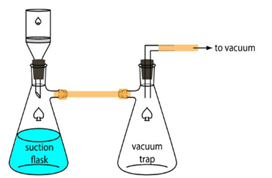
Next, connect the flask to the vacuum source. Turn on the vacuum pump or open the valve to start suction. You should see the filter paper press firmly against the funnel’s surface as the air is pulled through.
Watch closely for any sudden loss of vacuum pressure. This might indicate a leak or a clogged filter paper, both of which can disrupt your process. Have you ever experienced a slow filtration? It’s often because the vacuum wasn’t strong enough or the filter paper was too fine for the mixture.
Pouring The Mixture
Once the vacuum is stable, slowly pour your solid-liquid mixture onto the center of the filter paper. Pouring too fast can flood the filter and cause solids to escape into the filtrate. Take your time and let gravity and suction do their work.
Notice how quickly the liquid passes through. If it’s unusually slow, you might want to check if the filter paper is clogged or if the vacuum strength needs adjustment. Have you tried stirring the mixture gently before pouring? It can sometimes prevent clumps that block filtration.
Collecting The Residue And Filtrate
As the liquid passes through, solids collect on the filter paper forming the residue. The clear liquid that collects in the flask below is your filtrate. Make sure to monitor the residue’s thickness; a very thick layer can slow down filtration or cause the filter paper to tear.
After the liquid has passed through, turn off the vacuum and carefully remove the funnel. You can then scrape off the solid residue for further use or analysis. Have you noticed how clean your filtrate looks? That’s the payoff of a well-done vacuum filtration process.
Credit: sustainability.weill.cornell.edu
Tips For Effective Filtration
Effective vacuum filtration depends on several key factors. Paying attention to these details improves filtration speed and clarity. Proper technique prevents common problems and ensures consistent results.
Choosing The Right Filter Paper
Select filter paper that fits your sample type and particle size. Use thicker paper for larger particles to avoid tearing. For fine particles, choose a paper with smaller pores to trap solids well. The paper should fit snugly on the funnel to prevent leaks.
Avoiding Air Leaks
Air leaks reduce vacuum strength and slow filtration. Check all connections for tight seals. Use rubber stoppers or clamps to secure joints firmly. Inspect the filter holder and tubing for cracks or holes. Even small leaks can cause major problems.
Maintaining Vacuum Pressure
Stable vacuum pressure ensures fast and uniform filtration. Use a reliable vacuum pump or water aspirator. Monitor pressure regularly during filtration to keep it steady. Avoid sudden pressure changes which may damage the filter paper. Clean equipment regularly to maintain good suction.
Common Issues And Solutions
Vacuum filtration is a useful technique, but it can face some common problems. These issues affect the speed and quality of filtration. Knowing how to fix these problems saves time and improves results.
Below are some frequent issues and practical solutions to keep your vacuum filtration running smoothly.
Clogged Filter Paper
Filter paper can clog if the sample has many fine particles. This blocks the liquid flow and slows filtration.
- Use a filter paper with larger pores for samples with many solids.
- Pre-filter the sample using a coarse filter to remove large debris.
- Replace the filter paper regularly to avoid buildup.
- Gently tap or shake the funnel to prevent particles from settling.
Slow Filtration Rate
Slow filtration happens due to low vacuum pressure or improper setup.
- Check the vacuum pump for leaks or weak suction.
- Ensure all connections are tight and sealed.
- Use dry filter paper to speed up filtration.
- Avoid overloading the filter paper with too much sample.
Leakage Problems
Leaks reduce vacuum strength and cause filtration failure.
- Inspect all rubber seals and replace damaged ones.
- Apply vacuum grease to glass joints to improve sealing.
- Make sure the filter flask is not cracked or broken.
- Tighten clamps and connectors firmly but carefully.

Credit: www.dreametech.com
Applications Of Vacuum Filtration
Vacuum filtration is a powerful technique that speeds up the process of separating solids from liquids. Its applications are diverse, ranging from precise laboratory experiments to large-scale industrial processes. Understanding where and how you can apply vacuum filtration can help you choose the right method for your needs.
Laboratory Uses
In laboratories, vacuum filtration is essential for quickly isolating precipitates from reaction mixtures. It helps researchers save time and obtain cleaner samples compared to traditional gravity filtration.
For example, chemists use vacuum filtration to collect crystals during synthesis or to remove impurities from solutions. It also plays a role in microbiology for filtering out bacteria or other microorganisms from liquids.
Have you ever struggled with slow filtration during an experiment? Vacuum filtration can drastically reduce waiting times, allowing you to focus on analysis and further testing.
Industrial Applications
Industries rely on vacuum filtration to handle large volumes of materials efficiently. It is widely used in pharmaceuticals for purifying compounds and in food processing to separate solids like pulp from juices.
Chemical manufacturers use vacuum filtration to recover valuable products or to remove unwanted byproducts. This method helps reduce waste and improve product quality.
In wastewater treatment plants, vacuum filtration aids in removing suspended solids, ensuring cleaner discharge water. If you manage an industrial process, consider how vacuum filtration might improve your workflow and output quality.
Frequently Asked Questions
What Is Vacuum Filtration Used For?
Vacuum filtration separates solids from liquids quickly. It improves filtration speed compared to gravity filtration. It’s common in labs and industries for purifying mixtures and collecting precipitates efficiently.
How Does Vacuum Filtration Speed Up The Process?
Vacuum filtration uses negative pressure to pull liquid through a filter. This pressure difference accelerates liquid flow, reducing filtration time significantly. It’s ideal for filtering fine particles or large volumes.
What Equipment Is Needed For Vacuum Filtration?
You need a Buchner funnel, filter paper, a flask, and a vacuum source. The vacuum pump or water aspirator creates suction to pull liquid through the filter. Proper sealing ensures efficient filtration.
Can Vacuum Filtration Remove Fine Particles Effectively?
Yes, vacuum filtration is highly effective at trapping fine solids. The filter paper pore size controls particle retention. The vacuum helps prevent clogging by maintaining constant flow.
Conclusion
Vacuum filtration speeds up the process of separating solids from liquids. It uses a vacuum to pull liquid through a filter quickly. This method works well in labs and industries. It saves time and gives clearer results than simple filtration.
Anyone can understand and apply this technique easily. Knowing how vacuum filtration works helps in many tasks. It makes filtering cleaner and faster. Simple, efficient, and effective—vacuum filtration is a smart choice.