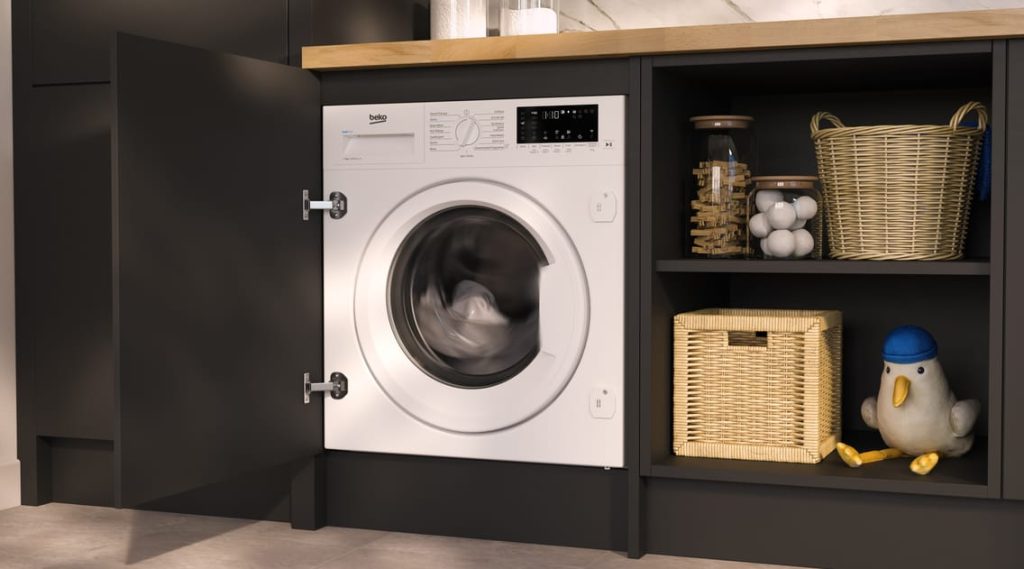
Have you ever wondered how a washer and dryer combo can wash and dry your clothes in one go? If you’re tired of juggling two machines or don’t have much space, this clever appliance might be just what you need.
Understanding how it works can help you decide if it’s right for your home and lifestyle. Keep reading, and you’ll discover the simple magic behind this time-saving device—and how it can make your laundry routine easier than ever.
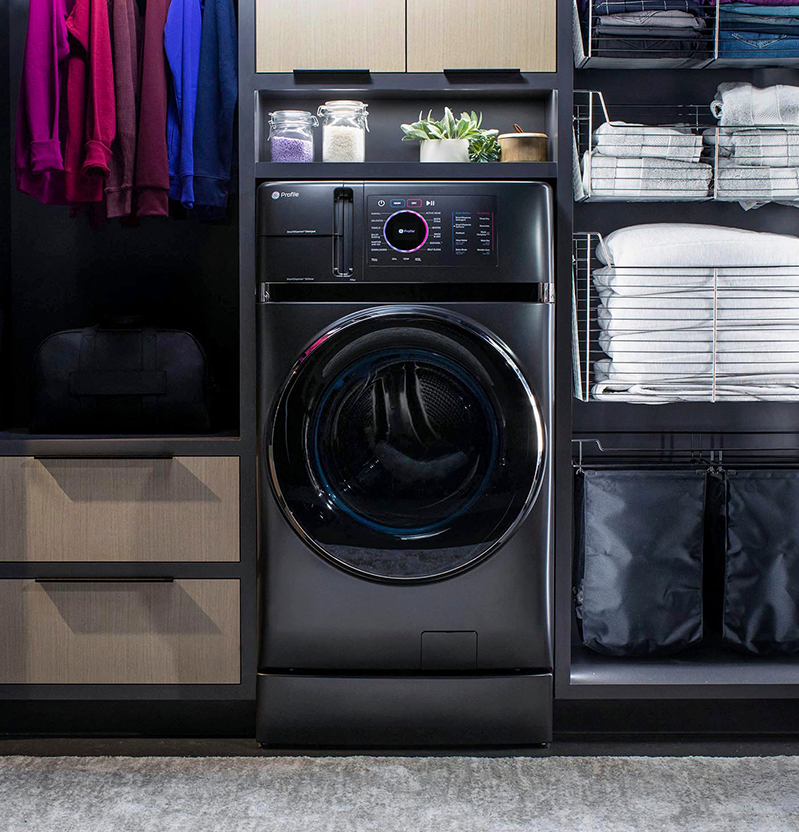
Credit: blog.yaleappliance.com
Washer Dryer Combo Basics
A washer dryer combo is a single machine that washes and dries clothes. It saves time and space in your home.
These machines are useful in apartments or homes with limited laundry space. They offer convenience by combining two functions.
Key Components
A washer dryer combo has several important parts. These parts work together to clean and dry clothes efficiently.
- Drum:Holds clothes during washing and drying.
- Water Inlet:Brings water into the machine for washing.
- Heating Element:Dries clothes by heating air inside the drum.
- Motor:Spins the drum to wash and dry clothes.
- Control Panel:Lets users select washing and drying settings.
How It Saves Space
Washer dryer combos save space by combining two machines into one. They do not need separate spots for washing and drying.
| Traditional Setup | Washer Dryer Combo |
| Requires two machines | One machine for both tasks |
| Needs more floor space | Fits in smaller areas |
| Separate water and power connections | Single connection setup |
| More installation work | Easy to install |
Types Of Combos
There are different types of washer dryer combos. Each type has features that suit various needs.
- Ventless Combos:Dry clothes using condensation. No vent needed outside.
- Vented Combos:Use a vent to release hot air outside. Better drying speed.
- Stackable Combos:Designed to stack for tight spaces.
Washing Process
The washing process in a washer and dryer combo uses water, detergent, and motion. It cleans clothes by removing dirt and stains. This process happens inside a single machine that saves space.
The machine controls each step carefully. It fills with water, mixes detergent, moves clothes, and spins to remove water. Each part works together to clean your laundry well.
Water Intake And Agitation
The washer fills the drum with water to soak the clothes. It uses sensors to add the right amount of water. Too much water wastes energy, and too little may not clean well.
- The drum rotates to move clothes through water.
- This movement helps loosen dirt from fabric.
- Agitation happens by turning the drum back and forth.
- Water temperature adjusts based on the washing cycle.
Detergent Dispersion
Detergent mixes with water before reaching the clothes. The machine uses a dispenser that opens at the right time. Detergent helps break down oils and stains on fabric.
| Type of Detergent | Dispersion Method | Effect on Cleaning |
| Liquid | Directly mixed with water | Dissolves quickly for fast cleaning |
| Powder | Mixed in dispenser before water fills | Works well for dirt and mud stains |
| Pods | Released automatically in drum | Convenient and pre-measured |
Spin Cycle Function
The spin cycle removes water from clothes after washing. The drum spins at high speed to push water out. This step helps clothes dry faster in the drying part of the combo.
- Reduces drying time
- Prevents water damage inside the machine
- Keeps clothes less wrinkled
- Saves energy by shortening drying
Drying Process
The drying process in a washer and dryer combo removes water from clothes. It uses heat and air to dry fabrics quickly and safely.
Understanding how the drying works helps you use the machine better and care for your clothes.
Heat Generation
The machine creates heat to dry clothes. It uses a heating element or gas burner inside the unit.
The heat warms the air that flows through the clothes. Warm air absorbs moisture faster than cold air.
Moisture Extraction
Moisture extraction removes water from wet clothes. The warm air picks up water as clothes tumble inside.
The air becomes humid with water vapor. The machine then removes this moist air to keep drying efficient.
- Warm air absorbs water from clothes
- Humid air is moved out of the drum
- Dry air replaces humid air to continue drying
Air Circulation
Air circulation moves warm, dry air through clothes and removes moist air. Fans and vents help this flow.
Good air circulation speeds drying and stops clothes from overheating. It keeps the drying process safe and fast.
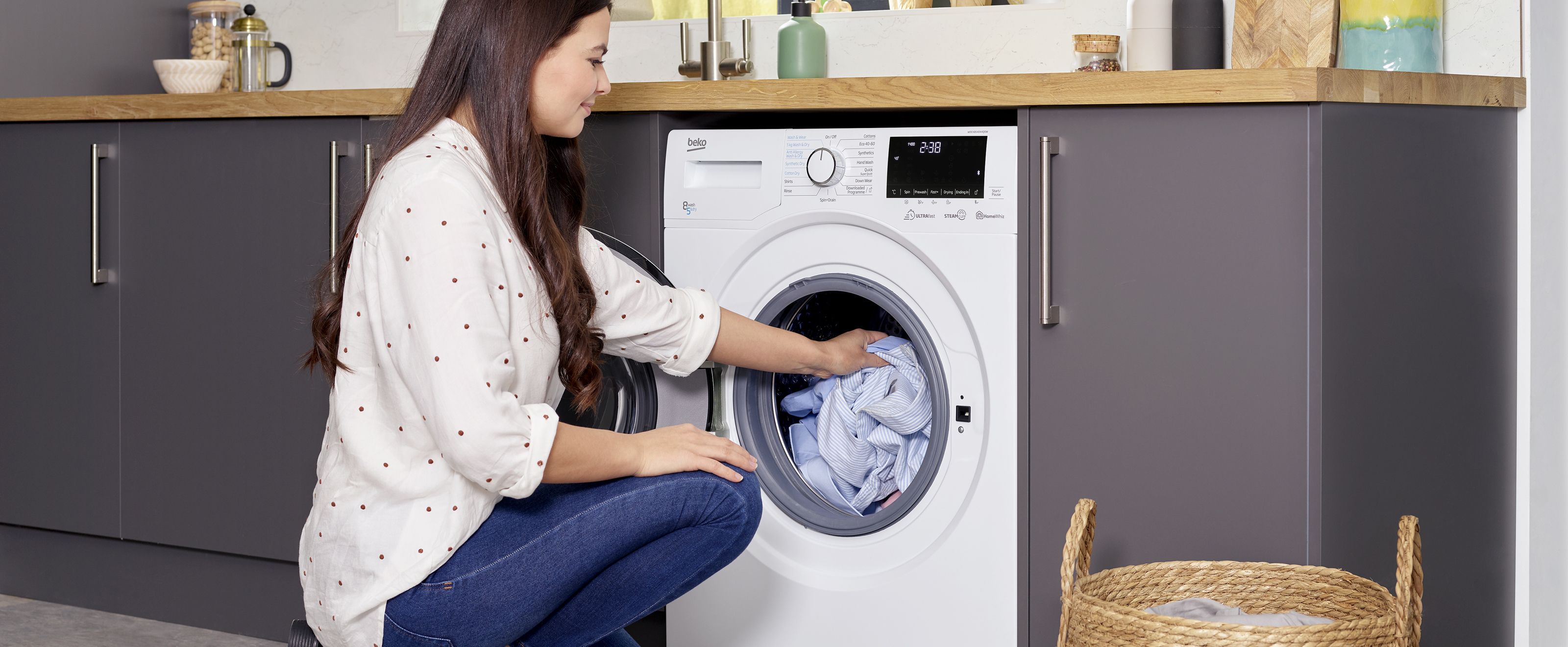
Credit: www.beko.co.uk
Cycle Integration
Washer and dryer combos combine washing and drying in one machine. They use cycle integration to manage both processes smoothly.
This integration helps save time and energy by linking wash and dry cycles automatically.
Automatic Transition
The machine switches from washing to drying without needing your help. It finishes the wash cycle, then starts drying right away.
This automatic change saves you from moving clothes between machines and prevents delays in the laundry process.
Cycle Settings
You can pick different cycles for washing and drying in one program. The machine adjusts time, temperature, and spin speed for each step.
Settings depend on fabric type and how dirty the clothes are to protect your garments.
- Delicate cycle uses gentle washing and low heat drying
- Heavy-duty cycle uses strong washing and high heat drying
- Quick cycles save time with shorter wash and dry times
Time Efficiency
Cycle integration reduces total laundry time by combining steps. You do not wait between wash and dry cycles.
It also uses sensors to avoid over-drying, saving energy and protecting clothes.
- Continuous operation cuts down laundry time
- Sensor drying stops when clothes are dry
- Less manual work means faster laundry days
Maintenance Tips
Keeping your washer and dryer combo in good shape helps it last longer. Regular care also stops problems before they start. Simple maintenance tasks keep your machine working well.
Below are some key tips for cleaning filters, preventing mold, and scheduling regular servicing. These tips help your appliance run safely and efficiently.
Cleaning Filters
Filters catch lint and dirt during washing and drying. Cleaning them often prevents blockages and keeps airflow smooth. A clean filter helps your machine dry clothes faster and saves energy.
- Remove the lint filter after each use
- Wash the filter with warm water and mild soap
- Check and clean the drain pump filter monthly
- Make sure filters are dry before putting them back
Preventing Mold
Mold grows in moist places inside your combo washer and dryer. Keep the door open after use to let air dry the interior. Clean seals and rubber parts often to stop mold from growing.
| Action | Frequency |
| Leave door open to air dry | After every use |
| Wipe door seal and drum | Once a week |
| Run cleaning cycle with vinegar or cleaner | Once a month |
Regular Servicing
Regular servicing keeps your washer and dryer combo running well. A technician checks parts for wear and fixes small issues. Servicing helps avoid costly repairs later.
- Schedule a full service every 12 months
- Check hoses for leaks or cracks every 6 months
- Test the machine’s balance and vibrations regularly
- Replace worn parts as recommended by the technician
Advantages And Limitations
Washer and dryer combos combine washing and drying in one machine. They save space and offer convenience. But, they also have some limitations.
Understanding how they work helps in choosing the right appliance. Consider their advantages and limitations before making a decision.
Space And Energy Savings
Washer and dryer combos save space as they are two machines in one. This is great for small homes or apartments.
They use less energy compared to running separate machines. This can reduce electricity bills over time.
- Compact design fits in small areas
- Less energy consumption than two separate units
- Ideal for small families or singles
Performance Compared To Separate Units
Washer and dryer combos can have longer cycle times. This is because they wash and dry in one process.
They may not dry clothes as efficiently as separate dryers. Clothes might feel damp after a cycle.
- Longer wash and dry cycles
- Drying might be less effective
- Not suitable for large families
Common Issues
Washer and dryer combos can have maintenance issues. It is important to clean lint filters regularly.
Sometimes, they might be less reliable than separate units. This can lead to more frequent repairs.
- Regular maintenance needed
- Potential for higher repair costs
- May require professional servicing
Choosing The Right Combo
Washer and dryer combos save space and time. They wash and dry clothes in one unit.
Choosing the right combo depends on your needs. Consider capacity, energy, and features.
Capacity Considerations
Capacity is important for families. Larger combos hold more clothes but take more space.
Smaller units are good for singles or small spaces. They fit in apartments easily.
- Large capacity: Good for families
- Medium capacity: Ideal for couples
- Small capacity: Best for single users
Energy Ratings
Energy ratings show how efficient the combo is. Look for high ratings to save on bills.
Efficient models use less water and power. This helps the environment and saves money.
- High ratings: Lower energy bills
- Medium ratings: Balanced cost and efficiency
- Low ratings: Higher long-term costs
Brand And Model Features
Different brands offer unique features. Some have smart controls or steam options.
Look for models with the features you need. Check reviews for reliability.
- Smart controls: Remote operation
- Steam option: De-wrinkling clothes
- Quick wash: Saves time
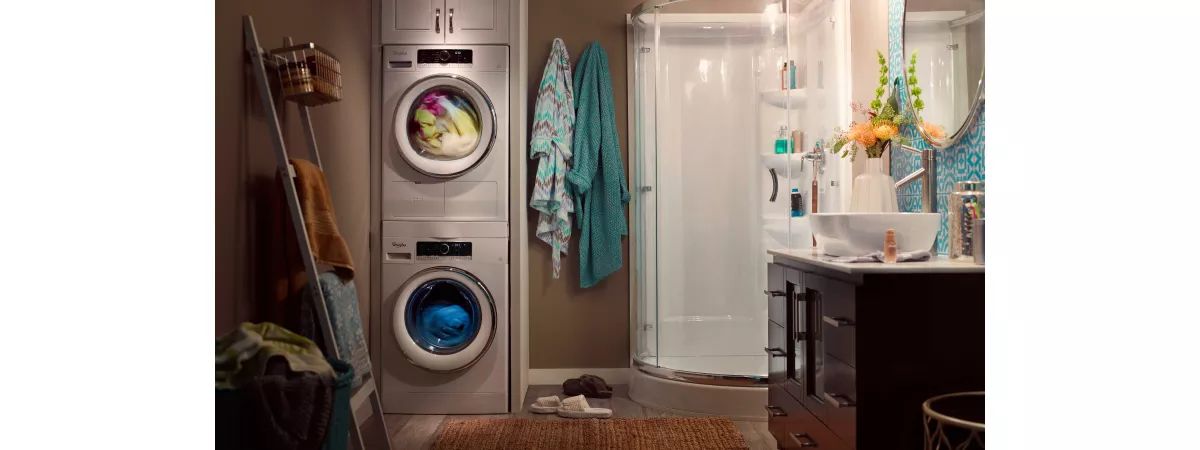
Credit: www.whirlpool.ca
Frequently Asked Questions
How Does A Washer And Dryer Combo Save Space?
A washer and dryer combo combines washing and drying in one unit. It saves space by eliminating the need for separate machines. This makes it ideal for small homes, apartments, or places with limited laundry space, providing convenience without sacrificing functionality.
Can A Washer Dryer Combo Handle Large Loads?
Most washer dryer combos have smaller capacities than separate units. They are suitable for small to medium laundry loads. For very large loads, multiple cycles may be required. Always check the unit’s capacity to ensure it meets your laundry needs effectively.
How Long Does A Washer And Dryer Combo Take?
Washer dryer combos generally take longer than separate machines. Washing and drying cycles combined often take 2 to 3 hours. Drying time can vary based on load size and fabric type. Efficiency and cycle length depend on the model and settings used.
Are Washer And Dryer Combos Energy Efficient?
Yes, many washer dryer combos use less water and energy than separate units. Modern combos feature energy-saving technologies and eco-friendly cycles. They help reduce utility bills and environmental impact, making them a smart choice for energy-conscious households.
Conclusion
A washer and dryer combo saves space and time. It washes and dries clothes in one unit. Water heats, cleans, and spins clothes quickly. Then, the machine uses heat to dry them. This combo works well for small homes. It uses less energy than separate machines.
Easy controls make laundry simple for everyone. Choosing the right model fits your needs. Understanding how it works helps you decide. This appliance brings convenience to daily chores. A smart choice for saving effort and space.