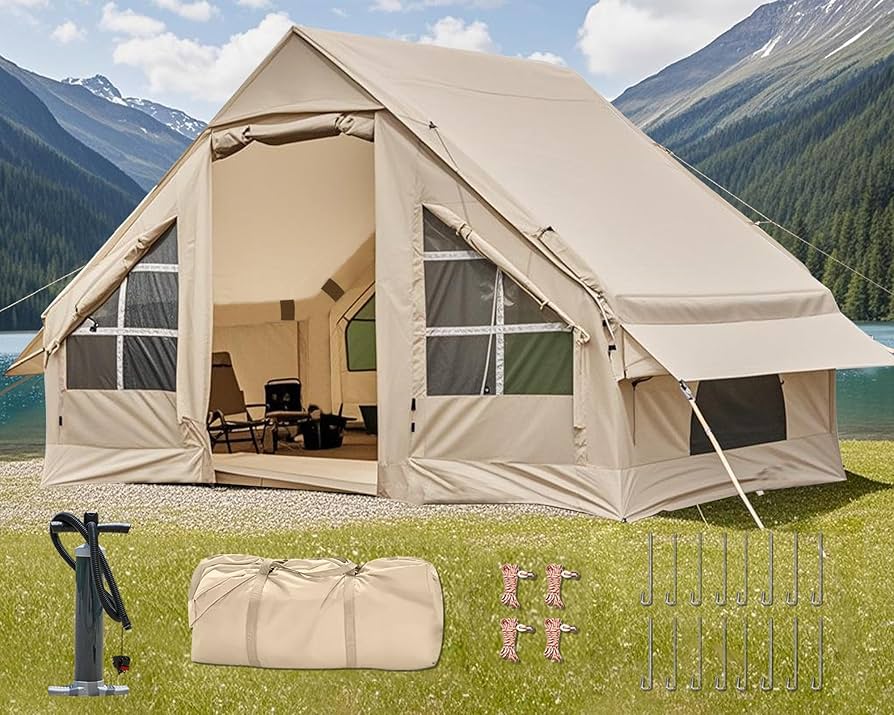
Thinking about buying a tent but worried about the cost? You’re not alone.
Tents come in many shapes, sizes, and prices, and it’s easy to feel overwhelmed when trying to find one that fits your budget. But how expensive are tents really? Whether you’re a casual camper or planning serious outdoor adventures, understanding what affects tent prices can help you make the best choice for your needs—and your wallet.
Keep reading, and you’ll discover the key factors behind tent costs and how to get the most value for your money.
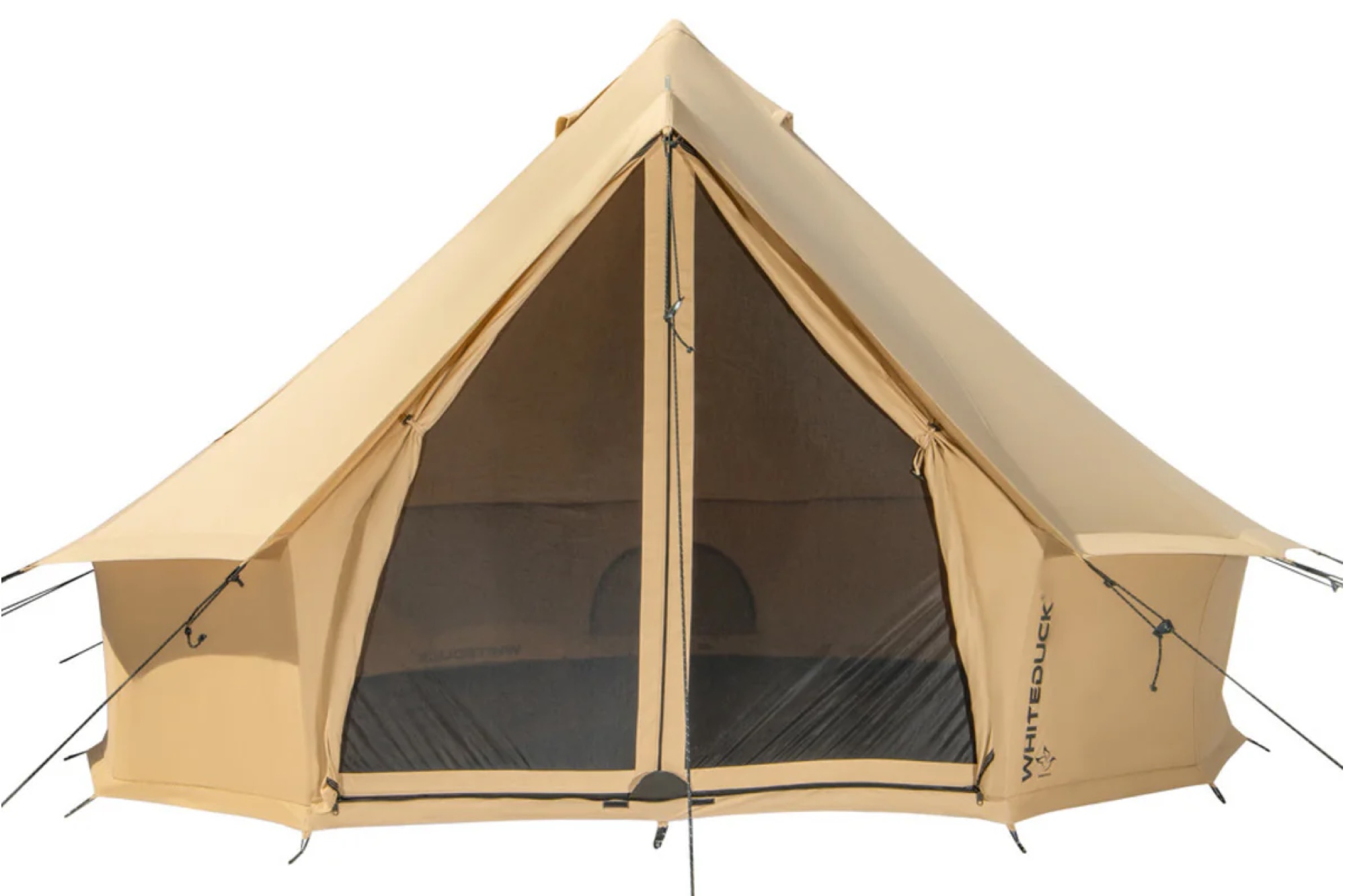
Credit: gearjunkie.com
Factors Influencing Tent Prices
Tents come in many types and prices. Different factors affect how much a tent costs. Knowing these helps you pick the right tent for your needs.
Price depends on what materials are used, the size, features, and even the brand. Let’s explore these factors one by one.
Material Quality
Tent fabric and poles affect the price a lot. Stronger materials cost more but last longer. Waterproof and UV-resistant fabrics add to the price too.
- Polyester and nylon are common tent fabrics
- Higher denier numbers mean thicker fabric
- Aluminum poles cost more than fiberglass poles
- Waterproof coatings increase durability and price
Tent Size And Capacity
Bigger tents need more material and space, so they cost more. The capacity shows how many people can fit inside comfortably.
| Size | Capacity | Price Range |
| Small | 1-2 people | Low to Medium |
| Medium | 3-5 people | Medium to High |
| Large | 6+ people | High |
Design And Features
Advanced designs and extra features raise tent prices. Features include better ventilation, multiple doors, and easy setup systems.
- Number of doors and windows
- Built-in rainfly and vestibules
- Setup type: pop-up, instant, or traditional
- Extra pockets and gear lofts inside the tent
Brand Reputation
Well-known brands often charge higher prices. They offer quality assurance and better customer service. New or lesser-known brands may be cheaper.
Brand name can reflect trust but also adds a premium to the cost.
Seasonal Ratings
Season ratings show how well a tent handles weather. More seasons mean higher prices because of stronger materials and design.
- 3-season tents suit spring, summer, and fall
- 4-season tents handle winter weather and snow
- Convertible tents adjust between 3 and 4 seasons
Credit: www.wired.com
Price Ranges For Different Tent Types
Tents come in many styles and prices. Choosing the right tent depends on your needs and budget.
Knowing the price ranges helps you plan your camping trips better. Let’s look at common tent types and their costs.
Backpacking Tents
Backpacking tents are light and compact. They cost between $100 and $500. The price depends on size and materials.
Family Tents
Family tents offer more space for groups. Prices usually range from $150 to $600. Larger tents with extra features cost more.
Camping Canopies
Camping canopies provide shade and shelter. They are less expensive. Most cost between $50 and $300.
- Basic canopies: $50 – $100
- Mid-range canopies: $100 – $200
- Heavy-duty canopies: $200 – $300
Mountaineering Tents
Mountaineering tents are built for harsh weather. They use strong materials and cost more. Prices start at $300 and go up to $1000 or more.
| Tent Type | Price Range (USD) |
| Backpacking Tents | $100 – $500 |
| Family Tents | $150 – $600 |
| Camping Canopies | $50 – $300 |
| Mountaineering Tents | $300 – $1000+ |
Hidden Costs Beyond The Tent Price
Buying a tent is just the start of camping expenses. Many extra costs can add up quickly.
Knowing these hidden costs helps you plan better and avoid surprises.
Essential Accessories
Most tents need extra items to work well. These add to the overall cost of camping gear.
- Stakes and guylines for stability
- A ground tarp to protect the tent floor
- Extra poles for repairs or upgrades
- A rainfly for weather protection
- Sleeping pads and bags for comfort
Maintenance And Repairs
Keeping your tent in good shape needs time and money. Small repairs can cost more than you think.
| Type | Typical Cost |
| Patch kits | $10 – $30 |
| Zipper replacements | $15 – $50 |
| Seam sealing | $5 – $20 |
| Professional repairs | $40 – $100 |
Storage And Transport
Storing and moving your tent safely can also cost money. You need space and proper bags.
Carrying a tent may mean buying a roof rack or extra bags to keep it dry and clean.
Warranties And Insurance
Some tents come with warranties. Others may need insurance to cover damage or loss.
Check what your warranty covers. Some exclude wear and tear or accidents.
Insurance costs vary by plan but add to yearly expenses.
Credit: www.amazon.ca
Finding The Best Deals On Tents
Tents can cost a lot, but you can find good deals with some effort. Knowing where and when to shop helps save money.
This guide shows ways to get tents at better prices. It covers sales, shopping choices, used tents, and bundles.
Seasonal Sales And Discounts
Tent prices drop during certain seasons. Many stores offer discounts in spring and fall.
Look for sales around holidays like Black Friday or end-of-season clearances. These times often have the biggest savings.
- Spring sales before camping season
- Summer discounts on last season’s tents
- Holiday sales such as Black Friday
- Clearance sales at the end of camping season
Online Vs. In-store Shopping
Online stores offer many tent options and easy price comparisons. You can read reviews and find lower prices.
In-store shopping lets you see tents in person. You can check tent size, weight, and materials before buying.
- Online: wide selection, easy to compare prices
- Online: possible extra shipping costs
- In-store: try tents before purchase
- In-store: sometimes higher prices than online
Buying Used Or Secondhand
Used tents cost less than new ones. Check local markets or online sites for secondhand tents.
Inspect tents carefully. Look for holes, broken zippers, or missing parts to avoid extra repairs.
- Local thrift stores or outdoor gear shops
- Online marketplaces like classifieds or auction sites
- Ask sellers about tent condition and age
- Test tent setup if possible
Bundle Offers And Packages
Buying tents with gear bundles can save money. Packages may include stakes, rain flies, or bags.
Check if the bundle fits your needs. Sometimes buying items separately may be cheaper.
- Tent plus rain fly and stakes
- Complete camping kits with tents and sleeping bags
- Look for discounts on bundled gear sets
- Compare bundle price versus buying items separately
Maximizing Value Without Overspending
Buying a tent can be costly, but you can find good options without spending too much.
It is important to balance price, quality, and features to get the best tent for your needs.
Balancing Quality And Price
High-quality tents usually cost more, but they last longer and perform better.
Look for tents that offer solid materials and good design at a fair price.
| Price Range | Quality Level | Typical Use |
|---|---|---|
| Under $100 | Basic | Light camping, few uses |
| $100 – $300 | Medium | Regular camping, moderate weather |
| Above $300 | High | Frequent use, harsh weather |
Prioritizing Features
Focus on features that improve comfort and protection during camping.
- Water resistance for rainy weather
- Good ventilation to reduce condensation
- Easy setup to save time
- Weight suitable for carrying
- Size enough for your group and gear
Choose tents with features that match your camping style and environment.
Longevity And Durability Considerations
A tent that lasts saves money over time. Check the materials and build quality.
Look for strong fabrics, sturdy poles, and quality zippers. These parts wear out first.
- Ripstop nylon or polyester fabric
- Aluminum or fiberglass poles
- Double-stitched seams
- Weatherproof coatings
- Easy-to-replace parts
Frequently Asked Questions
How Much Do Basic Tents Cost?
Basic tents typically range from $30 to $100. They are ideal for beginners and occasional campers. These tents offer essential features and are often lightweight, making them easy to carry. Prices vary based on size, brand, and additional features. For budget-conscious campers, these tents are a great choice.
Are Four-season Tents More Expensive?
Yes, four-season tents are generally more expensive. They range from $200 to $600. These tents are designed for extreme weather conditions. They offer enhanced durability and insulation. The higher price reflects the advanced materials and design needed for all-season camping.
It’s an investment for serious outdoor enthusiasts.
Why Do Tent Prices Vary So Much?
Tent prices vary due to materials, size, and brand. High-quality materials and larger tents cost more. Additional features like waterproofing, UV protection, and ease of setup increase the price. Brand reputation also plays a role. Buyers should balance their budget with their camping needs when choosing a tent.
Is It Cheaper To Rent Or Buy A Tent?
Renting is cheaper for infrequent campers. If you camp often, buying is more economical. Rental prices range from $15 to $50 per night. Buying offers long-term savings for regular campers. Consider your camping frequency and budget before deciding. Both options have their advantages depending on your needs.
Conclusion
Tents come in many prices to fit different needs and budgets. Basic tents cost less but offer fewer features. More expensive tents often provide better materials and extra space. Think about how often you camp and what you need. Spending a bit more can give comfort and durability.
Remember, the right tent makes your outdoor trips more fun. Choose wisely to enjoy nature without worries.