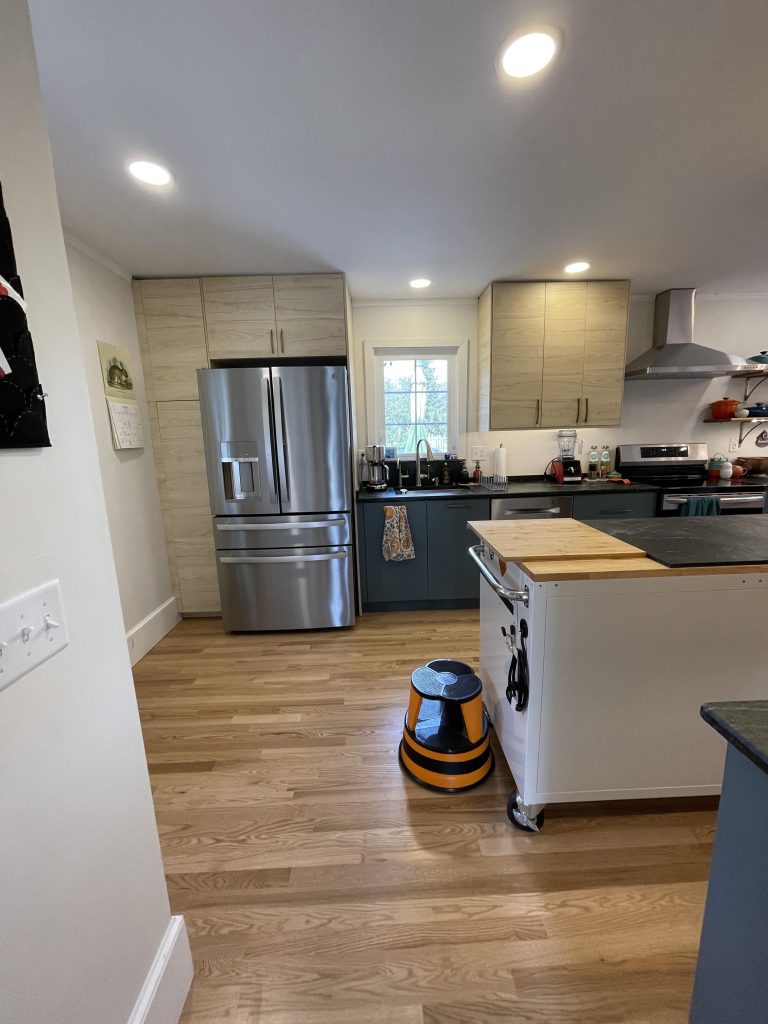
Have you ever wondered how far your refrigerator should stick out from your kitchen cabinets or walls? It might seem like a small detail, but the right placement can make a big difference in your kitchen’s look and function.
If your fridge juts out too much, it could block walkways or make cleaning harder. Too tucked in, and it might not get enough airflow to work efficiently. You’ll discover the perfect balance that keeps your kitchen safe, stylish, and smooth-running.
Keep reading to find out exactly how far your refrigerator should stick out—and why it matters for your daily life.
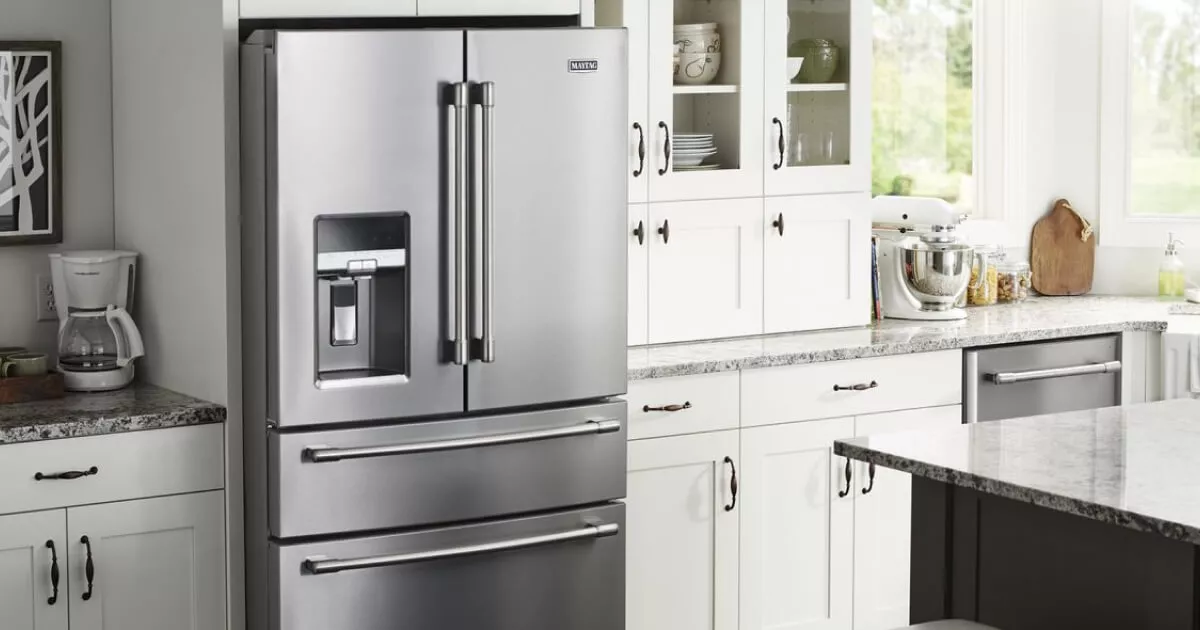
Credit: www.maytag.ca
Ideal Refrigerator Clearance
Proper clearance around your refrigerator is essential for its performance and longevity. The ideal space allows air to flow freely, preventing the appliance from overheating. It also ensures doors open fully without obstruction, making daily use easier. Knowing how far a refrigerator should stick out helps maintain efficiency and avoid damage.
Front Overhang Guidelines
The front of the refrigerator often extends beyond the cabinet line. This overhang should be minimal to avoid blocking walkways. A typical refrigerator door sticks out about 1 to 2 inches past the countertop. This space ensures the door opens fully without hitting walls or cabinets.
Allow enough room for handles and door seals. If the refrigerator sticks out too far, it can disrupt kitchen flow and reduce usable space. Proper front clearance also helps prevent accidental bumps and damage.
Side And Back Space Needs
Sides and back clearance are crucial for ventilation. Most manufacturers recommend at least 1 inch of space on each side. The back usually requires 1 to 2 inches for proper airflow.
Without adequate space, heat builds up, causing the compressor to work harder. This reduces energy efficiency and shortens the refrigerator’s lifespan. Avoid placing the appliance too close to walls, cabinets, or other appliances.
Check your refrigerator’s manual for exact clearance requirements. Proper side and back space supports cooling and helps prevent overheating issues.
Impact On Kitchen Flow
The space a refrigerator occupies affects how people move in the kitchen. It changes the kitchen’s flow and comfort. A fridge that sticks out too far can block paths and make the kitchen feel cramped. On the other hand, a fridge flush with cabinets keeps the space open and inviting. Finding the right balance improves daily kitchen use.
Navigating Tight Spaces
In small kitchens, every inch counts. A refrigerator that extends too far limits walking space. It can cause bumps and slow movement. This is especially true in kitchens with narrow walkways or multiple users. Keeping the fridge aligned with cabinets helps maintain clear paths. It allows easy access to other areas like the stove and sink.
Balancing Accessibility And Aesthetics
A fridge must be easy to open and use. If it sticks out too little, doors might hit nearby walls or cabinets. This can make loading groceries hard. Yet, a fridge that sticks out too much looks awkward. It breaks the smooth line of kitchen cabinets. The goal is a fridge that opens fully without blocking walkways or spoiling the kitchen’s look.
Ventilation Requirements
Ensuring proper ventilation is crucial for your refrigerator’s efficiency. A refrigerator needs space to breathe. Without enough ventilation, your fridge can overheat. This leads to inefficiency and potential damage. Understanding the right ventilation requirements can extend your fridge’s lifespan.
Importance Of Air Circulation
Air circulation prevents overheating. It helps maintain the fridge’s performance. Good air flow reduces energy consumption. This keeps your electricity bill lower. It also ensures your food stays fresh longer. Without proper circulation, the fridge’s compressor works harder. This shortens its life.
Recommended Gaps For Heat Dissipation
Leave a gap between your fridge and the wall. Ideally, this should be at least two inches. This space allows hot air to escape. Check the sides and top of the fridge too. A one-inch gap on each side is good. Make sure the top has enough space as well. This helps with heat dissipation and efficiency.
Custom Cabinet And Counter Considerations
Deciding how far your refrigerator should stick out involves more than just measurements. Your custom cabinets and countertops play a huge role in this decision. Paying attention to these details can make your kitchen look balanced and function smoothly.
Flush Vs. Recessed Installations
A flush installation means your refrigerator sits even with the front of your cabinets. This look creates a sleek, built-in effect that many homeowners love. But it requires precise cabinet depth and often a counter-depth fridge, which can limit storage space inside the fridge.
On the other hand, a recessed installation allows the fridge to sit slightly behind the cabinet line. This can be easier to achieve if your cabinets are shallower or your fridge is larger. However, it might make the fridge door harder to open fully if the surrounding walls or cabinets are too close.
Ask yourself: Do you prioritize a seamless look or maximum fridge capacity? This choice affects how far your refrigerator will stick out and how it interacts with your cabinetry.
Handling Counter Overhangs
Counter overhangs can create a tricky situation for refrigerator placement. If your countertop extends beyond the cabinet face, your fridge might need to stick out more to avoid rubbing against the overhang. This can disrupt the visual flow of your kitchen.
One practical solution is to trim the counter edges near the fridge or use a shallower overhang in that section. You might also consider a fridge model with a more compact door design to prevent interference.
Have you measured the exact distance between your fridge and the counter edge? Small adjustments here can prevent daily annoyances like damaged doors or blocked airflow.
Safety And Maintenance Factors
Safety and maintenance play a key role in deciding how far a refrigerator should stick out. Proper placement prevents accidents and makes upkeep easier. It also ensures smooth daily use and helps keep your kitchen safe.
Avoiding Door Obstruction
The refrigerator door needs enough space to open fully. Without this, the door may hit walls or cabinets. This can cause damage or prevent proper closing. Leave at least a few inches of clearance around the door.
Door obstruction can also create a safety hazard. A stuck door may cause someone to trip or get hurt. Proper spacing avoids these risks. It also helps the door seal tightly for better cooling.
Ease Of Cleaning And Repairs
Refrigerators need regular cleaning behind and underneath. Extra space allows easy access for this task. It prevents dust and dirt buildup that can affect appliance performance.
Maintenance and repairs require room to work comfortably. Limited space can make fixing issues difficult and time-consuming. Keeping some gap around the fridge helps technicians reach parts without moving it too much.

Credit: www.reddit.com
Tips For Small And Large Kitchens
Whether your kitchen is cozy or spacious, the way your refrigerator sticks out can affect both functionality and flow. Finding the right balance ensures your kitchen feels open without sacrificing storage or convenience. Here are some tips tailored to help you manage refrigerator placement in small and large kitchens.
Maximizing Space In Compact Areas
In small kitchens, every inch counts. A refrigerator that sticks out too far can block pathways and make the space feel cramped. Aim to keep the fridge as flush with your cabinetry as possible to maintain smooth traffic flow.
Consider installing a counter-depth refrigerator. These models are shallower than standard ones, reducing how far they protrude without cutting back on storage. If you already own a large fridge, try recessing it into a niche or alcove to keep it aligned with the cabinets.
- Measure clearances carefully to avoid doors hitting walls or other appliances.
- Use sliding or pocket doors nearby instead of swinging ones to save space.
- Keep frequently used items within easy reach to reduce the need to stand in tight spots.
Ask yourself: does your fridge setup allow you to move easily, or do you find yourself sidestepping awkwardly? Adjusting the fridge placement can dramatically improve your kitchen’s usability.
Accommodating Oversized Refrigerators
Large kitchens often welcome oversized refrigerators, but these can still pose challenges. A fridge that sticks out too far can interrupt the visual flow and create unnecessary obstacles. Make sure there’s enough clearance for doors to open fully without hitting counters or walls.
Plan for at least 2-3 inches of space around the fridge for ventilation. This helps the appliance run efficiently and prevents overheating. If you have an island or peninsula, position the fridge so it doesn’t block key walkways or work zones.
- Use lighting and cabinetry to integrate the fridge visually, reducing its bulky appearance.
- Opt for models with French doors or drawers to minimize the space needed when opening.
- Place the fridge near your main prep area to streamline cooking tasks despite its size.
Have you noticed how a well-placed large fridge can actually enhance your kitchen’s layout? Thoughtful positioning turns a bulky appliance into a helpful anchor instead of a hindrance.
Common Installation Mistakes
Installing a refrigerator might seem straightforward, but many homeowners make mistakes that affect both the appliance’s performance and your kitchen’s look. One of the key issues is how far the refrigerator sticks out from your cabinetry or wall. Getting this wrong can cause problems ranging from poor airflow to awkward kitchen navigation.
Too Much Or Too Little Clearance
Many people either push their fridge too far in or let it stick out too much. If the fridge is too recessed, air circulation around the back is blocked, making the compressor work harder and raising energy bills. On the other hand, if it sticks out too far, it can disrupt the flow of your kitchen and even increase the risk of bumps or accidents.
Think about how often you pass by your fridge. Does it feel cramped or like it’s in the way? Proper clearance keeps your kitchen functional and your fridge efficient.
Ignoring Manufacturer Recommendations
Each refrigerator model comes with specific instructions on how much space to allow around it. These recommendations aren’t just suggestions—they are designed to ensure optimal cooling and longevity. Ignoring them might seem like a small shortcut, but it can lead to overheating and even void warranties.
Have you checked the installation guide for your fridge before placing it? Skipping this step can cost you more in repairs or energy bills later on. Following the manufacturer’s advice helps avoid unexpected issues and keeps your appliance running smoothly.
Expert Recommendations
Experts agree that knowing how far your refrigerator should stick out is key to both functionality and style in your kitchen. It’s not just about fitting the appliance into the space; it’s about ensuring airflow, ease of use, and maintaining a clean look. Ignoring these recommendations can lead to problems like poor ventilation or doors that don’t open fully.
Measuring Before Installation
Take precise measurements of your kitchen space before deciding how far the refrigerator should protrude. Measure the depth of your cabinets and the width of walkways to avoid blocking paths or overcrowding counters.
Remember to account for door clearance. Your fridge door needs enough space to swing open fully without hitting walls or other appliances. Adding 2 to 3 inches beyond the cabinet depth is often recommended, but this can vary based on your model.
Have you checked the manufacturer’s specifications? They usually provide ideal installation guidelines that help you avoid common pitfalls.
Consulting Professionals
Getting advice from kitchen designers or appliance specialists can save you from costly mistakes. These pros understand how ventilation, electrical outlets, and plumbing affect fridge placement.
They can also help you balance functionality with aesthetics. Sometimes a fridge that sticks out slightly looks better and works better than one flush with cabinets.
Don’t hesitate to ask questions like, “Will this placement affect energy efficiency?” or “How will this impact kitchen workflow?” Their insights can guide you to the best decision for your space.

Credit: www.reddit.com
Frequently Asked Questions
How Far Should A Refrigerator Stick Out From Cabinets?
A refrigerator should stick out about 1 to 2 inches from cabinets. This allows for proper ventilation and easy door opening. It also prevents the unit from looking awkward or blocking walkways, balancing functionality and aesthetics.
Does Refrigerator Protrusion Affect Kitchen Airflow?
Yes, proper refrigerator protrusion ensures adequate airflow around the appliance. It prevents overheating and helps maintain energy efficiency. Leaving space behind and around the fridge is essential for optimal ventilation and appliance longevity.
Can A Fridge Stick Out Too Far From Counters?
Yes, a fridge sticking out too far can disrupt kitchen flow. It may block walkways and create a cluttered look. Ideally, the refrigerator should align closely with counters or cabinetry to keep the kitchen spacious and functional.
How Much Space Is Needed Behind A Refrigerator?
Typically, 1 to 2 inches of space behind a refrigerator is needed for ventilation. This gap allows heat to escape, preventing the compressor from overheating. Proper spacing extends the refrigerator’s life and maintains energy efficiency.
Conclusion
Choosing the right distance for your refrigerator is important. Too far out can block walkways and look messy. Too close may cause doors to not open fully. Usually, a few inches past the counter works best. This gives enough space to open doors easily.
It also keeps your kitchen looking neat and organized. Remember, balance between comfort and style matters most. Measure carefully before installation. This small step makes daily use easier and safer. Your kitchen will feel more open and functional. A well-placed fridge helps your home run smoothly.