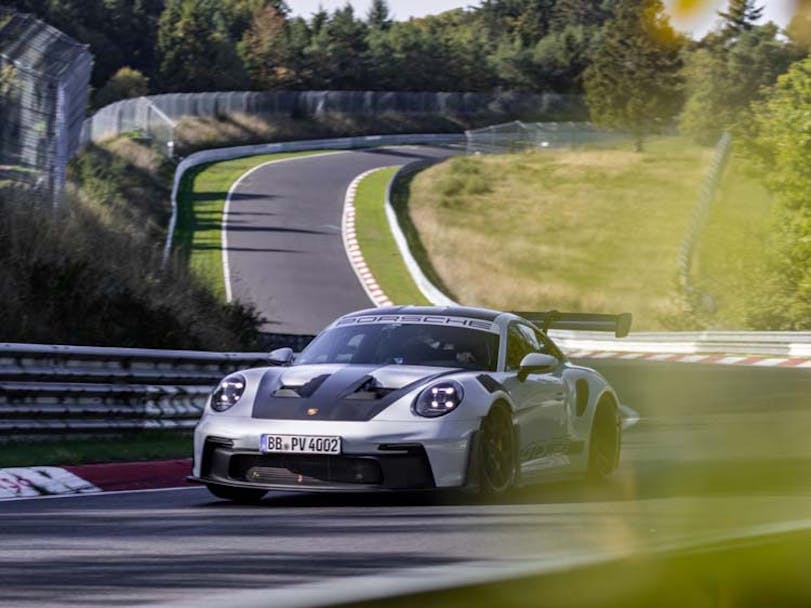
Have you ever wondered just how fast a Porsche can go? If speed excites you and the roar of a powerful engine gets your heart racing, you’re in the right place.
This isn’t just about numbers on a speedometer—it’s about feeling the thrill, the rush, and the pure adrenaline that comes with driving one of the fastest cars on the planet. Keep reading, and you’ll discover the mind-blowing speeds these machines reach, the technology behind their power, and why Porsche stands out in the world of high-performance cars.
Ready to satisfy your curiosity? Let’s dive in.
Porsche Speed Milestones
Porsche has always been a symbol of speed and precision. The brand’s history shows a clear path of speed milestones. Each model brought new records and pushed limits higher. Understanding these milestones highlights Porsche’s dedication to performance and engineering.
Early Models And Their Limits
The first Porsche cars focused on balance and control. The Porsche 356, launched in the late 1940s, reached top speeds around 100 mph. This was impressive for the time but modest compared to today’s standards. The 911, introduced in the 1960s, quickly raised the bar. Early 911 models could reach speeds near 130 mph.
These cars combined lightweight design with efficient engines. Their speed was limited by technology and materials of the era. Still, they set a strong foundation for future innovations. Porsche showed that speed and reliability could coexist.
Evolution Through The Decades
Over the decades, Porsche improved engine power and aerodynamics. The 1980s brought turbocharged engines, pushing speeds beyond 160 mph. The 911 Turbo became a symbol of high-performance driving.
The 1990s and 2000s saw even more advancements. Models like the Porsche 911 GT2 and Carrera GT hit speeds over 190 mph. These cars used lightweight materials and advanced electronics to increase speed safely.
Today, Porsche’s supercars, such as the 911 Turbo S and the Taycan Turbo S, can exceed 200 mph. Electric technology adds instant torque, improving acceleration without sacrificing top speed. Porsche continues setting new speed milestones with each model release.
Top Speed Records
The top speed records of Porsche cars reveal how engineering and precision combine to push the limits of performance. These records are not just numbers; they represent milestones in automotive innovation. Understanding these speeds gives you a real sense of what these machines can achieve on both tracks and open roads.
Fastest Porsche Models
Several Porsche models have set impressive top speed records. The Porsche 911 Turbo S, for example, reaches a blistering 205 mph. Meanwhile, the Porsche 918 Spyder tops out around 214 mph, blending hybrid technology with raw power.
The Porsche Taycan Turbo S, an electric marvel, hits 161 mph, showcasing how electric vehicles can compete with traditional combustion engines. The Carrera GT is another standout, reaching speeds up to 205 mph, demonstrating Porsche’s consistent focus on speed and performance.
- Porsche 911 Turbo S:205 mph
- Porsche 918 Spyder:214 mph
- Porsche Taycan Turbo S:161 mph
- Porsche Carrera GT:205 mph
Comparing Track And Road Speeds
Top speeds on the track often differ from what you see on public roads. Tracks allow for controlled environments where drivers can push cars to their limits without external risks. This means Porsche models can reach higher speeds in races or time trials than you might experience while driving on highways.
Your driving conditions matter. On roads, traffic, speed limits, and safety concerns keep your Porsche’s speed in check. However, on a racetrack, you can truly appreciate the car’s engineering, testing its acceleration, cornering, and top speed capabilities without distractions.
Have you ever wondered how much faster your Porsche could go if you took it to a professional track day? Testing your car in a safe, closed environment might reveal speeds you never thought possible.
Engineering Behind The Speed
The impressive speed of a Porsche is no accident. It results from careful engineering that focuses on every detail. Each element works together to boost performance and control. This balance creates a car that is fast, stable, and exciting to drive. Understanding the engineering behind the speed reveals why Porsches stand out on the road and track.
Aerodynamics And Design
Porsche shapes its cars to cut through the air smoothly. The sleek body reduces drag and increases downforce. Downforce pushes the car down onto the road, improving grip and stability. Features like spoilers and diffusers guide airflow effectively. This design helps the car stay steady at high speeds. It also improves fuel efficiency and overall performance.
Engine Power And Performance
The heart of a Porsche is its powerful engine. Many models use turbocharged engines to boost power. Turbochargers force more air into the engine, creating more energy. Porsche engines deliver high horsepower and torque for rapid acceleration. Precision tuning ensures quick throttle response and smooth power delivery. This combination allows Porsches to reach incredible top speeds.
Advanced Technology Features
Porsche uses advanced technology to enhance speed and control. Systems like Porsche Traction Management improve grip on different surfaces. Adaptive suspension adjusts stiffness for a balance of comfort and handling. Porsche Active Aerodynamics automatically changes wing positions for better airflow. These technologies work together to keep the car agile and safe at high speeds.

Credit: premierautolasvegas.com
Speed Variations Across Models
Porsche offers a range of models with different top speeds. Speed varies greatly depending on design and purpose. Some focus on raw speed, while others balance power with comfort and utility.
Understanding these differences helps to appreciate Porsche’s engineering choices. Each model suits different driving needs and preferences.
Sports Cars Vs Suvs
Sports cars are built for speed and agility. They have lightweight bodies and powerful engines. For example, the Porsche 911 can reach speeds over 190 mph.
SUVs focus on space and versatility. They are heavier and less aerodynamic. The Porsche Cayenne tops out around 150 mph. This is still fast for an SUV but slower than sports cars.
Sports cars accelerate quicker and handle better at high speeds. SUVs offer a higher driving position and more room. Speed differences reflect these design priorities.
Electric Vs Combustion Engines
Electric Porsche models deliver instant torque. This allows quick acceleration from zero. The Porsche Taycan, an electric sports car, reaches around 162 mph.
Combustion engines use fuel to create power. They often reach higher top speeds. For instance, the Porsche 911 Turbo S can hit 205 mph.
Electric cars excel in quick starts and smooth power delivery. Combustion engines maintain higher peak speeds on long stretches.
Each engine type affects speed and driving feel differently.
Real-world Speed Tests
Real-world speed tests reveal how fast a Porsche can really go outside the lab. These tests show how the car performs on actual roads and tracks. They give a clear picture of the car’s true speed and handling. Both professional races and everyday drivers provide valuable insights. Real conditions, such as weather and road surface, influence these results.
Professional Racing Results
Professional racers push Porsche models to their limits. They test top speeds on race tracks designed for speed. These drivers report how the car handles at high velocity. Porsche race cars often exceed 190 mph on straight stretches. The 911 GT2 RS, for example, can reach speeds over 210 mph. Tracks like Nürburgring provide a tough testing ground. Lap times and top speeds from races highlight Porsche’s power and agility.
Consumer Experience And Reviews
Everyday drivers also share their Porsche speed experiences. Many report reaching speeds between 150 and 180 mph on highways. Consumer reviews mention smooth acceleration and stable control at high speeds. Some owners test their cars on private tracks or closed roads. These real-world tests confirm Porsche’s reputation for speed and reliability. Driver feedback helps understand speed performance beyond the race track.

Credit: www.youtube.com
Safety Measures At High Speeds
Driving a Porsche at high speeds requires more than power and precision. Safety is crucial to protect both the driver and the car. Porsche integrates advanced safety features to handle extreme speeds confidently. These features help maintain control and reduce risks on the road.
Braking Systems
Porsche uses powerful braking systems designed for quick and safe stops. Carbon-ceramic brakes resist heat build-up during intense use. This reduces brake fade and maintains strong stopping power. The anti-lock braking system (ABS) prevents wheel lock-up, improving control on slippery surfaces. Brake assist technology detects emergency stops and boosts brake force. Together, these systems ensure the car slows down safely and reliably.
Driver Assistance Technologies
Advanced driver assistance features enhance safety at high speeds. Adaptive cruise control maintains a safe distance from other vehicles automatically. Lane-keeping assist helps the driver stay in the correct lane. Electronic stability control detects loss of control and corrects it instantly. Porsche also uses traction control to prevent wheel spin during acceleration. These systems support the driver and improve vehicle stability during fast driving.
Future Of Porsche Speed
Porsche’s speed legacy is far from slowing down. The future promises even faster, smarter cars that push boundaries and challenge what you think is possible. As technology evolves, so does Porsche’s approach to speed, blending raw power with innovation.
Upcoming Models And Prototypes
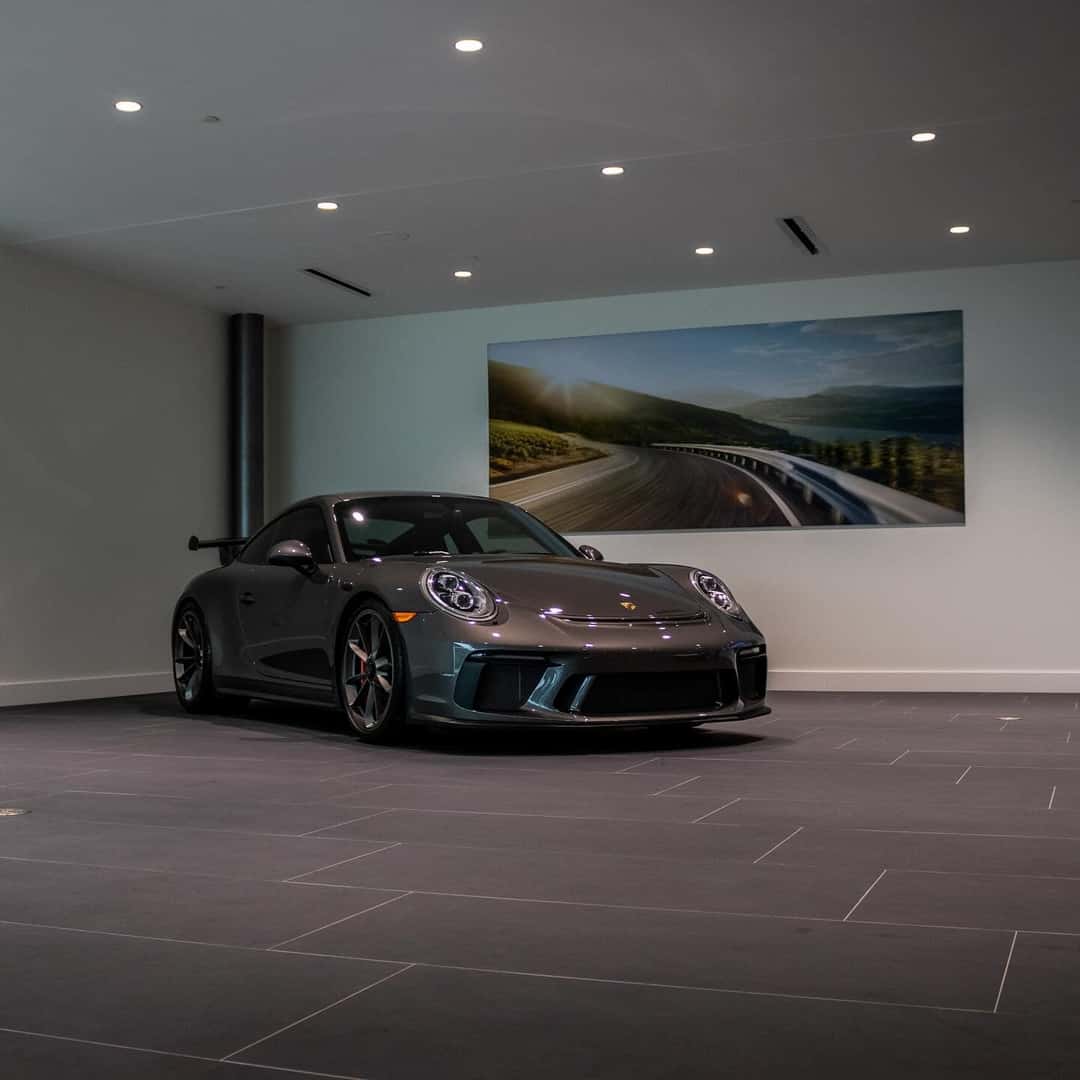
Porsche is working on several new models designed to thrill speed enthusiasts. The highly anticipated Porsche 911 GT3 RS promises sharper handling and quicker acceleration, targeting track lovers.
Beyond the 911 lineup, Porsche’s electric Taycan Turbo S already hits 0-60 mph in just 2.4 seconds. Future prototypes aim to push these limits even further, blending electric power with aerodynamic improvements.
Imagine driving a car that not only reaches insane speeds but also adapts to road conditions in real-time. These upcoming models hint at that reality, making you wonder how fast your next Porsche could really go.
Impact Of Sustainable Technologies
Electric and hybrid technology is reshaping Porsche’s speed game. Sustainable powertrains don’t just reduce emissions; they deliver instant torque, boosting acceleration beyond traditional engines.
Battery improvements and lightweight materials play a big role here. They help maintain speed without compromising efficiency, so you get a car that’s both fast and environmentally friendly.
Could sustainable tech become the key to breaking speed records? Porsche’s focus suggests it’s not just about saving the planet, but also about redefining what speed means for the future.
Credit: www.porscheedison.com
Frequently Asked Questions
How Fast Can A Porsche 911 Go?
The Porsche 911 can reach speeds of up to 205 mph. This speed is achieved by the Porsche 911 Turbo S model. Known for its impressive performance, the 911 combines speed with agility. Its aerodynamic design and powerful engine contribute to its remarkable top speed.
What Is The Fastest Porsche Model?
The fastest Porsche model is the Porsche 918 Spyder. It can reach a top speed of 214 mph. This hybrid supercar combines electric motors with a V8 engine. Its advanced technology and lightweight construction enable this impressive performance.
How Does Porsche Achieve High Speeds?
Porsche achieves high speeds through engineering and design. They use powerful engines and lightweight materials. Aerodynamics play a crucial role in reducing drag. Advanced technology, like dual-clutch transmissions, enhances performance. Porsche’s focus on precision and innovation helps them achieve remarkable speeds.
Are All Porsche Models Equally Fast?
Not all Porsche models are equally fast. Speed varies based on model and specifications. Sports models like the 911 are faster. Luxury models prioritize comfort over speed. Porsche offers a range of models to suit different needs. Each model balances speed, performance, and luxury.
Conclusion
Porsche cars are known for their speed and power. They can reach very high speeds quickly. Different models have different top speeds, but all are fast. Driving a Porsche gives a thrilling experience on the road. Speed is only part of what makes Porsche special.
Their design and handling also stand out. For those who love fast cars, Porsche offers exciting options. Now you know how fast a Porsche can go. It’s a car built for speed lovers everywhere.