When you turn on your air conditioner, you expect it to cool your house quickly and efficiently. But how fast should an air conditioner actually cool your home?
Is it normal to wait 30 minutes, an hour, or even longer before feeling a refreshing breeze? If your AC feels slow or ineffective, you might be wondering if something is wrong or if that’s just how it works. You’ll discover the factors that affect cooling speed, what to expect from your air conditioner, and simple tips to help your home feel comfortable faster.
Keep reading to make sure your AC is doing its job the right way.

Credit: www.aljazeera.com
Ideal Cooling Time
Knowing how fast an air conditioner should cool your house helps set the right expectations. Cooling time depends on many factors like the size of your home and the AC unit.
This guide explains the main factors that affect cooling speed and typical cooling rates for homes.
Factors Influencing Cooling Speed
Several elements affect how quickly your air conditioner cools your home. These factors impact the efficiency and speed of the cooling process.
- House Size:Larger homes take longer to cool than smaller ones.
- Insulation Quality:Well-insulated homes keep cool air inside better.
- Outdoor Temperature:Hotter days make it harder for AC to cool quickly.
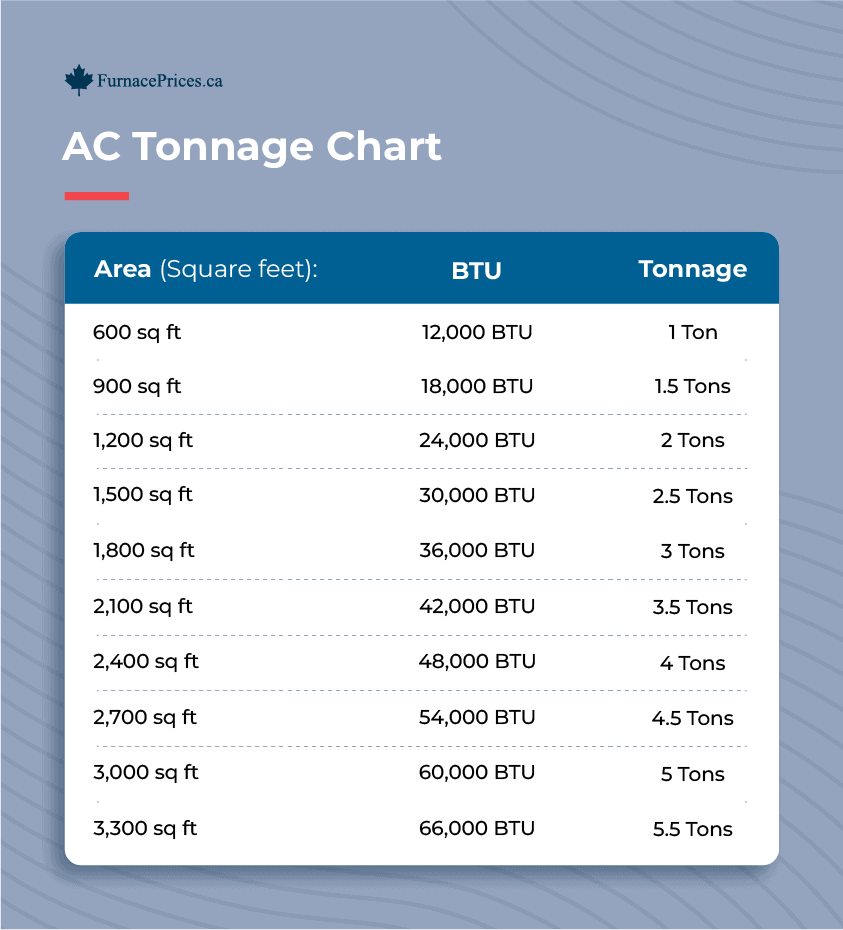
- AC Unit Size:A properly sized unit cools faster and more efficiently.
- Airflow:Good ventilation speeds up cooling by circulating air well.
- Sun Exposure:Rooms with more sun heat up faster and take longer to cool.
Typical Cooling Rates For Homes
Cooling speed varies but there are common ranges for how fast an air conditioner can lower indoor temperatures.
| Home Size (Square Feet) | Average Cooling Time (Minutes) | Temperature Drop (°F) |
| Up to 1,000 | 15 – 30 | 10 – 15 |
| 1,000 – 2,000 | 30 – 45 | 10 – 15 |
| 2,000 – 3,000 | 45 – 60 | 10 – 15 |
| 3,000 and above | 60+ | 10 – 15 |
Air Conditioner Types
Air conditioners come in several types. Each cools a house at different speeds. Understanding these types helps you choose the right system.
This guide explains how central air systems, window units, portable ACs, and ductless mini-splits work. It also describes their cooling speeds.
Central Air Systems
Central air systems cool the whole house using ducts. They remove heat from inside and send cool air through vents. These systems cool a house evenly and quickly.
On average, a central air system can lower indoor temperatures by 20 degrees Fahrenheit in about 30 to 45 minutes. This speed depends on the house size and system capacity.
Window Units
Window units cool a single room. They fit in a window or wall opening. These units work well for small spaces but take longer to cool large areas.
- Best for rooms under 500 square feet
- Typically cool a room in 15 to 30 minutes
- Less efficient for whole-house cooling
Portable Acs
Portable air conditioners move from room to room. They do not need permanent installation. Portable ACs are slower than window units but offer flexibility.
| Feature | Cooling Speed |
| Small Room (up to 300 sq ft) | 20-40 minutes |
| Medium Room (300-500 sq ft) | 30-60 minutes |
| Large Room (over 500 sq ft) | Not recommended |
Ductless Mini-splits
Ductless mini-splits cool individual rooms without ducts. They have an outdoor compressor and one or more indoor units. These systems cool quickly and quietly.
- Cool rooms in 10 to 30 minutes
- Offer zone control for each room
- More energy-efficient than window units
Room Size And Insulation
Cooling a house quickly depends on many factors. Two key factors are room size and insulation. These affect how fast your air conditioner cools down the space.
Understanding these factors helps you set the right expectations for your air conditioner’s performance.
Impact Of Room Dimensions
Bigger rooms take longer to cool than smaller rooms. The air conditioner must work harder to lower the temperature in large spaces.
- Small rooms cool faster because less air volume needs cooling.
- Large rooms need more cooling power or more time.
- High ceilings increase the room’s volume and slow cooling.
- Open floor plans allow air to circulate but can delay cooling.
Role Of Insulation And Sealing
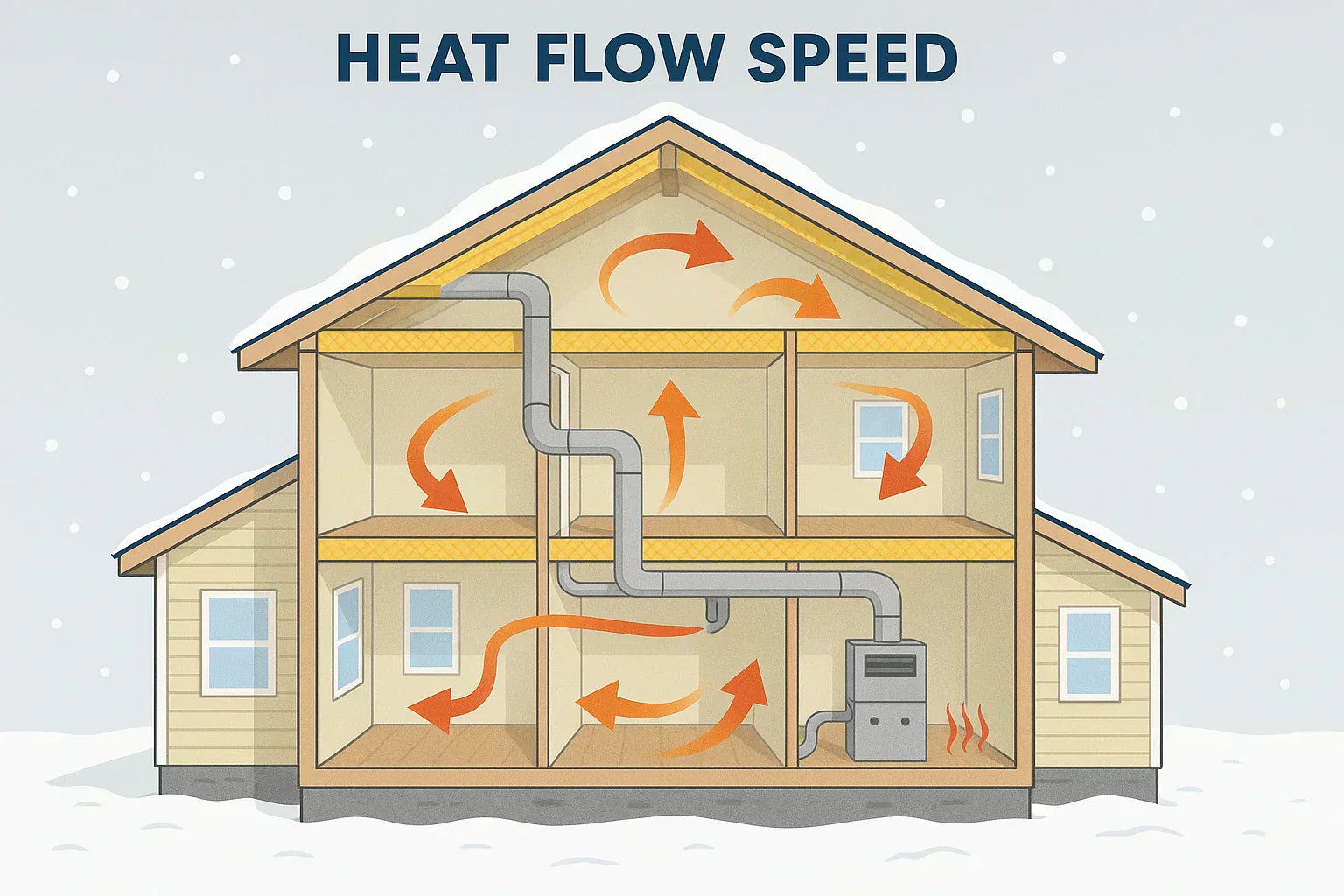
Good insulation keeps cool air inside and hot air outside. Proper sealing prevents air leaks, which helps the air conditioner work efficiently.
| Insulation Type | Effect on Cooling Speed |
|---|---|
| High-quality insulation | Speeds up cooling by retaining cold air |
| Poor or no insulation | Slows cooling due to heat entering the room |
| Well-sealed doors and windows | Improves cooling speed by reducing leaks |
| Drafty or unsealed areas | Reduces cooling efficiency and speed |
Credit: thefurnaceoutlet.com
Thermostat Settings
Thermostat settings control how fast an air conditioner cools your home. The right settings help save energy and keep you comfortable.
Knowing how to set your thermostat can improve cooling speed. It also affects your air conditioner’s efficiency and lifespan.
Optimal Temperature Choices
Setting the thermostat between 72°F and 78°F is best for cooling speed and energy use. Lower settings may not cool the house faster.
Choose a temperature that feels comfortable but is not too cold. This balance helps your air conditioner work well without extra stress.
- Keep thermostat at 75°F for moderate cooling
- Use 78°F when you are away to save energy
- Avoid setting below 72°F to prevent overworking
Effects Of Frequent Adjustments
Changing the thermostat often can slow cooling and increase energy use. The air conditioner works harder and less efficiently.
Try to keep the thermostat steady. Let the system cool the house without constant changes to avoid wear and tear.
- Frequent changes cause temperature swings
- System cycles more, using extra electricity
- May shorten the life of your air conditioner
External Conditions
How fast an air conditioner cools a house depends on outside factors. These factors change how well the system works.
Two main things affect cooling speed: outdoor temperature and humidity. Both change the air conditioner’s job.
Outdoor Temperature Effects
The hotter it is outside, the longer the air conditioner takes to cool your home. High outdoor temperatures make the AC work harder.
When outside temperatures rise, the AC removes more heat from indoors. This uses more energy and time.
- Hot days increase cooling time
- Cooler days help the AC cool faster
- Very high temperatures can reduce AC efficiency
Humidity’s Role In Cooling
Humidity is the amount of moisture in the air. High humidity makes the air conditioner work longer to remove moisture and heat.
When humidity is low, the AC cools the air faster because it only removes heat, not much moisture.
- High humidity slows cooling speed
- Low humidity helps the AC cool quickly
- Removing moisture uses extra energy
Ac Maintenance And Efficiency
Air conditioners cool your home by removing heat and moisture. Proper care keeps them working well and saves energy.
Knowing how fast your AC should cool helps you spot problems early. Maintenance is key to good performance.
Importance Of Regular Servicing
Regular AC servicing keeps the system clean and efficient. It prevents breakdowns and extends the unit’s life.
- Clean or replace filters every 1-3 months
- Check refrigerant levels and recharge if needed
- Inspect and clean coils and fins
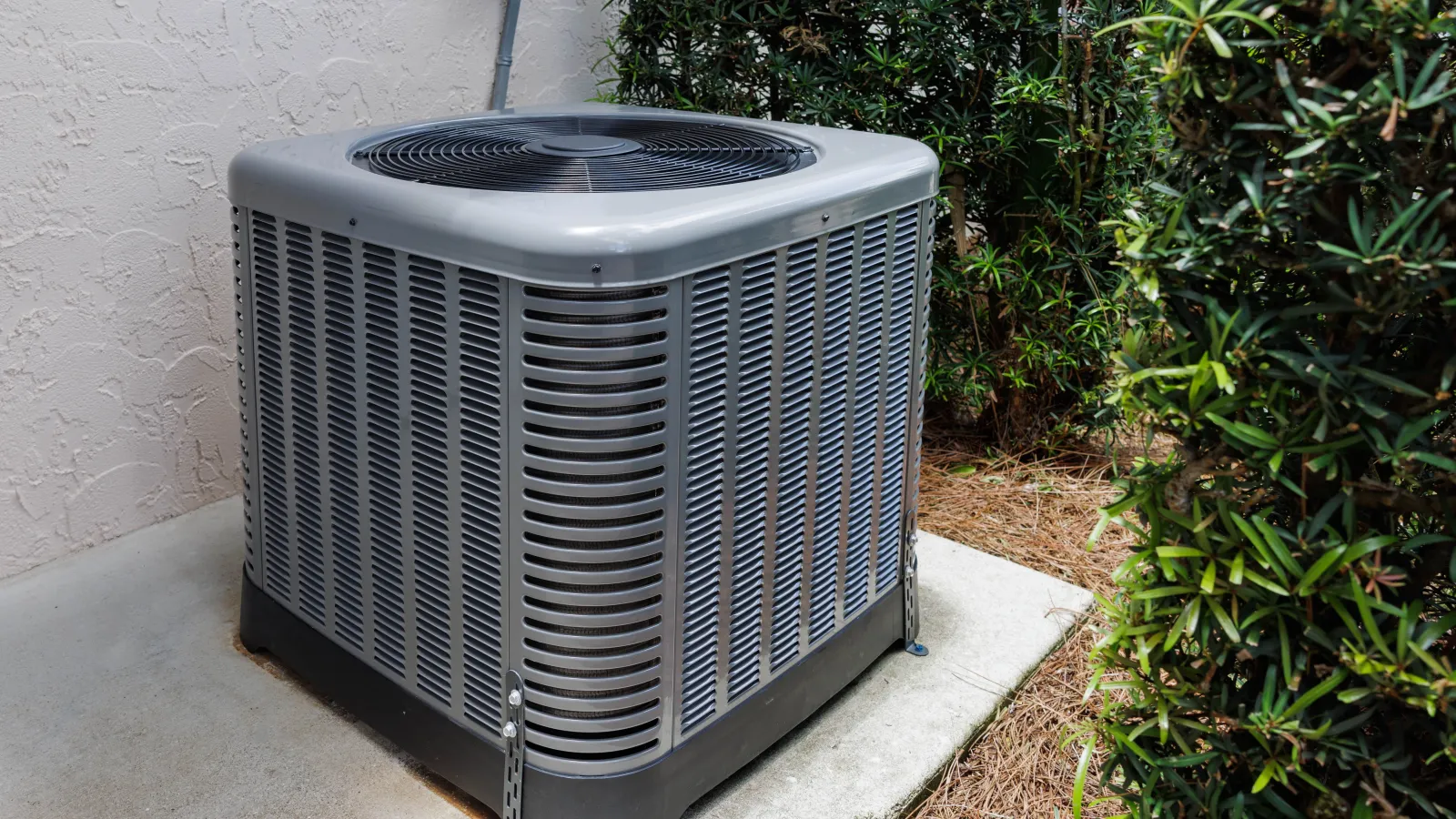
- Clear debris around outdoor units
- Test thermostat settings and controls
Signs Of Reduced Performance
Watch for signs that your AC is not cooling well. Early detection helps fix problems fast and lowers energy bills.
| Sign | Possible Cause | What to Do |
| Warm air blowing | Low refrigerant or dirty filter | Check and refill refrigerant, clean filters |
| Long cooling cycles | Dirty coils or blocked airflow | Clean coils, clear vents |
| High energy bills | Poor maintenance or aging unit | Service regularly, consider replacement |
| Water leaks | Clogged drain line or frozen coil | Clear drain, inspect system |
Energy Consumption Vs. Cooling Speed
An air conditioner cools a house by removing heat from inside. The speed depends on the AC size and outside temperature.
Faster cooling uses more energy. Slower cooling saves energy but may feel less comfortable.
Balancing Efficiency And Comfort
Finding the right balance helps save money and keep your home comfortable. Set the thermostat at a steady temperature.
Using a fan with your AC can spread cool air faster without extra energy. Avoid setting the temperature too low.
- Choose an AC size that fits your home
- Keep doors and windows closed
- Use ceiling fans to help air flow
- Set thermostat to a comfortable but not too cold level
Tips For Saving Energy
Save energy by improving your home’s insulation. Good insulation keeps cool air inside longer.
Regular AC maintenance helps it run efficiently. Clean filters and check for leaks often.
- Close blinds or curtains during hot days
- Use programmable thermostats to lower cooling when away
- Seal gaps around windows and doors
- Keep AC filters clean for better airflow
Credit: www.pvhvac.com
When To Upgrade Your Ac
Knowing when to upgrade your air conditioner can save money and keep your home cool. An old AC may use more energy and cool less effectively.
This guide helps you spot signs of aging units and shows benefits of new systems.
Indicators Of Aging Units
Older air conditioners show clear signs before they fail. Watch for these issues to decide if it’s time to replace your unit.
- The AC takes too long to cool your home.
- Energy bills rise without increased use.
- Unit frequently breaks down or needs repairs.
- Strange noises or smells come from the system.
- Airflow feels weak or uneven in rooms.
- The unit is over 10-15 years old.
Benefits Of Modern Systems
New air conditioners offer better cooling and lower energy costs. They use advanced technology for comfort and savings.
| Feature | Old AC | Modern AC |
| Energy Efficiency | Low | High |
| Cooling Speed | Slow | Fast |
| Noise Level | Loud | Quiet |
| Maintenance | Frequent | Less Often |
| Environmental Impact | High | Lower |
Frequently Asked Questions
How Quickly Should An Ac Cool A Room?
An efficient AC should cool a room by 1-2 degrees per hour. This depends on the unit’s size, insulation, and outside temperature. Proper maintenance ensures optimal performance. Regular cleaning and servicing prevent inefficiencies. For the best results, ensure your AC is appropriately sized for the room.
Why Is My Ac Cooling Slowly?
Several factors can cause slow cooling. A dirty filter restricts airflow, reducing efficiency. Low refrigerant levels can also be problematic. An undersized unit might struggle to cool effectively. Regular maintenance and correct unit sizing are essential for optimal cooling performance.
How To Improve Ac Cooling Speed?
To enhance cooling speed, ensure your AC is clean and well-maintained. Replace or clean filters regularly. Seal any air leaks around windows and doors. Use blinds to block sunlight. Ensure the AC unit is appropriately sized for your space.
Does Outside Temperature Affect Ac Cooling?
Yes, higher outside temperatures can reduce an AC’s efficiency. The unit works harder in extreme heat, slowing cooling. Proper insulation and regular maintenance help counteract this. Keeping blinds closed during peak sun hours also aids in maintaining a cooler indoor environment.
Conclusion
A good air conditioner cools your home steadily and quickly. It should lower the temperature in about 15 to 30 minutes. Many factors affect this speed, like room size and outside heat. Proper maintenance helps your AC work better and last longer.
Remember, a fast cool down means comfort and energy savings. Keep your unit clean and check filters often. This simple care keeps your home cool and fresh all summer. Choose the right AC size for your space to avoid delays.
Cooling your house well makes hot days easier to handle.