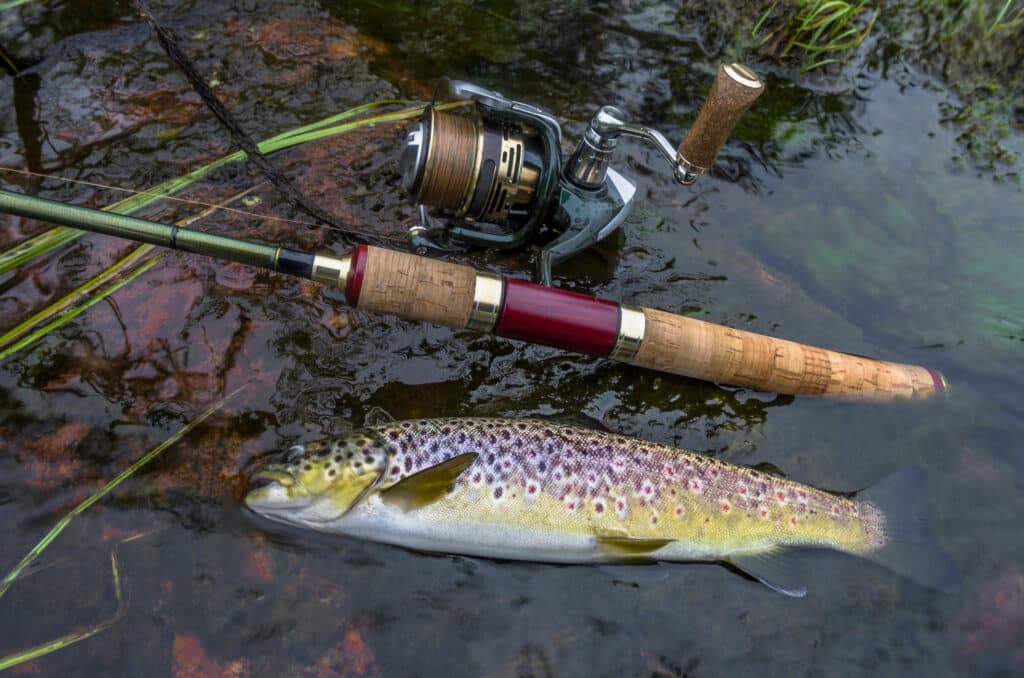
Have you ever wondered why some anglers seem to catch more fish than others? The secret often lies not just in skill, but in the fishing rod they use.
Your fishing rod is more than just a tool—it can make a big difference in how well you fish. Choosing the right rod can boost your confidence, improve your technique, and help you land that trophy catch. You’ll discover how fishing rods directly impact your success on the water and what you need to know to pick the perfect one for your next trip.
Keep reading to unlock the key to better fishing!
Choosing The Right Rod
Choosing the right fishing rod helps you catch more fish. The rod you use affects your control and success.
Different rods fit different fishing styles and fish types. Knowing the options makes fishing easier and more fun.
Types Of Fishing Rods
There are many types of fishing rods. Each type suits specific fishing methods and environments.
- Spinning rods: Good for light lures and easy casting.
- Baitcasting rods: Offer accuracy and power for bigger fish.
- Fly rods: Designed for fly fishing in rivers and streams.
- Surf rods: Long rods made for casting far into the ocean.
- Trolling rods: Built for dragging lures behind boats.
Matching Rods To Fish Species
Different fish need different rods. Matching rods to fish size and strength helps catch them better.
| Fish Species | Recommended Rod Type | Rod Length |
| Trout | Fly rod | 6-9 feet |
| Bass | Spinning or baitcasting rod | 6-7 feet |
| Salmon | Baitcasting rod | 7-9 feet |
| Catfish | Trolling rod | 7-10 feet |
| Surf fish | Surf rod | 10-14 feet |
Material And Durability
Rods come in different materials. Material affects weight, strength, and how long the rod lasts.
- Fiberglass rods: Strong and flexible, good for beginners.
- Graphite rods: Lightweight and sensitive, better for experienced fishers.
- Composite rods: Mix of fiberglass and graphite for balance.
- Carbon fiber rods: Very strong and light, but cost more.

Credit: anglersresource.net
Rod Length And Casting
Fishing rods come in different lengths. The length affects how you cast. Understanding rod length helps improve your fishing skills.
Longer rods can cast farther, but they are harder to control. Shorter rods are easier to handle, but they do not cast as far.
Impact On Casting Distance
The length of a fishing rod affects casting distance. Longer rods can cast the line farther. This is helpful when reaching distant spots.
Shorter rods are better for close-range casting. They are useful in tight spaces or when casting under trees.
- Long rods: better for open water
- Short rods: better for small streams
Control And Accuracy
Control and accuracy are important when fishing. Shorter rods offer more control. They allow precise casting, which is great for targeting specific spots.
Longer rods can be less accurate. They need more skill to control. Practice helps improve casting accuracy with long rods.
- Short rods: more control
- Long rods: need more skill
Rod Flexibility And Sensitivity
Flexibility and sensitivity are key features of a rod. Flexible rods bend more and handle fish better. They help feel the fish bite.
Sensitive rods transmit vibrations better. This helps detect subtle bites. Choosing the right flexibility and sensitivity enhances your fishing experience.
- Flexible rods: better for fighting fish
- Sensitive rods: better for detecting bites
Rod Action And Power
Fishing rods come in different types that affect how you fish. Two key factors are rod action and power.
These features change how the rod bends and how much strength it has. They affect your casting and catching.
Fast Vs Slow Action
Rod action tells where the rod bends when you use it. Fast action rods bend near the tip only.
Slow action rods bend more towards the middle or even the base of the rod. This changes how the rod feels.
- Fast action rods give quick, strong hook sets
- Slow action rods offer more flex and shock absorption
- Medium action rods bend in the middle for balance
Power Ratings Explained
Rod power shows how much weight a rod can handle. It ranges from ultralight to heavy.
Choose power based on the fish size and fishing style you plan to use.
- Ultralight: for small fish and light lures
- Light to Medium: good for most freshwater fishing
- Medium Heavy to Heavy: best for big fish and strong lures
How Action Affects Hook Setting
Rod action changes how fast and hard you set the hook. Fast action rods help set hooks quickly.
Slow action rods bend more, so hook setting is slower but gentler. This can help keep fish on the line.
- Fast action rods need strong, quick hook sets
- Slow action rods allow smoother, slower hook sets
- Choose action based on fish species and fishing technique
Credit: www.texaskayakfisher.com
Reel And Rod Compatibility
The right reel and rod combination helps you fish better. Matching these two parts improves control and comfort.
Choosing compatible reels and rods reduces strain. It also helps you cast farther and catch more fish.
Spinning Vs Baitcasting Rods
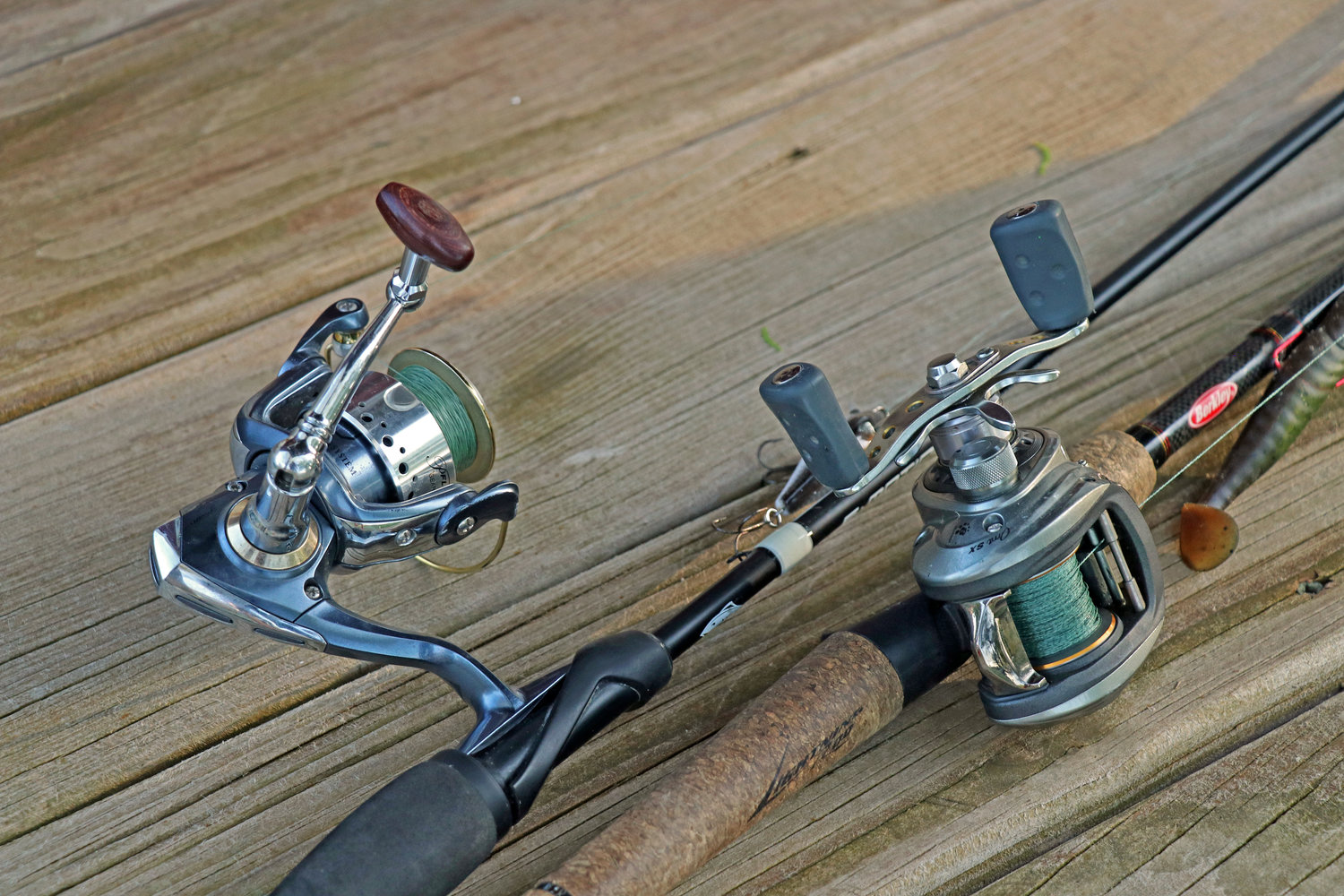
Spinning rods work with spinning reels. They are easy to use and good for beginners. Baitcasting rods fit baitcasting reels. They offer more control and accuracy for experienced anglers.
- Spinning rods have large guides to hold the line.
- Baitcasting rods have smaller guides for heavy lines.
- Spinning reels hang below the rod.
- Baitcasting reels sit on top of the rod.
Matching Reel Size And Rod Strength
The reel size should match the rod’s strength and action. A heavy rod needs a strong reel. A light rod works best with a smaller reel. This balance helps you handle fish without breaking gear.
| Rod Strength | Recommended Reel Size |
| Light | 1000 – 2500 |
| Medium | 3000 – 4000 |
| Heavy | 5000 and above |
Balance For Comfortable Fishing
Balance means the rod and reel feel even in your hand. Balanced gear reduces fatigue. It lets you fish longer without discomfort. You can check balance by holding the rod and reel together before buying.
Tips to check balance:
- Hold the rod as if fishing.
- Place the reel on the rod.
- Feel if the setup is heavy on one side.
- Choose gear that feels steady and light.
Maintenance For Better Performance
Taking care of your fishing rod helps you catch more fish. Proper maintenance keeps the rod strong and reliable.
Small problems can cause big issues if ignored. Learn ways to clean, check, and upgrade your rod for better use.
Cleaning And Storage Tips
Cleaning your fishing rod after each trip removes dirt and salt that can cause damage. Storing it correctly stops warping and rust.
- Rinse the rod with fresh water after use
- Wipe dry with a soft cloth
- Store the rod in a cool, dry place away from sunlight
- Use rod holders or cases to prevent bending
- Check guides and reel seats for dirt or corrosion
Identifying Wear And Damage
Look over your rod often for cracks, loose guides, or worn handles. These signs show your rod needs repair or replacement parts.
| Type of Damage | Signs to Look For | Action Needed |
| Cracks in blank | Visible lines or splinters | Stop using; get professional repair |
| Loose guides | Wobbly rings or missing wraps | Tighten or replace guides |
| Worn handle | Frayed grip or softness | Replace grip for comfort |
Upgrading Rod Components
Replacing parts can improve your rod’s feel and strength. Upgrades let you fish longer and with less effort.
- Change old guides to lighter, stronger ones for smoother casting
- Switch to a cork handle for better grip and comfort
- Install new reel seats for a tighter fit and less wobble
- Add rod wraps to protect weak spots
Credit: finntrail.com
Expert Tips To Improve Fishing
The fishing rod you choose affects how well you fish. Different rods work best in different situations. Using the right rod helps you catch more fish.
These tips will help you use your fishing rod better. Small changes in technique and setup can improve your fishing success.
Adjusting Techniques Based On Rod Type
Each fishing rod type needs a different approach. Light rods are good for small fish and gentle casts. Heavy rods work well for big fish and strong pulls.
Match your casting style to your rod. Use smooth, soft movements with light rods. Use stronger, faster casts with heavy rods.
- Light rods: Use finesse and gentle casts
- Medium rods: Use balanced power and control
- Heavy rods: Use strong casts and firm hook sets
Seasonal Rod Setup Changes
Fishing conditions change with seasons. Adjust your rod setup to match weather and water changes. This helps you catch fish all year.
In cold seasons, use sensitive rods to feel slow fish bites. In warm seasons, use stronger rods for active fish and bigger catches.
- Spring: Use medium rods for varied fish activity
- Summer: Use heavier rods for strong fish
- Fall: Use sensitive rods for cautious fish
- Winter: Use light rods for slow bites
Common Mistakes To Avoid
Many anglers make simple mistakes with their rods. Using the wrong rod size can make fishing harder. Overpowering or underpowering your rod causes missed catches.
Not checking your rod and line before fishing leads to breaks. Ignoring rod action and flexibility lowers your fishing success.
- Do not use heavy rods for small fish
- Check rod guides and lines for damage
- Match rod action to the fish type
- Use proper rod length for your fishing spot
Frequently Asked Questions
How Does A Fishing Rod Affect Catch Success?
A fishing rod influences casting accuracy and lure control. A suitable rod improves hook setting and reduces missed bites. Using the right rod enhances fishing efficiency and overall catch rates. It matches fish species and water conditions for better results.
What Rod Features Improve Fishing Performance?
Key features include rod length, power, and action. Length affects casting distance, power controls fish fight, and action impacts sensitivity. Choosing rods with appropriate features increases control and bite detection. These factors help anglers fish smarter and catch more.
Can The Wrong Fishing Rod Reduce Fish Catch?
Yes, an unsuitable rod limits casting ability and sensitivity. It may cause lost fish and weak hook sets. Using the wrong rod hinders control and reduces fishing success. Matching rod specifications to fishing style is crucial.
How Does Rod Material Influence Fishing Quality?
Rod materials like graphite offer sensitivity and strength. Fiberglass rods provide durability and flexibility. Material choice affects rod weight and responsiveness. Selecting the right material improves comfort and fish handling.
Conclusion
Choosing the right fishing rod affects your catch success. A good rod helps you cast farther and feel bites better. It also makes fishing more fun and less tiring. Knowing how rods work with your style improves your skill. Practice with the right rod to enjoy every trip.
Fishing well depends on gear and patience together. Keep learning and try different rods to find your best fit. Your fishing experience will get better step by step.