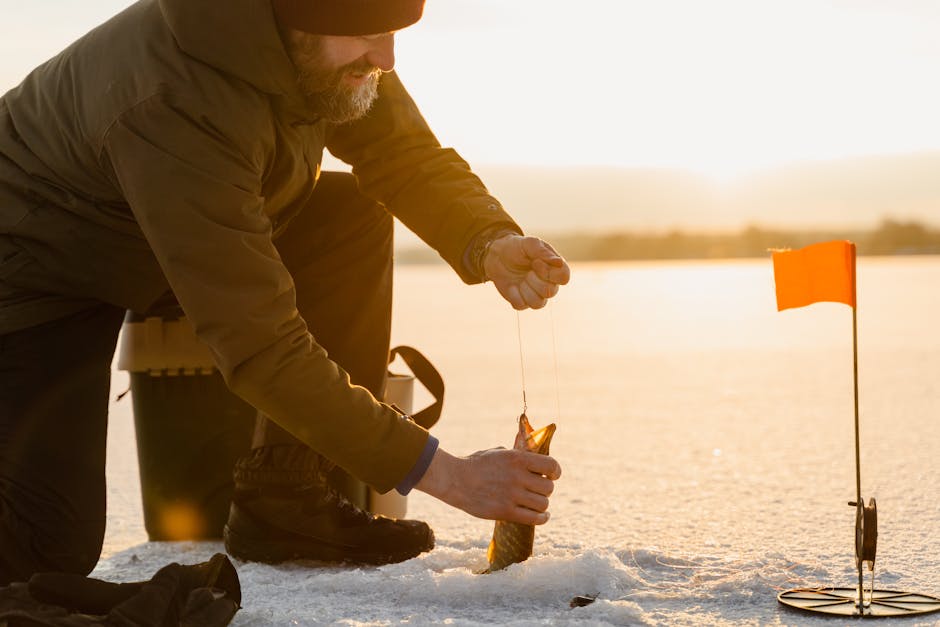
Have you ever wondered why some anglers seem to catch more fish than others? The secret might be closer than you think—right in your hands.
How well you fish often depends on the fishing rod you use. Your rod isn’t just a tool; it’s an extension of your skill and patience. Choosing the right rod can make the difference between a frustrating day and a rewarding catch.
Keep reading to discover how your fishing rod shapes your success on the water—and how you can use that knowledge to become a better fisherman.
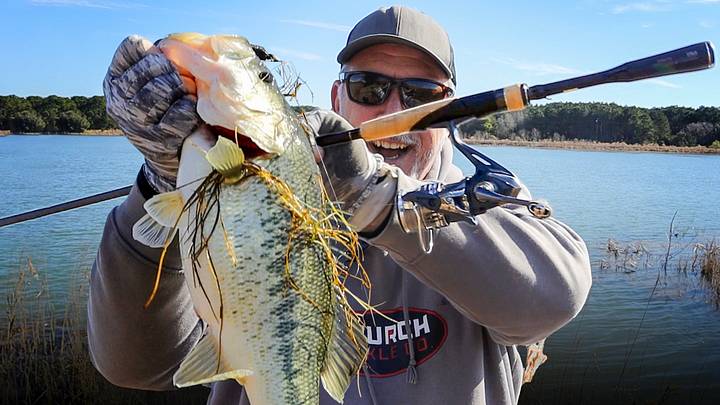
Credit: www.si.com
Choosing The Right Rod
Fishing rods come in many styles and sizes. Picking the right rod helps you catch fish better.
This guide explains types of rods, matching rods to fish, and the importance of material quality.
Types Of Fishing Rods
There are spinning rods, baitcasting rods, fly rods, and telescopic rods. Each works best for certain fishing styles.
- Spinning rods are easy to use and good for beginners.
- Baitcasting rods offer better control for experienced anglers.
- Fly rods are made for fly fishing in rivers and streams.
- Telescopic rods are compact and easy to carry.
Matching Rod To Fish Species
Different fish need different rods. Use lighter rods for small fish and stronger rods for big fish.
| Fish Species | Rod Length | Rod Power |
| Trout | 6-7 feet | Light |
| Bass | 6-7 feet | Medium |
| Catfish | 7-8 feet | Heavy |
| Salmon | 8-9 feet | Medium-Heavy |
Material And Build Quality
Rods made from graphite are light and sensitive. Fiberglass rods are strong and flexible.
Check the rod’s guides and reel seat for durability. Good build quality means the rod lasts longer.

Credit: anglersresource.net
Rod Length And Fishing Style
The length of your fishing rod affects how well you can fish. It changes the way you cast and control your line. Different fishing styles need different rod lengths.
Choosing the right rod length helps you fish better in various waters and situations. Let’s look at how rod length impacts your fishing.
Impact On Casting Distance
Longer rods help you cast your line farther. They give more power to throw the bait or lure a long way. Short rods work better for short, accurate casts.
- Long rods (8 feet or more) increase casting distance.
- Medium rods (6 to 7 feet) balance distance and control.
- Short rods (under 6 feet) give precise casts in tight spots.
Control And Sensitivity
Shorter rods offer better control and feel. You can sense bites more clearly and react quickly. Longer rods may lose some sensitivity but provide leverage for bigger fish.
| Rod Length | Control | Sensitivity |
| Short (under 6 ft) | High | High |
| Medium (6-7 ft) | Medium | Medium |
| Long (8 ft+) | Low | Low |
Best Rod Lengths For Different Waters
Water type changes the best rod length for fishing. Use shorter rods in small streams or thick cover. Use longer rods in open lakes and rivers.
- Small streams and ponds: 5 to 6 feet rods
- Medium rivers and lakes: 6 to 7 feet rods
- Open waters and surf fishing: 8 feet or longer rods
Power And Action Explained
Fishing rods come in different power and action types. These features affect how well you catch fish. Understanding them helps you pick the right rod for your fishing style.
This guide explains how rod power relates to fish size, the difference between fast and slow action rods, and how these affect hook setting.
Rod Power And Fish Size
Rod power shows how strong the rod is. It tells you how much force the rod can handle. Different powers match different fish sizes and fishing needs.
| Rod Power | Best For | Fish Size |
| Ultra Light | Small fish | Up to 4 lbs |
| Light | Panfish, trout | 4-8 lbs |
| Medium | Bass, walleye | 8-15 lbs |
| Medium Heavy | Larger bass, catfish | 15-30 lbs |
| Heavy | Large fish, saltwater | 30+ lbs |
Fast Vs Slow Action Rods
Action means how and where the rod bends. Fast action rods bend near the tip. Slow action rods bend from the middle to the handle.
- Fast action rods give quick hook sets and better lure control.
- Slow action rods offer more flexibility and absorb sudden fish movements.
- Fast rods are good for heavy cover and strong fish.
- Slow rods work well for light lures and gentle fishing.
Effect On Hook Setting
The rod’s power and action affect how well you set the hook. A strong, fast action rod helps drive the hook quickly. A slow action rod requires more force and timing.
| Rod Type | Hook Setting Effect |
|---|---|
| Fast Action | Quick hook set, less effort needed |
| Slow Action | Gentle hook set, needs strong wrist action |
| Heavy Power | Strong hook set for big fish |
| Light Power | Delicate hook set for small fish |

Credit: anglersresource.net
Reel Compatibility And Setup
The type of fishing rod you use affects how well you fish. One key factor is matching your rod with the right reel. A good setup helps you cast better and catch more fish.
Choosing reels that fit your rod and fishing style is important. The right setup feels balanced and works smoothly during fishing.
Matching Rods With Reels
Rods and reels come in different sizes and types. Match the rod’s power and action with the reel’s size and gear ratio. This makes casting easier and improves control.
For example, a light rod pairs well with a small spinning reel. A heavy rod fits better with a baitcasting reel. This match helps you handle the fish better.
Balanced Gear For Efficiency
Balance between rod and reel reduces fatigue. A balanced setup feels comfortable and helps you fish longer. It also improves your casting accuracy.
- Check the rod’s weight and reel weight before buying
- Attach the reel and hold the setup to feel the balance
- Adjust line and lure weight to keep balance during fishing
Adjusting For Different Techniques
Different fishing techniques need different rod and reel setups. You may need to change your reel size or line type for certain methods.
For example, fly fishing uses special rods and reels. Ice fishing needs shorter rods and smaller reels. Adjust your setup to fit the technique for better results.
How Rods Influence Fishing Success
The fishing rod you choose affects how well you catch fish. A good rod helps you cast better and control the fish.
Using the right rod can make fishing easier and more fun, especially on long trips.
Improved Casting Accuracy
A quality rod helps you throw your line where you want. This means your bait lands closer to the fish.
Rods with good flexibility and length let you aim better and reach farther spots.
- Better rod balance improves aim
- Flexible rods reduce line tangles
- Longer rods can cast farther
Enhanced Fish Fighting Ability
A strong rod helps you control the fish once it bites. It bends but does not break under pressure.
Good rods absorb the fish’s pull, making it easier to reel them in without losing the catch.
- Sturdy rods handle big fish
- Flexible rods reduce line breaks
- Proper rod action controls fish movements
Reduced Fatigue On Long Trips
Lightweight rods help you fish longer without getting tired. They make casting and holding easier.
Using a rod that fits your strength saves energy and keeps you fishing happily for hours.
- Light rods reduce arm strain
- Balanced rods feel comfortable to hold
- Good grip prevents slipping and fatigue
Maintenance For Performance
Fishing rods need care to work their best. Good maintenance helps you catch more fish.
Taking care of your rod keeps it strong and ready for every trip. Small habits make a big difference.
Cleaning And Storage Tips
Cleaning your fishing rod removes dirt and salt that can cause damage. Store it in a dry place to avoid rust and warping.
- Rinse the rod with fresh water after each use
- Use a soft cloth to dry the rod completely
- Store rods vertically or in a rod rack to keep shape
- Avoid leaving rods in direct sunlight for long times
- Keep rods away from extreme heat or cold
Inspecting For Damage
Check your rod often for cracks, loose guides, or worn parts. Early fixes stop bigger problems later.
Look closely at the handle and reel seat for any signs of wear. Test the guides to see if they are smooth and secure.
- Run your fingers along the rod to find cracks
- Spin the reel seat to check for looseness
- Inspect guides for cracks or bent frames
- Replace damaged guides to avoid line breaks
Upgrading Rod Components
Upgrading parts can improve your fishing experience. Better guides and handles give more control and comfort.
Choose upgrades that fit your fishing style. New grips reduce hand fatigue and strong guides protect your line.
- Replace old guides with ceramic or stainless steel ones
- Upgrade handles with cork or EVA foam for comfort
- Use stronger reel seats for heavy-duty fishing
- Balance the rod after upgrades for better casting
Frequently Asked Questions
How Does Fishing Rod Quality Impact Fishing Success?
A high-quality fishing rod improves casting accuracy and sensitivity. It helps detect bites faster, increasing catch rates. Durable rods last longer and withstand different fishing conditions. Overall, rod quality directly influences how well you fish by enhancing performance and experience.
What Rod Features Affect Fishing Performance Most?
Rod length, action, and power are key features. Longer rods cast farther, while action determines flexibility. Power affects the rod’s strength to handle different fish sizes. Choosing the right combination boosts casting precision and control, improving fishing success.
Can The Wrong Fishing Rod Reduce Catch Rates?
Yes, using an unsuitable rod can lower catch rates. It may cause poor casting, missed bites, or rod breakage. Matching the rod to your target species and fishing style is essential for optimal results and a better fishing experience.
How Does Rod Sensitivity Influence Fishing Efficiency?
Rod sensitivity helps detect subtle fish bites quickly. Sensitive rods transmit vibrations effectively, alerting anglers to fish activity. This leads to faster hook sets and more successful catches. Sensitivity is crucial for fishing smaller or cautious fish species.
Conclusion
Choosing the right fishing rod affects your fishing success. A good rod helps you cast farther and feel the fish better. It makes fishing easier and more fun. Your skill matters, but your rod supports your efforts. Picking a rod that fits your style improves your catch chances.
Practice with your rod to get better each time. Small details, like rod length and action, play a role. Fishing well means knowing your gear and using it right.