Are you wondering just how full your raised garden beds should be? Getting the right soil depth can be a game-changer for your gardening success.
Imagine stepping into your garden and seeing lush, thriving plants that make you proud every time you look at them. The secret often lies in how well you fill those garden beds. This small detail can either make or break your gardening efforts, but don’t worry—you’re not alone in figuring it out.
You’ll discover the perfect soil depth needed to give your plants the best chance to flourish. Keep reading to unlock the secrets of optimal garden bed filling and turn your garden into a vibrant oasis.
Ideal Soil Depth
Raised garden beds need the right soil depth to grow healthy plants. The soil depth depends on the types of plants you want to grow. Choosing the correct depth helps roots develop well and improves plant growth.
Understanding soil depth is important for both beginner and experienced gardeners. It ensures your plants get enough space to spread their roots and absorb nutrients.
Minimum Depth For Vegetables
Most common vegetables need at least 6 to 8 inches of soil depth. This depth allows small roots to grow and plants to stay stable. Leafy greens, herbs, and small root vegetables do well in this range.
Depth For Root Crops
Root crops like carrots and potatoes need deeper soil. These vegetables grow underground and require space to expand. A soil depth of 12 to 18 inches is best to avoid stunted roots.
- Carrots: 12-18 inches
- Potatoes: 12-18 inches
- Beets: 10-12 inches
- Radishes: 6-8 inches
Adjusting Depth For Different Plants
| Plant Type | Recommended Soil Depth |
|---|---|
| Leafy Greens | 6-8 inches |
| Tomatoes and Peppers | 10-12 inches |
| Root Vegetables | 12-18 inches |
| Fruit-bearing Plants | 12+ inches |
Choosing The Right Fill Materials
Raised garden beds need the right soil mix to help plants grow well. Filling beds with good materials gives roots room to grow and holds moisture.
Choosing the best fill materials affects how full your bed should be. It also impacts drainage and nutrients.
Topsoil Vs. Garden Soil
Topsoil is the layer of soil on the ground surface. It can have a mix of organic matter and minerals. Garden soil is made for planting and often has added nutrients.
Topsoil is good for filling, but its quality varies. Garden soil is richer but can be expensive. Mixing both helps balance cost and nutrition.
- Topsoil: natural, may contain debris or weeds
- Garden soil: nutrient-rich and ready for plants
- Mixing both: good structure and fertility
Using Compost And Organic Matter
Adding compost improves soil health. It gives nutrients and helps soil hold water. Organic matter like leaves or straw also helps soil stay loose.
Use fresh or aged compost. Avoid too much fresh compost because it can burn plants. Mix organic matter evenly to keep soil balanced.
- Compost adds nutrients and beneficial microbes
- Organic matter improves soil texture and moisture
- Mix well to avoid clumps and uneven soil
Avoiding Common Fill Mistakes
Do not fill raised beds only with dirt from your yard. It may have weeds or poor soil. Avoid heavy clay or sandy soils alone.
Do not pack soil too tight. Roots need space and air. Also, avoid filling beds all the way to the top without room for mulch or watering.
- Do not use soil with weeds or pests
- Do not use heavy clay or sandy soil by itself
- Do not compact soil; keep it loose for roots
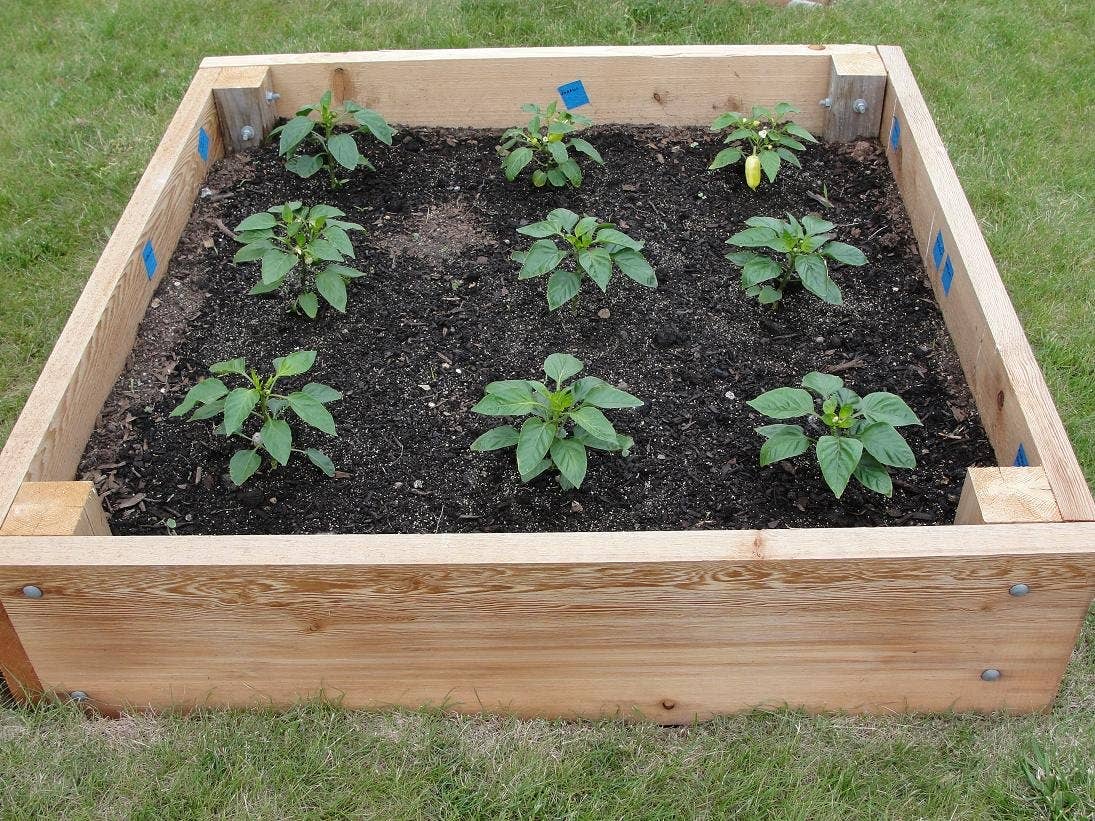
- Leave some space at the top for mulch and watering
Layering Techniques
Raised garden beds need the right layers to help plants grow well. Each layer plays a part in soil health and water flow.
Good layering keeps roots healthy and makes gardening easier. Let’s explore how to build these layers step by step.
Base Layer Options
The base layer helps keep pests out and adds drainage. You can use many materials for this layer, depending on what is easy to find.
- Use sticks or small branches to create a rough bottom.
- Shredded leaves or straw make a soft base that breaks down over time.
- Old cardboard or newspaper can stop weeds from growing up into your bed.
- Coarse gravel or small rocks help water drain away quickly.
Building Up Nutrient Layers
The middle layers give plants food and keep soil loose. You want a mix of green and brown materials to feed the soil.
- Start with a layer of compost or rich garden soil.
- Add grass clippings or green kitchen scraps for nitrogen.
- Mix in dry leaves, straw, or shredded paper for carbon.
- Top with a few inches of good potting soil or topsoil for planting.
Improving Drainage
Good drainage stops water from pooling and keeps roots healthy. It is important to keep water moving through your raised bed.
| Drainage Method | How It Helps |
| Layer of coarse gravel or small stones | Prevents water from sitting at the bottom |
| Adding sand to soil mix | Improves soil texture and water flow |
| Using raised bed liners with holes | Controls soil loss but allows water to drain |
| Regularly mixing soil | Keeps soil loose and porous |

Credit: migardener.com
Filling Tips For Raised Beds
Filling raised garden beds correctly helps plants grow well. The soil must be loose but firm enough to support roots. This guide covers how to fill raised beds for the best results.
Proper soil filling avoids problems like poor drainage or soil settling. Follow these tips to keep your garden healthy and strong.
How Much To Compact Soil
Soil in raised beds should be lightly compacted. Too loose soil can cause plants to fall over. Too much compaction blocks air and water flow.
- Fill the bed in layers, about 6 inches each.
- Press each layer gently by hand or with a flat board.
- Avoid heavy tamping that crushes soil particles.
- Leave the top few inches loose for planting.
Allowing For Settling Over Time
Soil naturally settles after rain and watering. This reduces the height of the soil in your bed. Plan to fill your bed slightly higher than the edge.
| Initial Soil Height | Settled Soil Height |
| 12 inches | 10 inches |
| 18 inches | 15 inches |
| 24 inches | 20 inches |
Check soil levels after a few weeks. Add more soil if the surface sinks below the bed frame.
When To Top Off Soil
Top off soil each growing season. Plants use nutrients and soil shrinks with time. Adding fresh soil keeps roots healthy and beds full.
- After winter, check soil height.
- Add compost or garden soil as needed.
- Mix new soil lightly into the top layer.
- Water well after topping off.
Maintaining Soil Health
Healthy soil is key for raised garden beds. It helps plants grow strong and stay healthy.
Proper soil care supports good drainage, nutrient supply, and moisture balance. This keeps your garden thriving.
Regular Soil Testing
Test your soil often to check nutrient levels and pH balance. This helps you know what your soil needs.
Soil testing guides you to add the right fertilizers and avoid nutrient buildup. It protects plants from stress.
Replenishing Nutrients
Plants use nutrients from soil to grow. Replace nutrients after harvest to keep soil rich and fertile.
- Add compost to supply organic matter and nutrients.
- Use natural fertilizers like bone meal or fish emulsion.
- Rotate crops to avoid nutrient depletion.
- Mulch to conserve nutrients and protect soil.
Managing Moisture Levels
Soil moisture affects plant health and nutrient uptake. Keep soil moist but not waterlogged.
| Moisture Level | Effect on Plants |
| Too Dry | Roots dry out, nutrients not absorbed |
| Ideal | Roots get enough water and oxygen |
| Too Wet | Roots can rot, nutrients wash away |
Credit: dengarden.com

Credit: www.yahoo.com
Frequently Asked Questions
How Full Should Raised Garden Beds Be Filled?
Raised garden beds should be filled up to 1-2 inches below the top edge. This allows room for watering and prevents soil overflow. Filling too high can cause water runoff and soil erosion, while too low reduces root space.
Why Leave Space Below The Bed’s Edge?
Leaving space below the bed’s edge helps retain water and prevents soil spillage. It also allows for mulch or compost layering on top, which improves moisture retention and soil health over time.
What Soil Mix Is Best For Raised Beds?
A mix of 60% topsoil, 30% compost, and 10% potting soil is ideal. This blend ensures good drainage, fertility, and aeration, promoting healthy root growth and plant development in raised garden beds.
Can Overfilling Raised Beds Harm Plants?
Yes, overfilling can cause water runoff and soil compaction. Excess soil may also overflow, making maintenance harder. Proper soil level supports healthy roots and efficient watering.
Conclusion
Raised garden beds need to be filled properly for healthy plants. Fill them nearly to the top, leaving a small gap for watering. Use good soil that drains well and holds nutrients. Avoid overfilling to stop soil from spilling out.
Check soil levels often and add more if needed. Well-filled beds help roots grow strong and plants thrive. This simple step improves your garden’s success and makes planting easier. Keep your raised beds just right, and enjoy a better harvest.