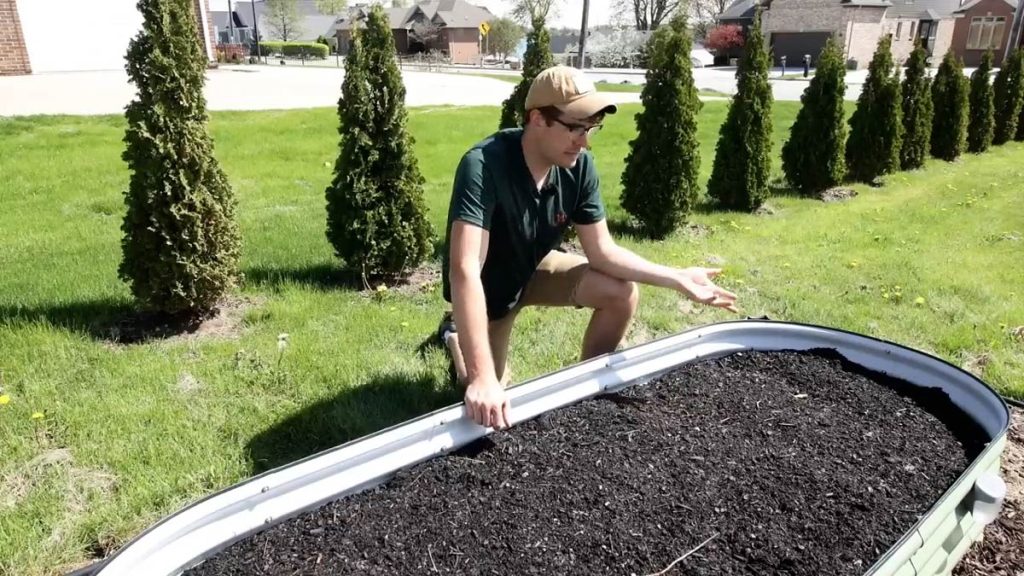
Are you wondering how full to fill your raised garden bed for the best results? Getting this just right can make a huge difference in the health and growth of your plants.
Too little soil means roots won’t have enough space, while too much can waste materials and effort. You’ll discover the perfect filling level that helps your garden thrive without extra cost or work. Keep reading, and you’ll learn simple tips to make your raised bed garden flourish like never before.
Credit: www.youtube.com
Choosing The Right Soil Mix
Filling your raised garden bed with the right soil mix is essential for healthy plants. The soil must support root growth and hold moisture well.
Good soil is a balance of different materials. Each part plays a role in helping plants grow strong and healthy.
Balancing Soil Components
A good soil mix has three main parts: sand, silt, and clay. Each affects water flow and nutrient holding.
- Sand improves drainage and air flow.
- Silt holds nutrients and moisture.
- Clay keeps the soil sticky and rich in nutrients.
- Too much clay can cause poor drainage.
- Too much sand can dry out plants.
Using Compost And Organic Matter
Compost adds nutrients and helps soil hold water. Organic matter feeds soil life and improves texture.
| Type | Benefit |
| Compost | Provides nutrients and improves soil structure |
| Peat moss | Increases water retention |
| Leaf mold | Enhances soil aeration and moisture |
| Manure | Adds nitrogen and organic matter |
Avoiding Common Soil Mistakes
Some soil mistakes can hurt your plants. Avoid these to keep your garden healthy.
- Do not use garden soil alone; it can be too dense.
- Avoid soil that is too sandy or has no nutrients.
- Do not add too much fertilizer at once; it can burn roots.
- Keep soil loose and well-drained for roots to grow.

Credit: www.reddit.com
Layering Techniques For Raised Beds
Filling a raised garden bed needs careful layering. Good layers help plants grow strong and healthy.
Each layer has a special job. Start with drainage, then add nutrients, and finish with topsoil.
Starting With Drainage
Drainage stops water from pooling at the bottom. It keeps roots from rotting. Use coarse materials.
Place a layer of gravel or small stones first. This layer should be about 2 to 3 inches deep.
- Gravel
- Crushed stone
- Broken pottery pieces
Adding Nutrient-rich Layers
Next, add layers that provide food for plants. Use organic matter like leaves and compost.
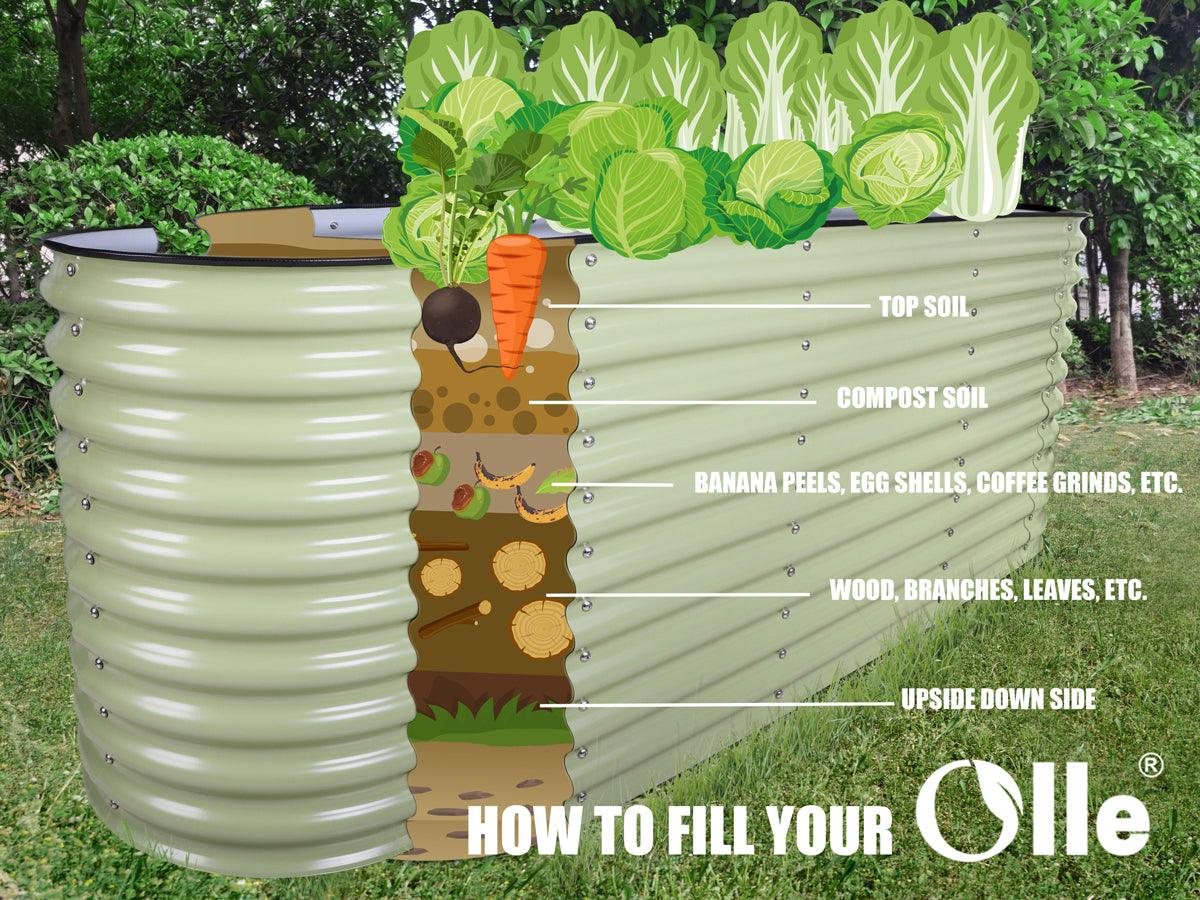
Layer these materials in this order: coarse branches, leaves, kitchen scraps, then compost.
- Coarse branches (3-4 inches)
- Dry leaves (2-3 inches)
- Kitchen scraps (1-2 inches)
- Compost (2-3 inches)
Topsoil Placement Tips
Topsoil is the final layer where plants will root. Use good-quality soil that drains well.
Fill the bed with topsoil about 6 to 8 inches deep. Avoid packing it too hard.
- Use loose, crumbly soil
- Check for weeds and stones
- Water the soil lightly after filling
Ideal Fill Height For Plant Growth
Filling your raised garden bed to the right height is important for plant health. It ensures that roots have enough space to grow and access nutrients.
Understanding the proper fill height will help you achieve a thriving garden. Let’s explore the factors that influence how full to fill your raised garden bed.
Minimum Soil Depth Requirements
Different plants have different soil depth needs. Knowing these requirements helps you decide how much soil to use.
- Leafy greens need about 6 inches of soil.
- Root vegetables like carrots need at least 12 inches.
- Tall plants like tomatoes need 18 inches or more.
Adjusting For Different Plants
Not all plants are the same, and some may need more or less soil. Adjusting soil levels based on plant types is key.
| Plant Type | Recommended Soil Depth |
| Herbs | 6-8 inches |
| Flowers | 10-12 inches |
| Shrubs | 18-24 inches |
Managing Soil Settling Over Time
Soil in raised beds settles over time, which can affect plant growth. It is important to manage this to maintain proper soil depth.
Maintaining Soil Health
Filling a raised garden bed correctly helps keep the soil healthy. Healthy soil grows strong plants with good yields.
Good soil has nutrients, air, and water. Taking care of it means testing, adding materials, and avoiding damage.
Regular Soil Testing
Testing soil shows what nutrients it has and what it needs. Test your soil once or twice a year to stay informed.
Use a simple soil test kit or send samples to a lab. Testing helps you know if you need to add nutrients.
Amending Soil Annually
Adding organic matter like compost keeps soil rich and loose. Do this every year to replace lost nutrients.
Mix compost, aged manure, or leaf mold into your soil. This improves water retention and helps plants grow well.
- Use 2 to 3 inches of compost on top
- Mix it into the top 6 to 12 inches of soil
- Do this before planting each spring
Preventing Soil Compaction
Soil compaction stops air and water from reaching roots. Avoid walking on garden beds to keep soil loose.
Use mulch to protect soil and keep it soft. Raised beds can get compacted if you add heavy soil or tools carelessly.
- Do not step inside raised beds
- Use wide paths around beds
- Apply mulch to reduce surface crust
Watering And Drainage Considerations
Raised garden beds need the right water balance to grow healthy plants. Too much water can drown roots, while too little can dry them out.
Good drainage helps keep soil healthy by letting extra water escape. Water retention keeps plants hydrated between watering times.
Ensuring Proper Drainage
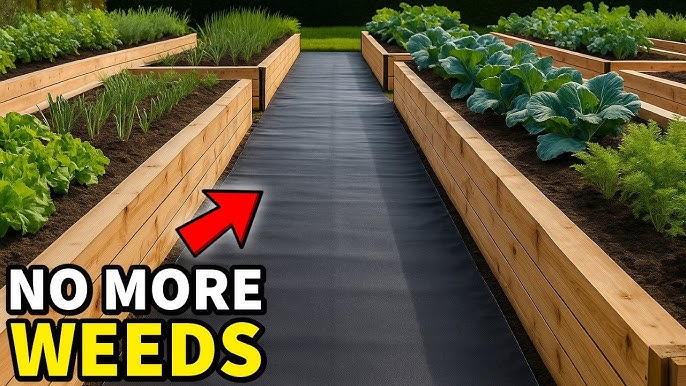
Proper drainage stops water from pooling at the bottom of the bed. It prevents root rot and keeps plants healthy.
Use materials like gravel or broken pottery at the bottom. These help water flow out quickly. Also, make sure your soil mix is loose and not too dense.
- Place coarse material at the bottom for drainage
- Use a well-draining soil mix with compost and sand
- Check drainage holes to keep them clear
- Elevate the bed slightly if the ground is flat
Water Retention Strategies
Good water retention helps plants stay hydrated longer. It reduces how often you need to water your bed.
Add organic matter like compost or peat moss to hold moisture. Mulching the surface also slows water evaporation.
- Mix compost or peat moss into the soil
- Use mulch such as straw or wood chips on top
- Water deeply and less often to encourage roots to grow down
- Plant ground covers to shade the soil
Signs Of Over Or Under Watering
Watch your plants for signs of too much or too little water. Early detection helps fix problems fast.
Overwatered plants may have yellow leaves or soft stems. Underwatered plants show dry, brown edges and drooping leaves.
- Yellowing leaves and mushy stems indicate overwatering
- Wilting and dry leaf edges show underwatering
- Soil that stays soggy or dries out quickly needs adjustment
- Roots that smell bad or look rotten mean poor drainage
Credit: www.ollegardens.com
Frequently Asked Questions
How High Should Soil Fill A Raised Garden Bed?
Fill your raised garden bed soil about 1 to 2 inches below the top edge. This prevents soil spillover when watering and allows space for mulch. It also ensures proper root growth and moisture retention without overflowing.
Can I Use Existing Soil To Fill Raised Beds?
Yes, you can use existing soil if it’s well-draining and nutrient-rich. Mix it with compost to improve fertility and texture. Avoid using heavy clay or contaminated soil to prevent poor plant growth and drainage issues.
What Is The Best Soil Mix For Raised Garden Beds?
Use a mix of 60% topsoil, 30% compost, and 10% coarse sand or perlite. This blend ensures good drainage, aeration, and nutrient availability for healthy plant roots. Adjust ratios based on your local soil conditions.
Should I Compact Soil When Filling Raised Beds?
No, avoid compacting soil in raised beds. Loose soil promotes root growth and better drainage. Lightly tamp only to remove large air pockets but keep soil fluffy for optimal plant health.
Conclusion
Filling your raised garden bed properly helps plants grow strong. Use a mix of soil, compost, and other materials for best results. Avoid overfilling to allow roots room to breathe. Keep soil loose and well-drained for healthy plants. Regularly check soil level and add more if needed.
A well-filled bed makes gardening easier and more fun. Happy planting!