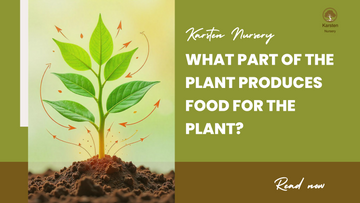
Have you ever wondered how green plants create their own food? It might seem like magic, but it’s a natural process that happens every day, all around you.
Understanding how plants make food can change the way you see the world and even inspire you to take better care of nature. You’ll discover the simple yet powerful steps plants use to turn sunlight into energy. By the end, you’ll know exactly how these green helpers keep life on Earth thriving—and why it matters to you.
Keep reading, and unlock the secret behind the green miracle!
Photosynthesis Basics
Green plants make their own food using a process called photosynthesis. This process helps plants turn sunlight into energy.
Photosynthesis happens mainly in the leaves of plants. It uses sunlight, water, and carbon dioxide to create food.
Chlorophyll And Light Absorption
Chlorophyll is a green pigment in plant leaves. It helps plants absorb light from the sun.
Chlorophyll mainly absorbs blue and red light. It reflects green light, which is why plants look green.
- Found in the chloroplasts of plant cells
- Captures light energy for photosynthesis
- Absorbs mostly blue and red light waves
Role Of Sunlight Energy
Sunlight provides the energy plants need to make food. This energy starts the photosynthesis process.
Light energy splits water into oxygen and hydrogen. The plant then uses hydrogen to make sugar.
- Sunlight is the main energy source
- Energy converts carbon dioxide and water into glucose
- Oxygen is released as a byproduct

Credit: sizzlekidz.com
Carbon Dioxide And Water Intake
Green plants make food by using sunlight, carbon dioxide, and water. They turn these into sugar and oxygen in a process called photosynthesis.
Carbon dioxide enters the leaves, and water moves up from the roots. Both are essential for plants to make food and grow.
Stomata And Gas Exchange
Stomata are tiny openings on the leaves’ surface. They let carbon dioxide in and oxygen out during photosynthesis.
These openings open and close to control gas flow and water loss. This helps plants keep the right balance for making food.
- Carbon dioxide enters through stomata
- Oxygen exits through stomata
- Stomata help control water loss
- They open during the day and close at night
Water Transport Through Roots
Roots take water from the soil and send it up to the leaves. Water moves through tiny tubes called xylem inside the plant.
Water is needed to make food and keep the plant cells healthy. It also helps carry minerals from the soil to the plant.
- Roots absorb water from soil
- Water travels up through xylem tubes
- Water supports photosynthesis
- Water carries nutrients to all parts of the plant
The Photosynthesis Process
Photosynthesis is how green plants make their food. They use sunlight to convert water and carbon dioxide into glucose. This process also releases oxygen into the air.
Photosynthesis occurs in two main stages. These stages are the light-dependent reactions and light-independent reactions.
Light-dependent Reactions
These reactions happen in the thylakoid membranes of chloroplasts. They require sunlight to occur.
- Sunlight is absorbed by chlorophyll.
- Water molecules are split into oxygen, protons, and electrons.
- Oxygen is released as a byproduct.
- ATP and NADPH are produced, storing energy for the next stage.
Light-independent Reactions
These reactions are also known as the Calvin Cycle. They occur in the stroma of chloroplasts and do not need sunlight directly.
| Input | Output |
| Carbon Dioxide | Glucose |
| ATP | ADP |
| NADPH | NADP+ |
In this stage, ATP and NADPH from the light-dependent reactions are used. They help convert carbon dioxide into glucose, a sugar that plants use for energy.

Credit: www.youtube.com
Glucose Formation And Storage
Green plants make food by turning sunlight into energy. This process creates glucose, a type of sugar plants use for fuel.
Glucose is important because plants use it to grow and survive. They also store extra glucose for later use.
Sugar Production
Plants make glucose during photosynthesis. They take in sunlight, water, and carbon dioxide. These ingredients mix in the leaves to form sugar.
- Sunlight provides energy.
- Leaves absorb carbon dioxide from the air.
- Roots take water from the soil.
- Chlorophyll in leaves helps capture sunlight.
- Glucose forms as a result of these inputs.
Energy Storage In Plants
Plants store glucose in different forms. Starch is the main way plants save energy for later use.
| Form | Purpose | Location |
|---|---|---|
| Glucose | Immediate energy | Cells |
| Starch | Long-term energy storage | Roots, seeds, leaves |
| Cellulose | Builds cell walls | Plant structure |
Oxygen Release And Environmental Impact
Green plants make their own food using sunlight, water, and carbon dioxide. This process is called photosynthesis.
While making food, plants release oxygen into the air. This oxygen is very important for life on Earth.
Oxygen As A Byproduct
During photosynthesis, plants take in carbon dioxide and water. They use sunlight to turn these into food.
Oxygen is made as a byproduct and released into the air. This oxygen helps animals and people breathe.
- Plants absorb carbon dioxide from the air.
- They produce oxygen and release it.
- Oxygen supports life for animals and humans.
Benefits To Ecosystems
Oxygen from plants keeps ecosystems healthy. It supports animals, insects, and tiny water creatures.
Plants also help clean the air and reduce pollution. They give homes to many animals and insects.
- Oxygen supports breathing for many living things.
- Plants reduce harmful gases in the air.
- They provide shelter and food for animals.
- Green plants help keep the environment balanced.

Credit: www.youtube.com
Factors Affecting Food Production
Green plants need certain conditions to make food through photosynthesis. Many factors can change how well plants produce food. These factors affect plant growth and health.
Understanding these factors helps us learn how plants get energy and grow. Here are some key elements that affect food production in plants.
Light Intensity And Quality
Light is the main energy source for plants. Strong light helps plants make more food. Low light slows down food production. The color of light also matters. Plants use blue and red light best for photosynthesis.
- High light intensity increases photosynthesis.
- Low light reduces food production.
- Blue and red light colors are most effective.
- Green light is least used by plants.
Water Availability
Water is a key ingredient in making food. Plants need water to carry nutrients and keep cells firm. Without enough water, plants close their leaf pores. This stops carbon dioxide from entering and slows photosynthesis.
Carbon Dioxide Levels
Carbon dioxide (CO₂) is one of the raw materials for food production. Higher CO₂ levels can boost photosynthesis. But if CO₂ is too low, plants cannot make enough food. Balanced CO₂ is important for good growth.
Temperature Effects
| Temperature Range | Effect on Photosynthesis |
| 10°C – 30°C | Optimal for most plants |
| Below 10°C | Photosynthesis slows down |
| Above 30°C | Enzyme damage reduces food production |
Temperature controls the speed of chemical reactions in plants. Very low or very high temperatures harm the enzymes that help photosynthesis. Plants grow best in moderate temperatures.
Adaptations In Different Plants
Green plants make food using sunlight, water, and carbon dioxide. They use a process called photosynthesis.
Different plants have special ways to make food. These changes help them survive in many places.
C3 Pathway
C3 plants use the most common way to make food. They take carbon dioxide and turn it into sugar in their leaves.
This process works best in cool and wet places. Most trees and crops like rice and wheat use the C3 pathway.
C4 Pathway
C4 plants have a special way to catch carbon dioxide. They keep it safe in their leaves before making food.
This helps them save water and work well in hot, sunny places. Corn and sugarcane are C4 plants.
- Uses extra steps to keep carbon dioxide
- Saves water in dry conditions
- Works well in hot weather
Cam Pathway
CAM plants open their leaf pores at night to take in carbon dioxide. They store it until daytime.
During the day, they use sunlight to make food. This helps them save water in very dry places.
- Open pores at night to reduce water loss
- Store carbon dioxide for daytime use
- Found in cacti and succulents
Survival In Harsh Environments
Plants change how they make food to live in tough places. These changes help them save water and energy.
Plants in deserts or hot areas often use C4 or CAM pathways. These help them stay alive with less water.
- C4 plants do well in hot, sunny areas
- CAM plants survive in dry deserts
- C3 plants grow in cooler, wetter places
Frequently Asked Questions
How Do Green Plants Produce Their Own Food?
Green plants make food through photosynthesis. They use sunlight, water, and carbon dioxide. Chlorophyll in leaves captures sunlight. This energy converts carbon dioxide and water into glucose and oxygen.
What Role Does Chlorophyll Play In Food Production?
Chlorophyll absorbs sunlight and converts it into energy. This energy drives photosynthesis, enabling plants to make glucose. Without chlorophyll, plants cannot produce food or survive.
Why Is Photosynthesis Important For Green Plants?
Photosynthesis provides energy for plant growth and development. It produces glucose, which fuels cellular activities. It also releases oxygen, essential for life on Earth.
Which Parts Of The Plant Are Involved In Making Food?
Leaves mainly make food using chlorophyll. Roots absorb water and minerals. Stomata on leaves allow carbon dioxide entry. All parts work together during photosynthesis.
Conclusion
Green plants make food using sunlight, water, and air. This process, called photosynthesis, helps plants grow and stay healthy. It also produces oxygen, which we need to breathe. Plants turn sunlight into energy, feeding themselves and other living things. Understanding how plants make food shows us nature’s power.
It reminds us to care for plants and the environment. Simple yet vital. Green plants keep life going.