Have you ever wondered just how heavy air conditioners are? Whether you’re planning to install one yourself or just curious about what goes into these cooling machines, knowing their weight can be surprisingly important.
The size and weight of an air conditioner affect everything from installation costs to where you can place it in your home. Keep reading, and you’ll discover the facts that will help you make smarter decisions about your cooling needs.
Don’t miss out on understanding this key detail that could save you time, money, and hassle!
Types Of Air Conditioners
Air conditioners come in different types. Each type has a different weight based on size and parts.
Knowing the type helps you understand how heavy the unit might be. This can affect installation and use.
Window Units
Window air conditioners are common in homes. They fit into window frames and cool one room.
These units usually weigh between 30 to 60 pounds. The weight depends on cooling power and size.
- Small units weigh around 30 pounds
- Larger units can weigh up to 60 pounds
- Easy to install but need a sturdy window
Split Systems
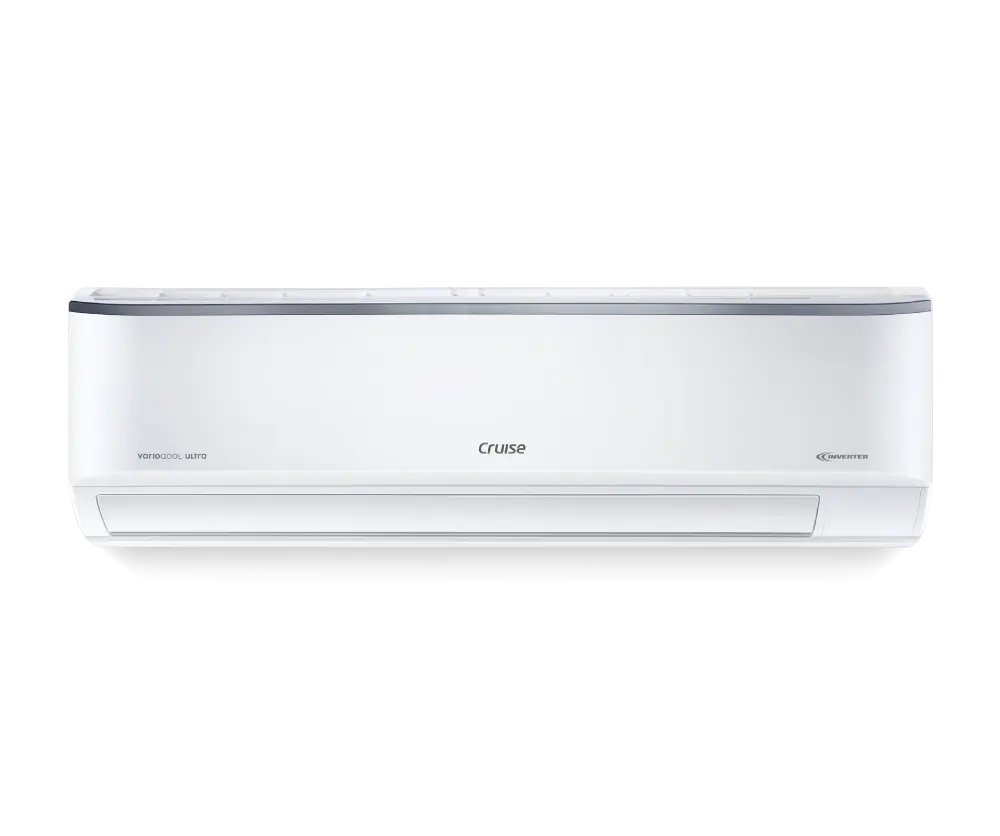
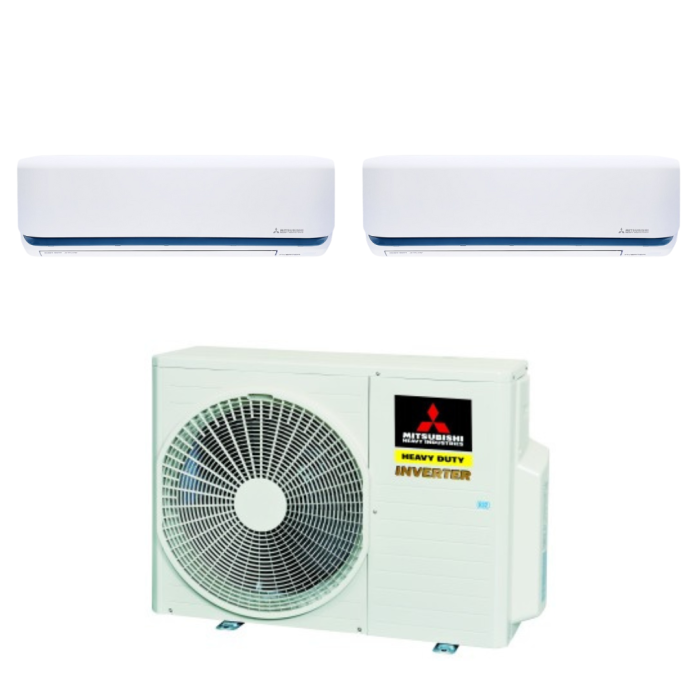
Split systems have two parts: indoor and outdoor units. The indoor unit is light and mounts on a wall.
The outdoor unit holds the compressor and can weigh 60 to 150 pounds. It needs a solid base for support.
- Indoor unit weighs about 15 to 30 pounds
- Outdoor unit weighs between 60 to 150 pounds
- Outdoor part is heavier due to compressor
Portable Air Conditioners
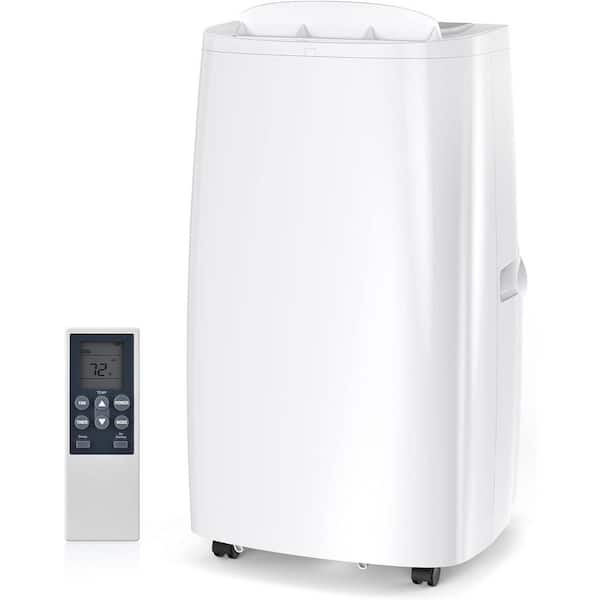
Portable air conditioners sit on the floor and can move from room to room. They are easy to use.
These units are heavier than window units. They usually weigh between 50 and 80 pounds.
- Weight is mostly due to internal parts
- Includes a hose to vent hot air outside
- Heavy but easy to move with wheels
Central Air Conditioning
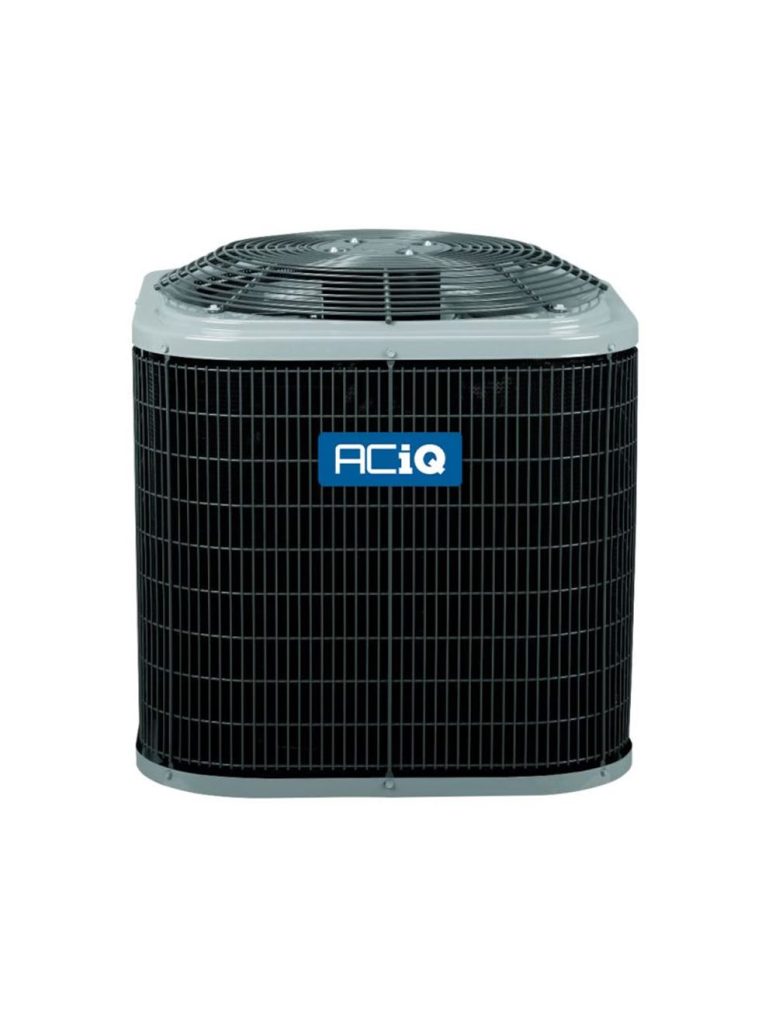
Central air conditioners cool entire homes. They have large outdoor units and indoor air handlers.
The outdoor compressor unit can weigh 150 to 250 pounds or more. Indoor units vary in weight.
- Outdoor unit is very heavy and large
- Indoor air handler weighs 40 to 100 pounds
- Professional installation needed due to size
Credit: www.cruiseac.com
Weight Factors
Air conditioners come in many sizes and types. Their weight depends on several important factors.
Knowing what affects the weight helps when choosing and installing an air conditioner.
Size And Capacity
Bigger air conditioners usually weigh more. Larger units have bigger compressors and more parts.
Capacity is measured in BTUs. Higher BTU units are heavier because they cool larger areas.
- Small window units can weigh 20 to 50 pounds.
- Mid-size split systems often weigh 50 to 150 pounds.
- Large central units may weigh over 200 pounds.
Materials Used
Air conditioner parts use metals and plastics. These materials affect the total weight.
Steel and copper parts add more weight. Plastic parts are lighter but less common in big units.
- Steel frames and panels add strength and weight.
- Copper tubing for refrigerant is heavy but efficient.
- Plastic parts reduce weight in small units.
Additional Components
Extra features like fans, filters, and compressors add to the weight. Each part has a specific role.
More components mean a heavier unit. Some air conditioners have extra layers for noise reduction.
- Compressors are one of the heaviest parts.
- Fans and motors add moderate weight.
- Filters and insulation add small amounts of weight.
Average Weights By Type
Air conditioners come in many types and sizes. Their weight changes based on design and parts.
Knowing the weight helps in installation and moving the units safely. Here are common types and their average weights.
Window Ac Weight Range
Window air conditioners are compact units installed in windows. They are usually lighter than other types.
The weight depends on the cooling capacity and size. Smaller models weigh less than bigger ones.
- Small window ACs: 40 to 60 pounds
- Medium window ACs: 60 to 80 pounds
- Large window ACs: 80 to 100 pounds
Split System Weight Range
Split systems have two parts: indoor and outdoor units. The outdoor unit is heavier than the indoor one.
The indoor unit is light and easy to mount. The outdoor unit holds the compressor and weighs more.
- Indoor unit: 15 to 30 pounds
- Outdoor unit: 70 to 150 pounds
Portable Unit Weight Range
Portable air conditioners can be moved from room to room. They are heavier than window units.
The weight includes wheels and hoses. Most portable units need two people to carry safely.
- Small portable ACs: 40 to 50 pounds
- Medium portable ACs: 50 to 70 pounds
- Large portable ACs: 70 to 90 pounds
Central Ac Unit Weight Range
Central air conditioners cool whole buildings. These units are large and very heavy.
The outdoor condenser and compressor are the heaviest parts. Installation needs professional help.
- Small central AC units: 150 to 250 pounds
- Medium central AC units: 250 to 400 pounds
- Large central AC units: 400 to 700 pounds
Impact Of Weight On Installation
Air conditioners come in different sizes and weights. The weight can affect how easy or hard it is to install them.
Heavier units need special care during installation to avoid damage or injury.
Mounting Requirements
Heavy air conditioners need strong and stable mounting points. Mounts must hold the full weight safely.
Incorrect mounts can cause the unit to fall or tilt. This damages the unit and the wall.
- Use brackets rated for the AC’s weight
- Check wall material before mounting
- Secure bolts tightly and use anchors if needed
Structural Support
Heavy air conditioners need strong support inside the building. Floors or walls must carry the load.
Weak structures can crack or collapse under the weight. Reinforcement may be necessary for safe installation.
- Inspect the installation site for strength
- Add support beams if needed
- Consult a professional for large units
Transport And Handling
Heavy air conditioners require careful transport to avoid damage. Lifting and moving need more effort.
Using proper tools and enough people helps prevent accidents and protects the unit.
- Use dollies or carts for moving
- Lift with multiple people if heavy
- Wear gloves to improve grip
- Keep the unit upright during transport
Weight Considerations For Energy Efficiency
Air conditioners come in different sizes and weights. Knowing how heavy they are helps you choose the right one for your home or office.
Weight affects how the air conditioner works and how much energy it uses. This guide explains why weight matters for energy efficiency.
How Weight Relates To Air Conditioner Size
Heavier air conditioners usually have bigger compressors and more metal parts. These parts help the unit cool larger spaces.
Larger air conditioners often use more energy because they cool more air. You should pick the right size to save energy and money.
Weight And Energy Efficiency Ratings
Energy efficiency ratings show how well an air conditioner saves electricity. Heavier units may have better parts that use energy wisely.
Look for units that balance weight and efficiency. A heavy unit is not always better if it uses too much power.
Installation And Weight Impact On Efficiency
Heavier air conditioners need strong support during installation. Poor installation can reduce energy efficiency and cause damage.
Make sure your wall or window can hold the unit’s weight safely. Secure installation helps the air conditioner run smoothly.
Weight And Portability
Lighter air conditioners are easier to move and install in different rooms. Portable units often weigh less but may cool smaller areas.
Choose a unit weight that fits your needs. A heavy unit is best for fixed places; a light unit works for flexible use.
Credit: www.gaincity.com
Tips For Moving And Installing Heavy Air Conditioners
Air conditioners can be very heavy and hard to move. Proper care helps avoid damage and injury.
Use the right tools and follow safety steps for a smooth moving and installation process.
Prepare The Area Before Moving
Clear the path where you will move the air conditioner. Remove obstacles and trip hazards.
Measure doorways and hallways. Make sure the unit can fit through all spaces.
- Clear furniture and rugs
- Measure width and height of doors
- Check floor strength for heavy units
Use Proper Lifting Techniques
Lift with your legs, not your back. Keep your back straight to avoid injury.
Teamwork makes moving easier. Use at least two people for heavy air conditioners.
- Bend knees when lifting
- Keep the load close to your body
- Communicate clearly with your partner
- Do not twist your body while carrying
Use Equipment To Help Move
Dollies or hand trucks reduce effort and risk. Secure the air conditioner on the equipment.
Use straps or ropes to keep the unit stable during transport.
- Choose a dolly rated for the weight
- Secure the unit with straps
- Move slowly and watch your path
Check The Weight Of Your Air Conditioner
Heavy air conditioners can weigh 100 to 300 pounds or more. Check the manual for exact weight.
Knowing the weight helps you plan how many people or what tools you need.
- Small window units weigh 40-80 pounds
- Large window units weigh 100-150 pounds
- Central units can weigh over 200 pounds
Secure The Unit During Installation
Use brackets or mounting kits designed for your air conditioner model. This ensures safety.
Check that the unit is level to prevent leaks and damage. Tighten all screws firmly.
- Use manufacturer-approved mounting hardware
- Ensure the unit sits flat and level
- Double-check all fasteners for tightness
Credit: www.homedepot.com
Frequently Asked Questions
How Heavy Is A Typical Window Air Conditioner?
A typical window air conditioner weighs between 40 to 70 pounds. Weight varies by size and cooling capacity. Smaller units are lighter, while larger ones are heavier. Always check the specifications before installation for safe handling.
What Factors Affect An Air Conditioner’s Weight?
Air conditioner weight depends on size, type, and materials used. Components like compressors and condensers add to the weight. Larger cooling capacity units generally weigh more. Installation type also influences overall weight considerations.
How Much Do Central Air Conditioners Weigh?
Central air conditioners usually weigh between 150 to 400 pounds. Outdoor condenser units are heavier due to compressors and coils. Indoor air handlers vary but are generally lighter. Professional installation is recommended because of their weight.
Can Air Conditioner Weight Impact Installation?
Yes, air conditioner weight impacts installation methods and safety. Heavier units require stronger support and professional handling. Incorrect mounting can cause damage or injury. Always follow manufacturer guidelines to ensure secure installation.
Conclusion
Air conditioner weight varies based on type and size. Window units weigh less, making them easier to install. Portable units are heavier but offer flexibility. Central systems are the heaviest, requiring professional setup. Consider weight when choosing an air conditioner.
It impacts installation, mobility, and placement. Lightweight units suit small spaces or frequent moves. Heavier systems offer more cooling power for larger areas. Balance your cooling needs with the unit’s weight. This ensures optimal comfort and convenience in your home.
Understanding weight helps make informed decisions about air conditioners.