
Have you ever wondered just how heavy car tires really are? You might think they’re light and easy to handle, but the truth could surprise you.
Understanding the weight of your tires isn’t just a curiosity—it can affect your car’s performance, fuel efficiency, and even your safety on the road. By the end of this article, you’ll know exactly what goes into the weight of your tires and why it matters to you.
Keep reading to discover facts that could change the way you think about your car’s wheels.
Average Weight Of Car Tires
Car tires come in different sizes and weights. Knowing the average weight helps with handling and fuel efficiency.
Most standard car tires weigh between 20 and 25 pounds. This weight can change based on the tire’s design and purpose.
Factors Influencing Tire Weight
Several factors affect how heavy a car tire is. These include the tire size, materials, and tread design.
Bigger tires use more rubber and metal, making them heavier. Stronger materials add to the weight too.
- Size of the tire (diameter and width)
- Type of rubber and fabric used
- Tread depth and pattern
- Presence of steel belts inside the tire
- Sidewall thickness and construction
Weight Differences By Tire Type
Different tire types weigh differently. Passenger car tires are lighter than truck or off-road tires.
Performance tires often use lighter materials to improve speed. All-terrain tires are heavier for durability.
| Tire Type | Average Weight (pounds) |
|---|---|
| Passenger Car Tires | 20 – 25 |
| Performance Tires | 18 – 22 |
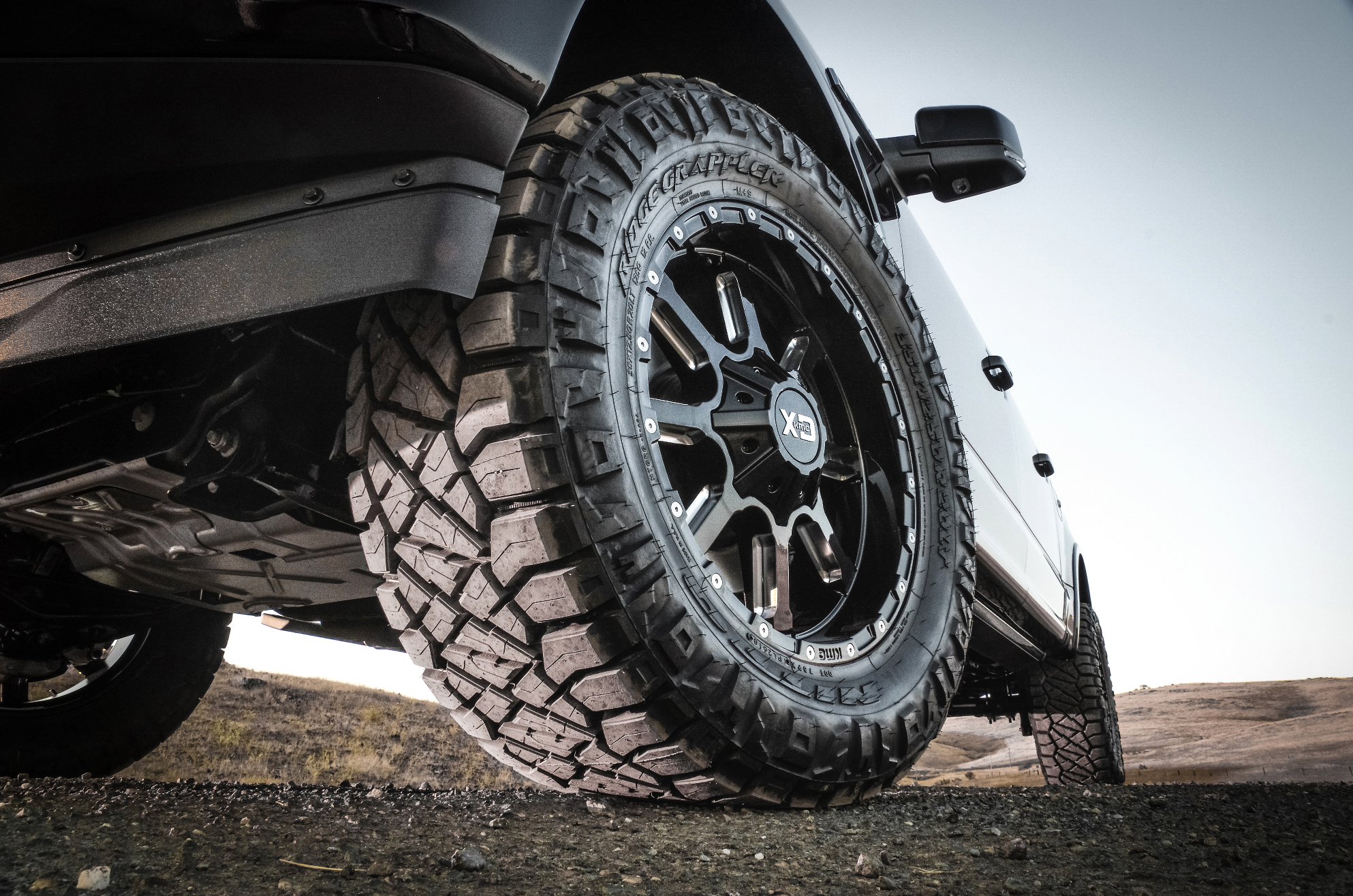
| All-Terrain Tires | 30 – 40 |
| Truck Tires | 40 – 70 |
Credit: burtbrothers.com
Materials Used In Tires
Car tires are made from many materials. Each material adds strength and flexibility to the tire.
The combination of these materials affects the tire’s weight and durability.
Rubber Compounds
Rubber is the main material in tires. It helps the tire grip the road and absorb shocks.
Tire rubber is mixed with chemicals to make it stronger and last longer.
- Natural rubber adds flexibility
- Synthetic rubber improves wear resistance
- Additives help resist heat and damage
Steel And Fabric Components
Steel belts inside the tire give it strength and shape. They keep the tire from stretching.
Fabric layers made from materials like polyester add flexibility and help the tire hold air.
- Steel belts improve tire durability
- Fabric cords provide flexibility
- These materials add to the tire’s weight
Impact Of Tire Size On Weight
Tire size plays a big role in how heavy a car tire is. Bigger tires usually weigh more than smaller ones.
Understanding how tire size affects weight helps when choosing tires for better performance and fuel efficiency.
Small Vs Large Tires
Small tires weigh less because they use less rubber and materials. Large tires have more volume and thickness, which adds weight.
- Small tires improve fuel economy due to less weight.
- Large tires offer better traction but add extra weight.
- Weight differences affect acceleration and braking.
Effect Of Width And Profile
Tire width and profile influence the total tire weight. Wider tires have more rubber, and lower profiles need stronger sidewalls.
| Factor | Impact on Weight |
| Width | Wider tires weigh more due to extra rubber. |
| Profile | Lower profile tires are heavier because of thicker sidewalls. |
| Combination | Wide, low-profile tires are the heaviest type. |

Credit: www.amazon.ca
Weight Variations In Specialty Tires
Car tires come in many types, each made for specific uses. Their weight changes based on design and materials. Specialty tires are heavier or lighter depending on their job.
We will look at three types: performance, off-road, and run-flat tires. Each has unique weight features that affect how the car drives.
Performance Tires
Performance tires are built for speed and handling. They use lighter materials to reduce weight. This helps cars accelerate faster and turn better. The weight usually ranges from 15 to 25 pounds.
- Made with soft rubber for grip
- Thinner sidewalls to save weight
- Less tread depth than normal tires
- Focus on road performance, not durability
Off-road Tires
Off-road tires are heavier to handle rough ground. They have strong sidewalls and deep treads. These features add weight but protect the tire from damage. Typical weights range from 25 to 40 pounds.
| Feature | Effect on Weight | Reason |
| Thick sidewalls | Increase weight | Protect against rocks and bumps |
| Deep tread patterns | Add weight | Improve grip on mud and sand |
| Reinforced layers | Heavier | Enhance durability |
Run-flat Tires
Run-flat tires are heavier than normal tires. They have extra rubber and strong sidewalls. This lets the tire hold the car’s weight even when flat. Weight ranges from 20 to 35 pounds.
Key weight reasons:
- Thick sidewalls support the car without air.
- Extra rubber layers add strength.
- Special construction raises overall weight.
How Tire Weight Affects Vehicle Performance
Tire weight plays a key role in how a vehicle performs. It affects many parts of driving. Understanding this can help you choose the right tires for your car.
Different tire weights change fuel use, handling, and safety. Let’s look at these effects closely.
Fuel Efficiency
Heavier tires need more energy to roll. This extra effort uses more fuel. Lighter tires help save fuel by reducing the load on the engine.
- Heavy tires increase fuel consumption.
- Lighter tires reduce engine work.
- Less fuel use lowers running costs.
Handling And Ride Comfort
Heavier tires add weight to the wheels. This can make steering feel slow and less sharp. Lighter tires improve control and make the ride smoother.
| Factor | Heavy Tires | Light Tires |
| Steering Response | Slower | Faster |
| Ride Comfort | Harsher | Smoother |
| Vehicle Stability | Better at high speeds | Good but less mass |
Acceleration And Braking
Heavier tires make it harder to speed up and stop. They increase the wheel’s inertia. Lighter tires help cars accelerate faster and brake shorter.
Effects of tire weight on acceleration and braking:
- Heavy tires slow acceleration.
- Braking distance increases with tire weight.
- Lighter tires improve quick starts and stops.

Credit: topotekavionic.en.made-in-china.com
Tips For Choosing The Right Tire Weight
Choosing the right tire weight helps improve your car’s performance and safety. Tires that are too heavy or too light can cause problems on the road.
Understanding how tire weight affects your car will guide you in making the best choice. Focus on balancing weight with durability and your driving conditions.
Balancing Weight And Durability
Lighter tires can improve fuel efficiency and handling. Heavier tires tend to last longer and provide better stability. You need to find the right balance for your needs.
| Tire Weight | Pros | Cons |
|---|---|---|
| Lightweight | Better fuel economy, easier handling | Less durable, may wear out faster |
| Heavier | More durable, better stability | Reduced fuel efficiency, harder steering |
Considering Driving Conditions
Your driving environment affects the best tire weight for your car. Different roads and weather need different tire features.
- For city driving, lighter tires help with quick stops and turns.
- For rough or off-road, heavier tires resist damage better.
- In snowy or icy areas, durable tires with good grip are important.
- High-speed driving needs tires that balance weight and strength well.
Frequently Asked Questions
How Much Does An Average Car Tire Weigh?
An average car tire weighs between 20 to 25 pounds. Weight varies by tire size and type. Larger tires for SUVs or trucks weigh more. Tire weight affects fuel efficiency and vehicle handling.
What Factors Affect The Weight Of Car Tires?
Tire weight depends on size, material, tread design, and construction. Larger diameter and wider tires weigh more. Reinforced tires with steel belts add extra weight. Lightweight tires improve performance but may cost more.
Why Does Tire Weight Matter For My Vehicle?
Tire weight impacts fuel economy and ride comfort. Heavier tires increase rolling resistance, reducing fuel efficiency. Lighter tires improve acceleration and braking. Choosing the right tire weight ensures better handling and safety.
Can Tire Weight Influence Fuel Efficiency?
Yes, heavier tires reduce fuel efficiency by increasing rolling resistance. Lighter tires require less energy to move. Choosing lightweight tires can improve miles per gallon. However, durability and safety should also be considered.
Conclusion
Understanding car tire weight helps with maintenance and replacement decisions. Lighter tires boost fuel efficiency, while heavier ones enhance stability. Your vehicle’s performance heavily relies on choosing the right tire. Always consider your driving needs and conditions. Select tires that match your vehicle’s specifications.
Check tire weight labels for better insight. Regular checks ensure your tires remain in good condition. Tires impact safety and driving comfort. So, invest time in selecting the right ones. Make informed choices for a smoother, safer ride. Your vehicle deserves the best.
Keep it in top shape with the right tires.