Have you ever wondered just how heavy your washer and dryer really are? Whether you’re moving to a new home, planning a laundry room makeover, or just curious, knowing the weight of these machines can save you a lot of hassle.
You might think they’re easy to carry, but the truth could surprise you. Understanding their weight helps you prepare better, avoid injury, and make smarter decisions when buying or relocating. Keep reading, and you’ll discover everything you need to know about how heavy washers and dryers can be—and why it matters to you.

Credit: www.danby.com
Average Weight Of Washers
Washers come in different sizes and weights. Knowing their weight helps with moving and installation.
This guide explains the average weight of common washer types. It covers top-load, front-load, and compact washers.
Top-load Washers
Top-load washers are the most common type. They have a lid on the top to load clothes.
The average weight of a top-load washer ranges from 120 to 150 pounds. Heavier models may weigh more.
- Standard top-load washer: about 125 pounds
- Heavy-duty top-load washer: up to 150 pounds
- Portable top-load washer: around 60 to 80 pounds
Front-load Washers
Front-load washers have a door on the front for loading clothes. They use less water and energy.
These washers usually weigh more than top-load models. Their weight ranges from 150 to 200 pounds.
- Basic front-load washer: about 150 pounds
- High-capacity front-load washer: up to 200 pounds
- Stackable front-load units: around 140 to 180 pounds
Compact Washers
Compact washers are small and fit in tight spaces. They are good for apartments or small homes.
The weight of compact washers is usually lighter. They weigh between 90 and 120 pounds.
- Portable compact washer: about 90 pounds
- Stackable compact washer: around 100 to 120 pounds
- Combination washer-dryer units: about 110 pounds

Credit: www.gerritsappliances.com
Average Weight Of Dryers
Dryers come in different types and sizes. Their weight changes based on the model and features. Knowing the weight helps when moving or installing them.
Most dryers weigh between 100 to 150 pounds. This range covers many common models found in homes.
Electric Dryers
Electric dryers are popular in many homes. They use electricity to heat and dry clothes. Their weight usually depends on the size and materials.
On average, electric dryers weigh about 125 pounds. Larger models can weigh up to 150 pounds, while smaller ones are lighter.
- Standard electric dryer: 120 to 150 pounds
- Small electric dryer: around 100 pounds
- Materials like steel add to the weight
Gas Dryers
Gas dryers use natural gas to create heat. They need a gas line connection. This type of dryer is usually heavier than electric models.
Gas dryers commonly weigh between 130 and 160 pounds. Extra parts like the gas burner add to the total weight.
- Average gas dryer: 130 to 160 pounds
- Heavier due to gas components
- Installation may require professional help
Compact Dryers
Compact dryers are smaller and fit in tight spaces. They use less power and hold less laundry. These models are lighter than full-size dryers.
Most compact dryers weigh between 70 and 100 pounds. They are easier to move and install in small homes or apartments.
- Weight range: 70 to 100 pounds
- Good for small laundry loads
- Lightweight and portable options available
Factors Affecting Washer And Dryer Weight
Washers and dryers come in many shapes and sizes. Their weight varies widely. Several factors affect how heavy these machines are.
Understanding these factors helps you choose the right appliance for your space and needs.
Materials Used
The materials used in washers and dryers play a big role in their weight. Most machines have metal frames and plastic parts.
- Steel frames add strength and increase weight.
- Plastic panels reduce weight but may be less durable.
- Glass doors on front-loaders add extra weight compared to plastic doors.
- Drums made of stainless steel weigh more than those made of plastic.
Size And Capacity
Bigger washers and dryers usually weigh more. Their size depends on the drum capacity and overall design.
| Capacity (Cubic Feet) | Approximate Weight Range (Pounds) |
| 3.0 – 4.0 | 120 – 150 |
| 4.1 – 5.0 | 150 – 180 |
| 5.1 – 6.0 | 180 – 220 |
Additional Features
Extra features add weight to washers and dryers. Some common features include:
- Built-in water heaters
- Advanced control panels and displays
- Sound insulation materials
- Steam cleaning systems
- Extra-large motors
Weight Comparison Between Models
Washer and dryer weight varies by model and type. Knowing the weight helps in planning delivery and installation.
Different models use different materials and technology. This affects their weight and ease of moving.
Standard Vs. High-efficiency Models
Standard washers and dryers are usually heavier than high-efficiency (HE) models. HE models use less water and energy.
HE machines often have lighter parts to save energy. Standard models have bigger motors and tanks, adding weight.
| Model Type | Average Washer Weight | Average Dryer Weight |
|---|---|---|
| Standard | 150-180 lbs (68-82 kg) | 120-160 lbs (54-73 kg) |
| High-Efficiency | 120-150 lbs (54-68 kg) | 100-140 lbs (45-64 kg) |
Stackable Units Vs. Separate Appliances
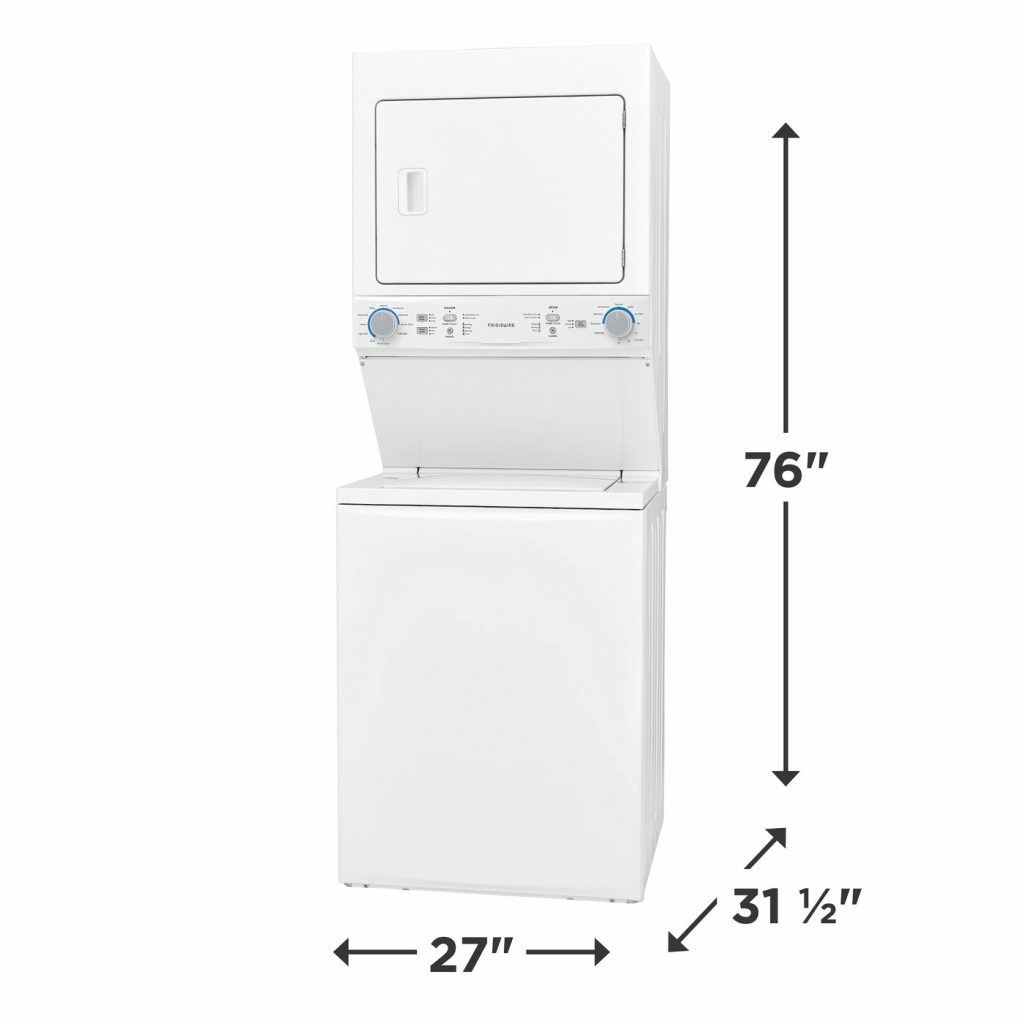
Stackable washer and dryer units are lighter than two separate machines combined. They save space in small homes.
Separate appliances weigh more but offer more capacity. Stackable units focus on compact design and convenience.
- Stackable washer: 120-140 lbs (54-64 kg)
- Stackable dryer: 100-130 lbs (45-59 kg)
- Separate washer: 150-180 lbs (68-82 kg)
- Separate dryer: 120-160 lbs (54-73 kg)
Moving And Installation Considerations
Washer and dryers are heavy appliances that need careful handling. Moving and installing them requires planning to avoid damage and injury.
Understanding the weight and support needs helps ensure a safe setup. This guide covers key points to keep in mind during the process.
Handling Heavy Appliances
Washers and dryers often weigh between 150 and 250 pounds. This weight makes lifting and moving difficult for one person.
Use tools like dollies or appliance straps to move them safely. Always lift with your legs, not your back, to avoid injury.
- Get help from another person when possible
- Clear the path before moving the appliance
- Use protective gloves for a better grip
- Take breaks if you feel tired
Flooring And Support Needs
Heavy appliances can damage weak floors if not supported properly. Check the floor type before installation.
Concrete floors handle the weight well. Wood floors may need extra reinforcement or a base board to spread the load.
- Inspect floor for cracks or weakness
- Place a sturdy base under the appliance if needed
- Use anti-vibration pads to protect the floor
- Ensure the appliance is level for best performance
Professional Vs. Diy Installation
Installing washers and dryers can be done by professionals or by yourself. Each choice has benefits and risks.
Professionals have tools and experience to handle heavy lifting and connections safely. DIY saves money but needs careful planning.
- Hire professionals for complex plumbing or electrical work
- DIY installation is good for simple setups
- Read the manual carefully before starting
- Use proper tools and safety gear during installation

Credit: www.frigidaire.ca
Impact Of Weight On Energy Efficiency
Washer and dryer weight affects how much energy they use. Heavy machines can be more efficient, but not always. Understanding how weight influences energy is important for choosing the right appliance.
Heavier washers and dryers may have strong parts, but they can use more energy. Let’s explore how weight impacts energy efficiency in these machines.
Heavier Components And Durability
Heavy washers and dryers often have strong, durable parts. These components last longer and handle more laundry. This durability can mean fewer repairs and lower costs over time.
Strong materials, like metal drums and frames, add weight. These parts can withstand wear and tear better than lighter models. This makes them a good choice for frequent use.
- Metal drums resist rust and damage
- Sturdy frames prevent shaking and noise
- Long-lasting parts reduce repair needs
Weight And Power Consumption
Heavier machines can use more power to run. This is because they need stronger motors to move their parts. The energy use can be higher, but not always.
Some heavy models are designed to be energy-efficient. They use smart technology to save power and still work well. Choosing an efficient model can lower energy bills.
| Feature | Impact |
| Strong Motor | Higher power use |
| Smart Technology | Energy savings |
| Efficient Design | Lower energy bills |
Tips For Choosing The Right Washer And Dryer
Choosing the right washer and dryer involves considering several factors. Weight plays a crucial role in their performance and placement in your home.
Understanding how weight affects functionality can guide you in making a smart choice. Here are some essential tips to consider.
Balancing Weight And Performance
The weight of a washer and dryer can impact their efficiency. Heavier models often have more features but might not be ideal for every home.
- Heavier units may offer better stability during operation.
- Lightweight models are easier to move and install.
- Consider energy efficiency ratings; they can affect performance more than weight.
Space And Weight Limitations
Space constraints can limit your choice of washer and dryer. It’s important to measure your available space before purchasing.
| Type | Average Weight | Space Needed |
| Front-Load Washer | 150-250 lbs | 33-40 inches |
| Top-Load Washer | 100-180 lbs | 27-30 inches |
| Electric Dryer | 125-150 lbs | 28-34 inches |
| Gas Dryer | 130-160 lbs | 30-36 inches |
Consider stackable units if you have limited floor space. Always check the weight capacity of your floor to ensure safety.
Frequently Asked Questions
How Heavy Are Standard Washers And Dryers?
Standard washers and dryers typically weigh between 150 to 250 pounds. Front-load washers are usually heavier than top-load models due to additional components. Dryers tend to be slightly lighter but still weigh around 125 to 200 pounds. Weight varies by size, capacity, and brand.
What Factors Affect Washer And Dryer Weight?
Weight depends on capacity, materials used, and design features. Larger capacity machines have heavier drums and motors. Front-load washers use more metal parts, increasing weight. Energy-efficient models might use lighter materials. Additional features like steam functions or built-in heaters also add weight.
Can I Move A Washer Or Dryer Alone?
Moving a washer or dryer alone is not recommended due to heavy weight. These appliances can weigh over 200 pounds and are bulky. Using proper equipment and assistance reduces injury risk. Hiring professional movers is safer and ensures damage-free transport.
Does Weight Impact Washer And Dryer Performance?
Weight itself doesn’t directly affect performance but indicates build quality. Heavier machines often have robust motors and better insulation. This can lead to quieter operation and longer lifespan. However, lighter models can still perform well with advanced technology.
Conclusion
Washer and dryer weights vary depending on size and type. Most washers weigh between 150 and 250 pounds. Dryers usually weigh slightly less, around 100 to 200 pounds. Knowing their weight helps with moving and installation. It also ensures your floor can support them safely.
Always check the specifications before buying or moving. This knowledge makes handling laundry appliances easier and safer. Keep these points in mind when planning your laundry setup.