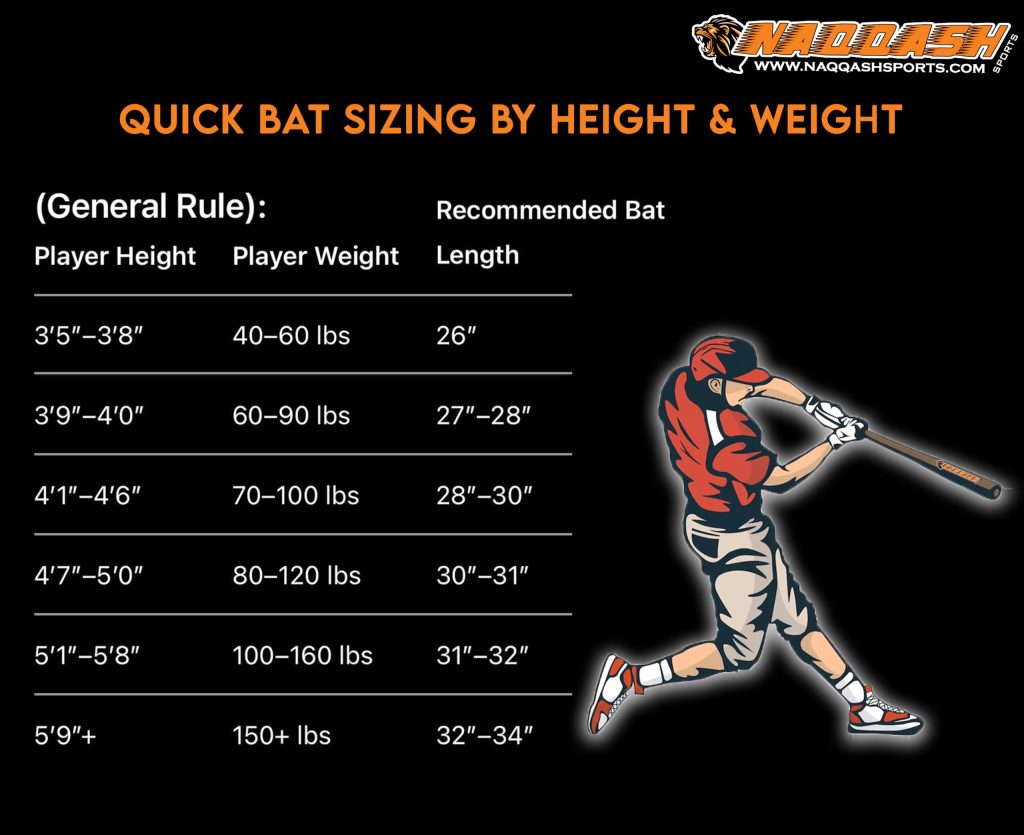
Have you ever wondered just how heavy a baseball bat really is? Whether you’re new to the game or looking to improve your swing, knowing the right weight can make all the difference.
The weight of a bat affects your speed, control, and power. Choosing the right one isn’t just about guessing—it’s about understanding what works best for your strength and style. Keep reading, and you’ll discover exactly how to find the perfect balance for your game.

Credit: www.amazon.ca
Baseball Bat Weight Basics
Baseball bats come in different weights. The weight affects how easy it is to swing the bat. Players choose bats based on their strength and style.
Knowing the right weight helps players hit better and avoid injury. Lighter bats swing faster. Heavier bats hit the ball harder.
Common Weight Ranges
Baseball bats usually weigh between 28 and 34 ounces. Youth players use lighter bats. Adults use heavier bats.
- Youth bats: 16 to 26 ounces
- High school bats: 28 to 31 ounces
- College and pro bats: 30 to 34 ounces
Choosing the right weight depends on player size and skill. Lighter bats help beginners swing faster. Experienced players may prefer heavier bats for power.
Material Impact On Weight
Bats are made from wood, aluminum, or composite materials. The material changes the weight and feel of the bat. Wood bats tend to be heavier.
Aluminum and composite bats are lighter but strong. They help players swing faster without losing power.
| Material | Weight | Typical Use |
|---|---|---|
| Wood | Usually heavier | Professional and traditional play |
| Aluminum | Lighter than wood | Youth and amateur leagues |
| Composite | Lightest or balanced | High school and college play |

Credit: www.amazon.ca
Factors Influencing Bat Weight Choice
Choosing the right baseball bat weight is important for good performance. The right weight helps players swing well and hit the ball hard.
Many factors affect which bat weight is best. These include the player’s body, how they swing, and the rules they must follow.
Player Age And Size
Younger players usually need lighter bats. A heavy bat can be hard to control and slow their swing.
As players grow, they can use heavier bats. Bigger players often handle more weight without losing speed.
- Kids under 10 use bats around 16-20 ounces
- Teens often use bats between 26-30 ounces
- Adults may use bats over 30 ounces depending on strength
Batting Style
Players who swing fast need lighter bats. Light bats allow quicker movement and better control.
Power hitters may prefer heavier bats. A heavier bat can create more force when hitting the ball.
- Contact hitters choose lighter bats for speed
- Power hitters choose heavier bats for strength
- Balanced hitters pick medium-weight bats
League Regulations
Different leagues have rules about bat weight and size. Players must follow these rules to play legally.
These rules ensure safety and fair play. They often limit maximum bat length and weight.
| League | Max Length (inches) | Max Weight (ounces) |
|---|---|---|
| Little League | 33 | 30 |
| High School | 36 | No limit, must drop -3 or more |
| College | 36 | Drop -3 |
| Adult Amateur | Varies | Varies |
Weight Effects On Performance
Baseball bats come in many weights. The weight affects how players perform. Choosing the right weight helps improve your skills.
Understanding how weight changes swing speed, power, and endurance is key. Each player must find their best match.
Swing Speed And Control
Lighter bats allow faster swings. This helps players react quickly and keep control. Heavier bats slow the swing but add strength.
- Light bats improve bat speed.
- Faster swings help hit fast pitches.
- Control is better with lighter bats.
- Heavier bats reduce swing speed.
- Slower swings can miss fast balls.
Power And Distance
Heavy bats increase power behind the ball. More weight means more force. This can send the ball farther.
| Bat Weight | Effect on Power | Effect on Distance |
| Light | Lower power | Shorter hits |
| Medium | Balanced power | Moderate distance |
| Heavy | Higher power | Longer hits |
Fatigue And Endurance
Heavy bats tire players faster. Fatigue lowers performance in long games. Light bats help players keep energy longer.
Fatigue effects:
- Heavy bats increase arm strain.
- Players lose focus quicker.
- Endurance drops with heavy use.
- Light bats help maintain stamina.
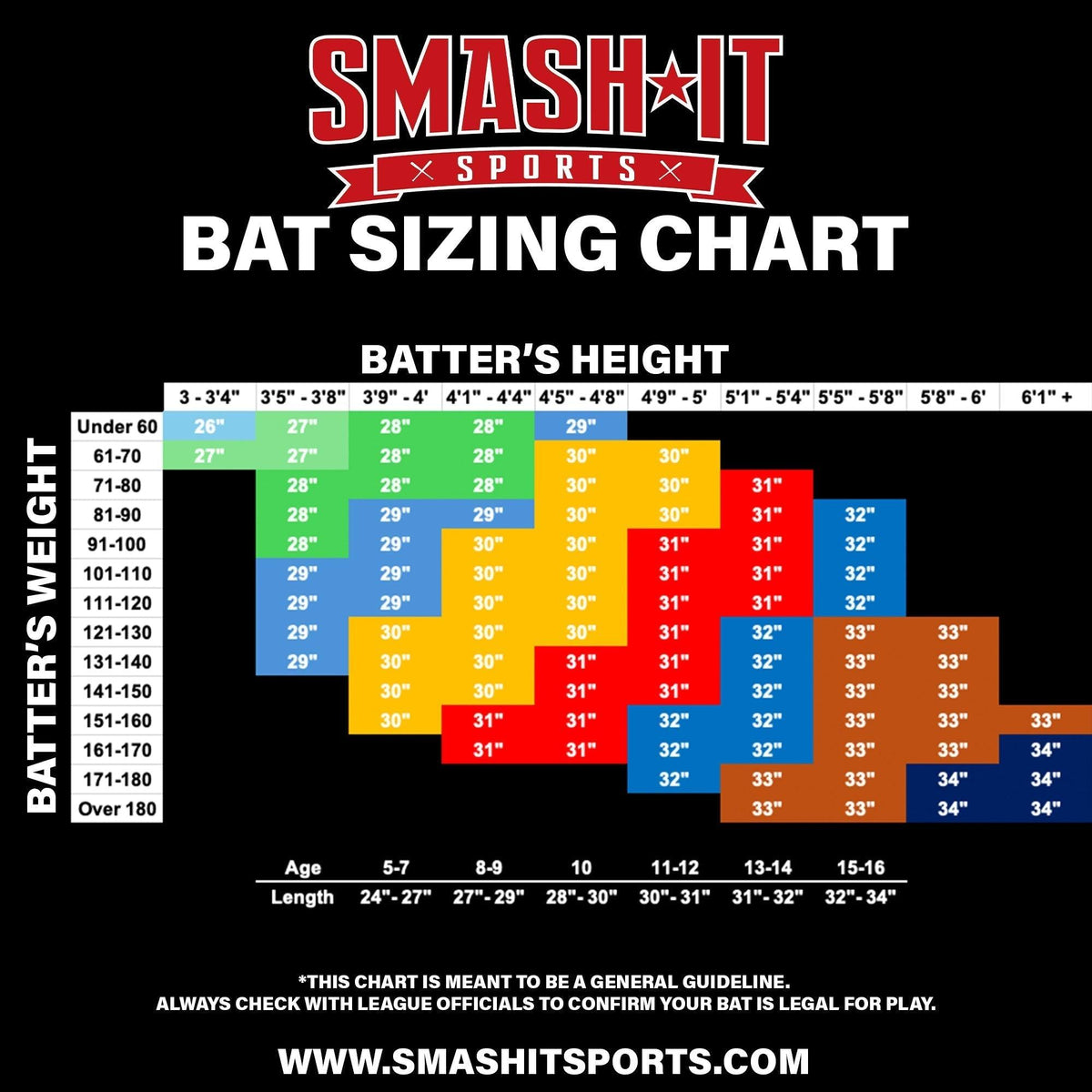
Credit: smashitsports.com
Choosing The Right Weight
Picking the correct baseball bat weight helps improve your swing and control. The right weight depends on your strength and style.
Too heavy a bat slows you down. Too light a bat reduces power. Testing different weights is key to find your best fit.
Testing Different Bats
Try swinging bats with various weights to see what feels comfortable. Notice how fast and controlled your swing is with each.
- Swing a bat that feels light and fast.
- Try a medium-weight bat for balance.
- Test a heavier bat to build power.
- Compare which bat gives better control and speed.
Professional Recommendations
Experts suggest a bat weight about 10% less than your body weight for youth players. Adults often use heavier bats for power.
| Player Level | Recommended Weight |
| Youth (Under 12) | 2 to 5 ounces lighter than standard |
| Teen (13-18) | Weight close to body weight minus 10% |
| Adult | Varies by strength and position |
Customizing Weight Distribution
Weight distribution affects bat balance and swing speed. Some prefer end-loaded bats for power. Others like balanced bats for control.
- End-loaded:More weight near the barrel for power hits.
- Balanced:Even weight for faster swings and better control.
- Handle-heavy:More weight near the handle for quicker bat movement.
Popular Bat Weights By Player Type
Baseball bat weight plays a big role in a player’s performance. Different players need different bat weights. This depends on their age, strength, and skill level.
Choosing the right bat weight helps players swing faster and hit better. Below are common bat weights used by various player groups.
Youth Players
Youth players often use lighter bats to develop good swing mechanics. Lighter bats allow them to control the swing and increase bat speed.
- Typical bat weight ranges from 16 to 20 ounces
- Length usually between 26 and 30 inches
- Weight-to-length drop is often between -10 and -13
- Younger players use the lightest bats to build confidence
High School Athletes
High school players use bats that balance power and control. They need bats heavy enough for power but light enough for speed.
| Player Level | Bat Weight (ounces) | Bat Length (inches) | Weight Drop |
|---|---|---|---|
| Freshman | 28 – 30 | 31 – 32 | -10 to -12 |
| Sophomore | 29 – 31 | 31 – 33 | -9 to -11 |
| Junior/Senior | 30 – 32 | 32 – 34 | -8 to -10 |
Adult And Professional Players
Adult and pro players use the heaviest bats. These bats offer power needed for strong hits. Bat length and weight vary by player preference.
Common bat weight details for adults and pros:
- Weight ranges from 31 to 34 ounces
- Lengths usually 32 to 34 inches
- Weight drop is often between -3 and -5
- Metal and composite bats are most common
Innovations In Bat Weight Design
Baseball bats have changed a lot over the years. New designs help players swing faster and hit better.
One big change is how the weight of the bat is spread out. This affects how easy the bat is to control.
Lightweight Alloys
Lightweight alloys like aluminum and titanium are popular. They make bats lighter but still strong.
- Reduce the overall weight of the bat
- Improve swing speed for better hits
- Keep the bat durable and long-lasting
- Help players avoid fatigue during games
Balanced Vs End-loaded Bats
Bats come in two main weight styles: balanced and end-loaded. Each suits a different type of hitter.
| Bat Type | Weight Distribution | Best For |
| Balanced | Evenly spread weight | Players who want control and fast swings |
| End-Loaded | More weight near the barrel end | Players who want more power in their hits |
Frequently Asked Questions
What Is The Average Weight Of A Baseball Bat?
The average baseball bat weighs between 30 to 34 ounces. This weight range ensures optimal performance and control. Lighter bats allow for faster swings, while heavier bats provide more power. The choice depends on a player’s preference and playing style.
How Does Bat Weight Affect Swing Speed?
Heavier bats can slow swing speed, impacting a player’s performance. However, they offer more power when connecting with the ball. Lighter bats enable faster swings, increasing reaction times. Players should balance weight with comfort for optimal results.
What Materials Are Baseball Bats Made Of?
Baseball bats are typically made from wood, aluminum, or composite materials. Wooden bats are traditional, offering a classic feel. Aluminum bats are lighter and more durable, enhancing swing speed. Composite bats combine materials for a balanced feel. Each material has its benefits, depending on the player’s needs.
Do Youth Baseball Bats Weigh Less?
Yes, youth baseball bats are lighter than adult bats. They typically weigh between 16 to 23 ounces, catering to younger players’ strength levels. These lighter bats help young players develop proper swing mechanics without compromising their ability to control the bat.
Conclusion
Baseball bats come in different weights to fit each player’s needs. Lighter bats help swing faster, while heavier bats add power. Choosing the right weight depends on your strength and comfort. Always try bats before buying to see what feels best.
Understanding bat weight helps improve your hitting skills. Keep practicing and enjoy the game with the right bat.