Choosing the right backpacking tent can make or break your outdoor adventure. But how heavy should your tent really be?
Too heavy, and you’ll drag yourself down every step of the trail. Too light, and you might sacrifice comfort or durability. You want a tent that strikes the perfect balance—light enough to carry with ease, yet sturdy enough to protect you from the elements.
You’ll discover exactly what weight range works best for your needs, helping you pack smarter and hike farther without extra strain. Keep reading to find out how to pick the ideal tent weight that suits your backpacking style.

Credit: www.coreequipment.com
Choosing Tent Weight
Choosing the right tent weight is important for backpacking. It affects how easy it is to carry your gear. A lighter tent means less strain on your back.
You should think about what type of camping you will do. The tent weight depends on several factors.
Factors Affecting Tent Weight
Tent weight depends on materials, size, and design. Heavier fabrics are more durable but weigh more. Bigger tents need more poles and fabric.
- Material type: nylon, polyester, or canvas
- Number of poles and stakes
- Size and capacity of the tent
- Additional features like vestibules or gear lofts
Types Of Backpacking Tents
There are several types of tents for backpacking. Each has a different weight range and use. Knowing the types helps you pick the right one.
| Type | Weight Range | Use |
| Ultralight | 1-3 lbs (0.45-1.36 kg) | Solo or minimalist trips |
| Lightweight | 3-5 lbs (1.36-2.27 kg) | Small groups or longer trips |
| Standard | 5-8 lbs (2.27-3.63 kg) | Comfort and space |
| Mountaineering | 7-10+ lbs (3.18-4.54+ kg) | Harsh weather conditions |
Season Ratings And Weight
Tents have season ratings that affect their weight. More seasons mean stronger materials and more poles. This adds to the weight but improves protection.
- 3-season tents are light and good for spring to fall
- 4-season tents are heavier and suit winter conditions
- Convertible tents switch between 3 and 4 seasons but weigh more
Weight Categories
Choosing the right backpacking tent weight depends on your trip style. Weight affects how far and fast you can travel. It also influences comfort and gear choices.
Backpacking tents fall into three main weight categories. Each category suits different needs and budgets. Understanding these helps you pick the best tent.
Ultralight Tents
Ultralight tents weigh less than 2 pounds (about 900 grams). They use advanced materials to cut weight. These tents are great for fast, long trips.
- Weight: under 2 pounds
- Best for solo hikers and speed-focused trips
- May have less space and fewer features
- Often cost more due to special fabrics
Lightweight Tents
Lightweight tents weigh between 2 and 4 pounds (900 grams to 1.8 kg). They balance weight and comfort well. Many hikers choose these for most trips.
| Weight Range | 2 to 4 pounds |
| Use | Backpacking with some comfort |
| Features | Good space, moderate weather protection |
| Price | Moderate |
Standard Weight Tents
Standard weight tents weigh more than 4 pounds (1.8 kg). They offer more room and durability. These tents suit car camping and short hikes.
Benefits of standard weight tents:
- More space for gear and people
- Stronger materials for rough weather
- Usually lower cost
- Heavier to carry on long trips
Balancing Weight And Durability
Choosing a backpacking tent means finding the right balance between weight and durability. A tent that is too heavy can slow you down. A tent that is too light may not last long or protect you well.
Understanding materials, features, and weather resistance helps you pick the best tent for your trip. Each factor affects the weight and strength of your shelter.
Materials And Construction
Tent materials affect weight and durability a lot. Lightweight fabrics like silnylon reduce weight but may tear easier. Heavier fabrics like ripstop nylon last longer but add weight.
- Polyester is durable and resists stretching.
- Silnylon is light but less tough.
- Ripstop nylon prevents rips from spreading.
- Aluminum poles are light and strong.
- Steel poles add weight but are very sturdy.
Impact Of Tent Features
Extra features add comfort but increase weight. Doors, vestibules, and pockets make camping easier. Fewer features keep the tent light but less convenient.
| Feature | Weight Impact | Benefit |
| Double Doors | High | Easy access |
| Vestibule | Medium | Gear storage |
| Interior Pockets | Low | Organization |
| Single Door | Low | Lightweight |
| No Vestibule | Very Low | Minimal weight |
Weather Resistance Vs. Weight
Good weather resistance often means heavier materials. Strong waterproof coatings and thicker fabrics add weight. Thin fabrics save weight but may leak or wear out.
- Thicker rainfly means better waterproofing but more weight.
- Mesh panels reduce weight but lower warmth and protection.
- Sealed seams keep water out but add small weight.
- Strong stakes and guylines improve wind resistance.
Recommended Weights By Trip Type
Choosing the right weight for your backpacking tent depends on the trip you plan to take. Different trips need different levels of comfort and durability.
Carrying too much weight can make your hike harder. Carrying too little may mean less protection or space. Below are weight guidelines for common trip types.
Short Weekend Trips
For short trips, you want a tent that is easy to carry and quick to set up. Weight is less critical, but lighter tents make the hike more fun.
A tent weighing between 3 to 5 pounds is ideal. It balances comfort and convenience without being too heavy.
- Weight range: 3 to 5 pounds (1.4 to 2.3 kg)
- Focus on easy setup and durability
- More room and features are okay
Extended Backcountry Trips
Longer trips need lighter tents to save energy over many miles. Durability is still important for weather protection.
Try to keep your tent weight between 2 to 3 pounds. Ultralight tents work well if you want to carry less gear.
- Weight range: 2 to 3 pounds (0.9 to 1.4 kg)
- Strong materials for varied weather
- Compact and easy to pack
High Altitude Expeditions
High altitude trips face strong winds and cold temperatures. A heavier, sturdy tent offers better safety and comfort.
Expect to carry tents weighing 4 to 6 pounds. These tents have stronger poles and thicker fabric for harsh conditions.
- Weight range: 4 to 6 pounds (1.8 to 2.7 kg)
- Extra strong frame and fabric
- Good ventilation and snow handling
Tips To Reduce Tent Weight
Carrying a lightweight tent makes backpacking easier and more fun. Choosing the right tent and gear helps you stay light on your feet.
Use smart packing and select gear that saves weight without losing comfort or safety.
Selecting Minimalist Designs
Minimalist tents use fewer materials and simpler shapes. They cut down on weight but still protect you from the weather.
- Choose tents with fewer poles and simpler frames
- Look for single-wall tents instead of double-wall models
- Select smaller tents that fit your group size closely
- Pick tents made from thin, strong fabrics
Using Lightweight Accessories
Accessories add extra weight. Pick only what you need and choose light options.
| Accessory | Heavy Option | Lightweight Alternative |
| Poles | Aluminum | Carbon fiber |
| Stakes | Steel | Titanium |
| Footprint | Thick fabric | Light silnylon |
| Guy lines | Thick cord | Dyneema cord |
Packing Strategies
How you pack affects how much weight you carry. Pack smart to keep weight low and balance good.
- Use compression sacks to reduce tent volume
- Distribute weight evenly in your backpack
- Leave unnecessary items behind
- Store tent components inside your backpack to avoid extra straps

Credit: www.iheartpacificnorthwest.com
Comparing Popular Tent Models
Choosing the right backpacking tent means thinking about weight. Different tents suit different trips. Some hikers want to go ultralight. Others need strong tents for tough weather.
This guide looks at popular tents by weight and use. It helps you find a tent that fits your needs and trip style.
Top Ultralight Models
Ultralight tents weigh less than 3 pounds. They save energy and move fast on the trail. These tents are good for solo hikers or short trips.
- Big Agnes Copper Spur HV UL2 – 2 lbs 11 oz
- MSR Carbon Reflex 2 – 2 lbs 8 oz
- REI Co-op Flash Air 2 – 2 lbs 9 oz
Best Value Lightweight Options
Lightweight tents balance weight and cost. They are often under 4 pounds and offer good features. These tents work well for most backpackers.
| Tent Model | Weight | Price Range | Capacity |
|---|---|---|---|
| Kelty Salida 2 | 4 lbs 8 oz | Budget | 2 persons |
| MSR Elixir 2 | 4 lbs 12 oz | Mid-range | 2 persons |
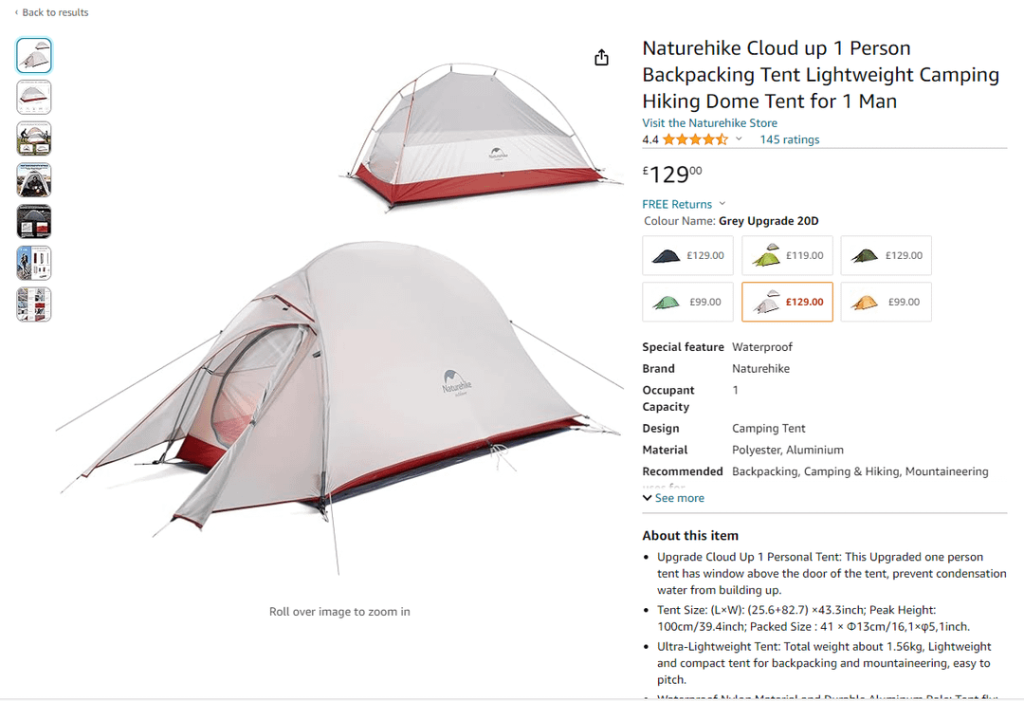
| Naturehike Cloud-Up 2 | 3 lbs 14 oz | Affordable | 2 persons |
Durable Heavyweight Tents
Heavyweight tents weigh more than 5 pounds. They use strong materials to resist bad weather. These tents suit groups or long trips in rough places.
- Hilleberg Nammatj 2 – 5 lbs 14 oz
- MSR Hubba Hubba NX 2 (Plus Model) – 5 lbs 8 oz
- Black Diamond Eldorado – 7 lbs 10 oz

Credit: camping.onetigris.com
Frequently Asked Questions
What Is The Ideal Weight For A Backpacking Tent?
The ideal weight for a backpacking tent varies based on trip length and personal preference. Generally, aim for 2 to 3 pounds per person. Lighter tents offer more comfort during long hikes. However, they may sacrifice some durability or space.
Choose a weight that balances comfort and functionality.
How Does Tent Weight Affect Backpacking?
Tent weight significantly impacts your backpacking experience. A lighter tent reduces overall pack weight, making hiking easier and more enjoyable. Heavier tents might offer better durability but can cause fatigue. Consider your physical condition and trip requirements to choose the right weight.
A balanced approach ensures a comfortable adventure.
Why Choose An Ultralight Backpacking Tent?
Ultralight tents are perfect for minimizing pack weight and maximizing mobility. They are designed for efficiency, reducing strain during long hikes. Although they might compromise on durability or space, ultralight tents improve overall hiking experience. If you prioritize speed and comfort, an ultralight tent is an excellent choice.
How Do Materials Influence Tent Weight?
Tent materials significantly influence its weight. Lightweight materials like nylon and polyester reduce tent weight. However, they might offer less durability compared to heavier options. Advanced materials like Dyneema provide strength and lightness but can be costly. Consider your priorities and budget when choosing tent materials for your trip.
Conclusion
Choosing the right backpacking tent weight matters a lot. It affects how far and fast you can hike. Lighter tents make carrying easier and reduce fatigue. But don’t forget about comfort and weather protection. Find a balance that fits your trip and needs.
Test your gear before heading out. Pack smart and enjoy your adventure without extra weight holding you back. Safe travels!