
Are you planning a kitchen upgrade or setting up a new cooking space? If so, you’re likely pondering over every detail to ensure it’s perfect.
One crucial aspect you might be considering is the placement of your range hood. How high above the cooktop should it be? This decision isn’t just about aesthetics; it’s about functionality and safety, too. Get it right, and your kitchen will be a haven of comfort and efficiency.
Get it wrong, and you could face lingering odors or even potential hazards. In this guide, we’ll unravel the mystery behind the ideal hood height, helping you create a kitchen that’s both beautiful and functional. Stick around to discover the sweet spot that ensures your culinary space is just right.
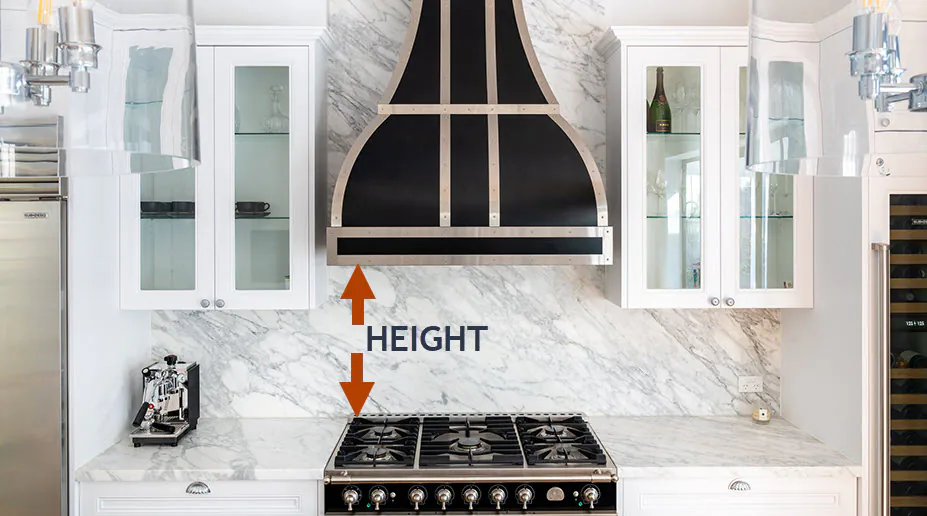
Credit: www.sydneyrangehoods.com.au
Ideal Hood Height
Finding the ideal height for your kitchen hood above the cooktop is essential for both safety and performance. Too high, and the hood won’t capture smoke and odors effectively. Too low, and it might interfere with your cooking space or even become a hazard.
Recommended Distance Range
Most experts suggest that the hood should be installed between 24 and 30 inches above a gas cooktop. For electric or induction cooktops, the recommended distance is usually a bit higher—between 20 and 24 inches.
This range allows the hood to efficiently capture steam, smoke, and grease without getting in the way of your cooking. You might find that a hood closer to the lower end works better if your cooking generates a lot of smoke, like frying or grilling often.
Factors Affecting Height
Several factors can change the ideal hood height for your setup. The strength of your hood’s fan or blower plays a big role—more powerful units can be installed slightly higher because they pull air more forcefully.
Also, the type of cooktop matters. A high-BTU gas stove produces more heat and smoke, so placing the hood closer helps capture all the emissions. On the other hand, a smooth electric cooktop generates less smoke and heat, giving you more flexibility in height.
Think about your kitchen’s ceiling height and cabinet placement too. Sometimes, you may need to adjust the hood height to fit within your kitchen’s design while still maintaining good airflow. How close is too close for your comfort when cooking?
Types Of Cooktops
Understanding the type of cooktop you have is essential when deciding how high your range hood should be installed. Different cooktops generate varying amounts of heat and fumes, which directly affects the hood’s height for optimal ventilation. Knowing the distinctions can help you avoid poor air quality and maintain kitchen safety.
Gas Cooktops
Gas cooktops produce an open flame, which creates more heat and combustion gases compared to other types. This means the range hood needs to be placed closer to the cooktop, usually between 24 and 30 inches above the burners, to capture smoke and odors effectively.
Because flames can reach upward unpredictably, installing the hood too high can allow smoke to escape into your kitchen. On the other hand, placing it too low could interfere with cooking and create a fire hazard. Have you noticed how some kitchens feel smoky even with a vent? It often comes down to improper hood height for gas cooktops.
Electric And Induction Cooktops
Electric and induction cooktops generate heat differently; there’s no open flame, just a hot surface. This usually allows for a higher hood installation, commonly between 28 and 36 inches above the cooktop.
Because the heat is more controlled and localized, you have more flexibility in hood placement. However, steam and food odors still need to be vented efficiently. If your kitchen smells linger even after cooking, could your hood be positioned too high above an electric or induction cooktop?
Ventilation Efficiency
Ventilation efficiency is crucial for a cooktop hood. It ensures smoke, steam, and odors leave the kitchen quickly. Proper hood height impacts how well the air moves. Too high or too low can reduce performance and cause discomfort. Understanding airflow and noise helps choose the best hood height for your kitchen.
Airflow Considerations
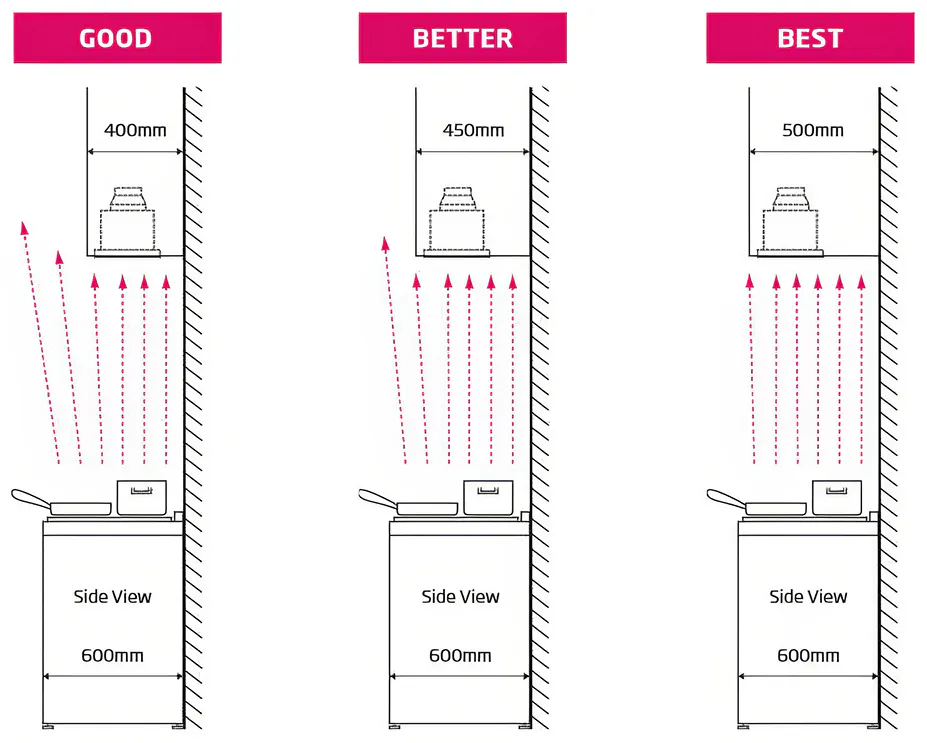
Airflow depends on the hood’s distance from the cooktop. Too high reduces the hood’s ability to capture smoke and steam. Too low can cause air turbulence and block cooking space. The ideal height balances capturing air and allowing free movement.
A good range hood pulls air at 300 to 600 cubic feet per minute (CFM). The height affects how much air the hood can move efficiently. Check the manufacturer’s guidelines for the best airflow at specific heights. Proper airflow removes heat and pollutants quickly.
Noise Levels
Noise comes from the hood’s fan and airflow speed. Closer hoods may need to run slower, reducing noise. Higher hoods may require higher fan speeds, creating more sound. Consider noise levels for comfort during cooking.
Look for hoods with sound ratings below 60 decibels for quieter kitchens. Variable speed fans help adjust airflow and noise. Balance noise control with ventilation needs to keep the kitchen pleasant.
Installation Tips
Installing a cooktop hood at the right height is crucial for both safety and efficiency. It impacts how well the hood captures smoke, steam, and odors. Getting the placement right requires careful measuring and avoiding common errors that could cost you time and money.
Measuring For Proper Placement
Start by checking the manufacturer’s guidelines for the recommended height above your cooktop. Most hoods should be installed between 24 and 30 inches above the cooktop surface, but this can vary depending on the type and power of the hood.
Use a tape measure to mark the exact height on your wall. Measure from the cooktop surface, not the burners, to ensure accuracy. Double-check your measurements before drilling any holes.
Consider your ceiling height and kitchen layout as well. If your ceilings are low, you might need a slim profile hood or a different mounting style to keep the space comfortable while maintaining effectiveness.
Common Installation Mistakes
- Mounting the hood too high:This reduces its ability to capture smoke and grease. Many think higher is better for clearance, but it compromises performance.
- Ignoring venting requirements:Proper ductwork is essential. Avoid using flexible ducts that can trap grease and reduce airflow.
- Not leveling the hood:An uneven hood can cause poor suction and looks unprofessional. Use a level tool to ensure straight installation.
- Overlooking electrical connections:Make sure the power source meets the hood’s specifications. Improper wiring can cause malfunctions or safety hazards.
Have you ever noticed your hood struggling to clear smoke? The issue might be a simple placement error. Taking time to measure carefully and avoid these mistakes will save you frustration down the road.
Safety And Compliance
Safety and compliance play a key role in installing a cooktop hood. Proper height ensures efficient smoke removal and reduces fire risks. Following rules protects your home and keeps your kitchen safe.
Building Codes And Standards
Local building codes set clear rules for hood installation height. These codes depend on the type of cooktop and ventilation system. Most codes require hoods to be installed between 24 and 30 inches above the cooktop surface.
Standards from organizations like the National Fire Protection Association (NFPA) guide safe distances. Compliance with these standards avoids legal issues and ensures your hood works well.
Fire Safety Guidelines
Fire safety rules focus on preventing heat and flames from reaching the hood. The recommended minimum height helps stop grease fires from spreading. Installing the hood too low can trap heat and cause damage.
Using non-combustible materials around the cooktop and hood adds extra protection. Regular cleaning of filters and ducts lowers fire hazards. Always check that your hood meets fire safety guidelines before use.

Credit: prolinerangehoods.com
Design And Aesthetics
Design and aesthetics play a crucial role in deciding how high your hood should be above the cooktop. The height affects not only the hood’s effectiveness but also the overall look of your kitchen. Striking the right balance helps your space feel cohesive and inviting while keeping it practical for cooking.
Balancing Function And Style
Your hood needs to capture smoke and odors efficiently, but it should also complement your kitchen’s design. Positioning it too low might improve performance but can make the hood feel bulky or intrusive. Too high, and it loses effectiveness, leaving your kitchen smoky and uncomfortable.
Think about the materials and finishes of your hood. Stainless steel is sleek and modern, while wood or painted options can add warmth or blend with cabinetry. Matching the hood height to the scale of your cooktop and surrounding elements ensures it neither dominates nor disappears.
Ask yourself: does the hood enhance your kitchen’s vibe, or does it look like an afterthought? Your answer will guide you to the right height and style.
Custom Hood Options
Custom hoods allow you to tailor both height and design to your exact preferences. You can choose shapes, colors, and materials that reflect your personality and kitchen style. This flexibility often results in a hood that is both visually stunning and perfectly functional.
With custom options, you can also integrate lighting and storage, adding extra utility without sacrificing style. Some homeowners find that a slightly higher hood with stronger ventilation works best when paired with a design that visually anchors the space.
Consider how a custom hood can solve common problems. For example, if you have a high ceiling, a taller hood might look better and perform well. How can your hood become a statement piece that also improves your cooking experience?
Maintenance And Longevity
Keeping your cooktop hood well-maintained is key to ensuring it works efficiently and lasts for years. Regular care not only improves air quality in your kitchen but also saves you money on repairs and replacements. Let’s look at how often you should clean and when parts need changing to keep your hood in top shape.
Cleaning Frequency
How often you clean your hood depends on how much you cook. If you use your stove daily, plan to clean the filters and surfaces every 1 to 3 months. For occasional cooks, cleaning every 6 months might be enough.
Grease and dust build-up can reduce your hood’s effectiveness and cause unpleasant odors. Don’t wait until it’s visibly dirty; regular cleaning keeps your kitchen fresh and your hood running smoothly. You might find it easier to set a reminder or add it to your cleaning routine to avoid forgetting.
Parts Replacement
Filters are the parts that need replacing most often. Metal grease filters can last years if cleaned regularly, but charcoal filters for odor removal usually need changing every 6 to 12 months. Check your hood’s manual for specific recommendations.
Other parts like lights and fan motors may wear out over time. If you notice decreased suction or unusual noises, it’s time to inspect and possibly replace these components. Have you ever ignored a strange sound only to face a costly repair later? Catching issues early saves hassle and money.
Credit: www.sydneyrangehoods.com.au
Frequently Asked Questions
How High Should A Range Hood Be Above The Cooktop?
The ideal height for a range hood above a cooktop is between 24 to 30 inches. This distance ensures effective smoke and odor removal while maintaining safety and aesthetics in your kitchen design.
Does Hood Height Vary With Cooktop Type?
Yes, hood height depends on the cooktop type. Gas cooktops require 27 to 30 inches, while electric cooktops need 24 to 30 inches for optimal ventilation and safety.
What Happens If The Hood Is Too High?
If the hood is too high, it may fail to capture smoke and odors effectively. This reduces ventilation efficiency and can make your kitchen smoky and uncomfortable.
Can A Hood Be Installed Too Low Above The Cooktop?
Installing a hood too low risks heat damage and obstructs cooking. It also poses a safety hazard and may violate building codes.
Conclusion
A kitchen hood must be placed at the right height above the cooktop. Too low can block your view and cause heat buildup. Too high will reduce its ability to remove smoke and odors. Most experts suggest between 24 to 30 inches for electric cooktops.
Gas cooktops may need a bit more space, around 27 to 30 inches. This range helps keep your kitchen clean and safe. Proper hood height improves cooking comfort and air quality. Choosing the correct height is simple but important. It helps your kitchen work better every day.