
Are you planning a kitchen upgrade or simply trying to optimize your cooking space? One critical aspect that often gets overlooked is the placement of your range hood.
You might be wondering, “How high above the range should the hood be? ” This isn’t just a matter of aesthetics; it’s a crucial factor for kitchen safety and efficiency. Getting the height right can enhance your cooking experience, improve air quality, and even save you from costly mistakes.
In this guide, we’ll break down exactly how to position your range hood to achieve the best results, ensuring your kitchen not only looks great but functions perfectly, too. Keep reading to discover how the right hood height can transform your kitchen experience.
Ideal Hood Height
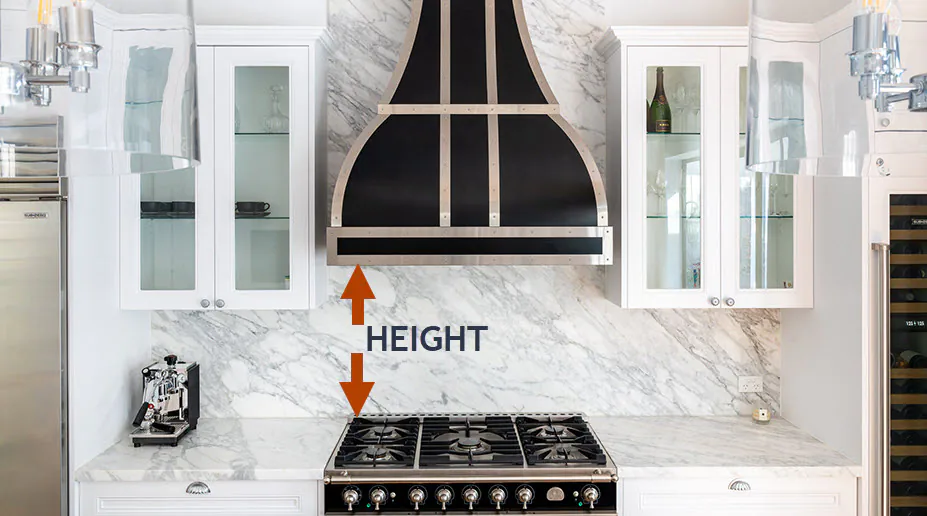
Finding the ideal height for a kitchen hood above the range is crucial. It affects how well the hood removes smoke, steam, and odors. It also impacts kitchen safety and comfort. Setting the hood too low can block your view and make cooking hard. Too high, and the hood might not work properly.
Standard Recommendations
Most kitchens follow a general rule for hood height. The typical distance is between 24 and 30 inches above the cooking surface. This range works for most gas and electric ranges. It balances effective smoke capture and enough space for cooking.
For gas ranges, placing the hood closer to 24 inches is better. Gas stoves produce more heat and smoke. Electric stoves often need the hood at about 28 to 30 inches high. This helps avoid heat damage to the hood while still capturing steam and odors.
Manufacturer Guidelines
Each hood brand and model may have specific height instructions. Always check the manufacturer’s guide before installation. These guidelines consider the hood’s power and design.
Following the manufacturer’s advice ensures the hood works safely and efficiently. Ignoring these instructions can reduce hood performance or void warranties.
Some high-powered hoods need to be installed higher. Others with lower suction may require placement closer to the range. Installation tips often include minimum and maximum height limits. These limits help protect the hood and improve kitchen air quality.
Credit: www.sydneyrangehoods.com.au
Factors Influencing Hood Placement
Choosing the right height for your kitchen hood depends on several key factors. These factors ensure the hood works efficiently and fits well in your kitchen space. Proper placement helps capture smoke, steam, and odors effectively. It also keeps your cooking area safe and comfortable.
Range Size And Type
The size of your range affects where the hood should go. Larger ranges need hoods placed higher to cover the entire cooking surface. Smaller ranges allow for lower hood placement. The type of range matters too. Gas ranges produce more heat and flames, so the hood must be higher to avoid damage. Electric ranges produce less heat, allowing the hood to be closer.
Cooking Style And Heat Output
Cooking style changes the amount of smoke and steam created. Frying or grilling releases more smoke and grease. This requires a hood placed closer to capture fumes quickly. Slow cooking or boiling produces less steam, so the hood can be higher. Heat output also matters. High BTU burners produce intense heat and need more space between the range and hood.
Kitchen Layout And Ceiling Height
The kitchen’s design affects hood placement. Lower ceilings limit how high the hood can be installed. Open kitchens with tall ceilings allow for higher hoods. The hood must also fit well with cabinets and walls. Proper clearance avoids blocking light or movement. Ventilation ducts and electrical connections influence where the hood can go too.
Measuring Hood Height Accurately
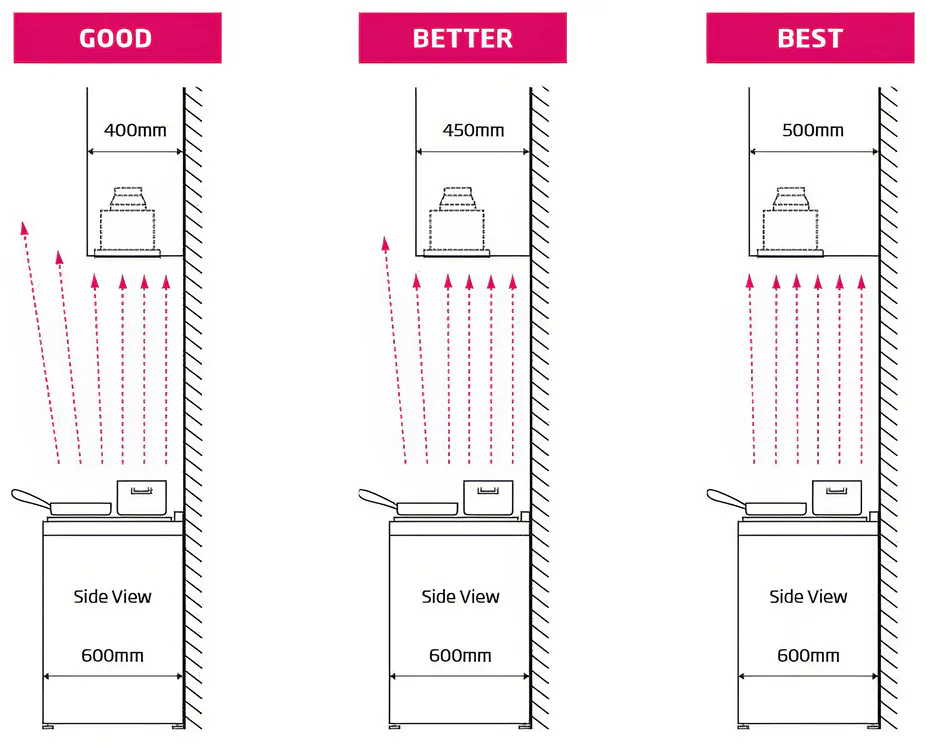
Measuring the hood height accurately is essential for kitchen safety and efficiency. The right height ensures proper ventilation and prevents smoke from lingering. It also protects your walls and cabinets from grease buildup. Knowing the exact distance between your range and hood helps you install the hood correctly. This section guides you through the tools and steps needed for precise measurement.
Tools Needed
- Tape measure or laser distance measurer
- Step ladder or sturdy stool
- Level tool for accuracy
- Pen and paper to record measurements
- Assistant (optional, for extra help)
Step-by-step Process
- Place the ladder near the cooking range for easy reach.
- Use the tape measure to find the distance from the cooktop surface to the bottom of the hood.
- Check that the tape measure is straight and not angled.
- Use a level tool to ensure the hood will be installed evenly.
- Write down the measurement clearly for reference during installation.
- Measure multiple points across the hood’s width to confirm uniform height.
- Compare your measurement with the manufacturer’s recommended height range.
Credit: www.sydneyrangehoods.com.au
Consequences Of Incorrect Hood Height
Setting the correct height for your kitchen hood is very important. A hood placed too high or too low can cause several problems. These issues affect how well the hood works and the overall kitchen experience. Understanding these consequences helps keep your kitchen safe and efficient.
Reduced Ventilation Efficiency
A hood installed too high will not capture smoke and steam well. This lowers its ability to clear cooking odors and grease. Smoke can spread across the kitchen, making the air less clean. On the other hand, placing the hood too low might block your cooking space. It also traps less air, reducing its performance.
Safety Risks
Incorrect hood height can cause safety problems. A hood too low may catch fire from open flames or hot pots. It can also cause head bumps while cooking. If the hood is too high, harmful gases may not be vented out properly. This can increase the risk of poor air quality and breathing issues.
Impact On Kitchen Aesthetics
The hood’s height affects the kitchen’s look and feel. Too low makes the space feel cramped and cluttered. Too high makes the hood look out of place and less connected to the range. Proper height keeps the design balanced and pleasing. It helps maintain a clean and modern kitchen style.
Adjusting Hood Height For Different Ranges
Adjusting the hood height depends on the type of range you have. Different ranges produce different amounts of heat and smoke. The right height ensures proper ventilation and safety. It also helps keep your kitchen clean and fresh.
Gas Vs Electric Ranges
Gas ranges create more heat and flames. This means the hood should be higher to avoid damage. The ideal height is usually between 24 to 30 inches above the range.
Electric ranges produce less heat but still need good ventilation. The hood can be closer, about 20 to 24 inches above the range. Proper height helps in capturing steam and smoke effectively.
Commercial Vs Residential Setups
Commercial kitchens have heavy-duty ranges that generate a lot of heat and smoke. Hoods are installed higher, often 30 to 36 inches above the range. They also have stronger fans to handle more exhaust.
Residential kitchens use smaller ranges. Hoods are placed lower, around 20 to 30 inches. This balance provides good ventilation without overpowering the space.
Installation Tips For Perfect Fit
Getting the height right when installing your range hood is crucial for both performance and safety. But beyond height, the installation process itself can make or break your kitchen’s ventilation efficiency. Here are some practical tips to ensure your hood fits perfectly and works as it should.
Professional Vs Diy Installation
Deciding whether to hire a professional or tackle the installation yourself depends on your comfort level and experience. Professionals bring expertise that can save you from costly mistakes, especially with electrical wiring and ventilation ducts.
However, if you have basic DIY skills and the right tools, installing your hood yourself can be rewarding and cost-effective. Just make sure to carefully follow the manufacturer’s instructions and local building codes.
- Pros of Professional Installation:Guaranteed correct height and secure mounting, proper ductwork setup, and electrical safety.
- Pros of DIY Installation:Saves money, flexibility in timing, and a sense of accomplishment.
Ask yourself: How confident are you with power tools and reading technical guides? Your answer will guide your choice.
Common Mistakes To Avoid
Many installation issues stem from ignoring critical measurements and improper mounting. One common error is installing the hood too high above the range, which reduces its ability to capture smoke and odors.
Another mistake is failing to secure the hood firmly, leading to vibrations and noise during operation. Also, neglecting to check for proper ventilation paths can cause poor airflow and lingering kitchen smells.
- Don’t guess the height—measure carefully and double-check before drilling.
- Ensure the hood is level to avoid uneven extraction.
- Verify that ductwork is straight and unobstructed for maximum efficiency.
- Test electrical connections before finalizing the installation.
Have you checked if your range hood’s height matches the manufacturer’s recommendations? Small oversights here affect your cooking environment more than you might think.
Maintenance And Performance Checks
Keeping your range hood in top shape is essential for both safety and efficiency. Regular maintenance and performance checks ensure your hood works effectively, removing smoke, odors, and grease from your kitchen air. Neglecting these checks can reduce airflow and strain the fan, leading to costly repairs or replacements.
Regular Cleaning
Grease and dust buildup can clog filters and slow down your hood’s performance. Clean the filters every month if you cook frequently, or at least every three months if you use the range less. You can soak metal filters in hot, soapy water, then scrub gently with a brush. For charcoal filters, check the manufacturer’s instructions since many require replacement rather than cleaning.
Don’t forget to wipe down the hood’s exterior and interior surfaces regularly. This stops grease from hardening and keeps the hood looking new. Have you noticed any sticky or grimy spots that resist cleaning? That might be a sign your hood needs a deeper clean or a filter change.
Ensuring Optimal Airflow
Airflow is key to your hood’s effectiveness. Check the vent ducts periodically to ensure they are free of blockages like debris or bird nests. Restricted airflow can cause the hood to work harder, using more energy and reducing its lifespan.
Listen to your hood’s fan. If you hear unusual noises or it’s less powerful than before, the motor or fan blades may need attention. Testing airflow yourself is easy: hold a tissue near the vent while the hood runs. If the tissue doesn’t hold, the airflow might be too low.
Have you ever wondered if your hood is positioned correctly above your range? Proper height combined with clean filters and clear ducts makes all the difference in performance. Regular checks keep your kitchen air fresh and your cooking space safe.
Credit: blog.yaleappliance.com
Frequently Asked Questions
How High Should A Range Hood Be Installed?
A range hood should be installed 24 to 30 inches above the cooking surface. This height ensures effective smoke and odor removal without interfering with cooking.
Why Is Hood Height Important Above The Stove?
Proper hood height maximizes ventilation efficiency and safety. Too high reduces suction; too low risks fire hazards and obstructs cooking.
Does Hood Height Vary By Stove Type?
Yes, electric stoves usually require 24 to 30 inches, while gas stoves need 27 to 30 inches due to stronger heat and fumes.
How Does Hood Height Affect Kitchen Ventilation?
Correct hood height improves air quality by capturing smoke and grease efficiently. It prevents lingering odors and maintains a clean kitchen environment.
Conclusion
Choosing the right height for your kitchen hood matters a lot. Too low can block your view and cause smoke to spread. Too high, and it might not remove steam well. Aim for a height that fits your stove and kitchen size.
This helps keep air clean and cooking safe. Remember, good ventilation makes cooking more pleasant. Check the hood’s instructions for exact measurements. A well-placed hood works better and lasts longer. Keep your kitchen fresh and smoke-free with the right hood height.
Simple steps make a big difference.