Are you wondering how high above your stove your range hood should be? Getting this right is key to keeping your kitchen smoke-free and your cooking comfortable.
If it’s too low, you might bump your head; too high, and it won’t clear the air properly. You’ll discover the perfect height to install your range hood, ensuring it works efficiently without interfering with your cooking space. Keep reading to find the simple guidelines that will make your kitchen safer and your cooking experience better.
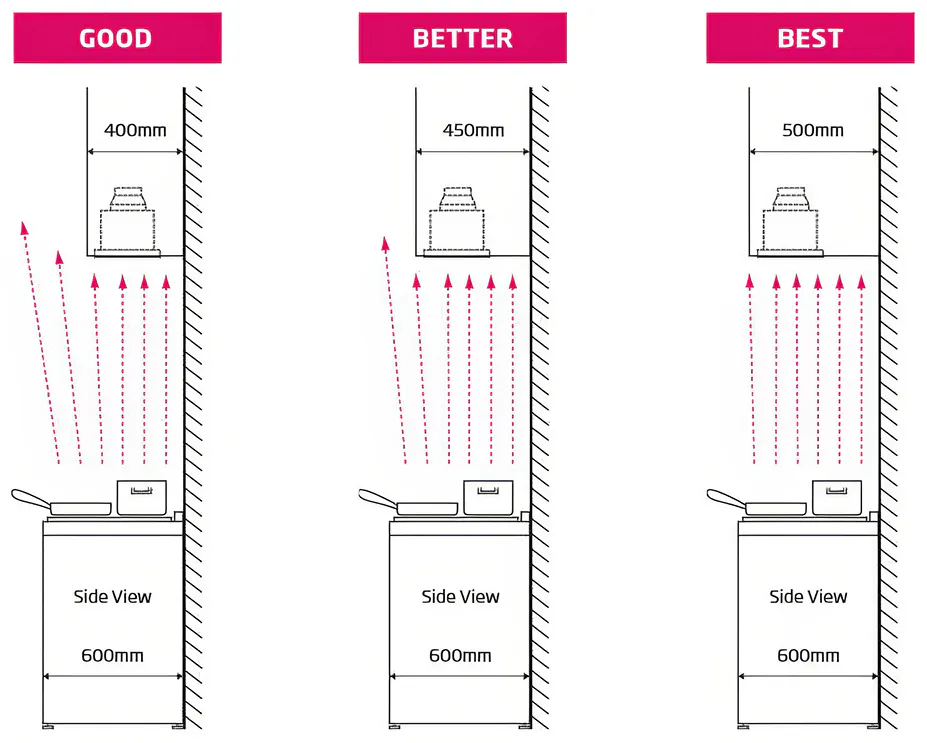
Credit: www.sydneyrangehoods.com.au
Ideal Height For Range Hoods
Finding the right height for your range hood above the stove is key to maintaining a clean kitchen and ensuring effective ventilation. The ideal height balances safety, efficiency, and convenience. Getting this measurement wrong can lead to poor smoke removal or even safety hazards.
Standard Height Range
Most range hoods are installed between 24 to 30 inchesabove the stovetop. This range works well for standard residential kitchens, providing enough space to capture smoke and steam without interfering with cooking. If your stove is gas-powered, aiming for the lower end of this range is usually better because gas flames produce more heat and combustion by-products.
Factors Influencing Height
Several elements can affect the ideal height for your range hood. Consider the type of stove you have—gas stoves often need the hood closer to capture flames effectively, while electric stoves allow for a bit more distance.
Also, check the manufacturer’s recommendations since they often specify optimal heights for their models. Ceiling height and hood size play a role too; taller ceilings might require a higher hood, but this could reduce its performance.
Impact On Ventilation Efficiency
If the range hood is too high, it won’t catch smoke and odors effectively, letting them spread throughout your kitchen. Too low, and it could block your view or become a hazard when cooking.
Think about your cooking style: do you often fry or grill, producing lots of smoke? A hood positioned closer can dramatically improve air quality. Have you noticed lingering smells after cooking? That might be a sign your hood is too high.
Types Of Range Hoods And Height Requirements
Range hoods come in various types, each with specific height needs above the stove. Proper installation height ensures effective smoke and odor removal. It also maintains safety and complements kitchen design. Understanding these height requirements helps in choosing the right hood for your kitchen layout.
Under-cabinet Hoods
Under-cabinet hoods fit directly under kitchen cabinets. They usually require a height of 20 to 24 inches above the stove. This range ensures proper ventilation without blocking the view. Installing too low can cause heat damage to cabinets. Too high reduces the hood’s efficiency in capturing smoke and steam.
Wall-mounted Hoods
Wall-mounted hoods attach to the wall above the stove. The ideal height is between 24 and 30 inches. This height allows good airflow and keeps the hood accessible for cleaning. It also keeps the hood safe from heat damage. The exact height depends on the hood’s design and stove type.
Island Hoods
Island hoods hang from the ceiling over island cooktops. They need more clearance, usually 30 to 36 inches above the stove. This extra height prevents the hood from interfering with cooking space. It also allows the hood to cover the entire cooking area. Proper installation keeps the kitchen open and functional.
Measuring And Installing Your Range Hood
Measuring and installing your range hood correctly is key to ensuring it works efficiently and looks great in your kitchen. Getting the height right affects how well it captures smoke and odors, and how safe it is to use. Let’s go over what you need to measure, the tools to have on hand, and how to avoid common pitfalls during installation.
Tools Needed
- Measuring tape:Essential for accurate height and width measurements.
- Level:To make sure your range hood is perfectly horizontal.
- Drill and drill bits:For mounting screws securely into the wall or cabinetry.
- Screwdriver:To tighten screws during installation.
- Stud finder:Helps locate wall studs for a strong mount.
- Pencil:For marking measurements and drill points.
- Safety goggles and gloves:Protect yourself while drilling and handling tools.
Step-by-step Installation
Start by measuring the distance from your stovetop to where the bottom of the range hood will sit. Most manufacturers recommend between 24 to 30 inches, but check your hood’s manual for specifics.
Mark the mounting points on the wall, using a stud finder to ensure the screws go into solid support. Use a level to make sure your marks are even. Drill pilot holes to avoid cracking the wall.
Attach the mounting bracket securely. Then, carefully lift the range hood and hook it onto the bracket. Connect the ductwork and electrical wiring according to the instructions. Finally, secure the hood with screws and test it to make sure it works properly.
Common Mistakes To Avoid
- Mounting too high or too low:If it’s too high, smoke won’t be captured; too low and it could be a fire hazard.
- Ignoring manufacturer guidelines:Each range hood has unique installation requirements—don’t assume they’re all the same.
- Skipping the stud finder:Mounting into drywall alone can cause the hood to fall.
- Poor leveling:A crooked hood looks bad and can affect performance.
- Neglecting safety gear:Protect your eyes and hands during drilling and installation.
Have you ever installed a range hood that didn’t quite fit right? Taking the time to measure carefully and prepare your tools can save you from headaches and extra work later. What’s your biggest concern about installing a range hood in your kitchen?
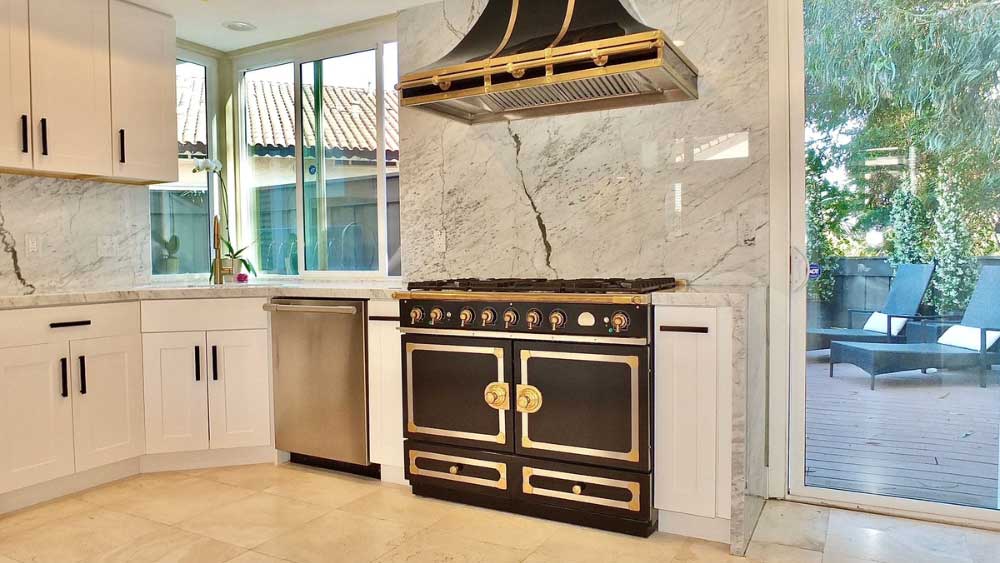
Credit: blog.yaleappliance.com
Safety And Building Codes
Understanding the proper height for your range hood is not just about aesthetics or functionality—it’s deeply tied to safety and compliance with building codes. Installing the hood at the right height can prevent fire hazards, ensure efficient ventilation, and keep your kitchen up to code. Let’s break down the key safety aspects and regulations you need to consider before setting up your range hood.
Fire Safety Guidelines
One of the biggest risks in the kitchen is fire, especially around the stove area. Your range hood must be installed at a height that minimizes the chance of flames reaching it or the ductwork.
Generally, manufacturers recommend a minimum clearance of 24 to 30 inches above the cooking surface. This distance helps keep the hood safe from intense heat while still capturing smoke effectively.
Have you checked if your hood material is fire-resistant? Stainless steel models often provide better protection, but always confirm with the product specifications.
Local Code Requirements
Building codes vary by region, so it’s essential to consult your local regulations before installation. Some areas require specific minimum and maximum heights for range hoods to ensure proper ventilation.
You can usually find these codes through your city’s building department or online resources. Ignoring these rules could lead to costly inspections or having to redo the installation.
Do you know if your city mandates a licensed professional for hood installation? This can influence both your safety and insurance coverage.
Electrical Considerations
Range hoods need proper electrical wiring for safe operation. The hood should be connected to a dedicated circuit, avoiding overloads that could cause shorts or fires.
Ensure the height allows easy access to the power source and switches. Improper wiring or placement may lead to dangerous electrical hazards.
Have you considered installing a hood with built-in lighting? This not only improves visibility but requires checking the electrical load to avoid problems.
Optimizing Performance And Maintenance
Keeping your range hood at the right height is just the start. To truly optimize its performance and extend its life, regular care and maintenance are essential. You want your range hood to work efficiently every time you cook, without unexpected breakdowns or a drop in suction power.
Cleaning Tips
Grease and dust buildup can seriously reduce your range hood’s effectiveness. Clean the exterior surfaces weekly using a mild detergent and a soft cloth to avoid scratches. For the interior and fan blades, use a degreaser every month to clear out stubborn grime.
Don’t forget to wipe down the underside where the filters sit. This area often traps the most grease and can cause odors if left dirty. How often you clean depends on how much you cook, but paying attention to visible dirt is a good rule.
Filter Replacement
Filters capture grease and smoke, but they don’t last forever. Metal mesh filters can be washed and reused, but they need a thorough cleaning every 1-3 months depending on usage. Charcoal filters, however, must be replaced every 6 to 12 months as they lose their ability to absorb odors.
Keep track of your filter type and set reminders for replacement or cleaning. Neglecting this can reduce airflow and cause your range hood to work harder, which may lead to early wear and tear.
Troubleshooting Issues
If your range hood suddenly becomes noisy or loses suction, it’s often a sign of clogged filters or a dirty fan. Check if the fan blades are obstructed or if the vent pipe is blocked by debris or bird nests. You might also notice flickering lights, which usually means a loose bulb or wiring problem.
Ask yourself: have you checked these simple fixes before calling a technician? Sometimes a quick clean or tightening a connection solves the problem without extra cost. Pay attention to unusual smells or sounds early on—they often warn you before bigger issues arise.
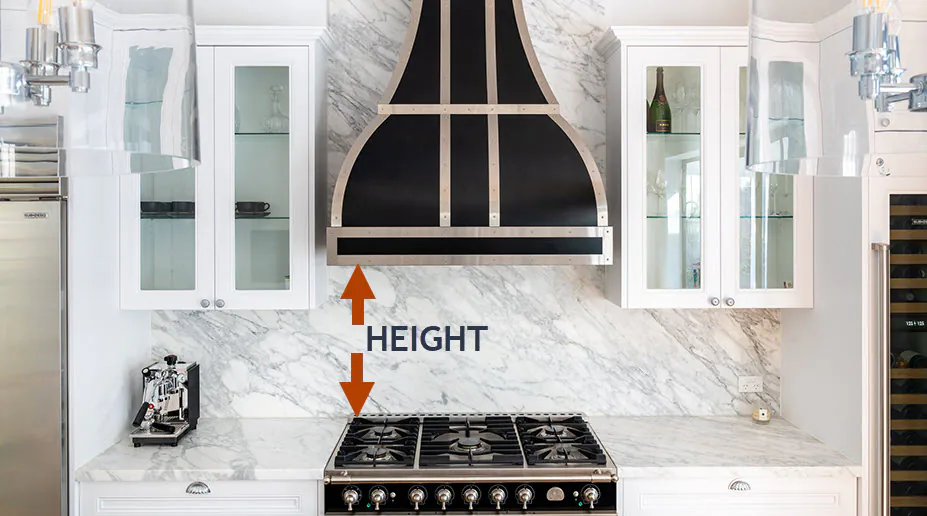
Credit: www.sydneyrangehoods.com.au
Frequently Asked Questions
How High Should A Range Hood Be Above The Stove?
A range hood should be installed 24 to 30 inches above the stove. This height ensures optimal smoke and odor capture while allowing safe cooking space. Too high reduces effectiveness; too low may cause heat damage.
Does Hood Height Affect Ventilation Efficiency?
Yes, the height directly impacts ventilation. Proper height maximizes smoke and grease capture, improving air quality. Incorrect height reduces hood performance, causing cooking odors and smoke to linger.
What Is The Ideal Range Hood Height For Gas Stoves?
For gas stoves, the range hood should be 27 to 30 inches above the cooktop. Gas stoves produce more heat, so a slightly higher hood prevents heat damage while maintaining ventilation efficiency.
Can Range Hood Height Vary By Kitchen Design?
Yes, kitchen design and ceiling height affect hood installation height. Custom kitchens may require adjustments for aesthetics and functionality. However, staying within 24-30 inches is recommended for best ventilation.
Conclusion
Choosing the right height for your range hood is crucial. It ensures safety and efficiency in your kitchen. Measure the distance carefully. Typically, 24 to 30 inches above the stove works well. This height captures smoke and odors effectively. Consider your stove type and personal needs too.
A proper range hood setup enhances kitchen ventilation. It keeps your cooking area fresh and clean. Always follow manufacturer guidelines for best results. With the right setup, enjoy a better cooking experience. Keep these tips in mind for a well-functioning kitchen space.