
When it comes to your kitchen, the range hood plays a key role in keeping the air fresh and your cooking space comfortable. But have you ever wondered how high above the stove your range hood should be installed?
Getting this right is more important than you might think. Too low, and it can get in your way or even become a safety hazard. Too high, and it won’t capture smoke and odors effectively. You’ll discover the perfect height for your range hood to ensure it works efficiently and keeps your kitchen clean and safe.
Keep reading to find out how to get it just right for your home.
Optimal Height For Range Hoods
Setting the right height for your range hood is essential. It ensures efficient smoke and odor removal from your kitchen. Many factors influence this optimal height, including stove type and hood performance. Understanding these can lead to a more pleasant cooking experience.
Standard Height Recommendations
Most experts suggest mounting range hoods 20 to 30 inches above the stove. This range helps capture smoke and steam effectively. It’s crucial to follow these guidelines for the best results.
Variations By Stove Type
The type of stove affects hood height. For electric stoves, the height can be on the lower end. Gas stoves require a bit more space due to higher heat output. Always check your stove’s manual for specific recommendations.
Impact On Performance
The hood’s height directly impacts its performance. Too low, it obstructs cooking. Too high, it reduces efficiency in capturing smoke. Finding the right balance enhances your kitchen’s air quality.
Factors Influencing Installation Height
The right height for installing a range hood depends on several key factors. These factors ensure the hood works well and keeps the kitchen safe and comfortable. Choosing the correct height balances efficiency, user comfort, and the kitchen’s layout. Understanding these factors helps you install the range hood at the best height above your stove.
Ceiling Height Considerations
Ceiling height affects how high the range hood can be placed. In rooms with low ceilings, the hood must be closer to the stove. Taller ceilings allow more space above the cooking surface. Installing the hood too high reduces its ability to capture smoke and odors. Too low, and it may block your view or feel cramped. Measure the ceiling height before deciding the hood’s position.
Range Hood Size And Power
The size of the range hood should match the stove’s width. Larger stoves need wider and more powerful hoods. Powerful hoods can be installed a bit higher because they pull air strongly. Smaller or less powerful hoods require a lower height to work well. Check the manufacturer’s instructions for recommended installation heights based on hood size and power.
User Safety And Comfort
Safety is important when setting the range hood height. The hood should not be too low to avoid head bumps. It also should not be too high to ensure effective smoke removal. Comfort matters during cooking. The hood must allow enough space to move and use pots freely. Proper height prevents heat and steam from disturbing the cook. Balance safety and comfort for the best kitchen experience.
Measuring And Installing Your Range Hood
Measuring and installing your range hood correctly is essential for both safety and efficiency. The height above your stove affects how well the hood captures smoke and odors. Getting this measurement right ensures your kitchen stays fresh and your cooking experience is enjoyable.
Tools Needed For Installation
Before you start, gather the necessary tools to make the process smooth.
- Measuring tape – for accurate height and width measurements
- Level – to ensure the hood is installed straight
- Drill with bits – for creating mounting holes
- Screwdrivers – for securing screws
- Pencil – to mark measurements and drill points
- Stud finder – to locate wall studs for secure mounting
- Safety goggles and gloves – to protect yourself during installation
Having these tools ready saves you from stopping midway and reduces errors.
Step-by-step Measurement Guide
Start by measuring the distance from the stovetop surface to the bottom of where the range hood will be installed. Most manufacturers recommend a height between 24 and 30 inches for optimal performance.
Measure horizontally to ensure the hood covers the entire cooking area, ideally extending a few inches beyond the stove sides. Check your stove’s specifications too; gas stoves often need the hood higher than electric ones due to heat.
Mark the wall where mounting brackets will go, making sure the hood will be centered above the stove. Double-check all measurements before drilling to avoid costly mistakes.
Common Installation Mistakes
One frequent error is installing the hood too low, which can block your cooking space and cause heat damage. Installing it too high reduces its ability to capture smoke and grease effectively.
Another mistake is ignoring the wall’s structure—mounting on drywall without finding studs weakens the installation and can be dangerous. Not using a level leads to a crooked hood that looks off and affects performance.
Have you ever installed something only to realize it’s off-center or unstable? Taking your time with measurements and preparation prevents these frustrating problems and keeps your kitchen safe.
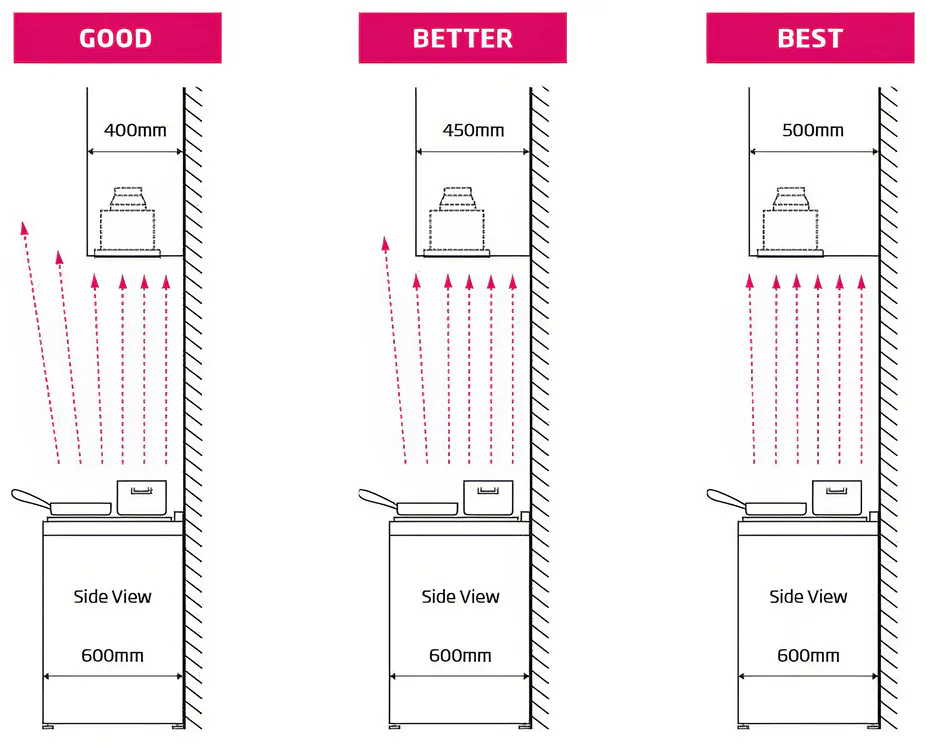
Credit: www.sydneyrangehoods.com.au
Range Hood Types And Height Differences
Choosing the right height for your range hood depends heavily on the type of hood you have. Different styles require different clearances to work efficiently and safely. Understanding these differences helps you avoid common mistakes and ensures your kitchen stays smoke-free and comfortable.
Under-cabinet Hoods
Under-cabinet hoods are installed directly beneath kitchen cabinets. The ideal height for these is usually between 20 and 24 inches above the stove. This keeps the hood close enough to capture smoke but far enough to avoid heat damage to the cabinets.
If your stove is a gas range, aim for the higher end of this range to prevent heat buildup. Electric stoves allow a bit more flexibility. Have you measured your cabinet height to ensure enough space? This small check can save you from costly adjustments later.
Wall-mounted Hoods
Wall-mounted hoods attach directly to the wall above the stove, often extending out over the cooking surface. They generally need to be installed higher than under-cabinet hoods—around 24 to 30 inches above the stove. This extra height helps accommodate larger cooking pots and pans.
Because these hoods sit out in the open, you can adjust their height slightly based on your cooking style. Do you often use tall pots or a wok? Consider that when deciding on the clearance. Proper height here also ensures optimal airflow and reduces noise.
Island Hoods
Island hoods hang from the ceiling above stoves located on kitchen islands. These typically require the most clearance, about 30 to 36 inches above the cooking surface. Since they’re suspended, they need enough distance to avoid head bumps while still capturing smoke effectively.
Island hoods come in various sizes and styles, so matching the hood size to the stove size is crucial. Have you thought about how your kitchen’s layout affects hood placement? Careful planning here keeps your island kitchen both stylish and functional.
Benefits Of Proper Range Hood Height
Setting the right height for your range hood brings many benefits. It helps keep your kitchen clean and safe. The correct height also improves the hood’s performance. This means better air flow and less smoke.
Proper range hood height helps remove odors, smoke, and grease effectively. It makes cooking more comfortable and energy use more efficient. Let’s explore these benefits in detail.
Improved Air Quality
Placing the range hood at the right height captures smoke and steam quickly. It stops harmful particles from spreading in your kitchen. This keeps the air fresh and healthy. Good air quality reduces risks from smoke and cooking fumes. It also lowers the buildup of grease on walls and cabinets.
Enhanced Cooking Experience
The right height lets you cook without smoke blocking your view. It prevents heat from rising directly to your face. You can focus better on cooking tasks. Noise levels stay lower because the hood works efficiently. This creates a calm and pleasant kitchen atmosphere.
Energy Efficiency
Range hoods set too high or too low use more power. Correct height helps the fan work smoothly and faster. This reduces electricity use and saves money. Efficient airflow means your hood runs less time to clear the air. Energy savings add up with regular use over time.
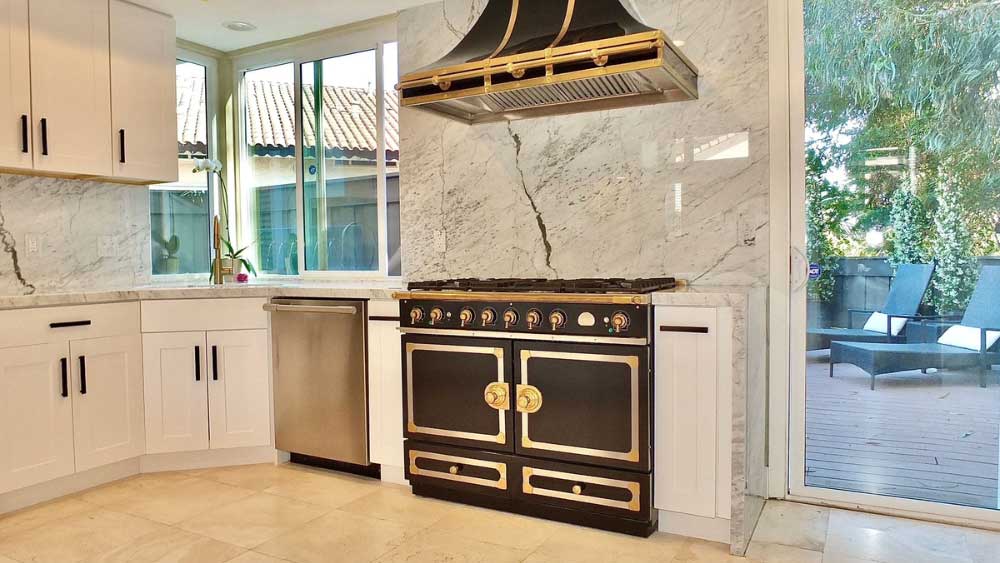
Credit: blog.yaleappliance.com
Troubleshooting Height-related Issues
Finding the right height for your range hood is crucial, but sometimes issues arise even after installation. Troubles related to height can affect your kitchen’s comfort and safety. Understanding these common problems helps you fix them quickly and get the best performance from your hood.
Excessive Noise
If your range hood sounds louder than expected, the height could be the culprit. Installing the hood too close to the stove often makes the fan work harder, creating more noise.
Try raising the hood slightly if it feels too noisy. Even a few inches can reduce the strain on the motor and quiet the operation. Also, check if the hood is securely mounted; vibrations from a loose fit can add to the noise.
Poor Smoke Extraction
Is your kitchen still smoky after you turn on the range hood? The height might be too high, making it hard for the hood to capture all the smoke and steam.
Moving the hood closer to the cooktop improves suction efficiency. If adjusting height is not an option, consider upgrading the hood’s power or adding a better filter. Think about how often you cook high-smoke meals—this affects the ideal height too.
Obstruction And Clearance Problems
Sometimes the hood sits too low, causing clearance issues with pots, pans, or even your head! This can be frustrating and dangerous, especially when handling hot cookware.
Make sure there’s enough space to work comfortably without bumping into the hood. Check your stove’s manufacturer recommendations and local building codes for minimum clearance. If you notice any obstruction, raising the hood slightly can create a safer cooking space.
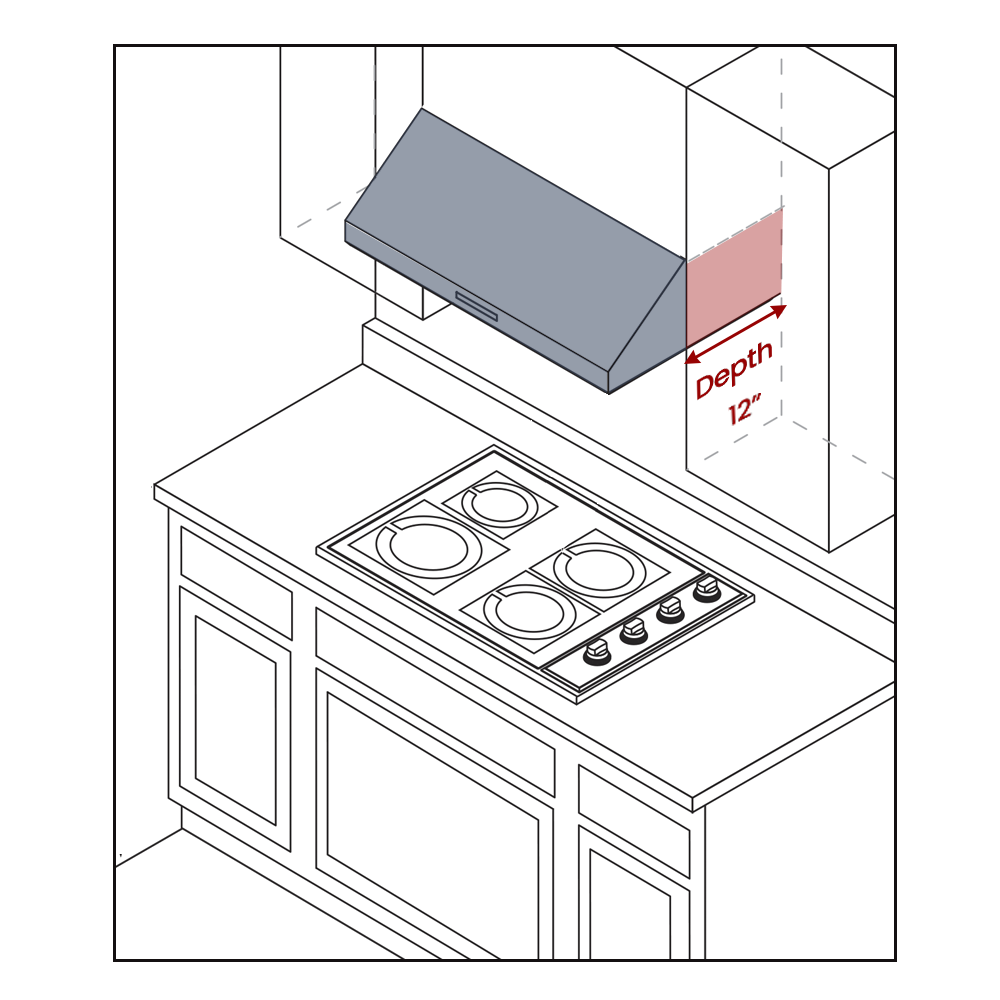
Credit: www.2pacific.com
Frequently Asked Questions
How High Should A Range Hood Be Above The Stove?
A range hood should be installed 24 to 30 inches above the stove. This height ensures optimal smoke and odor capture while maintaining safety and efficiency.
What Happens If Range Hood Is Too High Above Stove?
If the range hood is too high, it won’t effectively capture smoke and grease. This reduces ventilation efficiency and may allow odors to spread.
Can A Range Hood Be Installed Lower Than 24 Inches?
Installing a range hood lower than 24 inches can cause heat damage and safety risks. It may also interfere with cooking space and appliance use.
Does Stove Type Affect Range Hood Height?
Yes, gas stoves typically require range hoods installed closer, around 24-27 inches. Electric stoves allow slightly higher placement, up to 30 inches for proper ventilation.
Conclusion
Choosing the right height for your range hood keeps your kitchen fresh and safe. Too low, and it blocks your view and cooking space. Too high, and it won’t clear smoke and odors well. Aim for the recommended distance to get the best air flow and comfort.
This simple step helps your kitchen stay clean and pleasant. Remember, proper installation makes cooking easier and more enjoyable every day.