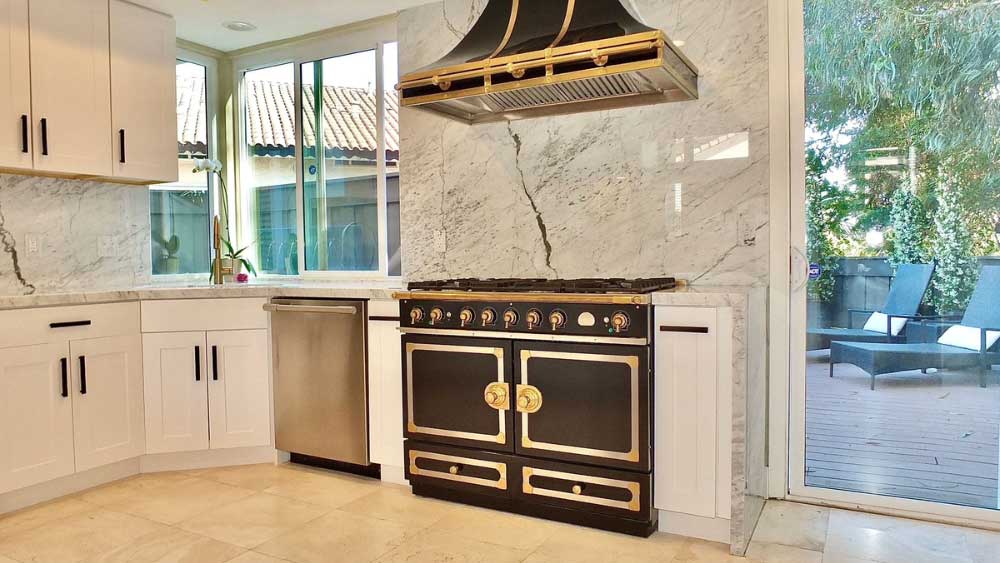
When it comes to creating the perfect kitchen, every detail matters. One question you might find yourself pondering is: “How high should a hood be from the range?”
This seemingly simple decision can have a big impact on both the functionality and aesthetic of your kitchen. Get it right, and you’ll enjoy a smoke-free, odor-free cooking experience. Get it wrong, and you could be dealing with lingering smells and inefficient ventilation.
This article will guide you through everything you need to know to make the best decision for your home. Dive in to discover how the right hood height can transform your cooking space into a more efficient, enjoyable, and stylish part of your home.
Ideal Hood Height
Setting the ideal hood height is key for effective kitchen ventilation. It affects how well smoke, steam, and odors get removed. Too low or too high placement reduces the hood’s performance. Finding the right height balances safety, functionality, and comfort.
Standard Height Range
The typical hood height is between 24 to 30 inches above the cooking surface. This range suits most home kitchens. It allows the hood to capture rising fumes quickly. Commercial kitchens may use higher mounts for larger equipment.
Installing the hood too close risks heat damage and limits cooking space. Too high reduces suction power and allows smoke to spread. The standard height helps keep a clean and fresh kitchen.
Factors Influencing Height
- Type of Cooktop:Gas stoves produce more heat, needing higher hoods.
- Ceiling Height:Taller ceilings allow more flexibility in hood placement.
- Hood Power:Stronger fans can work well at greater heights.
- Cooking Style:High-heat cooking may require a lower hood for better capture.
- Safety Codes:Local rules may set minimum height requirements.
Considering these factors ensures efficient ventilation and safe kitchen use. Proper hood height helps keep your cooking area smoke-free and comfortable.

Credit: www.myrustica.com
Types Of Range Hoods
Range hoods come in different styles to fit various kitchen layouts. Each type has a specific design and installation method. Choosing the right hood affects both kitchen function and appearance. Understanding the types helps decide the ideal height above the stove.
Under Cabinet Hoods
Under cabinet hoods fit directly beneath kitchen cabinets. They save space and blend with cabinet designs. These hoods usually have a slim profile. They work best for standard cooktops and smaller kitchens. Installation height ranges between 24 to 30 inches from the range.
Wall Mounted Hoods
Wall mounted hoods attach to the wall above the stove. They often have a chimney that vents smoke outside. These hoods offer strong ventilation for heavy cooking. Their height can be adjusted from 24 to 30 inches for optimal performance. They also add a stylish focal point to the kitchen wall.
Island Hoods
Island hoods hang from the ceiling over island cooktops. They provide ventilation where no wall or cabinet is nearby. These hoods require careful height placement for safety and airflow. The typical height is between 30 to 36 inches above the cooktop. Island hoods often feature bold designs to match open kitchen spaces.
Measuring Hood Distance
Measuring the distance between your range hood and the cooking surface is key to ensuring effective ventilation. Too close, and the hood might get greasy or damaged; too far, and it won’t capture smoke and odors properly. Getting this distance right helps keep your kitchen air clean and your hood functioning efficiently.
Tools Needed
You don’t need fancy gadgets to measure your hood distance accurately. A simple tape measure or a ruler will do the job well.
- Tape measure (preferably one with both inches and centimeters)
- Step stool or ladder if your hood is high up
- Notepad and pen to jot down measurements
Having these tools handy makes the process quicker and more precise. Imagine trying to guess the height without measuring—it’s easy to get it wrong.
Step-by-step Measurement
First, clear the area under the hood so you can see the cooking surface clearly. Next, place the end of your tape measure at the top of the cooking range or stove burner.
Then, stretch the tape straight up to the bottom edge of the hood. Make sure the tape is vertical and not slanting for an accurate reading.
Write down this number. If your hood is adjustable, this measurement will guide where to set it. If it’s fixed, you’ll know if it’s within the recommended height range or needs repositioning.
Have you checked this measurement recently? Even a few inches difference can impact how well your hood works and how comfortable you feel while cooking.

Credit: www.create-enjoy.com
Impact On Performance
Understanding the impact of hood height on your range’s performance is essential for a kitchen that functions smoothly and safely. The distance between your cooktop and the hood affects how well smoke, steam, and odors are removed, how much noise you endure, and even your kitchen’s overall safety. Let’s break down these effects so you can make the best decision for your cooking space.
Ventilation Efficiency
The closer your hood is to the range, the better it captures smoke and grease. However, placing it too low can block your cooking space and cause heat damage to the hood. A hood installed too high may allow smoke and odors to escape before being vented out.
Think about your last cooking experience—did you notice lingering smells or smoke? That might be because your hood was too far from the heat source. The ideal height balances efficient capture of fumes without getting in your way. Most experts suggest between 24 to 30 inches above the cooktop for optimal ventilation.
Noise Levels
Noise can be a subtle but persistent issue. When the hood is too close, it can amplify sounds from the fan and cooking itself, making your kitchen less comfortable. Conversely, if it’s too far, the fan may have to work harder, increasing noise and energy use.
Have you ever turned on your hood and felt it was louder than necessary? Adjusting the height can reduce this. A well-placed hood minimizes noise by allowing air to flow smoothly without forcing the fan to operate at maximum power.
Safety Considerations
Safety should never be overlooked. If the hood is too close, it risks overheating or catching fire from grease buildup. Too high, and it may fail to remove dangerous gases or excessive heat effectively.
Imagine cooking with a hood that doesn’t clear smoke fast enough—carbon monoxide and other harmful substances can accumulate. Ensuring the right height helps protect you and your family from these hazards while maintaining a safe distance from flames and heat.
Installation Tips
Installing a range hood at the right height is crucial for both performance and safety. Getting this detail right ensures your kitchen stays smoke-free and your cooking experience remains comfortable. Here are some essential tips to help you position your hood perfectly above your stove.
Height Adjustments
The ideal height for a range hood typically falls between 24 to 30 inches above the cooking surface. However, this can vary depending on the type of stove and hood you have. Gas stoves often require more clearance due to open flames, so aim closer to 30 inches.
Adjusting the hood height too low can block your view and reduce workspace, while placing it too high might let smoke and odors escape. Have you measured the height of your stove and considered your cooking habits? That will guide your perfect fit.
Clearance Requirements
Clearance isn’t just about height; it also involves ensuring there’s enough space around the hood for safe airflow and heat dissipation. Check that no cabinets or fixtures are too close to the hood, which can obstruct ventilation or cause heat damage.
Keep at least a few inches of clearance on all sides of the hood to maintain efficient air movement. Think about how your kitchen layout affects airflow—sometimes a minor rearrangement can improve ventilation significantly.
Compliance With Codes
Local building codes and manufacturer instructions set important standards for hood installation. These rules often specify minimum clearances and electrical requirements to prevent fire hazards and ensure proper operation.
Ignoring these codes can lead to costly fixes or unsafe conditions. Have you checked with your local authorities or your hood’s manual to confirm you’re meeting all guidelines? It’s a small step that protects your investment and your home.
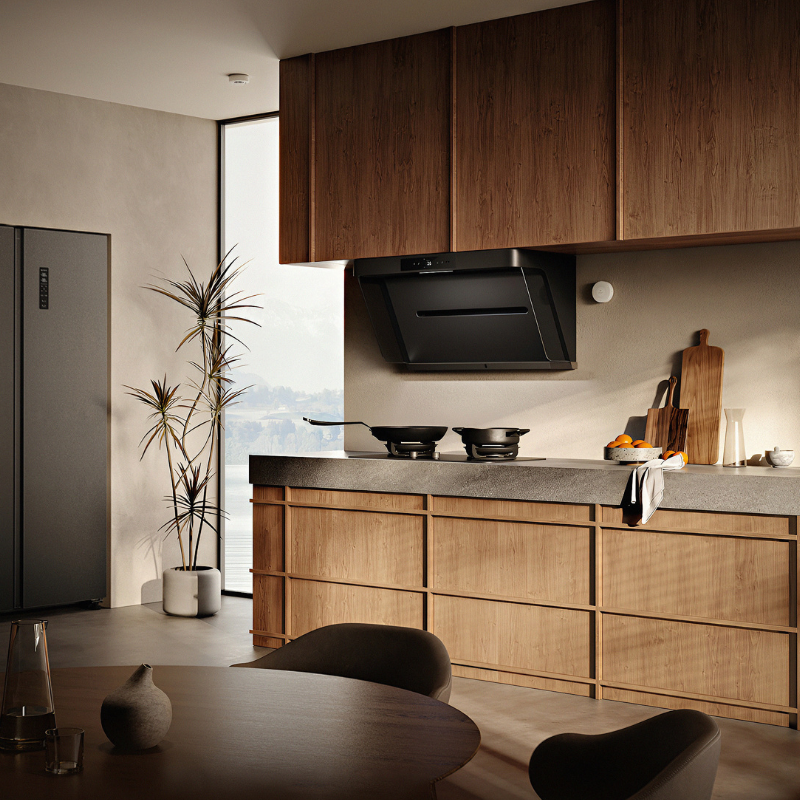
Credit: us.cleadeep.com
Common Mistakes To Avoid
Placing your range hood at the right height is crucial for both safety and efficiency. Many people make avoidable mistakes that reduce the hood’s performance or create hazards in the kitchen. Understanding these common errors can help you get the most from your ventilation setup.
Too High Placement
Putting the hood too high above your range means it won’t capture smoke and odors effectively. You might think giving it extra space looks nice, but it actually lets grease and steam escape into your kitchen. This often leads to a buildup of sticky residue on cabinets and walls.
Another issue is that the fan has to work harder to pull fumes from a greater distance, which can increase noise and energy use. Have you noticed your kitchen still smells smoky even after running the hood? The height could be the problem.
Too Low Placement
Mounting the hood too close to the cooktop is equally problematic. It can block your view, limit movement, and even become a fire hazard if it’s too close to open flames. You don’t want to constantly worry about bumping your head or damaging the hood while cooking.
Additionally, a hood placed too low can trap heat, making your cooking space uncomfortable. Finding the balance between safety and efficiency is key. What’s your current hood height, and do you feel it’s impacting your cooking experience?
Maintenance And Cleaning
Keeping your range hood clean and well-maintained is crucial for its performance and your kitchen’s air quality. The height at which your hood is installed can impact how easy it is to access and clean it. Regular maintenance prevents grease buildup, which can affect both efficiency and safety.
Access At Different Heights
If your hood is installed too high, reaching it for cleaning becomes a hassle. You might need a sturdy step stool or ladder, which adds risk and inconvenience. On the other hand, a hood placed too low might be easier to reach but can get dirty faster due to close proximity to cooking splatters.
Think about your own kitchen setup—do you find it easy to wipe down your hood? If not, the height might be working against you. Adjusting the hood to a comfortable height can save time and effort during cleaning.
Filter Replacement
Filters trap grease and odors, and they need regular replacement or cleaning. At the right height, you can quickly remove and replace filters without struggling. If your hood is too high, the replacement process can become tedious and you might delay it, leading to clogged filters.
Consider how often you change your filters. If it feels like a chore, your hood’s height could be the reason. Easy filter access encourages timely maintenance, keeping your kitchen air fresh and your hood working efficiently.
Frequently Asked Questions
How High Should A Range Hood Be Installed?
A range hood should be installed 24 to 30 inches above the cooking surface. This height ensures optimal smoke and odor capture while maintaining safety and efficiency in the kitchen.
Why Is Hood Height Important For Ventilation?
Proper hood height ensures effective removal of smoke, grease, and odors. Too high reduces efficiency; too low risks heat damage. Correct height balances ventilation performance and safety.
Does Hood Height Vary By Stove Type?
Yes, gas stoves typically require 27 to 30 inches, while electric stoves need 24 to 30 inches. This variation ensures optimal ventilation for different heat outputs.
Can A Hood Be Installed Too Low Above The Range?
Yes, installing a hood too low can cause heat damage and obstruct cooking. It may also reduce airflow and increase fire risk. Proper height prevents these issues.
Conclusion
Choosing the right height for your hood keeps your kitchen safe and clean. Too high, and it won’t capture smoke well. Too low, and it could block your cooking space. Aim for a balance that fits your stove and hood type.
This helps remove smoke, grease, and odors efficiently. A properly placed hood makes cooking easier and more pleasant. Remember, correct installation protects your home and improves air quality. Take time to measure and follow guidelines. Your kitchen will thank you for it.