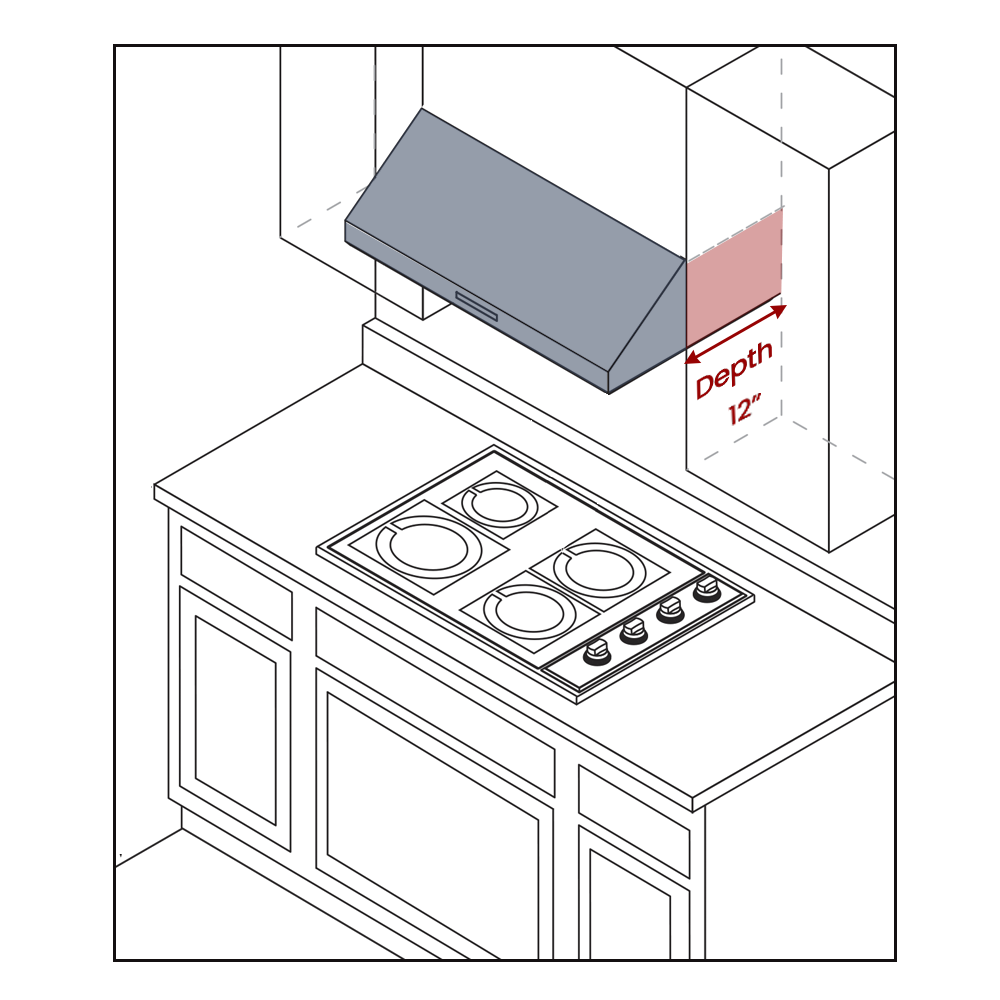
Are you redesigning your kitchen or simply upgrading your cooking space? One crucial decision you’ll face is determining the right height for your range hood above the cooktop.
Get this right, and you’ll enjoy a kitchen that’s not only functional but also safe and comfortable. Get it wrong, and you might find yourself battling smoke, odors, and even potential hazards. This guide will help you understand how to position your range hood perfectly, ensuring optimal performance and a happier cooking experience.
Ready to discover the secrets to a well-ventilated kitchen? Let’s dive in and transform your cooking space!
Credit: www.sydneyrangehoods.com.au
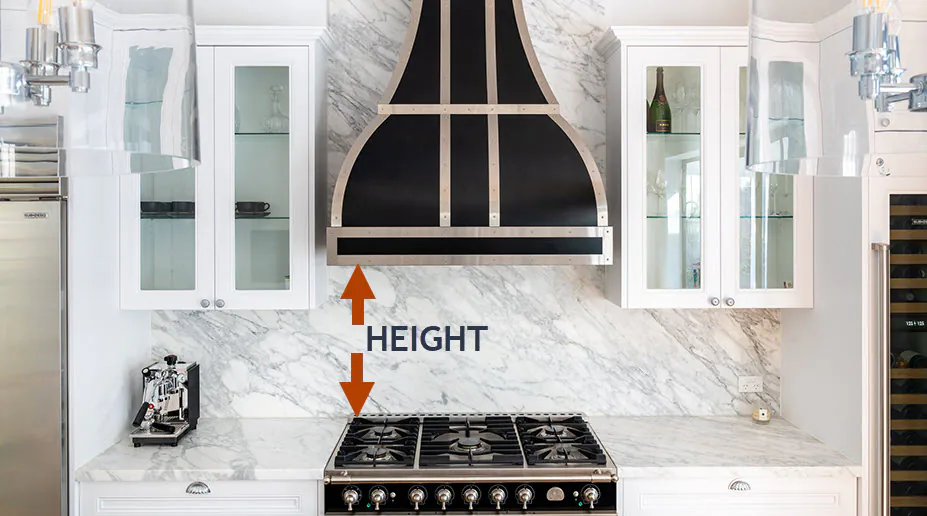
Ideal Height For Range Hoods
Choosing the right height for a range hood is important for kitchen safety and comfort. The ideal height helps remove smoke, steam, and odors effectively. It also prevents heat damage to the hood and keeps cooking comfortable.
Standard Height Recommendations
Range hoods usually install between 24 and 30 inches above the cooktop. This range works well for most kitchens. It balances good ventilation and safe clearance from heat.
For electric cooktops, 24 to 30 inches is best. Gas cooktops need a bit more space, often 27 to 30 inches. This extra height protects the hood from flames and heat.
Check the hood manufacturer’s instructions. They provide exact height guidelines for each model. Following these ensures optimal performance and safety.
Factors Influencing Height Choices
Several factors affect the ideal height of your range hood.
- Cooktop type:Gas ranges require more clearance than electric ones.
- Ceiling height:Taller ceilings may need customized hood heights.
- Hood size and power:Larger or more powerful hoods may be placed higher.
- Kitchen layout:Space and design can limit hood placement.
- User comfort:The hood should not block sight or movement while cooking.
These elements help decide the best height for your specific kitchen setup.
Types Of Range Hoods And Height Differences
Range hoods come in various styles, each needing a different height above the cooktop. The right height depends on the hood type and kitchen layout. Knowing these differences helps improve ventilation and cooking safety.
Under-cabinet Hoods
Under-cabinet hoods fit beneath kitchen cabinets. They usually need to be 20 to 24 inches above the cooktop. This height clears the cooking area while capturing smoke and odors effectively. These hoods are common in smaller kitchens with limited space.
Wall-mounted Hoods
Wall-mounted hoods attach directly to the wall above the cooktop. They often require a height of 24 to 30 inches. This extra space helps trap steam and grease better. Wall-mounted hoods come in many designs and can be a focal point in your kitchen.
Island Hoods
Island hoods hang from the ceiling above cooktops located on kitchen islands. They need to be higher, usually 30 to 36 inches above the cooktop. The greater height covers the open area around the island and ensures proper airflow. These hoods often have a larger size and stronger fans.
Impact Of Height On Performance
The height of a range hood above the cooktop greatly affects its performance. Setting it too high or too low can reduce its ability to remove smoke, odors, and grease. Proper height ensures the hood works efficiently without causing discomfort or extra noise. Understanding this impact helps choose the right installation height for best results.
Ventilation Efficiency
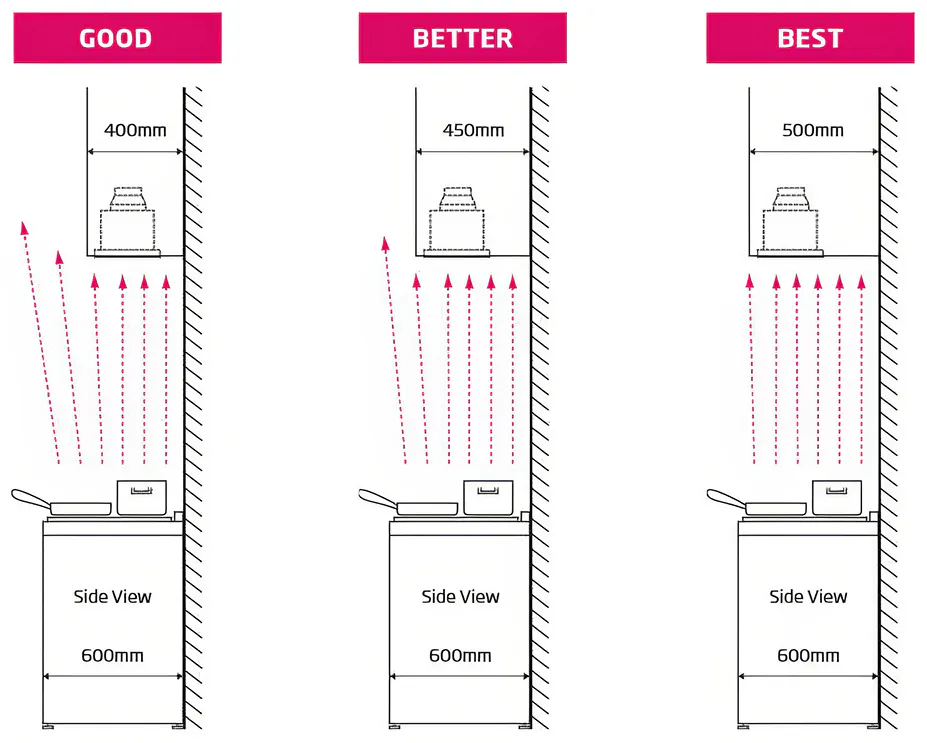
The closer the hood is to the cooktop, the better it captures steam and smoke. Too much distance lets smoke spread in the kitchen. Too close may block burners or cause heat damage. Ideal height balances capturing fumes and protecting the hood. A well-placed hood keeps air clean and kitchen fresh.
Noise Levels
Range hoods create noise from fans and air movement. When installed lower, noise may feel louder due to proximity. Higher placement can reduce noise but might reduce suction power. Choosing the right height helps keep noise comfortable while maintaining strong ventilation.
Cooking Comfort
A hood set too low can block your view and limit headroom. This causes discomfort while cooking and moving around. Too high means less effective smoke removal, affecting kitchen air quality. Proper height allows clear sight and easy movement without losing ventilation power.
Credit: www.sydneyrangehoods.com.au
Material And Design Considerations
Choosing the right material and design for your range hood affects not only its look but also its performance. The hood’s durability, ease of cleaning, and how well it captures smoke depend heavily on these factors. Think about how the hood fits with your kitchen’s style and how it works with your cooking habits before deciding on the height above your cooktop.
Hood Size And Shape
The size of your range hood should match or exceed your cooktop’s width to effectively capture smoke and odors. A hood that’s too small may leave your kitchen smoky, even if it’s installed at the correct height. Consider shapes like rectangular or curved designs—curved hoods often pull air more efficiently, but rectangular ones offer a classic look and easier installation.
Material impacts the hood’s weight and installation options. Stainless steel is popular because it’s strong, easy to clean, and resists heat well. Glass or mixed materials add style but might require more care and careful placement to avoid damage. Have you noticed how some hoods blend into the background, while others become a kitchen centerpiece? Your choice will decide which effect you get.
Cooktop Size And Type
Your cooktop size is a key factor in deciding how high to place the hood. Larger cooktops or those with multiple burners produce more smoke and steam, so the hood should be closer to capture everything effectively. Gas cooktops generally need the hood to be a bit higher due to the open flame, while electric cooktops allow for a slightly lower placement.
Think about your cooking style too. Do you often fry or sear at high heat? This creates more smoke, meaning a powerful hood placed at the right height is essential. You might need a stronger fan and wider hood to keep your kitchen fresh. Have you ever struggled with smoke lingering long after cooking? Properly matching your hood’s size and height to your cooktop can solve that problem.
Installation Tips And Safety Guidelines
Proper installation of your range hood is key to its performance and safety. Incorrect height or placement can reduce its ability to remove smoke and odors. Follow these tips and guidelines to install your range hood correctly and safely.
Measuring And Marking
Start by measuring the distance from the cooktop surface to the bottom of the hood. Mark the desired height clearly on the wall. Use a level to ensure the marks are even. Double-check measurements before drilling any holes. Accurate marking prevents misalignment and improves efficiency.
Clearance Requirements
Maintain enough space between the cooktop and hood. Most manufacturers recommend 24 to 30 inches for electric ranges. Gas cooktops need more clearance, usually 28 to 36 inches. This space prevents heat damage and allows proper air flow. Keep the hood away from combustible materials to avoid fire risks.
Building Codes And Regulations
Check local building codes before installation. Codes often dictate minimum and maximum height requirements. They also cover venting and electrical connections. Follow these rules to ensure safety and pass inspections. Using a licensed professional for installation can help meet all regulations.

Credit: prolinerangehoods.com
Common Mistakes To Avoid
Placing a range hood at the right height above the cooktop is crucial for its efficiency. Many homeowners make simple mistakes that reduce the hood’s performance. These errors can cause poor ventilation, cooking smells, and even safety issues.
Knowing what to avoid helps you install the hood correctly. Here are common mistakes to watch out for.
Too High Placement
Installing the hood too high above the cooktop weakens its suction power. Smoke and grease can escape before reaching the hood. This leads to lingering odors and a greasy kitchen.
Range hoods placed too high also force the fan to work harder. That increases noise and energy use. Keeping the hood within the recommended height range ensures better air capture and quieter operation.
Too Low Placement
Mounting the hood too low creates safety risks. It may block your view or hit your head during cooking. Too low placement can also cause heat damage to the hood.
Cooking splatters and steam might splash directly on the hood surface. This shortens the hood’s life and makes cleaning harder. Maintaining enough clearance protects both you and the appliance.
Ignoring Manufacturer Instructions
Each range hood model has specific installation guidelines. Ignoring these instructions can cause poor performance or void the warranty. Manufacturers suggest ideal height ranges based on fan strength and design.
Following their advice ensures the hood works as intended. It also helps avoid costly repairs or replacements later. Always read and apply the installation manual carefully before mounting the hood.
Adjusting Height For Different Cooking Styles
Adjusting the height of your range hood depends on how you cook. Different cooking styles produce different amounts of smoke and steam. Setting the right height helps the hood work best and keeps your kitchen fresh.
High-heat Cooking
Cooking with high heat creates a lot of smoke and steam fast. Set the range hood lower, about 24 to 27 inches above the cooktop. This height captures smoke before it spreads. It also helps remove strong odors quickly.
Gentle Simmering
Simmering produces less smoke and steam. You can place the range hood higher, around 28 to 30 inches above the cooktop. This height still vents steam well without being too close. It keeps the kitchen comfortable and safe.
Frequent Frying
Frying releases grease and smoke constantly. Keep the range hood low, near 24 inches above the cooktop. This position traps grease and reduces smoke better. It protects your walls and cabinets from buildup.
Maintenance And Cleaning Tips For Optimal Performance
Proper maintenance keeps your range hood working well and lasting longer. Regular cleaning removes grease and dust that block airflow. This helps your kitchen stay fresh and smoke-free. Simple care routines save money on repairs and replacements.
Cleaning The Grease Filters
Grease filters trap oil and particles from cooking. Clean them every month for best results. Remove the filters and soak them in warm, soapy water. Use a soft brush to scrub away stuck grease. Rinse and dry completely before reinstalling. Some filters can be washed in a dishwasher. Check your hood’s manual to be sure.
Wiping The Hood Surface
Wipe the hood’s outer surface weekly to prevent grease buildup. Use a soft cloth and mild detergent. Avoid abrasive cleaners that can damage the finish. Stainless steel hoods shine with special stainless steel cleaner. Dry the surface well to stop streaks and spots.
Checking And Replacing The Charcoal Filters
Charcoal filters reduce cooking odors but cannot be washed. Replace them every 3 to 6 months. Check the manufacturer’s guide for exact timing. Fresh charcoal filters keep air clean and improve hood efficiency.
Inspecting The Vent And Fan
Look inside the vent and fan yearly for dust and debris. Clean gently with a vacuum or brush. A clear vent lets air flow freely and reduces noise. If the fan makes unusual sounds, it might need professional service.
Testing The Hood’s Lights And Controls
Test lights and controls monthly to ensure they work properly. Replace burnt-out bulbs with the right type. Clean buttons and switches to prevent sticking. Functional lights and controls make cooking safer and easier.
Frequently Asked Questions
How High Should A Range Hood Be Installed?
A range hood should be installed 24 to 30 inches above the cooktop. This height ensures optimal smoke and odor capture without obstructing your view or cooking space.
Does Hood Height Affect Ventilation Efficiency?
Yes, proper hood height improves ventilation. Installing it too high reduces smoke capture, while too low can cause heat damage or discomfort.
What Is The Minimum Height For A Range Hood?
The minimum height is typically 24 inches above the cooktop. Below this, the hood risks heat damage and limits cooking space comfort.
Can I Install A Range Hood Higher Than Recommended?
Installing a hood higher than 30 inches reduces its effectiveness. It may fail to capture smoke and odors properly, affecting kitchen air quality.
Conclusion
Choosing the right height for your range hood matters a lot. It keeps your kitchen free from smoke and smells. Too high, and it won’t catch the steam well. Too low, and it feels cramped and unsafe. Aim for a height that clears the cooktop but stays easy to reach.
This simple step makes cooking cleaner and more comfortable. Remember, a well-placed range hood helps your kitchen stay fresh every day.