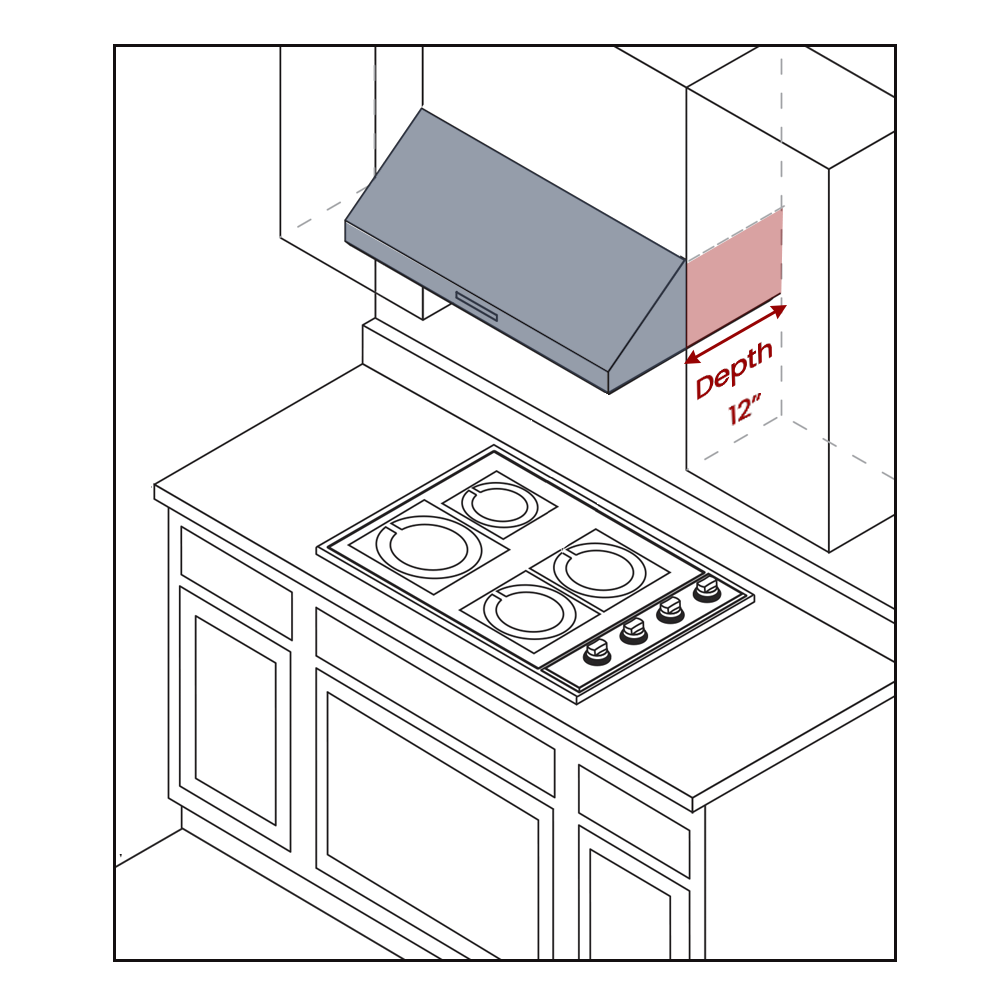
Isn’t it frustrating when smoke and cooking odors linger around your kitchen, making it uncomfortable for you and your guests? You’ve probably heard about the magic of a range hood in keeping your kitchen fresh and clean, but have you ever wondered how high it should be above your cooktop for maximum efficiency?
Surprisingly, the height at which your range hood is installed can make a world of difference. You’ll discover the sweet spot for range hood placement that ensures optimal performance and keeps your kitchen atmosphere inviting. Stick around to learn the simple tricks that can transform your cooking space into a haven of comfort and cleanliness.
Your kitchen deserves nothing less, and so do you!
Credit: www.sydneyrangehoods.com.au
Ideal Range Hood Height
Finding the ideal height for your range hood is key to keeping your kitchen fresh and your cooking area comfortable. The right height ensures efficient smoke and odor removal without getting in your way. Let’s look at the common guidelines and what factors can change the ideal placement for your setup.
Standard Height Recommendations
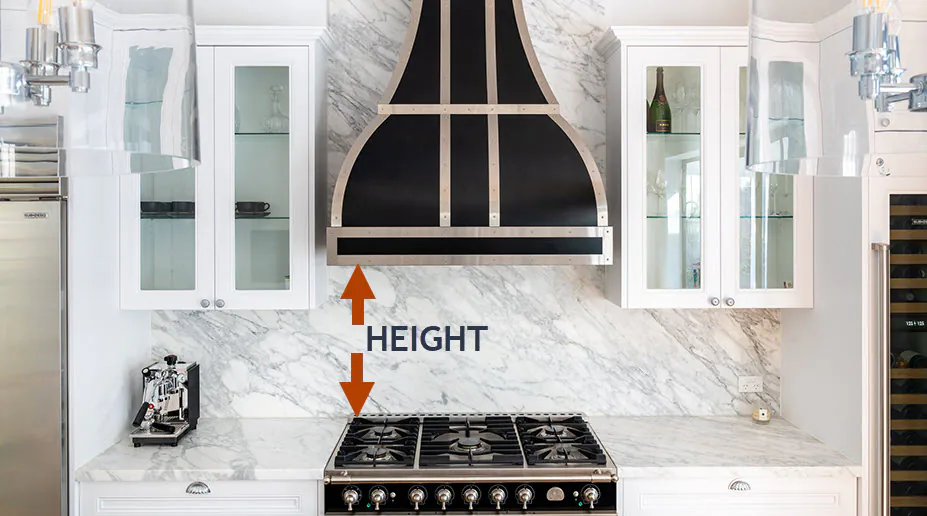
Most range hoods are installed between 24 to 30 inchesabove the cooktop surface. This range works well for typical home kitchens with standard ceiling heights and cooktop sizes.
- For electric or smooth-surface cooktops, 24 to 30 inches usually provides effective ventilation.
- Gas cooktops often require a bit more space, around 27 to 30 inches, to avoid heat damage to the hood.
- Wall-mounted hoods tend to follow these height guidelines closely, while island hoods might need adjustments based on ceiling height.
Have you measured your current hood height? It might surprise you how small changes can improve airflow and reduce noise.
Factors Affecting Height
Your kitchen’s design and cooking habits affect where the range hood should go. One size doesn’t fit all when it comes to hood height.
- Cooktop Type:Gas burners produce more heat and flames that require a higher hood placement to prevent damage.
- Ceiling Height:Taller ceilings allow for higher hood installation, but too high can reduce efficiency.
- Hood Size and Power:More powerful hoods can be installed slightly higher because they pull air more effectively.
- Cooking Style:If you frequently sear or fry, you might want the hood closer to capture smoke quickly.
Think about how you cook daily. Would a higher or lower hood make your kitchen experience better? Adjusting the hood height to your habits can make a big difference.
Types Of Range Hoods
Choosing the right type of range hood affects not only your kitchen’s style but also how well it ventilates. Each hood type has its own ideal height above the cooktop, which impacts performance and safety. Understanding the differences helps you pick the best fit for your cooking space and habits.
Under-cabinet Hoods
These hoods fit neatly beneath your kitchen cabinets, saving space while providing effective ventilation. Because they are installed closer to the cooktop, the recommended height is usually between 20 and 24 inches. If you cook often, setting the hood too high might reduce its ability to catch smoke and grease quickly.
Wall-mounted Hoods
Wall-mounted hoods attach directly to the wall above your stove and often serve as a focal point in the kitchen. They require more clearance, typically between 24 and 30 inches above the cooktop, to ensure safety and optimal airflow. Have you noticed how some designs come with adjustable chimney heights? That feature helps customize installation to your kitchen’s ceiling height and cooking style.
Island Hoods
Island hoods hang from the ceiling over a cooktop located on a kitchen island. They need to be installed higher—generally 30 to 36 inches above the cooktop—because they don’t have cabinets to anchor to. This height ensures they capture steam and smoke effectively without obstructing your view or movement while cooking.
Impact Of Hood Height On Performance
The height of your range hood above the cooktop directly affects how well it performs. Too high or too low, and you might not get the ventilation results you expect. Let’s look at how this height impacts three key areas: ventilation efficiency, noise levels, and safety.
Ventilation Efficiency
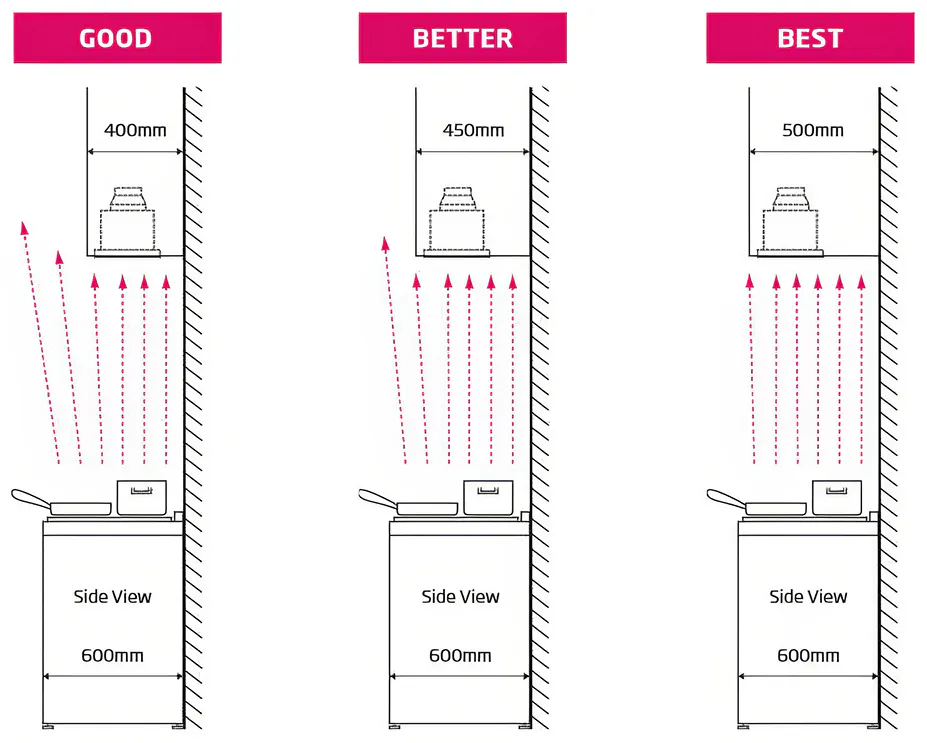
When the hood is placed at the right height, it captures smoke, steam, and cooking odors more effectively. If it’s too high, these fumes can escape before the hood pulls them in, reducing air quality in your kitchen.
On the other hand, placing the hood too close to the cooktop can restrict your cooking space and may not allow the air to flow freely. Most manufacturers recommend installing the hood between 24 to 30 inches above the cooktop for optimal airflow.
Think about how often you notice lingering smells after cooking. Adjusting the hood height could be the simple fix you need to keep your kitchen fresh.
Noise Levels
The distance between the hood and the cooktop also affects noise. A hood set too low might pick up more heat and grease, causing the fan to work harder and louder.
Conversely, raising the hood too high can make the fan run at higher speeds to pull air from farther away, which also increases noise. Finding a balance helps keep noise manageable while maintaining good ventilation.
Next time you cook, listen closely: is your hood louder than you’d like? Adjusting the height might make a noticeable difference.
Safety Considerations
Safety is often overlooked when deciding hood height. A hood set too low can become a hazard, especially if it’s near open flames or tall pots.
Too high, and it might fail to capture harmful gases like carbon monoxide, putting your family at risk. Follow recommended height guidelines to ensure your kitchen stays safe and comfortable.
Have you ever bumped your head on a low-hanging hood? That discomfort alone is a good reason to check your hood’s height.
Credit: www.sydneyrangehoods.com.au
Measuring And Installing The Hood
Measuring and installing a range hood requires care and precision. The height above the cooktop affects its performance and safety. Correct measurement ensures efficient smoke removal and prevents accidents. Installation must follow guidelines for best results and durability.
Tools Needed
- Measuring tape
- Level
- Drill with bits
- Screwdriver
- Pencil or marker
- Stud finder
- Safety goggles
- Wall anchors or screws
- Range hood mounting bracket (if included)
Step-by-step Installation Tips
- Measure the distance from the cooktop surface to the desired hood height.
- Mark the wall using a pencil where the hood will be mounted.
- Use a stud finder to locate wall studs for secure mounting.
- Check the marks with a level to ensure the hood will be straight.
- Drill holes for screws or anchors at the marked points.
- Attach the mounting bracket to the wall securely.
- Lift the range hood and align it with the bracket.
- Fasten the hood using screws or bolts provided.
- Connect the hood to the power source following safety guidelines.
- Test the hood to ensure it works properly and is stable.
Common Mistakes To Avoid
Placing your range hood at the right height above the cooktop is crucial for its effectiveness. Many homeowners make mistakes that reduce ventilation quality and even affect kitchen safety. Understanding what not to do can save you from costly adjustments later.
Too High Placement
Mounting the range hood too high above the cooktop is a common error that compromises its performance. When the hood is set too far, smoke and cooking odors can escape before the hood captures them.
You might think a higher hood looks better or fits your kitchen style, but it often leads to poor air extraction. Ideally, the hood should be close enough to catch steam and grease quickly. If you place it more than 30 inches above the cooktop, you risk losing efficiency.
Have you ever noticed lingering smells after cooking? This might be your hood sitting too high, letting pollutants spread through your kitchen.
Too Low Placement
On the flip side, placing the range hood too low can create its own set of problems. A hood that’s too close to the cooktop can interfere with your cooking space and even pose a safety risk.
Low placement might cause heat damage to the hood or make it hard to use tall pots and pans comfortably. It can also block your view of the burners, making cooking more difficult.
Think about your last cooking session—did you feel cramped or struggle to fit your cookware under the hood? This could mean your range hood is hanging too low.
Finding the sweet spot is key. Most experts recommend 24 to 30 inches above the cooktop for electric ranges, and 27 to 30 inches for gas ranges, balancing safety and efficiency.
Adjusting Hood Height For Different Cooktops
Adjusting the height of your range hood is crucial for efficient ventilation and safety. Different cooktops demand different hood heights to capture smoke, steam, and odors effectively. Getting this right not only improves air quality but also protects your kitchen surfaces and enhances your cooking experience.
Gas Vs Electric Cooktops
Gas cooktops produce open flames and more heat, so your range hood needs to be positioned carefully. Typically, the hood should be 24 to 30 inches above a gas cooktop. This distance allows the hood to capture rising heat and combustion gases without interfering with the flames.
Electric cooktops, on the other hand, generate less heat and no open flame. You can install the hood slightly higher, usually around 20 to 24 inches above the cooktop. This setup still provides efficient smoke and steam capture while offering more flexibility in kitchen design.
Have you noticed how some kitchens with gas ranges have taller hoods? That’s because higher flames need more clearance. But too high, and the hood won’t work well. Finding that balance is key.
Commercial Vs Residential Settings
Commercial kitchens handle intense cooking and heavy smoke. Here, range hoods are often installed higher—between 30 and 36 inches—to accommodate larger equipment and ensure strong ventilation. They also need more powerful fans to keep the air clean and safe.
In residential kitchens, range hoods are closer to the cooktop to fit smaller spaces and lower cooking volumes. The standard height ranges from 20 to 30 inches depending on the cooktop type. This helps keep your kitchen comfortable and your air fresh without overwhelming the space.
Think about your cooking style and kitchen layout. Do you prepare quick meals or slow-cook with lots of steam? Adjusting your hood height to match these factors can make a big difference in how your kitchen performs.
Maintenance Tips For Optimal Performance
Keeping your range hood in top shape is essential for efficient cooking and clean air in your kitchen. Regular maintenance not only extends the life of your appliance but also ensures it captures smoke, steam, and odors effectively. Let’s look at some practical tips to help you maintain your range hood for optimal performance.
Cleaning Frequency
How often you clean your range hood depends on how much you cook. If you use your cooktop daily, aim to clean the hood’s exterior and the fan at least once a month. This prevents grease buildup, which can reduce the hood’s suction power and cause unpleasant smells.
For occasional cooks, cleaning every two to three months might be enough. Pay close attention to visible grease or dirt, and don’t ignore any unusual noises or weaker airflow. Have you noticed your kitchen getting smokier than usual? That’s a sign to clean your hood immediately.
Filter Replacement
Filters trap grease and particles, but they don’t last forever. Some filters are washable and reusable, but many require replacement after a certain period. Check your hood’s manual to know the exact timeline, but a good rule is to replace or deep clean filters every 3 to 6 months.
If you cook greasy or fried foods often, consider replacing filters more frequently. A clogged filter not only reduces performance but can also be a fire hazard. Have you checked your filter lately? If it looks dark and greasy even after cleaning, it’s time for a new one.

Credit: prolinerangehoods.com
Frequently Asked Questions
How High Should A Range Hood Be Above A Cooktop?
The ideal height for a range hood above a cooktop is 24 to 30 inches. This distance ensures effective smoke and odor removal without interfering with cooking.
Does Hood Height Affect Ventilation Efficiency?
Yes, hood height directly impacts ventilation. Too high reduces smoke capture, while too low can obstruct cooking and cause heat damage.
What Happens If A Range Hood Is Too Low?
A range hood set too low may block cooking space and expose the hood to excessive heat. This can shorten its lifespan and reduce safety.
Can Range Hood Height Vary By Cooktop Type?
Yes, gas cooktops typically require 27 to 30 inches height, while electric cooktops work well with 24 to 27 inches for optimal ventilation.
Conclusion
Placing your range hood at the right height keeps your kitchen clean and safe. Too low can block your view and cause heat issues. Too high, and it won’t catch smoke or smells well. Aim for the recommended distance based on your cooktop type.
This helps remove steam and odors fast. A well-installed hood makes cooking more comfortable and your kitchen fresher. Think about height before buying or installing. It makes a big difference in your daily cooking experience.