
Are you wondering how high your range hood should be above your stove for optimal performance? You’re not alone.
Many homeowners face this common dilemma when setting up their kitchens. The right height is crucial not only for effective ventilation but also for maintaining a sleek kitchen look. Too low, and it might interfere with your cooking; too high, and it might not clear out smoke and odors efficiently.
We’ll delve into the ideal measurements and offer practical advice, ensuring your kitchen is both functional and beautiful. Stick around, because getting this right can transform your cooking experience and enhance your kitchen’s appeal.
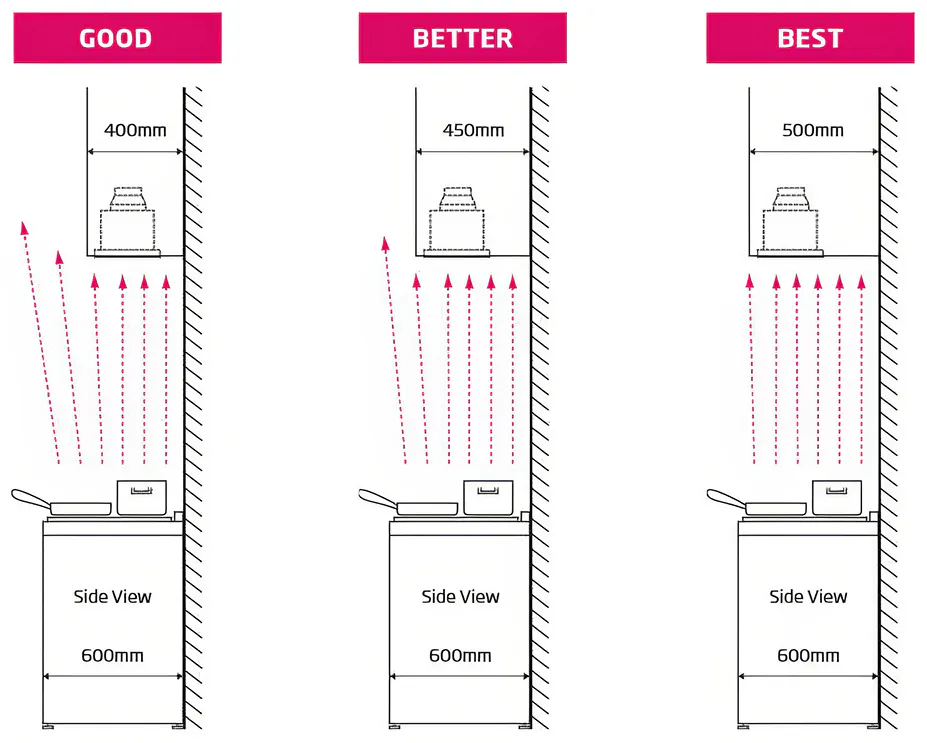
Credit: www.sydneyrangehoods.com.au
Ideal Range Hood Height
The ideal range hood height is crucial for both performance and safety. Setting the hood at the correct distance from the stove helps capture smoke, steam, and cooking odors efficiently. It also prevents heat damage to the hood and keeps your kitchen comfortable. The right height balances ventilation power and ease of use.
Standard Height Recommendations
Most range hoods should be installed between 24 and 30 inches above the cooking surface. This range works well for most stoves and cooktops. For electric stoves, 24 to 30 inches is typical. Gas stoves often need a little more space, usually 27 to 30 inches, due to higher heat output.
These measurements help the hood capture smoke without interfering with cooking. Too low can block your view and be a hazard. Too high reduces the hood’s ability to remove smoke and smells.
Factors Influencing Height
- Type of Stove:Gas stoves create more heat, needing more clearance.
- Hood Size:Larger hoods may require different heights for best airflow.
- Ceiling Height:Lower ceilings limit how high the hood can be installed.
- Ventilation Power:Stronger fans can work well even if the hood is placed higher.
- Manufacturer Guidelines:Always check the specific hood’s manual for recommended heights.
Adjusting the height based on these factors ensures your range hood works well and lasts longer. Proper installation improves kitchen safety and air quality.
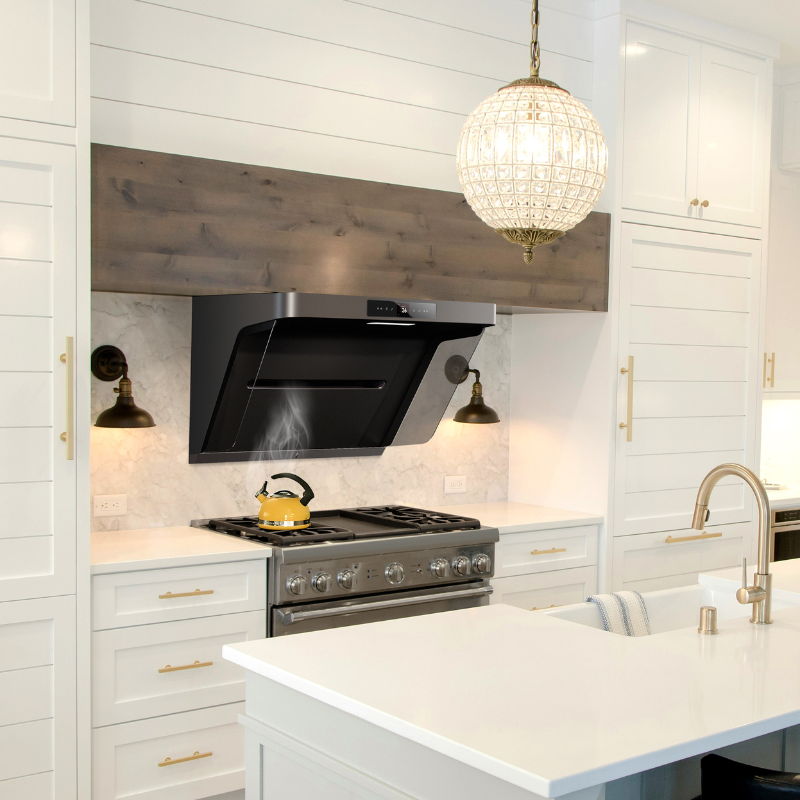
Credit: us.cleadeep.com
Impact On Performance
The height of your range hood above the stove directly affects how well it performs. This isn’t just about looks—it changes how effectively smoke, steam, and odors are removed from your kitchen. Setting the right height can improve air quality and keep your cooking space comfortable.
Ventilation Efficiency
If the range hood is too high, it struggles to capture all the rising smoke and fumes. You might notice lingering smells or greasy buildup on cabinets because the hood isn’t pulling air properly.
On the other hand, placing it too low can block your view or make cooking uncomfortable. The sweet spot usually lets the hood grab the smoke right at the source without getting in your way.
Think about your own kitchen: Have you felt smoke drifting even with your hood on? Adjusting the height might be the fix you need to clear the air faster.
Noise Levels
The height impacts noise, too. When the hood is set at the right distance, the fan doesn’t have to work as hard, which keeps noise down. Too far away, and the fan speeds up to compensate, making your kitchen louder.
Imagine cooking a quiet dinner while the hood hums in the background versus it sounding like a jet engine. Which would you prefer? The right height helps balance strong ventilation with a peaceful kitchen environment.
Types Of Range Hoods And Height
Choosing the right height for your range hood depends greatly on the type of hood you select. Different styles require different clearances to work efficiently and keep your kitchen safe. Understanding these variations helps you make a practical decision that suits your cooking habits and kitchen layout.
Under-cabinet Hoods
Under-cabinet hoods are installed directly beneath kitchen cabinets. Because they’re closer to your stove, the ideal height is usually between 20 and 24 inches above the cooking surface. This distance ensures effective smoke and odor capture without making your cooking area feel cramped.
If you place the hood too low, you might bump your head or restrict cooking space. Too high, and it won’t trap smoke properly. Have you measured your cabinet height? Adjusting it slightly can improve both safety and performance.
Wall-mounted Hoods
Wall-mounted hoods attach to the wall above your stove, often extending outwards. Their recommended height ranges from 24 to 30 inches above the cooktop. This setup balances capturing cooking fumes while giving you enough headroom.
These hoods come in various sizes and styles, so think about your stove size when deciding height. Taller hoods may require venting adjustments. What’s your kitchen wall space like? That can affect the hood’s position and effectiveness.
Island Hoods
Island hoods hang from the ceiling over a stove located on a kitchen island. Because they’re suspended in open space, the ideal height is usually between 28 and 36 inches above the cooking surface. This height prevents smoke from spreading and keeps your kitchen feeling open.
These hoods need careful placement since they don’t have walls or cabinets to support them. Are you planning ceiling reinforcements? Proper installation ensures safety and maximum airflow. Remember, the higher the hood, the less efficient it becomes at capturing smoke.
Safety Considerations
Safety is the top priority when installing a range hood above the stove. Proper height helps prevent fire hazards and ensures the hood works well. Understanding safety rules protects your kitchen and family.
Heat And Fire Safety
Range hoods face high heat from pots and pans. Too low placement risks heat damage to the hood. It can also cause a fire if the hood touches flames.
Keep the hood far enough to avoid heat buildup. Materials around the hood must resist heat and flames. Follow manufacturer rules for safe distances.
Clearance From Cooktop
Clearance means the space between the hood and cooktop surface. Proper clearance stops heat and smoke from harming the hood. It also gives enough room to cook safely.
Most experts suggest 24 to 30 inches clearance. Gas stoves often need more height than electric ones. Check your stove and hood guidelines for exact spacing.
- Too low: risk of fire and heat damage.
- Too high: poor smoke and odor removal.
- Right clearance: safe cooking and efficient ventilation.
Installation Tips
Installing a range hood at the right height ensures it works well and looks good. Proper installation helps remove smoke, steam, and odors effectively. Following some simple tips can make the process easier and improve kitchen safety.
Measuring Height Accurately
Start by measuring the distance from the stove’s cooking surface to the bottom of the hood. Use a tape measure for exact numbers. Most range hoods fit well between 24 and 30 inches above the stove. Check the hood’s manual for specific height recommendations. Mark the wall clearly before drilling or mounting. Double-check the measurements to avoid errors. Accurate height helps the hood capture smoke better and prevents heat damage.
Adjusting For Stove Type
Different stoves need different hood heights. Gas stoves produce more heat and flames, so place the hood higher, around 28 to 30 inches. Electric stoves run cooler, so set the hood lower, near 24 to 27 inches. Consider the stove size too; larger stoves need wider and possibly higher hoods. Keep in mind the hood’s fan strength and vent type. Adjust the height for best air flow and kitchen comfort.

Credit: www.2pacific.com
Common Mistakes To Avoid
Placing your range hood at the right height is crucial for its performance, but many people make mistakes that reduce its effectiveness or cause installation problems. Understanding what to avoid can save you from costly fixes and frustration. Let’s look at common pitfalls that often go unnoticed when setting up a range hood above your stove.
Installing The Range Hood Too Low
Putting the hood too close to the stove might seem like a good idea for better smoke capture. However, it can block your cooking space and create a fire hazard. You also risk damaging the hood from heat exposure.
Think about your own kitchen: does the hood feel cramped or uncomfortable to use? Adjusting the height can improve both safety and cooking comfort.
Mounting The Range Hood Too High
On the flip side, placing the hood too high reduces its ability to capture smoke and odors. The further away it is, the more air escapes, making your kitchen smell and stay smoky longer.
Ask yourself if your current setup traps steam and smoke effectively. If not, lowering the hood could make a big difference.
Ignoring Manufacturer’s Height Recommendations
Each range hood comes with specific installation guidelines. Skipping these can lead to poor performance and warranty issues. You might think your kitchen is unique, but manufacturers test their products for optimal height ranges.
Follow the recommended measurements closely to avoid unexpected problems.
Overlooking Ventilation Duct Requirements
The hood’s height affects how well the duct works. If the hood is too high or too low, it can cause airflow resistance or leaks. This reduces the hood’s efficiency and can increase energy use.
Have you checked if your duct system supports your chosen hood height? Proper ventilation setup is as important as the hood placement itself.
Not Considering Your Stove Type
Different stoves produce different amounts of heat and smoke. A gas stove typically needs the hood closer than an electric one. Ignoring this can mean your hood struggles to keep the air clean.
Think about what you cook most and adjust the hood height accordingly. This small change can improve your kitchen’s air quality significantly.
Frequently Asked Questions
How High Should A Range Hood Be Above The Stove?
A range hood should be installed 24 to 30 inches above the stove. This height optimizes smoke and odor capture while preventing heat damage to the hood.
Does Hood Height Affect Ventilation Efficiency?
Yes, proper hood height ensures effective smoke and odor removal. Too high or too low reduces ventilation efficiency and increases kitchen pollution.
What Is The Ideal Range Hood Height For Gas Stoves?
For gas stoves, 27 to 30 inches is ideal. Gas stoves produce more heat, so maintaining this distance prevents damage and improves ventilation.
Can A Range Hood Be Installed Too Low?
Installing a hood too low can block cooking space and risk fire hazards. It also traps steam and grease, reducing hood lifespan.
Conclusion
Choosing the right height for your range hood helps keep your kitchen clean. It removes smoke, steam, and odors quickly. Too low can block your view and be unsafe. Too high will not capture the air well. Aim for the recommended height to get the best performance.
This small step makes cooking more comfortable and your kitchen fresher. Remember, a well-placed range hood works better and lasts longer. Keep these tips in mind for a healthier cooking space.