
Are you in the midst of a kitchen renovation or simply looking to upgrade your cooking space? If so, understanding the optimal height for your range hood can make a significant difference in your kitchen’s functionality and aesthetics.
Imagine cooking without the worry of smoke, odors, or grease lingering in your space. A well-placed range hood ensures your kitchen remains a clean, inviting environment. But how high should it be? This crucial detail can impact both the performance of your hood and your overall cooking experience.
Dive into this guide, and you’ll discover the perfect range hood height tailored to your needs, ensuring your kitchen remains both stylish and efficient.
Ideal Height For Range Hoods
Choosing the right height for a range hood affects kitchen comfort and safety. The ideal height ensures smoke, steam, and odors are removed properly. It also keeps the kitchen looking balanced and works well with your stove size. Setting the range hood too high or too low can reduce its effectiveness.
Standard Height Recommendations
Most range hoods should be installed 24 to 30 inches above the cooking surface. This range fits most stoves and offers good ventilation. For electric stoves, 24 to 30 inches is typical. Gas stoves often require 27 to 30 inches for safety. Always check the manufacturer’s instructions for exact height.
Factors Influencing Height
- Type of stove: Gas or electric
- Range hood size and power
- Kitchen ceiling height
- User height and comfort
- Local building codes
Each factor affects where the hood should be placed. Higher ceilings may need custom installation. Powerful hoods can be installed slightly higher. Safety is key with gas stoves, as flames need more clearance.
Impact On Ventilation Efficiency
Proper height improves the hood’s ability to capture smoke and fumes. Too low blocks your view and may cause heat damage. Too high lets smoke escape before extraction. The right height creates strong airflow and keeps your kitchen air clean.
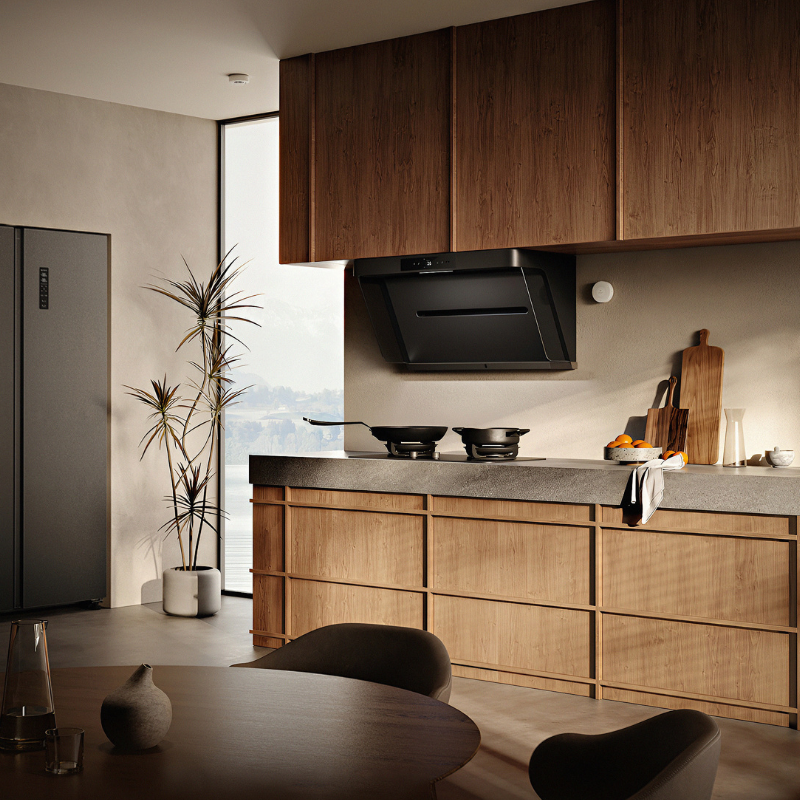
Credit: us.cleadeep.com
Types Of Range Hoods And Their Heights
Choosing the right height for your range hood depends heavily on the type you install. Each style has its own ideal mounting height to ensure effective ventilation and safety. Understanding these differences can help you get the best performance and keep your kitchen comfortable.
Wall-mounted Hoods
Wall-mounted hoods attach directly to the wall above your stove. They usually need to be installed higher than other types, typically between 24 to 30 inches above the cooktop. This height balances good smoke capture without interfering with your headspace.
If your ceiling is low, consider a hood with adjustable height or a slim profile. Have you noticed how some wall-mounted hoods feel less intrusive in compact kitchens? That’s often due to careful height placement.
Under-cabinet Hoods
These hoods fit beneath your kitchen cabinets and are popular in many homes. The recommended height here is generally 20 to 24 inches above the stove. This keeps the hood close enough to catch steam but far enough to avoid heat damage to the cabinets.
Since under-cabinet hoods are limited by cabinet height, measuring carefully before installation is crucial. You might want to add a heat shield if your cabinets are very close. What’s your kitchen layout like? This might influence your choice.
Island Hoods
Island hoods hang from the ceiling over stoves located on kitchen islands. They typically require more clearance, often between 28 to 36 inches above the cooktop. This ensures strong ventilation without obstructing your view or workspace.
Because island hoods are more visible, their height can also affect your kitchen’s aesthetics. Have you seen how a properly positioned island hood becomes a centerpiece? Getting the height right helps it look balanced and functional.
Measuring For Perfect Placement
Measuring the right height for your range hood is key to its performance. Proper placement ensures better smoke and odor removal. It also keeps your cooking space safe and comfortable. Accurate measurements avoid costly mistakes and adjustments later.
Tools Needed
- Tape measure
- Step stool or ladder
- Level tool
- Pencil or marker
- Stud finder (optional)
Step-by-step Measurement Guide
Start by measuring the distance from the cooktop to the ceiling. Next, check the recommended height from your range hood’s manual. Mark the desired height on the wall above the cooktop. Use a level to draw a straight line at the mark. Measure the width of your range hood to center it properly. Find and mark the studs for secure mounting. Finally, double-check all measurements before installation.
Common Mistakes To Avoid
- Ignoring manufacturer’s height recommendations
- Measuring from the wrong points
- Not centering the hood over the cooktop
- Failing to find studs for mounting
- Overlooking clearance for cooking pots and pans
Safety And Building Codes
Ensuring your range hood is installed at the right height is not just about aesthetics or performance—it’s also a matter of safety and compliance. Ignoring safety standards or building codes can lead to hazards and costly repairs. Let’s look at what you need to know to keep your kitchen safe and up to code.
Local Regulations
Building codes for range hood installation vary depending on where you live. Many cities and states have specific rules about how far the hood must be from the cooktop. Checking with your local building department can save you from unexpected fines or having to redo the work.
For example, some areas require a minimum height to avoid interference with electrical wiring or gas lines. Others might have restrictions based on the type of cooking equipment you have. Have you checked the regulations in your area before starting installation?
Clearance Requirements
Clearance is critical for both safety and performance. Most manufacturers recommend a range hood be installed between 24 and 30 inches above an electric cooktop, and 30 to 36 inches above a gas stove. This distance helps capture smoke and grease effectively without getting too close to the heat source.
Too low, and the hood can become a fire hazard or get damaged by heat. Too high, and it won’t properly ventilate your kitchen. You need to measure carefully and follow the specific clearance guidelines provided with your range hood model.
Fire Safety Considerations
Heat and grease buildup are major fire risks in kitchens. Your range hood must be installed to minimize these dangers. Non-combustible materials around the hood and proper clearance help prevent fires from spreading.
Also, make sure your hood has a grease filter that is easy to clean or replace. Grease traps can ignite if left unattended. How often do you clean your hood filters? Regular maintenance is just as important as proper installation for fire safety.
Installation Tips From Experts
Installing your range hood at the right height is more than just a measurement—it’s about making sure it works efficiently and looks great in your kitchen. Experts emphasize that careful planning during installation can save you from common issues like poor ventilation or unstable mounting. Here are some practical tips from pros to get your range hood installed perfectly.
Aligning With Cooktop Size
Your range hood should match the size of your cooktop to capture smoke and odors effectively. If your cooktop is 30 inches wide, aim for a hood that’s the same width or slightly wider. This alignment ensures maximum coverage and prevents cooking fumes from escaping into your kitchen.
Think about your cooking style too. If you often use multiple burners at once, a wider hood can handle the increased airflow demand. Are you using an oversized range? Then definitely go for a larger hood to avoid gaps in coverage.
Securing The Hood Properly
Stability is key to avoid vibrations and noise. Experts recommend anchoring your hood into wall studs or ceiling joists instead of drywall alone. This provides a strong, lasting hold that won’t loosen over time.
Use appropriate mounting hardware based on the hood’s weight and the wall material. Don’t rush this step; a poorly secured hood can lead to safety hazards and costly repairs. Have you double-checked your measurements and mounting points before drilling?
Optimizing Airflow
Airflow depends on both hood height and ductwork design. Place your range hood at the height suggested by the manufacturer, typically between 24 to 30 inches above the cooktop, to balance effective suction and user comfort. Too high, and the hood won’t capture smoke well; too low, and it may interfere with cooking.
Keep duct runs as short and straight as possible to minimize air resistance. Use smooth, rigid ducts instead of flexible ones to improve airflow efficiency. Have you inspected your duct path to avoid unnecessary bends or restrictions?

Credit: www.myrustica.com
Troubleshooting Height Issues
Range hood height plays a big role in kitchen safety and air quality. Sometimes, the hood is installed too high or too low. This causes poor smoke and odor removal. Troubleshooting these height problems helps improve kitchen comfort and appliance efficiency.
Knowing how to spot and fix height issues saves time and cost. It also avoids damage to the kitchen walls or cabinets. Simple adjustments can make a big difference in hood performance.
Dealing With Too High Or Too Low Installation
When the range hood is too high, it cannot capture smoke well. Cooking smells spread around the kitchen. The hood also works harder, using more energy. Too low installation blocks your view and can cause head bumps.
Adjusting height means balancing safety and effectiveness. The ideal height for most hoods is between 24 and 30 inches above the cooktop. Check your hood’s manual for exact guidelines.
Adjustments After Installation
Some range hoods allow height adjustments after installation. You can raise or lower the hood by loosening screws or moving brackets. For fixed hoods, consider adding spacers or changing the mounting position.
Always turn off power before making adjustments. Test the hood after changes to ensure it works well. Check airflow and noise levels to confirm the fix.
Signs Of Poor Installation
- Smoke or steam escapes from the cooking area.
- Strong cooking odors linger in the kitchen.
- Noise levels increase when the hood runs.
- Hood feels unstable or wobbly on the wall.
- Visible damage to walls or cabinets near the hood.
Spotting these signs early helps avoid bigger problems. Fixing installation errors improves air quality and kitchen safety.

Credit: www.create-enjoy.com
Frequently Asked Questions
How High Should A Range Hood Be Installed?
A range hood should be installed 24 to 30 inches above the cooktop. This height ensures optimal smoke and odor extraction without interfering with cooking.
Does Hood Height Vary By Cooktop Type?
Yes, electric cooktops usually require 24 to 30 inches, while gas cooktops need 27 to 30 inches for safe ventilation and performance.
What Happens If A Range Hood Is Too High?
If installed too high, the hood won’t capture smoke efficiently. This reduces air quality and allows odors and grease to spread in your kitchen.
Can A Range Hood Be Installed Too Low?
Installing a hood too low can obstruct cooking space and pose a fire hazard. It may also cause heat damage to the hood unit.
Conclusion
Choosing the right height for your range hood matters a lot. It helps remove smoke, steam, and smells from cooking. Too high, and it won’t work well. Too low, and it might block your view or hit your head. Most range hoods fit best between 24 to 30 inches above the stove.
This keeps your kitchen fresh and safe. Remember, the right height makes cooking more comfortable and your kitchen cleaner. Keep these tips in mind for a better cooking space.