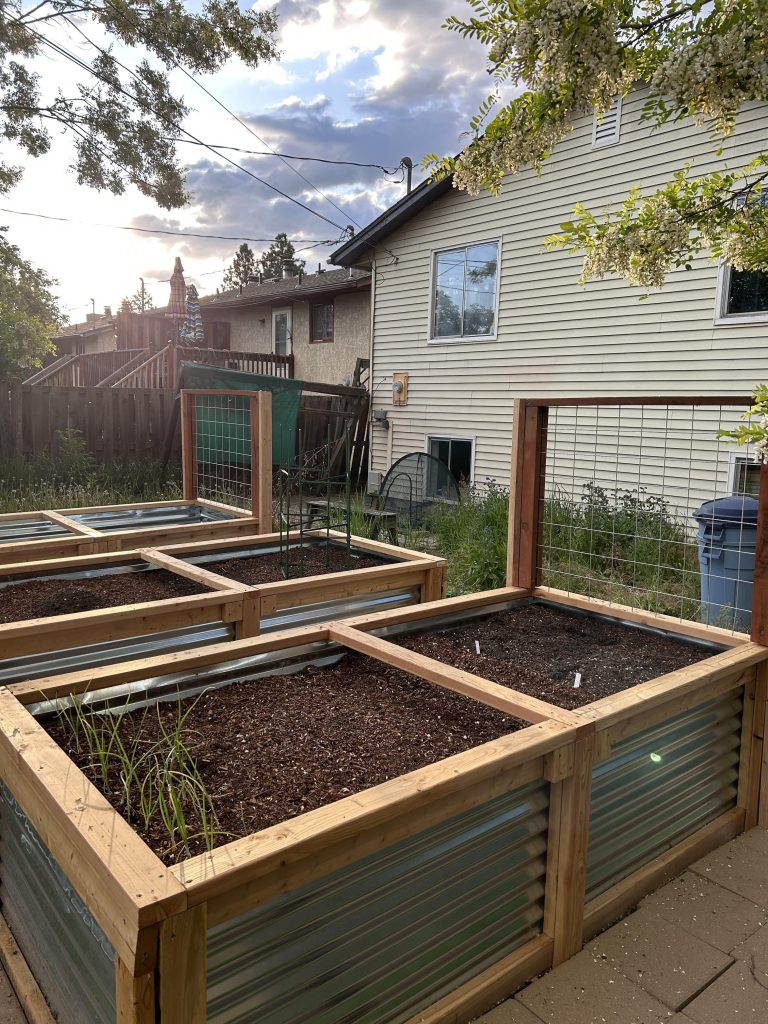
Are you ready to build a raised garden bed but unsure how high it should be? The height of your garden bed can make a big difference in how easy and enjoyable your gardening will be.
Whether you want to save your back from bending, improve soil drainage, or grow healthier plants, finding the right height is key. You’ll discover the perfect raised bed height for your needs, along with tips to make your gardening experience smoother and more productive.
Keep reading to unlock the secrets to a thriving garden that fits you perfectly!
Benefits Of Raised Garden Beds
Raised garden beds make gardening easier and more efficient. They help grow healthy plants in small spaces.
These beds improve soil quality and protect plants from pests. They also reduce strain on your back.
Better Soil Drainage
Raised beds let water drain well. This prevents water from sitting around plant roots.
Good drainage helps roots grow strong and stops root rot. It makes plants healthier overall.
Improved Soil Quality
You can fill raised beds with rich, loose soil. This gives plants the nutrients they need.
Controlling soil type reduces weeds and hard soil problems. It creates a better growing space.
Easier Access And Maintenance
Raised beds are higher than ground level. This makes planting and weeding easier on your back.
Gardeners can reach plants without bending too much. It saves time and effort in garden care.
Better Pest Control
Raised beds create a barrier against some pests. It is harder for insects and small animals to reach plants.
You can add covers or nets more easily. This protects plants without using chemicals.
Extended Growing Season
Soil in raised beds warms up faster in spring. This helps plants grow earlier in the year.
Raised beds also drain water better in wet seasons. This keeps plants from sitting in cold, wet soil.

Credit: www.seattleurbanfarmco.com
Factors Influencing Bed Height
Raised garden beds come in many heights. Choosing the right height helps plants grow well. It also makes gardening easier and suits your climate.
We will look at key factors that affect the height of your raised garden bed. These include soil needs, root depth, ease of use, and weather.
Soil Depth Requirements
Different plants need different soil depths. Some grow well in shallow soil, others need deep soil. The soil must hold enough nutrients and water for healthy roots.
- Shallow-rooted plants like lettuce need 6 to 8 inches of soil.
- Medium-rooted plants like carrots need 12 to 18 inches.
- Deep-rooted plants like tomatoes need 18 to 24 inches or more.
Plant Root Systems
Plant roots grow down to find water and nutrients. The root system type shapes bed height needs. Taproots go straight down; fibrous roots spread wide. Raised beds should be deep enough for roots to grow freely.
| Root Type | Example Plants | Recommended Bed Height |
| Taproot | Carrots, Parsnips | 12–24 inches |
| Fibrous | Lettuce, Spinach | 6–12 inches |
| Mixed | Tomatoes, Peppers | 18–24 inches |
Gardener’s Accessibility
Raised beds should be easy to reach and tend. Taller beds help people with back or knee problems. Bed height also affects how you water and harvest plants.
- Lower beds (6–12 inches) suit able gardeners who can bend easily.
- Medium beds (12–18 inches) balance soil depth and comfort.
- Taller beds (24 inches or more) help reduce bending and kneeling.
Climate Considerations
Climate affects how warm or cold your soil stays. Raised beds warm faster in spring and drain well. Taller beds dry out quicker in hot weather but stay warmer in cold weather.
| Climate | Bed Height Advice |
|---|---|
| Cold | Use taller beds (18–24 inches) to warm soil quickly. |
| Hot and Dry | Use moderate height (12–18 inches) to balance moisture retention. |
| Wet | Use taller beds (18 inches or more) for better drainage. |
Standard Height Recommendations
Raised garden beds help improve soil and plant health. Choosing the right height makes gardening easier and more productive.
The bed height depends on what you want to grow. Different plants have different root and space needs.
For Vegetables
Vegetables need enough soil depth for roots to spread. Most vegetables do best in beds that are 12 to 18 inches tall.
- Leafy greens grow well in 12-inch beds
- Root vegetables like carrots need 18 inches
- Tomatoes and peppers prefer 12 to 18 inches
For Flowers
Flower beds can vary in height based on plant type. Most flowers do well in beds 8 to 12 inches tall.
| Flower Type | Recommended Bed Height |
| Annuals | 8–12 inches |
| Perennials | 12–18 inches |
| Tall flowers | 18 inches or more |
For Herbs
Herbs need shallow soil for their roots. Raised beds of 6 to 12 inches work best for most herbs.
- Basil and parsley do well in 6 to 8 inch beds
- Rosemary and thyme prefer 8 to 12 inch beds
- Deeper beds help with better drainage

Credit: www.hgtv.com
Customizing Bed Height
Raised garden beds come in many heights. Choosing the right height helps your garden thrive. It also makes gardening easier and more comfortable.
Think about your needs before building your raised bed. Height depends on your body, plants, and style preferences.
For Physical Limitations
Raised bed height can ease gardening for people with physical limits. A taller bed can reduce bending and kneeling. This helps prevent back and knee pain.
- Height of 24 to 36 inches suits most wheelchair users.
- 20 to 30 inches is good for gardeners who stand mostly.
- Lower beds, 12 to 18 inches, work if bending is not a problem.
For Different Crops
Crops need different soil depths for healthy roots. Choose bed height based on the plants you want to grow.
| Crop Type | Ideal Bed Height |
| Shallow-rooted (lettuce, spinach) | 6-12 inches |
| Medium-rooted (tomatoes, peppers) | 12-18 inches |
| Deep-rooted (carrots, potatoes) | 18-24 inches or more |
For Aesthetic Preferences
Raised bed height affects your garden’s look. Choose height to match your garden style and surrounding space.
Tips for aesthetic bed height:
- Short beds (8-12 inches) create a neat, low profile.
- Taller beds (18-24 inches) stand out and add structure.
- Mix heights for a layered garden design.
Materials And Construction Tips
Raised garden beds need strong materials to last long. Choosing the right height and build helps plants grow well.
This guide covers durable materials, stable building methods, and good water drainage ideas.
Choosing Durable Materials
Wood, metal, and stone are popular for raised beds. Wood should be rot-resistant like cedar or redwood. Avoid treated wood that may harm plants.
- Cedar wood lasts many years and resists bugs.
- Metal is strong but can heat up quickly in sun.
- Stone is durable but hard to move and build with.
- Plastic or composite materials resist weather but may cost more.
Building For Stability
Stable beds hold soil and plants safely. Use strong corner posts to keep walls from bowing out. Screws work better than nails for a firm hold.
| Tip | Why It Helps |
| Use 2×6 or 2×8 boards | Keeps bed walls firm and holds more soil |
| Install corner braces | Prevents corners from loosening |
| Place beds on level ground | Stops soil from shifting or washing away |
| Fill bottom with gravel | Improves drainage and bed weight |
Water Drainage Solutions
Good drainage stops water from pooling. It protects roots from rotting and keeps soil healthy.
Drainage tips to try:
- Drill small holes in wooden bed sides to help water flow.
- Use a layer of gravel or coarse sand at the bottom.
- Keep bed height around 12 to 24 inches for better moisture control.
- Place beds where water drains naturally away.

Credit: www.reddit.com
Maintenance And Care
Raised garden beds need regular care to keep plants healthy. Good maintenance helps your garden grow strong. It also makes work easier and more fun.
Knowing how high your garden beds should be affects how you take care of them. Proper height helps with watering, weeding, and soil care.
Soil Health Management
Keep soil rich and loose for healthy plant roots. Test soil every year to check nutrients. Add compost or organic matter to improve soil quality.
Good drainage is important. Raised beds that are 12 to 24 inches high usually drain well. Avoid soil compaction by not stepping inside beds.
- Test soil pH and nutrients yearly
- Add compost or aged manure each season
- Keep soil loose by gentle tilling or turning
- Use mulch to keep moisture and reduce weeds
Seasonal Adjustments
Change your care based on the season for best results. In spring, prepare beds by removing old plants and adding fresh soil. Summer needs regular watering and weeding.
Fall is good for adding mulch and compost. Winter beds may need protection with covers or extra mulch to keep soil warm and alive.
- Spring: Clean beds and add fresh soil
- Summer: Water often and remove weeds
- Fall: Mulch and add compost
- Winter: Protect beds from cold
Pest And Disease Prevention
Raised beds can lower some pest problems but not all. Keep plants healthy to fight disease. Remove dead leaves and debris regularly.
Use barriers or row covers to stop insects. Rotate crops each year to prevent soil diseases. Check plants often for early signs of pests.
- Remove dead plant material quickly
- Use physical barriers like nets or covers
- Rotate crops to reduce disease
- Inspect plants weekly for pests
Frequently Asked Questions
How Tall Should Raised Garden Beds Be For Easy Gardening?
Raised garden beds should ideally be 12 to 24 inches tall. This height allows easy access for planting and maintenance. It also provides enough soil depth for most vegetables and flowers to grow well. Taller beds can benefit those with mobility issues.
Does Bed Height Affect Soil Drainage And Plant Growth?
Yes, taller beds improve soil drainage and root development. They prevent waterlogging and promote healthier plants. Proper height ensures roots have enough space to expand. This leads to stronger, more productive plants.
Can Raised Beds Be Too Tall For Gardening?
Raised beds taller than 36 inches can be difficult to manage. Excessive height may cause soil to dry out faster. It also complicates planting and harvesting. Choose a height that balances comfort and plant needs.
What Is The Best Height For Raised Beds For Kids?
Raised beds around 12 to 18 inches high work well for children. This height is accessible and safe for kids to reach plants. It encourages hands-on gardening and learning without strain.
Conclusion
Choosing the right height for raised garden beds makes gardening easier. Taller beds reduce bending and protect plants better. Shorter beds cost less and warm up faster in spring. Think about your needs, space, and comfort. A good height helps plants grow strong and healthy.
Start with a height that fits your body and garden style. Adjust as you learn what works best. Happy gardening starts with the right bed height. Simple steps lead to great results!