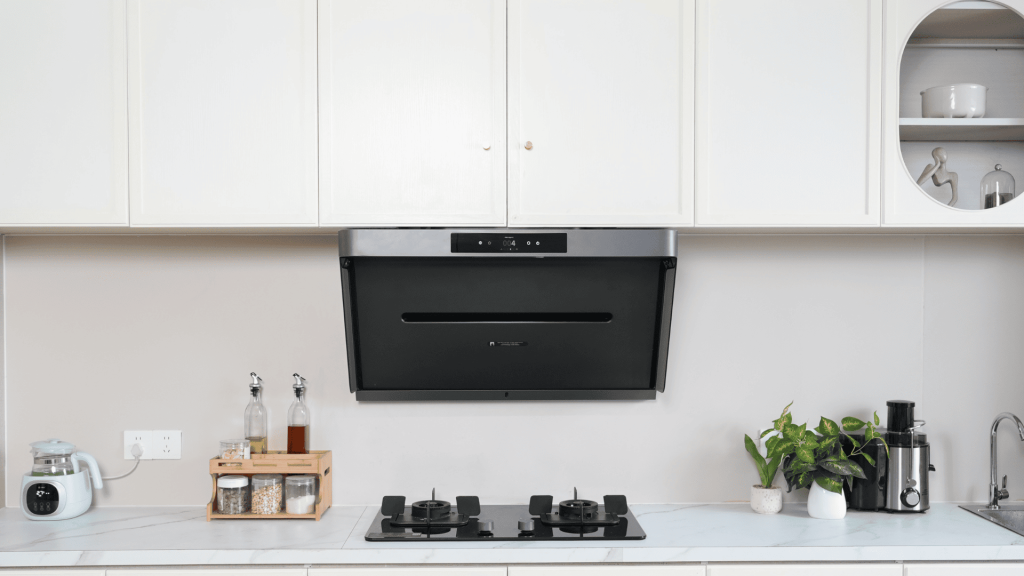
Are you planning a kitchen remodel or simply upgrading your cooking space? One detail that often gets overlooked is the placement of your range hood.
How high should it really be? You might think it’s just about aesthetics, but the height of your range hood can significantly impact your cooking experience and even your health. If it’s too low, it might become a head-bumping nuisance.
Too high, and it might not effectively clear the air. Getting it just right is crucial for optimal ventilation and comfort. We’ll explore the ideal range hood height to ensure your kitchen is both functional and fabulous. Stick around to make sure your kitchen becomes the haven you’ve always dreamed of.
Ideal Height For Range Hoods
Finding the ideal height for your range hood is key to both effective ventilation and a comfortable cooking experience. Too high, and it won’t capture smoke and odors well. Too low, and it could block your view or even cause safety issues.
Standard Height Recommendations
Most range hoods are installed between 24 and 30 inches above the cooktop. This range works well for standard ceiling heights and typical cooktop designs.
For electric cooktops, aim for around 24 to 30 inches. Gas cooktops usually need a bit more clearance, typically 27 to 30 inches, to handle the higher heat safely.
| Cooktop Type | Recommended Hood Height |
|---|---|
| Electric | 24 – 30 inches |
| Gas | 27 – 30 inches |
Factors Influencing Height Choice
Think about the size of your range hood. Larger hoods might need to be installed a bit higher to avoid overwhelming your cooking space.
Your kitchen ceiling height and the type of cooktop matter too. If you have a tall ceiling or a powerful stove, adjusting the hood height can improve ventilation and comfort.
- Ceiling Height:Taller ceilings can accommodate higher hood installation.
- Cooking Style:Frequent high-heat cooking may require more space for safety.
- Hood Power:Stronger ventilation systems might allow for higher placement.
Have you measured your cooking space and considered how you use your stove? These details help you decide the best height for your range hood to keep your kitchen fresh and safe.
Types Of Range Hoods And Height Variations
Range hoods come in various styles, and each type requires a specific height to work effectively. Understanding these differences helps you place your hood at the perfect level to capture smoke and odors efficiently. Let’s look at common types of range hoods and how their height settings vary based on design and kitchen layout.
Under-cabinet Hoods
Under-cabinet hoods are installed directly beneath kitchen cabinets, making them a popular choice for traditional kitchens. Typically, these hoods should be mounted between 20 and 24 inches above the cooking surface. This height keeps them close enough to trap steam and grease but high enough to avoid interfering with your cooking space.
If your cabinets are lower or higher than standard, you might need to adjust this height slightly. Have you noticed how a hood placed too low can feel cramped? On the other hand, placing it too high reduces its effectiveness in capturing smoke.
Wall-mounted Hoods
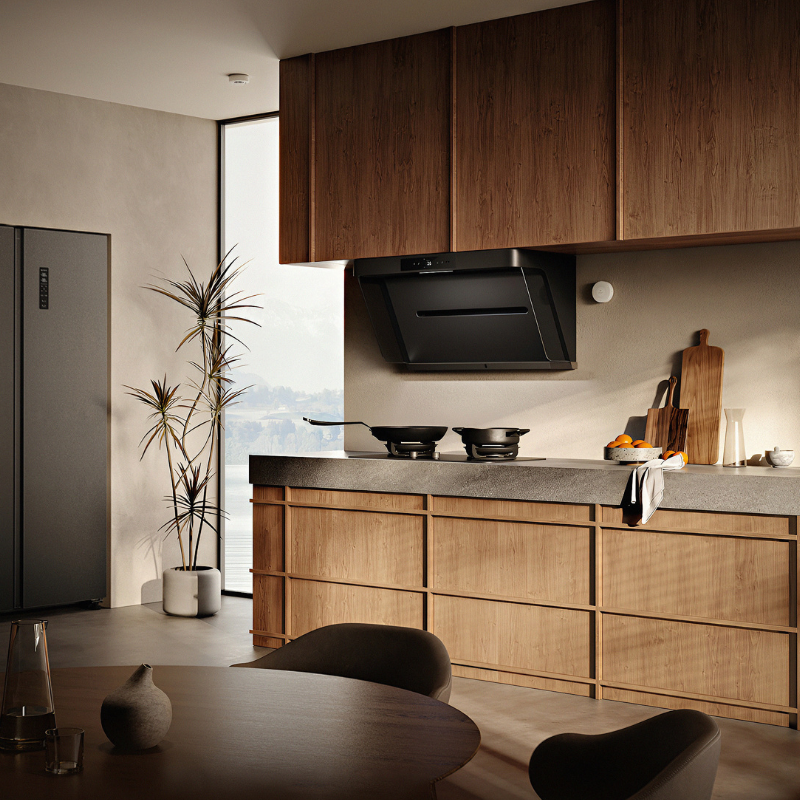
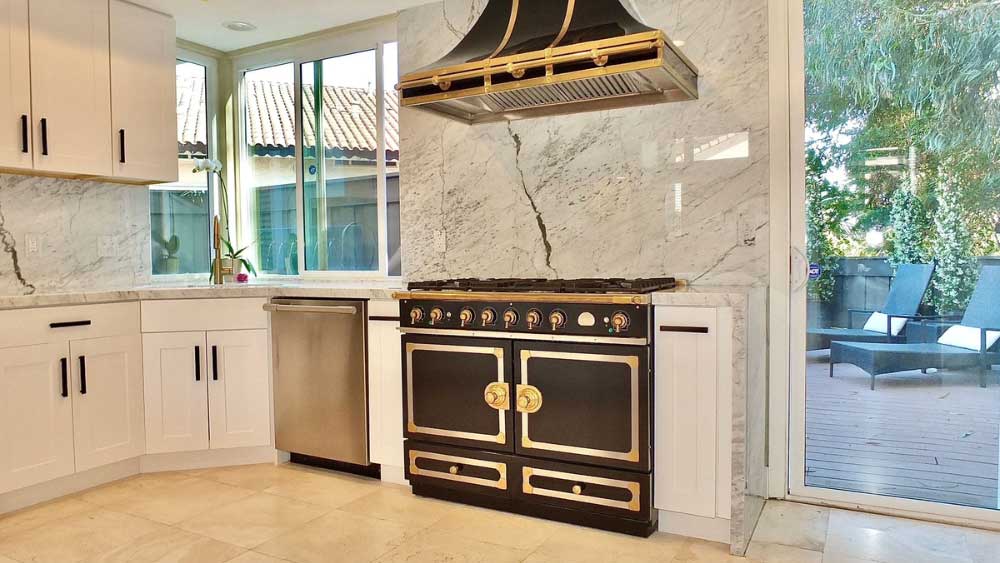
Wall-mounted hoods are attached to the wall above your stove and often serve as a focal point in kitchen design. They usually require a height between 24 and 30 inches above the cooktop. This range balances powerful extraction with user comfort, preventing you from hitting your head while cooking.
Since these hoods are more visible, their size and height also affect your kitchen’s look. Have you considered how the hood’s height might impact the overall style of your space? Choosing the right height can enhance both function and aesthetics.
Island Hoods
Island hoods hang from the ceiling above cooking islands, where no walls are available for mounting. Because of their design, they need to be positioned between 28 and 36 inches above the cooktop. This higher placement ensures that the hood covers the cooking area effectively without obstructing views or movement.
Keep in mind that island hoods often have a larger footprint to cover multiple burners. Does your cooking island require a wider or more powerful hood? Setting the correct height here is crucial to maintain airflow and kitchen openness.
Impact Of Hood Height On Performance
The height of a range hood greatly affects its overall performance. Setting the hood too high or too low changes how well it removes smoke and odors. It also impacts noise levels and safety in the kitchen. Proper height ensures the hood works efficiently and keeps the cooking area comfortable.
Ventilation Efficiency
The right hood height improves the capture of smoke and steam. If the hood is too high, it may miss smoke rising from pots and pans. Too low, it can block your cooking space. The ideal height allows strong airflow and better removal of heat and odors.
Noise Levels
Hood height also affects noise during operation. A hood placed too close can cause louder sounds. This happens because air moves faster in a smaller space. Raising the hood slightly can reduce noise and create a quieter kitchen environment.
Safety Considerations
Safety is important when choosing hood height. A low hood can be a hazard, especially with tall burners or large pots. It may cause burns or block your view. A higher hood keeps cooking safe and gives enough space for comfortable use.

Credit: www.create-enjoy.com
Measuring And Installing Range Hoods
Measuring and installing a range hood correctly ensures safe and effective kitchen ventilation. Proper height improves air flow and removes smoke, steam, and odors efficiently. Precise measurements prevent installation errors and keep your cooking space comfortable.
This section covers the essential tools and materials. It also provides clear steps for a smooth installation process.
Tools And Materials Needed
- Measuring tape
- Level
- Pencil or marker
- Drill with bits
- Screwdriver
- Stud finder
- Range hood unit
- Mounting brackets or screws
- Vent duct (if required)
- Electrical wiring tools
- Safety goggles and gloves
Step-by-step Installation Guide
- Measure the distance from the cooktop to the bottom of the hood.
- Mark the mounting points on the wall using a pencil.
- Use a stud finder to locate wall studs for secure mounting.
- Drill holes at the marked points for screws or anchors.
- Attach mounting brackets firmly to the wall.
- Lift the range hood and secure it to the brackets.
- Connect the ductwork to the hood vent outlet if required.
- Complete electrical wiring according to the manufacturer’s instructions.
- Check that the hood is level and adjust if necessary.
- Test the range hood to ensure it works properly.
Common Mistakes To Avoid
Installing a range hood at the right height is crucial for its performance. Many make mistakes that reduce its efficiency or create safety risks. Avoiding these errors ensures proper ventilation and a safer kitchen.
Too High Or Too Low Placement
Mounting the range hood too high weakens its ability to capture smoke and odors. Cooking fumes can spread before reaching the hood. Placing it too low may block your view and create fire hazards. Proper height helps balance safety and ventilation power.
Ignoring Manufacturer Guidelines
Every range hood has specific installation instructions. These guidelines include the recommended height above the cooktop. Ignoring them can void warranties and reduce the hood’s effectiveness. Follow the manufacturer’s advice for best results and safety compliance.
Credit: us.cleadeep.com
Expert Tips For Optimal Setup
Setting your range hood at the right height ensures better kitchen air quality. Experts recommend considering stove type and airflow for the best setup. These tips help you install your range hood effectively for maximum performance and safety.
Adjusting For Stove Type
Gas stoves produce more heat and fumes than electric ones. Place the range hood lower over gas stoves to capture smoke and odors efficiently. For electric stoves, a higher placement works well without compromising extraction.
Follow these guidelines:
- Gas stoves: 24 to 30 inches above the cooktop
- Electric stoves: 20 to 24 inches above the cooktop
Adjust height based on stove size and hood power. Check manufacturer instructions for specific recommendations.
Ensuring Proper Airflow
Airflow depends on the hood’s height and duct system. Too high reduces suction; too low blocks cooking space. Aim for a balance that pulls air smoothly without disturbing cooking.
Keep these points in mind:
- Use a straight, short duct to avoid airflow loss
- Seal duct joints to prevent leaks
- Choose a hood with enough power for your kitchen size
Proper airflow keeps your kitchen fresh and smoke-free. Test the hood after installation to ensure strong, even suction.
Credit: blog.yaleappliance.com
Frequently Asked Questions
How High Should A Range Hood Be Installed?
A range hood should be installed 24 to 30 inches above the cooktop. This height ensures effective smoke and odor removal while maintaining safety and ease of use.
Does Hood Height Affect Ventilation Efficiency?
Yes, proper hood height maximizes ventilation efficiency. Too high reduces suction power, while too low risks heat damage and obstructs cooking.
What Is The Ideal Height For Wall-mounted Range Hoods?
Wall-mounted range hoods work best at 24 to 30 inches above the stove. This range balances ventilation performance and user comfort effectively.
Can Ceiling Height Change Hood Installation Height?
Ceiling height influences hood placement but not recommended height. Maintain 24 to 30 inches above cooktop regardless of ceiling height for optimal results.
Conclusion
Choosing the right height for your range hood matters a lot. It helps clear smoke and smells fast. Too low can block your cooking space. Too high may not catch all the steam. Aim for the recommended height for your stove type.
This keeps your kitchen fresh and safe. A well-placed hood makes cooking more comfortable. Keep these points in mind to get the best results. Your kitchen will feel cleaner and work better every day. Simple steps lead to great cooking experiences.