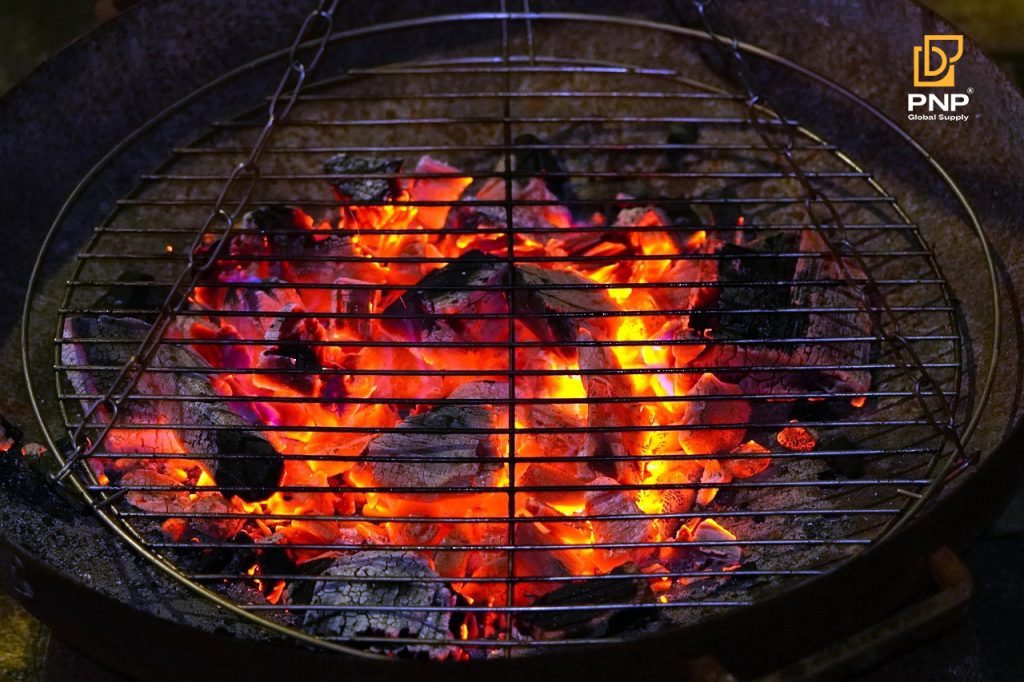
Have you ever wondered just how hot your charcoal grill can get? Knowing the temperature range of your grill can make all the difference between perfectly cooked food and a disappointing meal.
Whether you’re searing a steak or slow-cooking ribs, understanding your grill’s heat limits gives you the power to master your cooking. You’ll discover how hot a charcoal grill can really get and how to control that heat for the best results every time.
Keep reading—you’re about to unlock the secrets to grilling like a pro.
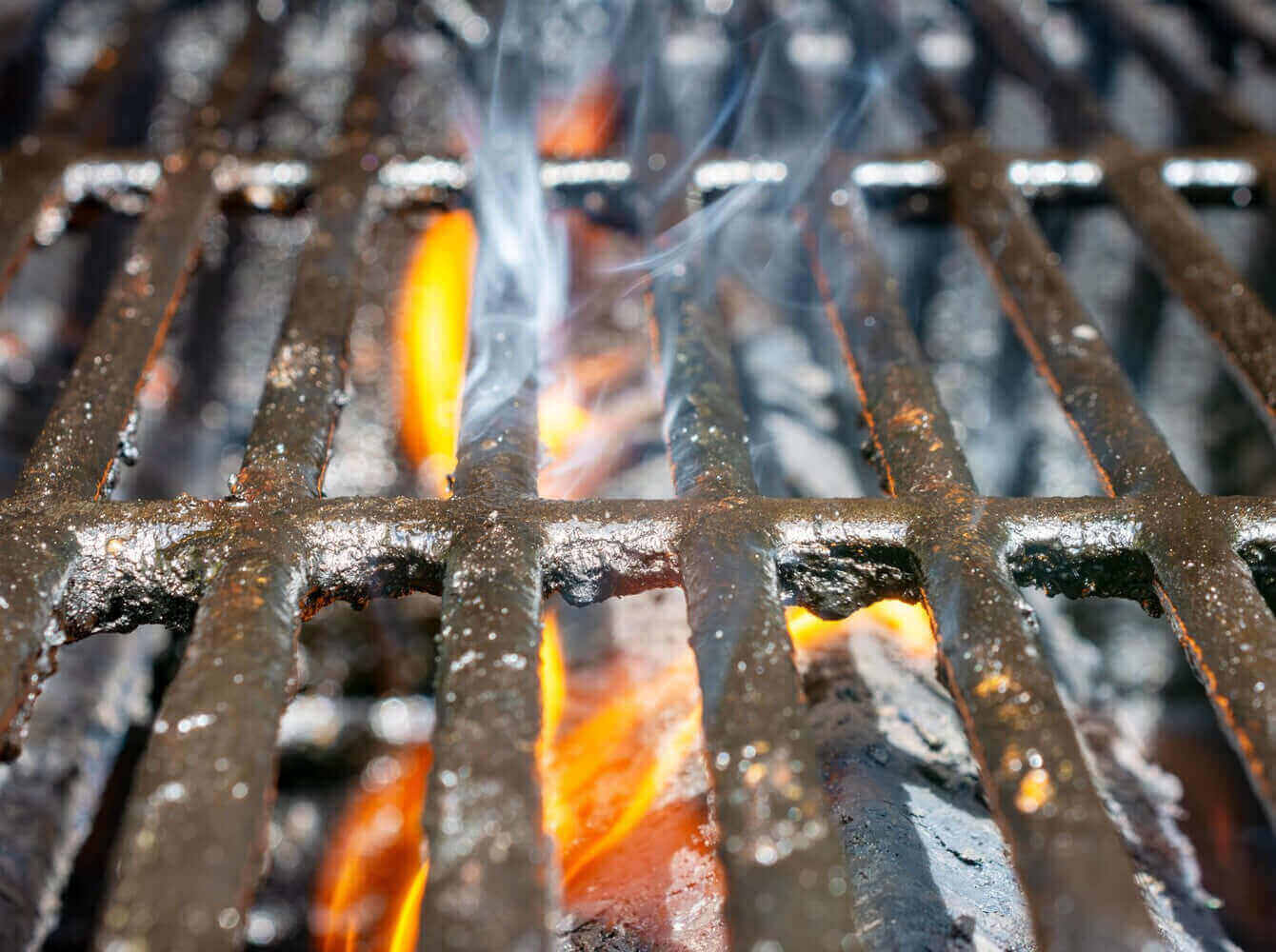
Credit: ddrbbqsupply.com
Charcoal Grill Heat Basics
Charcoal grills can reach high temperatures for cooking. Understanding heat basics helps you grill better.
Heat control depends on many things like charcoal type and airflow. Knowing these helps manage cooking times.
Factors Affecting Grill Temperature
Several factors change how hot a charcoal grill gets. Airflow is key because it feeds oxygen to the fire.
- Amount of charcoal used
- Type and size of charcoal pieces
- Air vents opened or closed
- Grill lid position
- Wind and outside temperature
Opening vents lets in more air, raising heat. Closing them lowers temperature by reducing oxygen.
Types Of Charcoal And Heat Output
Charcoal type affects heat level and burn time. Different charcoals give different temperatures.
| Charcoal Type | Typical Heat Range (°F) | Burn Time |
| Briquettes | 450 – 600 | Long (3-4 hours) |
| Lump Charcoal | 600 – 900 | Shorter (1-2 hours) |
| Instant Light | 350 – 500 | Medium (2-3 hours) |

Credit: www.ice.edu
Maximum Temperatures Of Charcoal Grills
Charcoal grills can reach high temperatures that make cooking flavorful and fast. Knowing how hot your grill can get helps you cook different foods properly.
This guide explains the typical heat ranges and the extreme heat levels that charcoal grills can achieve.
Typical Heat Range
Most charcoal grills heat between 225°F and 700°F. This range works well for many cooking styles like smoking, grilling, and searing.
- Low heat: 225°F to 275°F, good for slow cooking and smoking
- Medium heat: 300°F to 450°F, ideal for grilling vegetables and chicken
- High heat: 500°F to 700°F, perfect for searing steaks and burgers
Extreme Heat Levels Achievable
With the right setup, charcoal grills can reach temperatures above 900°F. These high temperatures help create a crispy crust on meats quickly.
| Temperature Range | Cooking Use |
| 700°F to 900°F | Fast searing of thick cuts |
| 900°F to 1100°F | Charcoal grilling with direct flame |
| Above 1100°F | Specialized grilling like pizza ovens |
Techniques To Boost Grill Heat
Charcoal grills can reach very high temperatures. You can use different techniques to boost the heat.
Mastering these techniques will improve your grilling experience. Let’s explore how to get your grill hotter.
Airflow Control
Airflow is key to controlling grill temperature. Adjust the vents to change the heat level.
- Open vents for more oxygen and higher heat.
- Close vents to reduce oxygen and lower heat.
- Monitor the grill temperature regularly.
Charcoal Arrangement
How you arrange charcoal impacts heat. Try different patterns for best results.
| Arrangement | Heat Level |
| Pile | High |
| Spread | Medium |
| Ring | Low |
Using Additional Fuel
Adding more fuel can increase grill heat. Choose the right type of fuel for best results.
Consider using wood chips or extra charcoal for higher heat. Always have a safe area to store extra fuel.
Heat Zones And Their Uses
Charcoal grills can reach very high temperatures. Knowing about heat zones helps you cook food perfectly. Heat zones let you control the cooking process better.
Different foods need different heat levels. Using heat zones lets you cook fast or slow as needed. This guide explains direct and indirect heat and how to manage heat zones.
Direct Vs Indirect Heat
Direct heat comes from charcoal placed under the food. It creates high temperatures for fast cooking. Indirect heat uses charcoal on one side only. Food cooks slowly on the cooler side.
- Direct heat:Best for searing steaks and burgers.
- Indirect heat:Ideal for roasting or smoking meats.
- High heat:Over 500°F for quick cooking.
- Medium heat:Around 350°F for even cooking.
- Low heat:Below 300°F for slow cooking or warming.
Managing Multiple Heat Zones
Creating multiple heat zones helps cook different foods at once. You can have hot and cool areas on the grill. Use these zones to control cooking speed and avoid burning.
| Heat Zone | Charcoal Setup | Uses |
|---|---|---|
| High Heat Zone | Charcoal piled directly under | Searing, quick cooking |
| Medium Heat Zone | Charcoal spread thinly | Cooking most foods evenly |
| Low Heat Zone | No charcoal or charcoal on one side | Slow cooking, warming |
Safety Tips For High Heat Grilling
Charcoal grills can reach very high temperatures, often over 700°F (370°C). These high temperatures cook food quickly but can be dangerous if you are not careful.
It is important to follow safety tips to prevent accidents and enjoy your grilling safely.
Preventing Flare-ups
Flare-ups happen when fat drips onto hot coals, causing flames to rise suddenly. These flames can burn food or cause injury.
To avoid flare-ups, keep the grill clean and control the fat on your food. Trim excess fat from meat before grilling.
- Keep a spray bottle of water nearby to control small flames.
- Do not overload the grill with food.
- Use long-handled tools to move food away from flare-ups.
- Close the grill lid to reduce oxygen and calm flames.
Handling Hot Equipment
Grill parts like lids, grates, and handles get very hot during cooking. Touching them without protection can cause burns.
Always use heat-resistant gloves and tools made for grilling. Avoid wearing loose clothes near the grill.
- Wear thick, heat-resistant gloves when adjusting the grill.
- Use long-handled tongs and spatulas to keep distance from heat.
- Keep children and pets away from the grill area.
- Place the grill on a stable, flat surface to avoid tipping.
Measuring And Monitoring Grill Temperature
Knowing the temperature of your charcoal grill is important for good cooking. The heat affects how your food cooks and tastes.
You can measure the grill temperature in different ways. This helps you keep the right heat for your recipes.
Using Built-in Thermometers
Many charcoal grills come with built-in thermometers on the lid. These show the temperature inside the grill.
Built-in thermometers are easy to use. You just watch the dial to see the heat level.
- Usually placed on the grill lid
- Shows temperature range from about 100°F to 700°F
- Helpful for checking heat without opening the grill
- May not always be very accurate
External Temperature Tools
External tools give more accurate temperature readings. They can measure both the grill and food temperature.
These tools include digital thermometers and infrared thermometers. They help you cook food perfectly.
- Digital probe thermometers: Insert probe into the food
- Infrared thermometers: Point at grill surface to read heat
- Wireless thermometers: Monitor temperature from a distance
- Can measure temperatures above 700°F

Credit: rocketfiretorch.com
Frequently Asked Questions
How Hot Can A Charcoal Grill Typically Get?
A charcoal grill can reach temperatures between 600°F and 700°F. With proper airflow and quality charcoal, it can even exceed 750°F for searing.
What Factors Affect A Charcoal Grill’s Maximum Temperature?
Airflow control, charcoal type, and grill size affect heat levels. More oxygen and premium lump charcoal boost the grill’s peak temperature.
Can A Charcoal Grill Get Hotter Than A Gas Grill?
Yes, charcoal grills can often reach higher temperatures than gas grills. They can exceed 700°F, while gas grills usually max out around 600°F.
How To Increase My Charcoal Grill’s Heat Output?
Increase airflow by opening vents fully and use lump charcoal. Arrange coals tightly for better heat concentration and quicker temperature rise.
Conclusion
Charcoal grills can reach very high temperatures, often over 700°F. This heat is perfect for searing meats quickly. Controlling airflow helps manage the grill’s temperature. Knowing how hot your grill can get improves cooking results. Enjoy grilling with confidence and tasty food every time.
Experiment carefully and find the best heat for your recipes. Grilling becomes easier and more fun with this knowledge. Keep safety in mind when handling high heat. Your charcoal grill offers great cooking power and flavor.