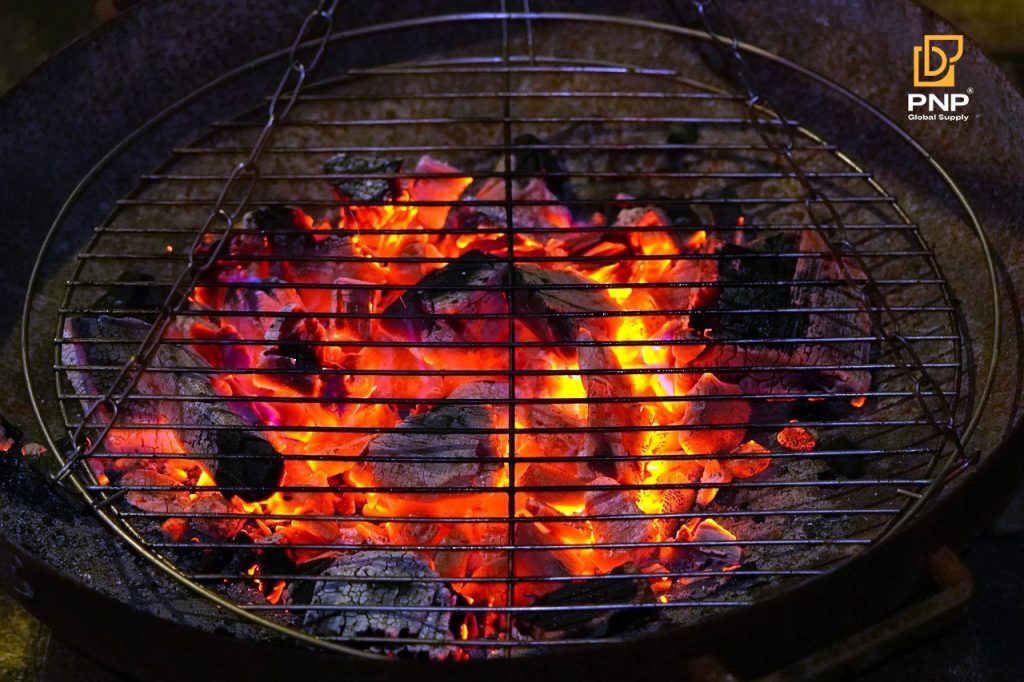
Imagine you’re planning a perfect barbecue. The mouth-watering aroma of sizzling burgers, the crisp sound of vegetables grilling, and the warm glow of charcoal under the grill create the ultimate outdoor cooking experience.
But how hot does that charcoal grill actually get? Understanding this can make all the difference between achieving the perfect sear on your steak or ending up with an overcooked mess. In this guide, you’ll discover just how hot a grill with charcoal can become and why knowing this temperature is crucial for your grilling success.
Get ready to unlock the secrets that will elevate your barbecue game to the next level. Stay with us, and you’ll soon master the art of grilling like a pro!
Charcoal Types And Their Heat
Grilling with charcoal adds a unique flavor to food. The type of charcoal affects how hot your grill gets.
Knowing the differences in charcoal types helps you control cooking temperature better.
Lump Charcoal Vs Briquettes
Lump charcoal comes from natural wood chunks. Briquettes are made from compressed sawdust and other materials.
- Lump charcoal lights quickly and burns hotter.
- Briquettes burn evenly and last longer.
- Lump charcoal produces less ash.
- Briquettes provide a steady heat for slow cooking.
Heat Output Differences
| Charcoal Type | Average Temperature (°F) | Burn Time (Minutes) | Ash Produced |
|---|---|---|---|
| Lump Charcoal | 700 – 900 | 30 – 60 | Low |
| Briquettes | 500 – 700 | 60 – 90 | High |
Choosing The Right Charcoal
Pick charcoal based on your cooking style and time.
- Use lump charcoal for high heat and quick cooking.
- Choose briquettes for longer cooking and steady temperature.
- Consider ash production if you want less cleanup.
- Think about flavor: lump charcoal offers a smoky taste.

Credit: www.reddit.com
Temperature Ranges Of Charcoal Grills
Charcoal grills can reach different temperatures depending on how you arrange the coals. Knowing the temperature zones helps you cook food perfectly.
Each heat zone suits specific cooking styles. You can adjust the heat by adding or moving charcoal.
Low Heat Zone
The low heat zone is usually between 225°F and 275°F (107°C to 135°C). It is perfect for slow cooking and smoking.
- Use few coals or spread them out thinly.
- Great for ribs, brisket, and tough cuts.
- Keeps food tender and juicy over time.
Medium Heat Zone
The medium heat zone ranges from 300°F to 400°F (149°C to 204°C). It works well for grilling chicken and vegetables.
| Temperature (°F) | Temperature (°C) | Best For |
| 300 – 350 | 149 – 177 | Chicken, Fish |
| 350 – 400 | 177 – 204 | Vegetables, Burgers |
High Heat Zone
High heat zones go above 450°F (232°C). This heat is great for searing steaks and quick cooking.
- Use a thick layer of hot coals.
- Keep the grill lid closed to maintain heat.
- Cook food quickly to avoid burning.
Factors Affecting Grill Heat
Grill heat depends on many factors. Understanding these helps you control cooking better.
Knowing what changes the temperature can improve your grilling results every time.
Airflow Control
Airflow controls how much oxygen reaches the charcoal. More oxygen makes the fire hotter.
- Open vents increase oxygen and heat.
- Closing vents lowers oxygen and cools the fire.
- Adjust vents to keep steady temperature.
Charcoal Arrangement
How you place charcoal affects heat zones. Closer charcoal means hotter heat.
| Arrangement | Heat Result |
|---|---|
| Piled Together | High, direct heat |
| Spread Evenly | Medium, even heat |
| Separated Clusters | Low, indirect heat |
Grill Size And Material
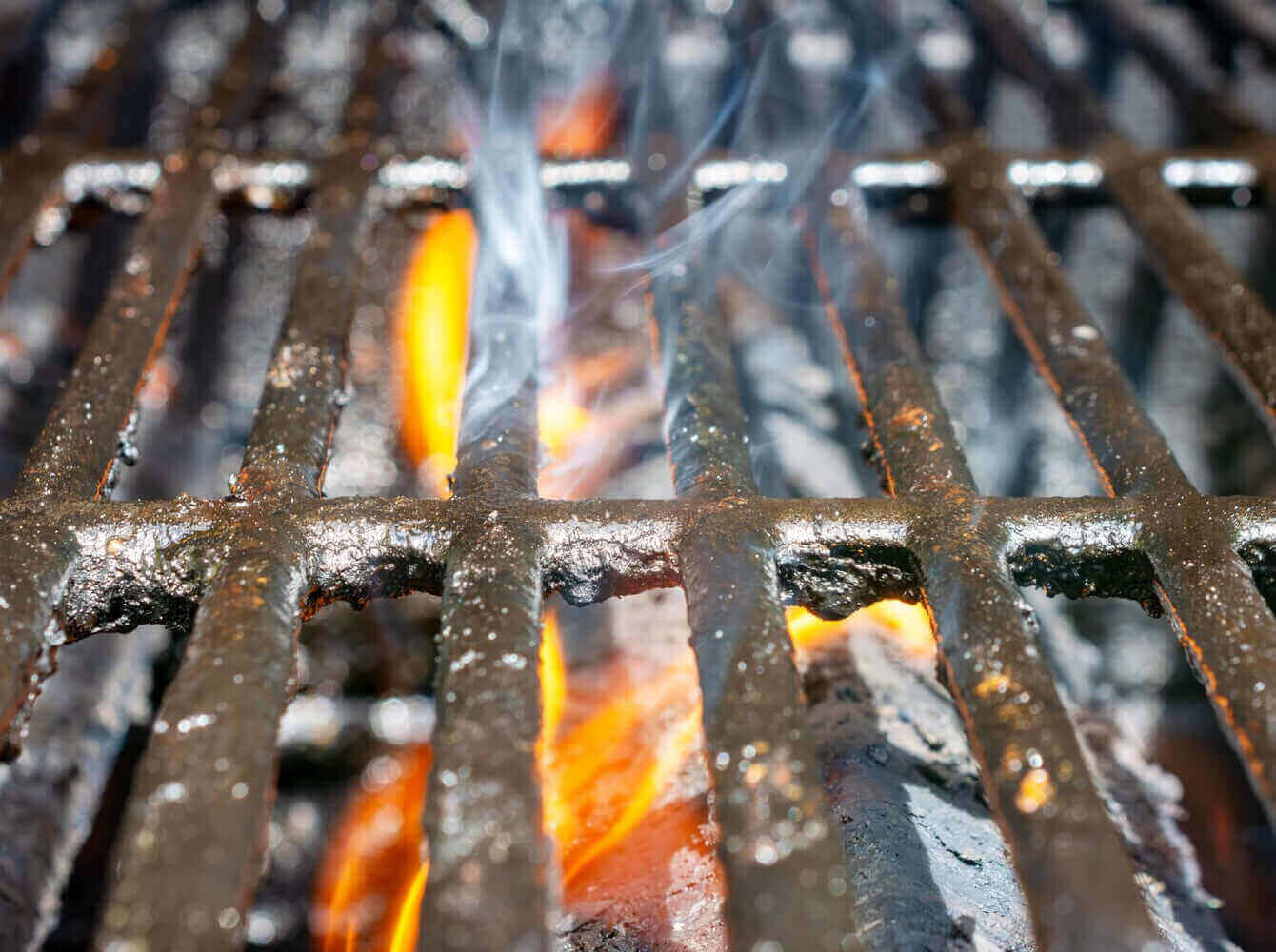
Bigger grills take longer to heat. Smaller grills heat up faster.
Thick metal holds heat well. Thin metal cools quickly.
Credit: ddrbbqsupply.com
Measuring Grill Temperature
Knowing the temperature of your charcoal grill helps you cook food perfectly. You can use different tools and methods to check how hot the grill is.
Each way to measure the heat has its benefits. Some are easy and fast, while others give more exact results.
Using Built-in Thermometers
Many charcoal grills come with a built-in thermometer on the lid. This tool shows the grill’s inside temperature. It helps you keep an eye on the heat without opening the lid.
Built-in thermometers are handy but may not always be very accurate. The temperature can differ in some parts of the grill.
Infrared Thermometers
Infrared thermometers measure surface heat from a distance. They give quick and exact readings of the grill’s temperature.
- Point the device at the grill grate.
- Press the button to get the temperature.
- Check different spots for even heat.
These thermometers are great for checking hot and cool zones on the grill.
Hand Test Method
The hand test is a simple way to estimate heat without tools. Hold your hand about 5 inches above the grill grate. Count how many seconds you can keep it there before it feels too hot.
| Seconds Held | Heat Level | Temperature Range |
| 2 seconds | High heat | 450°F to 550°F (232°C to 288°C) |
| 4 seconds | Medium heat | 350°F to 450°F (177°C to 232°C) |
| 6 seconds | Low heat | 250°F to 350°F (121°C to 177°C) |
| 8 seconds | Very low heat | Below 250°F (121°C) |
Maximizing Heat For Cooking
Grilling with charcoal gives food a unique flavor. To cook well, you need the right heat. This guide helps you get the most heat from your grill.
Controlling the heat means knowing how to start the fire, manage the fuel, and keep the temperature steady. These tips will improve your cooking experience.
Ignition Techniques
Starting the charcoal properly is key to reaching high heat fast. Use dry charcoal and safe fire starters. Avoid using lighter fluid if possible.
- Arrange charcoal in a pyramid shape for better airflow
- Use natural fire starters like wood shavings or paper
- Light charcoal in small batches to control heat buildup
- Allow charcoal to ash over before cooking for even heat
Fuel Management
Adding and arranging charcoal affects how hot the grill gets. Keep enough fuel for long cooking times.
| Fuel Tip | Effect on Heat |
| Add charcoal gradually | Maintains steady heat without spikes |
| Use lump charcoal | Burns hotter and faster than briquettes |
| Spread coals thinly | Creates lower, even heat for slow cooking |
| Pile coals tightly | Generates intense, focused heat for searing |
Maintaining Consistent Heat
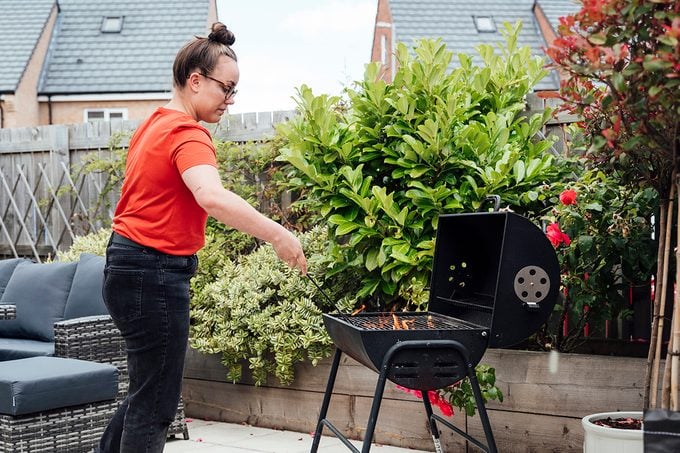
Keep the temperature stable by controlling airflow and watching your charcoal. Use vents to adjust oxygen flow.
- Open vents to increase heat
- Close vents slightly to lower heat
- Use a grill thermometer to track temperature
- Remove ash buildup to improve airflow
Credit: www.tasteofhome.com
Heat Levels For Different Foods
Grilling with charcoal creates different heat levels. Each type of food needs a certain heat to cook well. Knowing the right heat helps you get better taste and texture.
Charcoal grills can reach low, medium, and high heat. You can move the coals or adjust vents to control the temperature. Let’s look at how heat works for various foods.
Searing Steaks
Searing steaks needs very high heat. The grill should be hot enough to create a crust on the outside. This locks in juices and adds flavor.
Place the steak directly above hot coals. Aim for temperatures around 500°F to 700°F. Sear each side for 2 to 3 minutes, then move steak to cooler area to finish cooking.
- High heat: 500°F to 700°F
- Use direct heat over coals
- Sear 2-3 minutes per side
- Finish on medium heat if needed
Grilling Vegetables
Vegetables need medium heat to cook evenly without burning. High heat can burn outside while leaving inside raw. Medium heat helps soften vegetables and bring out sweetness.
Set coals for medium heat around 350°F to 450°F. Use indirect heat for thicker vegetables like corn or peppers. Thin vegetables cook well over direct medium heat.
- Medium heat: 350°F to 450°F
- Use indirect heat for thick veggies
- Direct heat for thin veggies
- Turn often to avoid burning
Slow Cooking And Smoking
Slow cooking and smoking need low heat. Keep the grill between 225°F and 275°F. This cooks food gently and adds smoky flavor over hours.
Use indirect heat by placing coals on one side. Add wood chips for smoke. Keep the grill closed to keep temperature steady. Great for ribs, brisket, and pork shoulder.
- Low heat: 225°F to 275°F
- Use indirect heat
- Add wood chips for smoke
- Cook for several hours
Safety Tips When Handling High Heat
Grilling with charcoal creates very high heat. It is important to be careful to avoid burns and accidents. Following safety tips helps keep you and others safe.
Always respect the power of the grill and handle it properly. Safety measures prevent injuries and damage to property.
Protective Gear
Wearing the right gear protects your body from heat and sparks. Use gloves made for high temperatures. Long sleeves and closed shoes protect skin from burns.
- Heat-resistant gloves shield your hands
- Long sleeves protect your arms
- Closed-toe shoes prevent foot burns
- A thick apron keeps your clothes safe
Fire Management
Controlling the fire reduces risks. Keep a spray bottle of water nearby to handle small flare-ups. Never leave the grill unattended while it is hot.
Use long-handled tools to move charcoal and food safely. Make sure the grill is stable and far from anything flammable.
- Have water or a fire extinguisher ready
- Use long-handled tongs and spatulas
- Keep the grill on a flat, stable surface
- Do not use lighter fluid after lighting
Proper Grill Maintenance
Clean your grill regularly to prevent flare-ups. Remove old ashes after each use. Check for damage that could cause accidents.
Inspect the grill parts before cooking. Replace broken or rusted pieces. Proper care keeps your grill safe and working well.
- Clean the grill grate after every use
- Remove ashes to improve airflow
- Check for cracks or rust
- Store grill in a dry place
Frequently Asked Questions
How Hot Can A Charcoal Grill Get?
A charcoal grill can reach temperatures between 600°F to 700°F. High heat is ideal for searing meats and quick cooking. Proper airflow and quality charcoal impact maximum temperature achieved.
What Affects The Heat Of A Charcoal Grill?
The heat depends on charcoal type, amount, airflow, and grill design. More charcoal and good ventilation increase temperature. Using lump charcoal typically produces hotter flames than briquettes.
How To Measure Temperature On A Charcoal Grill?
Use a grill thermometer or an infrared thermometer for accurate readings. Place it near the cooking surface to monitor heat. Many grills also have built-in temperature gauges for convenience.
Can Charcoal Grills Maintain Steady Heat?
Yes, by adjusting air vents and managing charcoal quantity, you can keep steady heat. Adding charcoal gradually helps maintain consistent cooking temperatures over time.
Conclusion
Grill temperature with charcoal depends on many factors. Charcoal can get very hot, reaching up to 700 degrees Fahrenheit. Managing airflow controls how hot the fire burns. Knowing the heat helps cook food perfectly every time. Always keep safety in mind when handling hot coals.
Practice and patience improve your grilling skills. Enjoy the process, and happy grilling!